
The short answer
The autonomous mobile robot cost for inflight catering kitchens depends on the route the robot runs: how long it is, how many cart and tray moves fill each shift, the floor and doors it crosses, and how much mapping, integration and service the site needs. Lease terms are set in a written quote after a free site assessment, so the figure reflects your building rather than a generic kit.
Key takeaways
- Route length, cart moves per shift and floor condition set most of the cost.
- Mapping, integration and service are the items people most often leave out of a comparison.
- Food service turnover is high, so a fixed cart route gives staff steadier work.
- Lease terms come from a site assessment, not from a catalog figure.
- Time the cart moves on your own floor before comparing any two quotes.
Autonomous mobile robot cost for inflight catering kitchens: what does it depend on?
The autonomous mobile robot cost for inflight catering kitchens follows the work the robot is asked to do. That work is measured in distance, load and timing. A kitchen that moves carts down one short corridor has a distinct job from one that runs trays between a prep hall, a chill room and several loading lines. The quote follows that job, so the route should be described before anyone talks about the machine.
Our team builds the quote from a free site assessment. We walk the kitchen with the operations lead, record the cart and tray moves in each shift, note the floor, doors and elevators, and check how many units the route needs. The lease payment is fixed for the term and appears in writing after that walk. No figure on this page replaces that quote.
Timing matters more in this setting than in most food work. Inflight loading windows are tight, and a late cart can delay a departure. Cart runs repeat on the same paths, which is why fixed routes suit a mobile robot. What moves the number up or down is how often the route runs, how long it is, and how much of the site must change for the robot to work safely.
How large are these kitchens, and how far do the carts travel?
Inflight catering kitchens differ widely in size. According to American Airlines' 2023 press release on its Dallas Fort Worth catering facility, the building covers 214,000 square feet and makes nearly 15,000 meals a day in peak season. A building of that scale can hold many separate cart lanes, and a route may cross several departments before a tray reaches the aircraft cart.
Smaller units run on less floor. An AOL travel article describes a 120,000-square-foot Atlanta airline kitchen producing about 6,800 meals per day. A Newrest unit at Raleigh-Durham is listed at 3,250 square meters, serving over 70 flights and 400 meals per day, according to the company's own listing.
Low-volume flight kitchens are sized differently again. A U.S. Air Force flight kitchen guideline, hosted by the Whole Building Design Guide, prorates about 0.5 square feet per meal for low volumes. The gap between that rule and the large airline examples shows why the site walk, not the square footage alone, should set the route.
Which floor, traffic and shift conditions move the cost?
Floor condition shapes the route. Smooth, level, sealed floors hold a steady path and need less setup. Worn joints, floor drains, raised thresholds and mixed surfaces between the kitchen and the chill room add mapping and testing time. A threshold a cart rolls over by hand may still stop a robot on every trip.
Traffic comes next. Carts, dollies and staff share the same lanes during loading, and peak minutes decide whether the robot waits, detours or needs a second unit. We time these windows on site instead of applying a general figure, because a busy lane at one hour may be clear at another.
Shift pattern sets the schedule. A kitchen that runs around the clock can keep a robot working through the night, while a site that runs one shift may need the robot for the early push only. The pattern changes how many units and service visits the site needs, and it sets when maintenance can happen without stopping the route.
Multi-floor sites add another layer. A route that uses an elevator or ramp needs timing checks, access controls and clearance review. Doors on timers, fire doors that hold open and doors with keypad access each add integration work that belongs in the quote.
How much staffing pressure is there, and why do fixed routes fit?
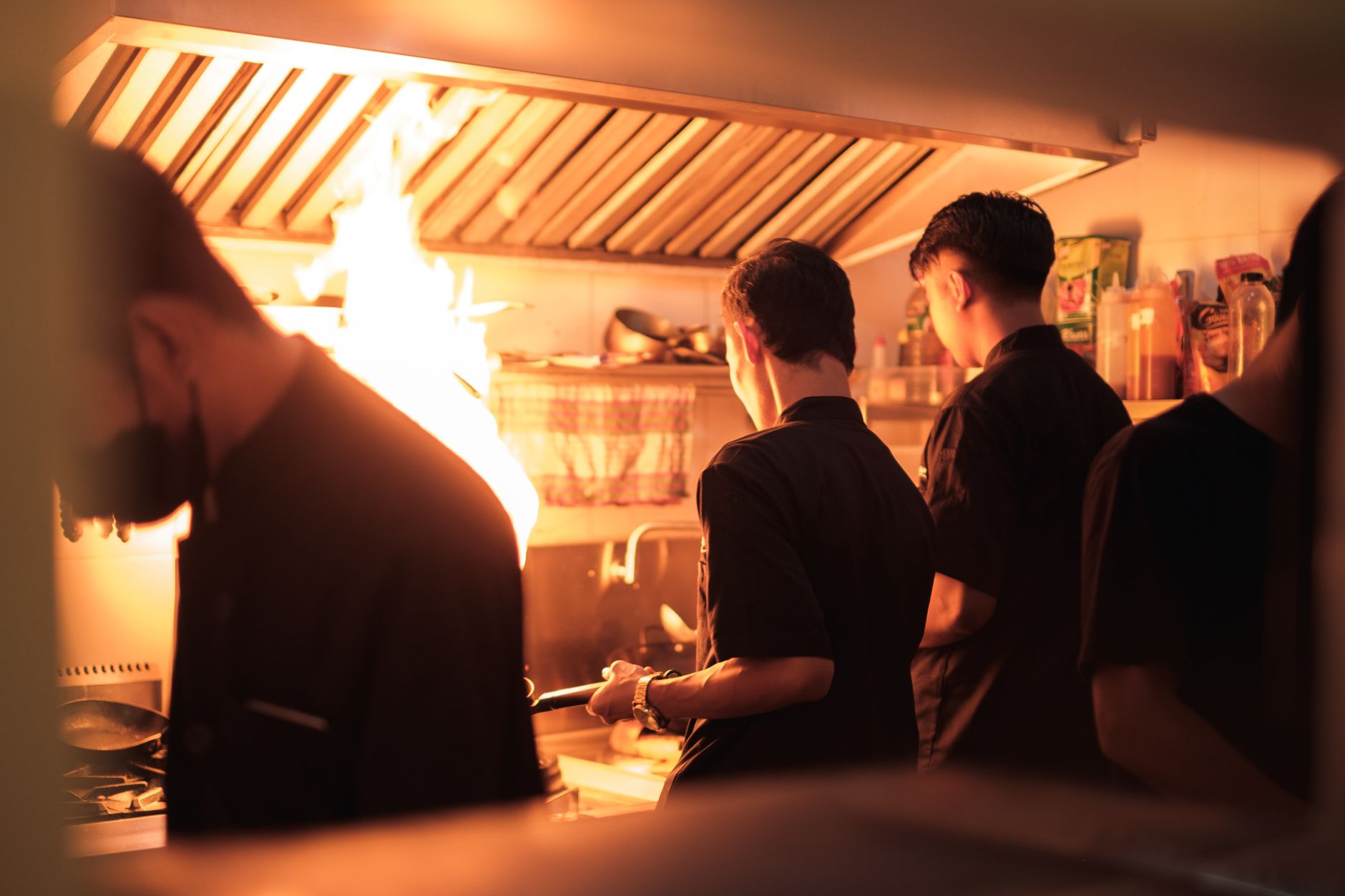
The food preparation workforce is large and its work is often short-term. According to the U.S. Bureau of Labor Statistics Occupational Outlook Handbook, food preparation workers held about 902,700 jobs in 2024, with food services and drinking places as the largest employer at 55%. BLS projects employment to fall 3% from 2024 to 2034, about 30,900 jobs, and typical preparation is learned through short-term on-the-job training.
Turnover is the operating pressure. A Restroworks summary reports annual restaurant employee turnover around 75% for 2025, attributed to Homebase, with back-of-house turnover near 43% and front-of-house near 41%. These are secondary figures from a blog with an unclear method, so read them as direction rather than as a benchmark for your kitchen.
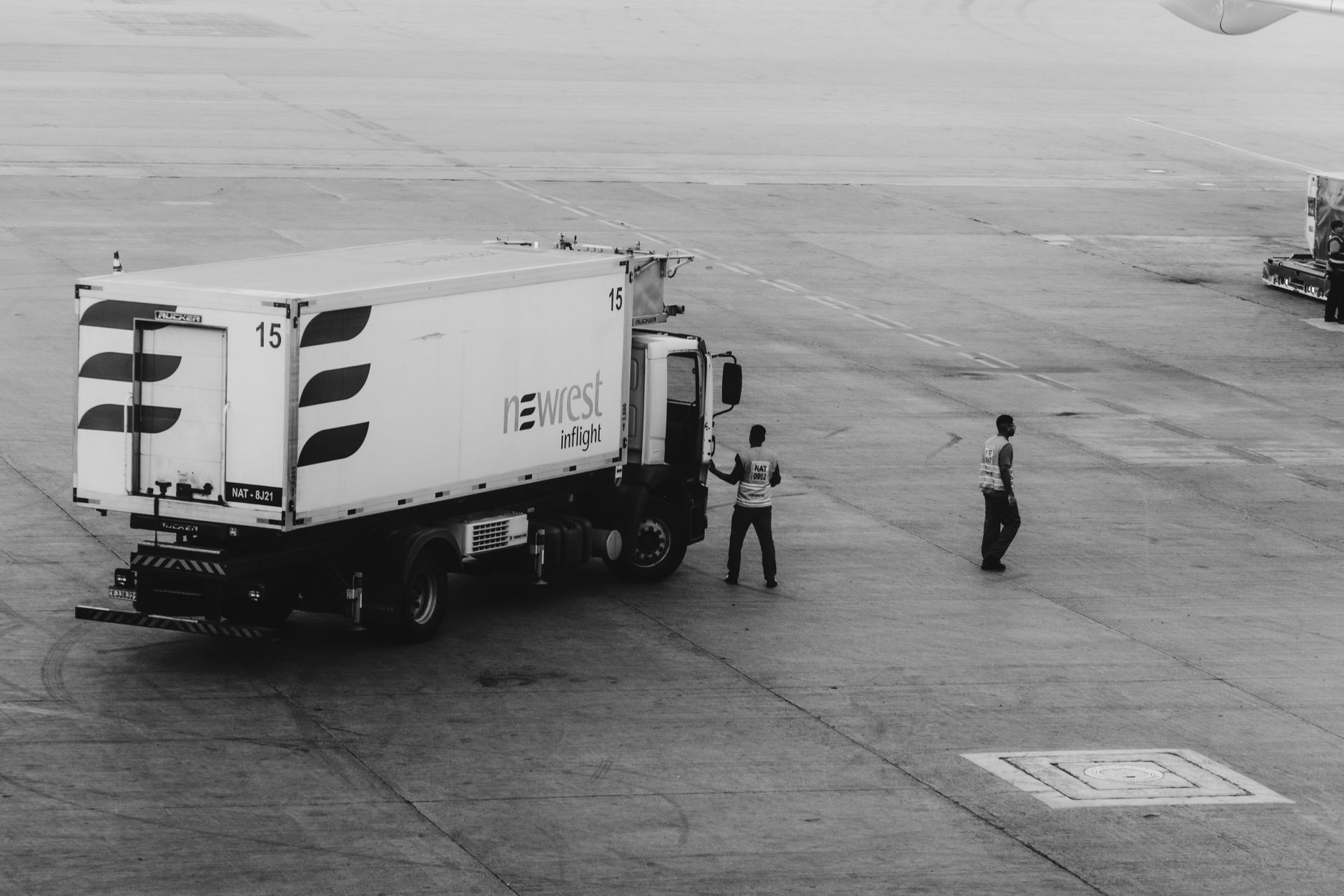
Airline catering is a smaller pool. IBISWorld estimates about 51,360 people employed in U.S. airline catering in 2025, averaging 177.9 employees per business. That is an industry estimate, not a government count, and no authoritative count of U.S. airline catering kitchens was found, so each site should be checked directly.
Robots are spreading in nearby work. A January 2025 survey of 217 supply chain professionals, run for Logistics Management, Modern Materials Handling and Supply Chain Management Review, found 48% of companies already use robots and 32% plan to adopt within three years, according to the Material Handling 247 report. That is logistics, not catering, so it shows direction rather than a catering benchmark.
The fit comes from repetition. Cart runs between prep, chill and loading repeat along fixed paths. A robot that runs the same lane each time frees staff for work that needs judgment, such as checking meal counts, handling rework and keeping temperature records.
How does leasing through financing work, and what does the quote include?
A robot lease through financing spreads the cost over a set term with a fixed payment. The operator uses the robot under the lease, and the payment stays the same for the term. Lease options vary by site, so the structure should be confirmed in writing rather than assumed from a general description.
The quote lists the lease term, the fixed payment, the number of units and any spares, the mapping and integration work, training sessions and the service plan. It also names insurance, software and maintenance terms. A quote without those lines leaves gaps that surface later, so ask for each line to be written out.
Lease financing programs and robot lease options are set after the site walk, not before. The number reflects the route your kitchen needs, so two kitchens of similar size can receive quotes that differ. Ask for the quote to show what happens at the end of the term and how spare units are handled.
How many labor hours does the robot take over?
The honest answer depends on the site. This page does not give an hour figure for cart runs in inflight catering kitchens, because no verified published figure was found for this setting. What it offers is a method: time each cart and tray move along the route, count the moves in each shift, and decide which runs the robot takes.
The table after this section lists four tasks and how to time them. Each row describes work that moves between zones and can be logged on the floor during one shift. The lead records the minutes, and that log becomes the basis for the route plan.
A robot takes over the repetitive run, not the whole job. Staff still load the aircraft cart, check the count, sign the temperature log and handle exceptions. The labor saving is the walking and waiting between those steps, and that number is measured on your floor.
| Task | Today | With a robot |
|---|---|---|
| Carry prepped trays from prep to chill | timed on the site walk, per shift | fixed run on a mapped route, staff load at each end |
| Stage carts at the loading line | counted per flight on the site walk | robot delivers to a staging bay, staff confirm counts |
| Return empty carts and trays to wash | timed on the site walk, per shift | scheduled return run, staff clear the wash bay |
| Walk the route to check timing | logged by the lead, per shift | robot reports position and delays, lead handles exceptions |
No verified published hour figure was used. Each row is timed on your own floor during the free site assessment, and the log of minutes per shift becomes the basis for the route plan.
What can an autonomous mobile robot not do in an inflight catering kitchen?
It cannot prepare food, place a meal on a tray or read a meal count. It moves carts and trays along a mapped route. It stops for people and obstacles, and it waits when a lane is blocked until the path clears.
It needs a clear path to run. Spills, loose cables, open dishwasher doors and misplaced carts interrupt the run. Kitchen discipline matters as much as the machine. A route that changes every week will need frequent map updates, while a route that stays fixed will run reliably.
It does not handle food safety. Temperature checks, allergen handling and chill records stay with staff. The robot moves carts, but it does not verify what is on them or whether the chill cycle finished.
It cannot climb stairs or redraw its own route when a wall moves. A failed sensor or wheel needs a technician, and a faulty unit needs a spare to keep the loading window open. Service visits and spare coverage belong in the plan for that reason.
How do I get a quote after a free site assessment?
Start with a free site assessment. Our team walks the kitchen with your operations lead, maps the route, times the cart and tray moves, and records the floor, doors, elevators and shift hours. Bring the flight schedule and the loading windows, since those set the timing the route must meet.
The quote follows the walk. It sets the lease term, the fixed payment, the number of units and spares, mapping and integration work, staff training and the service plan. The figures come in writing, so you can compare options side by side against the same route.
Many operators begin with one leased unit on the busiest route and add units after the first period of data. A pilot shows the real hours on your floor before a larger commitment, and it gives staff time to learn how the robot stops, waits and restarts.
We serve sites nationwide, with on-site dispatch and remote triage for faults. Spare unit coverage is listed in the quote where the route needs it, so a faulty unit does not hold up a loading window. Ask for the service terms in writing before you decide.
Frequently asked questions
Want a warehouse robot at your inflight catering kitchen?
Tell us about your site. We will recommend the robot, quote the lease, and keep it serviced.
Sources
- U.S. Bureau of Labor Statistics, Occupational Outlook Handbook: Food Preparation Workers
- Restroworks, Restaurant Turnover Statistics 2025
- IBISWorld, Airline Catering Services in the US: Employment
- American Airlines newsroom, 2023 press release on DFW catering facility
- Material Handling 247, Warehouse Robotics Adoption Trends 2025
- Newrest, Raleigh-Durham unit listing
- AOL travel article on airplane food production
- Whole Building Design Guide, U.S. Air Force flight kitchen guideline