
The short answer
Autonomous mobile robot cost for meat and poultry processing plants depends on the route between production and cold storage, how often washdown changes the schedule, how many units the floor needs, and how much mapping, integration, training and service the site requires. No single figure fits every plant, so the quote is built after a free site assessment, where the runs are timed and the layout is mapped. The quote turns those factors into a fixed lease payment and service plan, and whether it pays off depends on the hours the robot takes over, measured on your own floor.
Key takeaways
- Route length, washdown timing and floor conditions set most of the cost, and each one is measured on site.
- The American Association of Meat Processors reported that two-thirds of its 2024 respondents had turnover of up to 25%.
- No hour figure is assumed on this page: tote and pallet hours are timed during the free site assessment.
- The robot is leased through financing, and the quote shows the fixed lease payment and every service line.
Autonomous mobile robot cost for meat and poultry processing plants: what does it depend on?
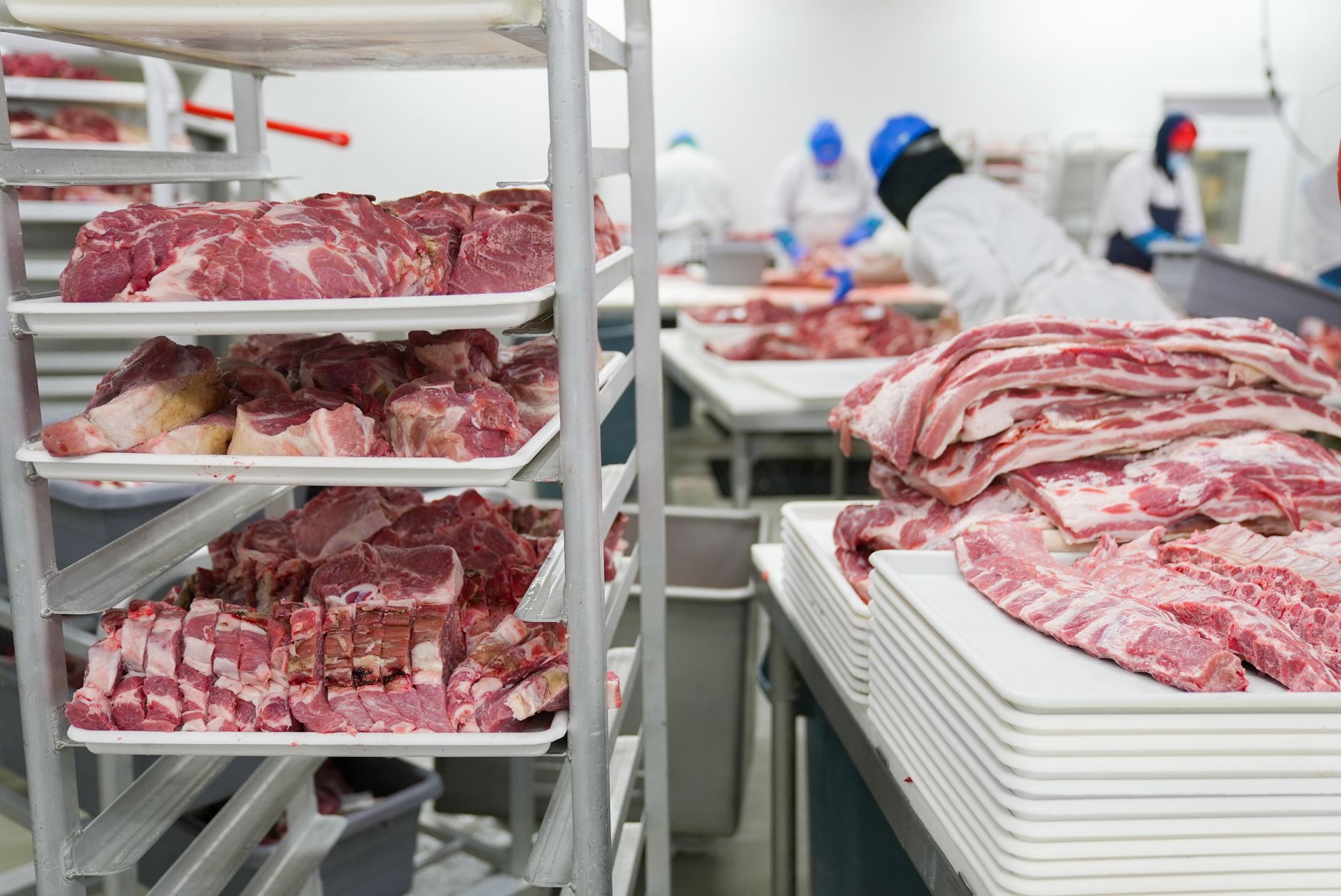
Autonomous mobile robot cost for meat and poultry processing plants depends on the route more than on the robot itself. The robot has to carry totes and pallets between production and cold storage on a fixed path, through doors, cold rooms and wet floors that get washed on a schedule. Each of those conditions changes how many units the site needs, how much mapping and integration it takes, and how the service plan is set up.
This page covers the factors that move the number, the hidden costs that often get missed, how a lease is quoted through financing, and what a robot cannot do in this setting. We do not publish a single figure, because a plant with a long cold corridor and a plant with a short line to one cooler are not the same job. The number comes from the site assessment.
Why are meat and poultry plants looking at autonomous mobile robots?
Staffing is the first reason. The American Association of Meat Processors, in its 2024 industry data collection, reported that two-thirds of respondents had turnover of up to 25% in the past year. Turnover at that level keeps supervisors training constantly, and the repetitive runs on cold, wet shifts are often the ones left unfilled.
Repetitive runs on fixed routes are where autonomous mobile robots fit most naturally. The route is known in advance, the loads are predictable, and the work does not change much from shift to shift. That is a different kind of job from picking or inspection, which is why tote and pallet movement is a common starting point for a site.
The size of the sector sets the scale of the question. Trade reporting on USDA FSIS figures from 2016 cited about 1,100 slaughter establishments, about 5,100 additional meat and poultry packing and processing facilities, and about 3,000 poultry establishments slaughtering about 9 billion birds a year. Those counts are dated. The USDA Food Safety and Inspection Service publishes a Meat, Poultry and Egg Product Inspection Directory, with a CSV dated January 21, 2025, which is the better source for the latest count.
Interest in robots is growing across the sector. According to PMMI's 2026 report, mobile robots held 32% of the US packaging and processing robotics market in 2025 and are forecast to reach 45% by 2031, when they would become the largest segment. A3 reported that North American robot orders grew 6.6% in 2025 versus 2024, with food among the sectors contributing. Those figures measure market share and orders, not mobile robot counts in meat plants, so read them as direction rather than proof of payback.
What drives the cost of an autonomous mobile robot at this kind of plant?
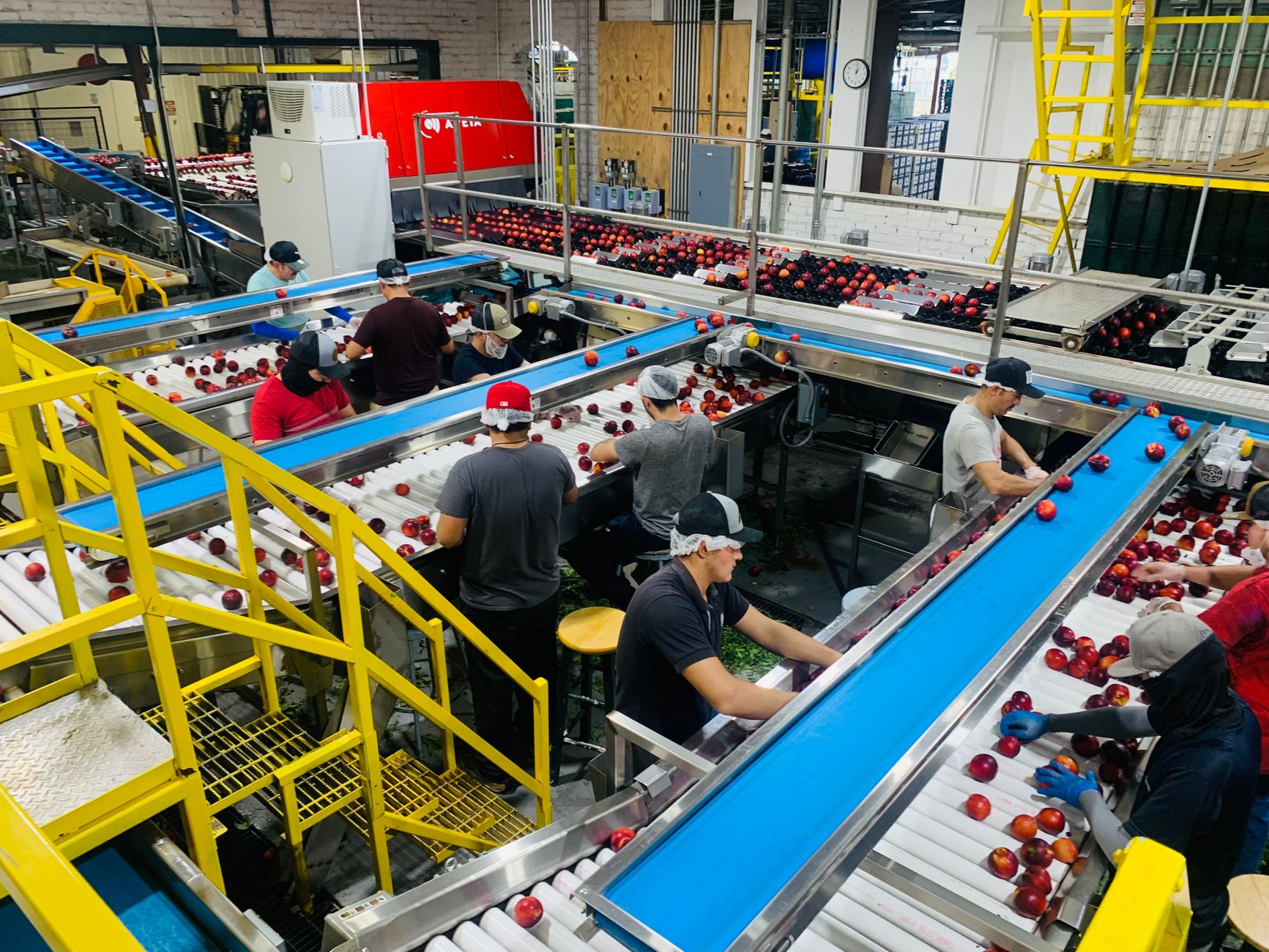
Most of what moves the number is set by the building rather than by the robot. The route comes first: the distance from the cut or packing room to cold storage, the number of stops, and how many doors and cold room transitions sit on the path. A longer route with more stops needs more mapping, more units to keep it moving, and more time at each end.
The washdown schedule is next. Sanitation sets the pace of the plant, so the robot has to fit around it. If the route is cleaned on a fixed daily cycle, that cycle decides when the robot can run and how many units can share the path. A route planned around those windows is easier to keep running than one rebuilt each time sanitation changes.
Then come the people and vehicles on the same floor. Forklifts, carts and hand trucks on shared aisles add stops, slow the fleet and change how the route is configured. Floor surfaces and wet conditions matter too, because they decide which hardware suits the path and where the route can run.
The number of units is the last lever. More units cover more volume, but they also add coordination, charging and service, so the count should come from measured runs rather than from the size of the building.
How hard is it to staff tote and pallet runs on cold, wet shifts?
Staffing is the pressure behind most of these projects. The American Association of Meat Processors' 2024 data collection found that two-thirds of respondents had turnover of up to 25% in the past year. A supervisor spending much of the week on training has little time left for the route, and tote and pallet runs are often the first to slip.
Safety is the other side of the same question. According to the National Chicken Council, citing BLS data relayed by the Joint Poultry Industry Safety & Health Council, poultry processing's 2024 total recordable injury and illness rate was 2.4 per 100 full-time workers. That is the lowest the sector has recorded since 1994, when the rate was 22.7. The same council summary put general industry at 2.6, all manufacturing at 2.7 and food manufacturing at 3.3.
The US Department of Labor's inspection guidance for animal slaughtering and processing states that occupational illness cases in that industry were six times the all-industry average in 2022. Any change to how loads move, including fewer hand carts and fewer manual lifts on the route, should be reviewed as a safety question as well as a staffing one.
How many hours does manual tote and pallet work take, and what does the robot take over?
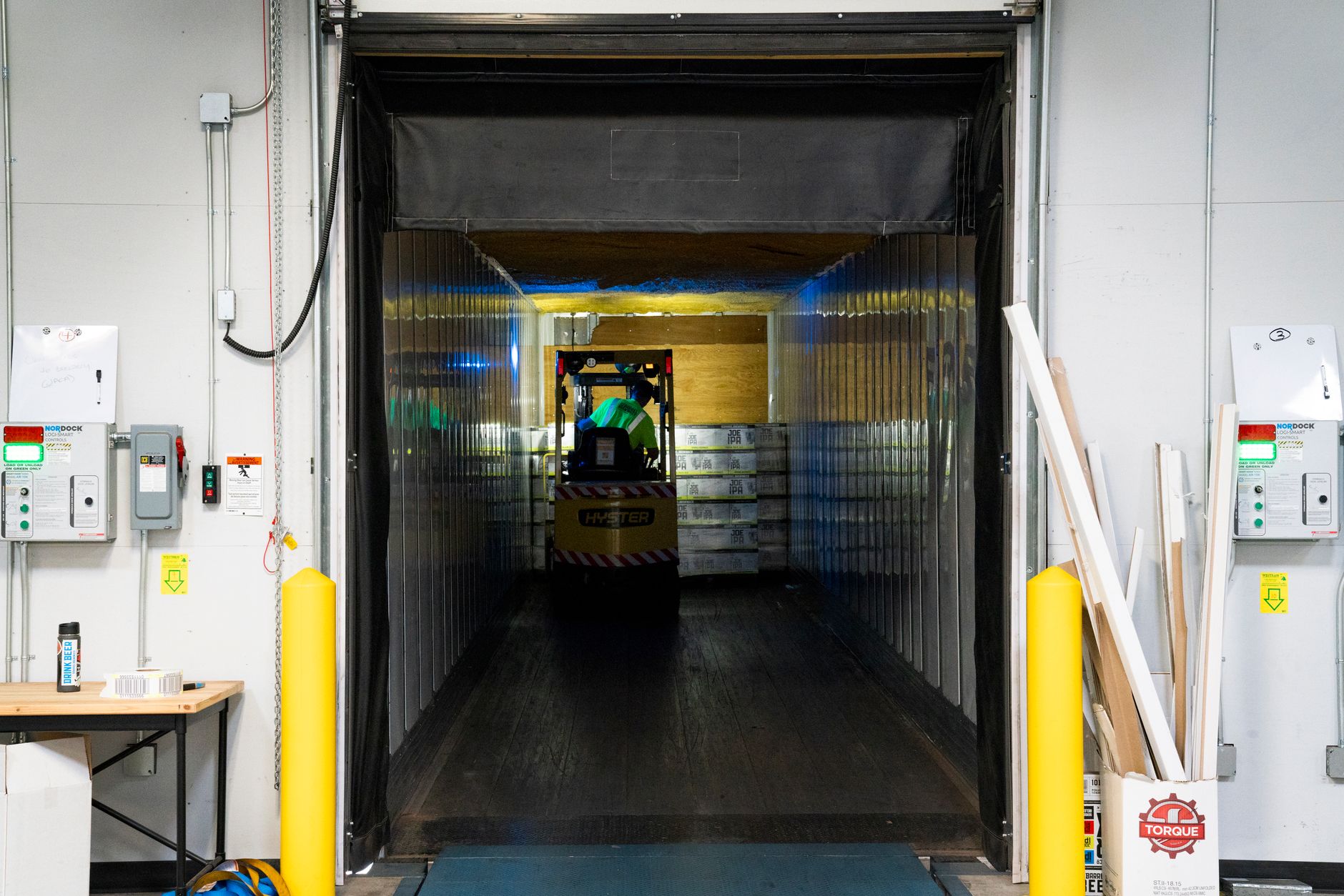
The honest answer depends on your floor. We have not verified a public hour figure for tote and pallet work at meat and poultry plants, so this page does not give one. During the site assessment we time each run from the packing or cut area to cold storage, count the trips per shift, and note which trips fall during washdown.
The robot takes over the repetitive legs of those runs on a fixed route. Staff keep the parts that need judgment: loading and unloading at each end, product exceptions, and the decisions that come up when a line changes or an aisle is blocked. The table shows the split in general terms, and measured hours replace the wording once they are known.
That measurement is what makes the quote specific. Two plants with the same headcount can run very different routes, and the hours counted on each floor set how much of the work moves to the robot and how much stays with staff.
How does leasing through financing work, and what does the quote include?
The robot is leased through a financing program. The operation keeps its capital free for other needs and works from a fixed lease payment over the term. The lease covers the robot itself. The site survey, mapping, training and service should each appear as their own line in the quote, so the lease is never confused with the work around it.
The quote comes after a free site assessment, because the route, washdown schedule and mapping work decide the number of units and the service plan. A complete quote shows the lease term, the fixed lease payment, deployment and integration, training, and the service that is included. Ask for maintenance to be listed as included, and ask what happens when a unit goes down during a shift.
Read the term against the life of the route. If the layout is likely to change within the lease, ask whether route changes are covered or billed separately. A clear answer now saves an argument later.
What can an autonomous mobile robot not do in a meat or poultry plant?
It does not replace the people who run the line. It moves totes and pallets along a route, and it needs staff at both ends to load, unload, clear exceptions and answer alarms. It does not make product decisions, and it does not take the place of food safety controls or sanitation crews.
It also depends on the floor. Routes that cross uneven surfaces, standing water beyond what the hardware is rated for, or doors the robot cannot pass through will need changes or will not work. Some areas will be off limits during sanitation, and the route must stop there. Confirm these limits during the site assessment, not on go-live day.
Plan for a stop as well. A blocked aisle or a unit that faults should not halt the line, so the staffing plan needs a manual fallback for the runs the robot normally carries. That plan is easier to write before go-live, when the route and the shift pattern are both known.
How do you get a quote after a free site assessment?
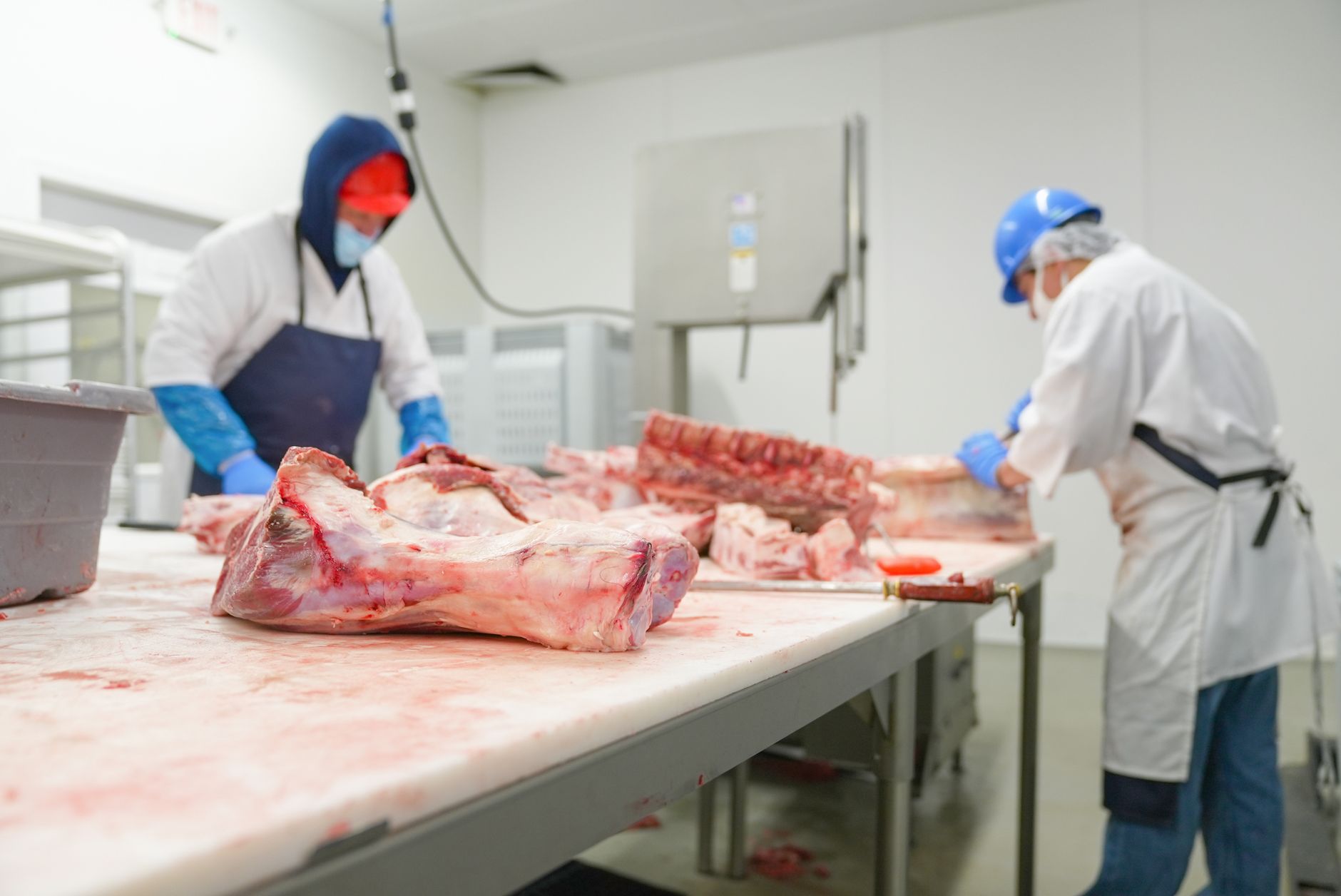
We start with the layout, or we walk the plant with you. The site assessment is free. We map the route, time the runs, check washdown windows and cold storage access, and note where people and forklifts share the path. From that we set the number of units, the service plan and the lease term.
The quote comes after the assessment, not before. It lists the fixed lease payment, deployment and integration, training and service, so you can compare it with the hours counted on your floor. Payback comes from those hours set against the lease and service, and we do not promise a payback period before we have seen the route.
If the plant wants to test the work first, a pilot on one route with one leased unit is one way to start. It shows the real route, the washdown interaction and the staff handoffs before a larger fleet is committed.
Frequently asked questions
Want a warehouse robot at your meat and poultry processing plant?
Tell us about your site. We will recommend the robot, quote the lease, and keep it serviced.
Sources
- Joint Poultry Industry Safety & Health Council, BLS data
- National Chicken Council
- US Department of Labor, animal slaughtering and processing inspection guidance
- American Association of Meat Processors, 2024 industry data collection
- USDA FSIS figures from 2016, as reported in trade press
- USDA Food Safety and Inspection Service, Meat, Poultry and Egg Product Inspection Directory
- A3, North American robot orders 2025
- PMMI, 2026 report on packaging and processing robotics