
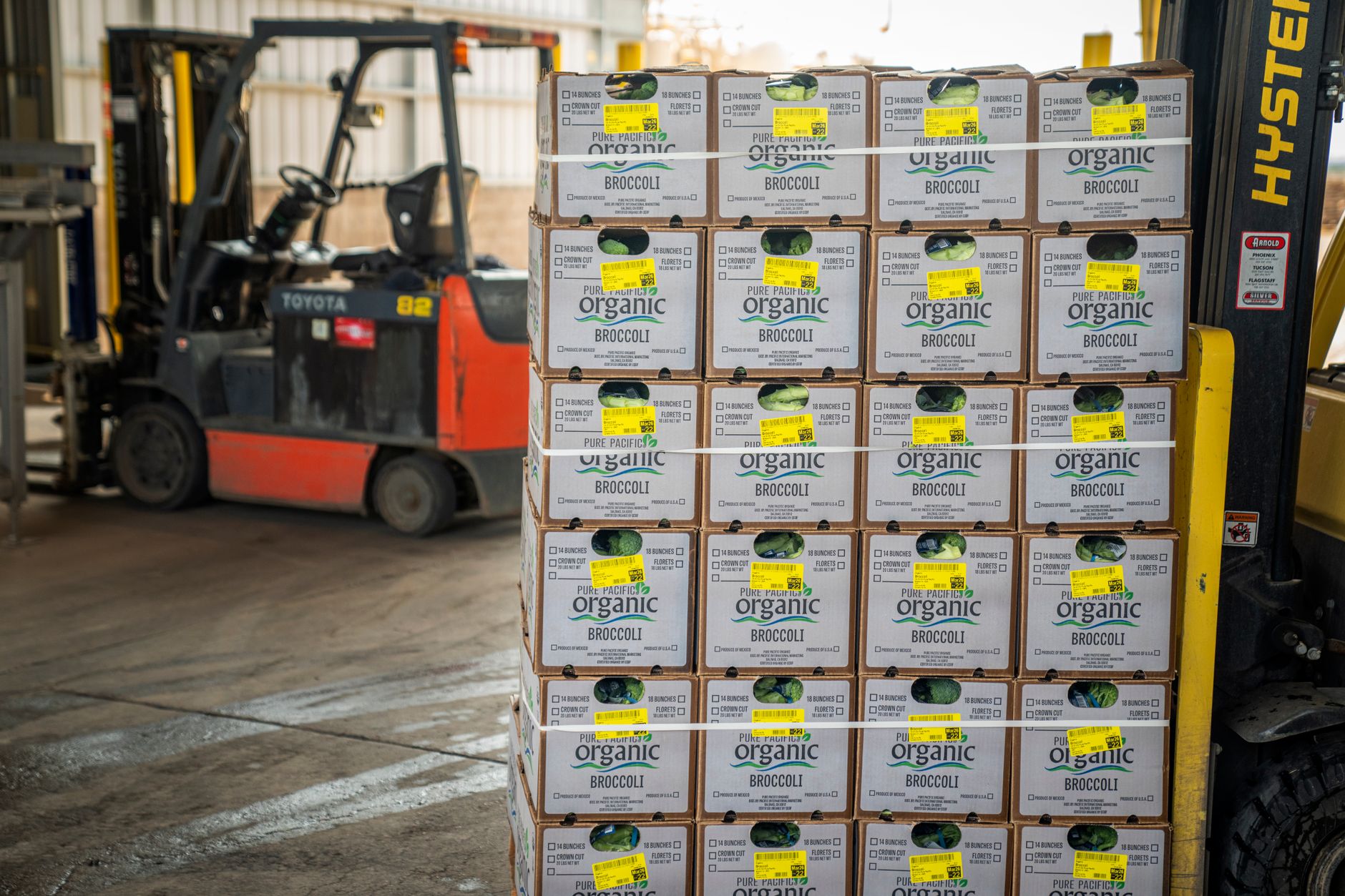
The short answer
Autonomous mobile robot cost for produce packinghouses depends on how far bins and pallets travel between wash, pack and cold rooms, how wet and cold the floors are, when washdowns and shifts fall, and how many units and what service plan the plant needs. Route length, floor condition, mapping, integration and service move the figure most, and the robot itself is only one line of the quote. We set the fixed robot lease payment in a written quote after a free site assessment, because each of these factors is measured on your floor.
Key takeaways
- Route length between wash, pack and cold rooms sets the number of mapped zones and the integration work.
- Wet and cold floors shape the hardware choice, the routes and the maintenance plan.
- Mapping, integration, training and service are separate lines in the quote, so compare them line by line.
- The lease payment is set after a free site assessment, once the floor, shifts and washdown schedule are measured.
- One unit on one route is a practical way to measure the hours it actually takes back.
What does autonomous mobile robot cost for produce packinghouses depend on?
The price to lease an autonomous mobile robot for a produce packinghouse depends on the job it is given, the floor it runs on and the service needed to keep it working through washdowns. The robot is one line in the quote. The rest of the figure comes from how far bins and pallets travel between the wash line, the pack room and the cold rooms, how many shifts and cleaning windows the robot has to fit around, and whether the plant needs one unit or several.
This page does not give a number. A lease payment is set in a written quote after a free site assessment, because the factors that move it are measured on your floor. The sections below explain each factor and why it matters in a plant that is cold, wet and cleaned on a schedule.
Why are produce packinghouses hard on floors, hardware and people?
Packinghouses are wet by design. Washdowns put water across the floor on a schedule, and cold rooms add condensation. The University of Vermont Extension floors fact sheet, dated 2018, states that standing water in wash and pack areas is both a personnel hazard and a produce safety risk, and that keeping a cooler floor wet can encourage Listeria growth. A robot route therefore cannot run through puddles, and the floor has to be dry enough for the drive system and the sanitation plan at the same time.
Injury data points the same way, though the categories are close to produce packing without being the same thing. The California Department of Industrial Relations 2024 table lists an incidence rate of 3.7, with 1.0 thousand cases, for NAICS 3114, which covers fruit and vegetable preserving and specialty food manufacturing. The same table lists 3.1 for fruit and vegetable canning and 6.8 for frozen fruit, juice and vegetable manufacturing. These are state figures, not national ones.
An aggregator profile of Census-based data, mewayz, lists 1,963 establishments under NAICS 3114. That count covers food manufacturing in that category, not produce packinghouses specifically, and the profile does not state the year. For a national comparison, Food Safety News, citing food manufacturing overall for 2023, gives a rate of 3.6, set beside poultry's 2.6.
OSHA's poultry processing eTool makes a related point about cold work areas. It notes that ice can form on work surfaces in cold areas, and that slipping while carrying a load can cause injury or strain. Anyone carrying bins through a cold room faces that exposure, which is why transport routes deserve a site-level review.
Which factors move the cost up or down at a packinghouse?
The biggest single lever is route length and count. A robot that moves bins from the wash line to the pack room, then pallets to a cold room, runs longer routes and needs more mapped zones than one that feeds a single line. Each door, lift or cold room threshold adds mapping and integration checks, and any route that crosses a wet zone needs either a unit specified for wet, cold conditions or a schedule that keeps it out during cleaning.
Floor condition matters as much as floor area. A smooth, sealed, level floor lets a robot hold steady speed over a long route, while worn surfaces, drain covers, ramps and condensation pools slow it down and add sensor tuning and maintenance. Floor area varies widely between packinghouses, so it is measured in the site survey and not assumed from a typical plant.
Shifts and washdown windows set the schedule. A robot that works while the plant is sanitized, or during a shift when the aisle is quiet, needs less staff time in the transport lane. A plant running two or three shifts, with cleaning between them, needs a charging and dispatch plan that fits both. The number of units then decides how much of the work continues when one unit is down.
Integration with plant systems is the last major lever. Linking the robot to a line signal, a bin call system or a warehouse management system takes engineering time that a standalone route does not need. Unit count changes the picture too: one unit on one route is a pilot, while several units sharing one dispatch cover more transport work for the same setup effort.
How many labor hours does the robot take over?
Packinghouse transport is repetitive. Bins and pallets move between the wash line, pack room and cold rooms on a loop that follows the pace of the line, and staff spend much of their shift walking carts back and forth. We did not verify a published hour figure for transport or washdown work in packinghouses, so the table below describes the sequence of work and who is on the clock. Your own timesheets and line schedule give the real hours to compare against.
Labor supply makes those hours matter more. Produce Processing reports, in its November and December 2025 issue, that labor shortages affect sanitation and packaging consistency at fresh produce operations, and it cites automation and clean-in-place capable systems as one response. We did not verify staffing levels or turnover for transport roles in this setting, so the plant should use its own hiring and retention record.
Adoption is growing across food. IFR's preliminary figures show US food-industry robot installations rose about 30% in 2025, to roughly 2,900 to 3,000 units, and sources differ slightly on the exact count. IFR also reports that US industrial robot installations rose 11% to about 38,000 units in 2025. Those counts cover industrial robots broadly and do not isolate mobile robots used for transport in packing.
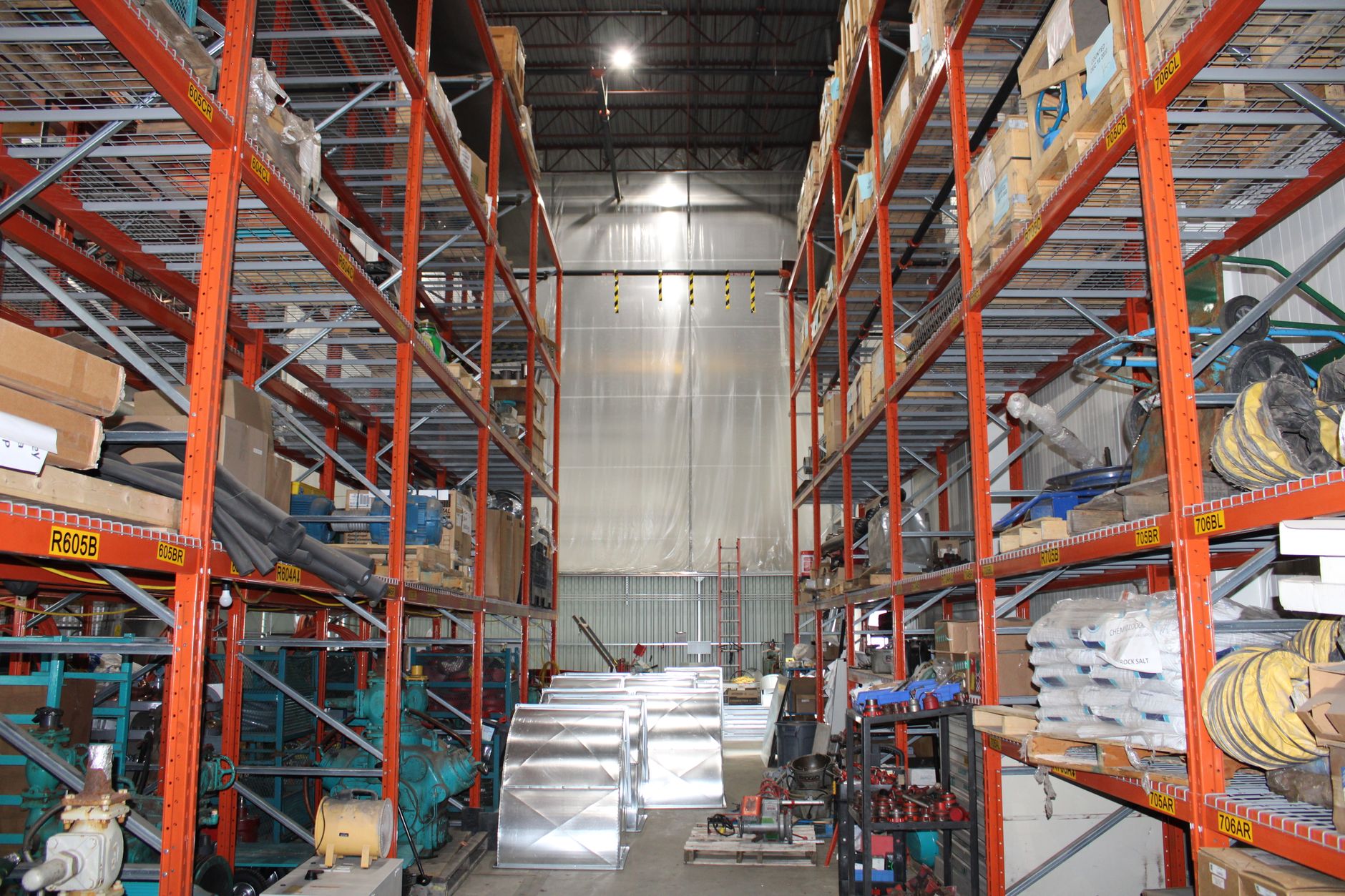
How does leasing through financing work, and what does the quote include?
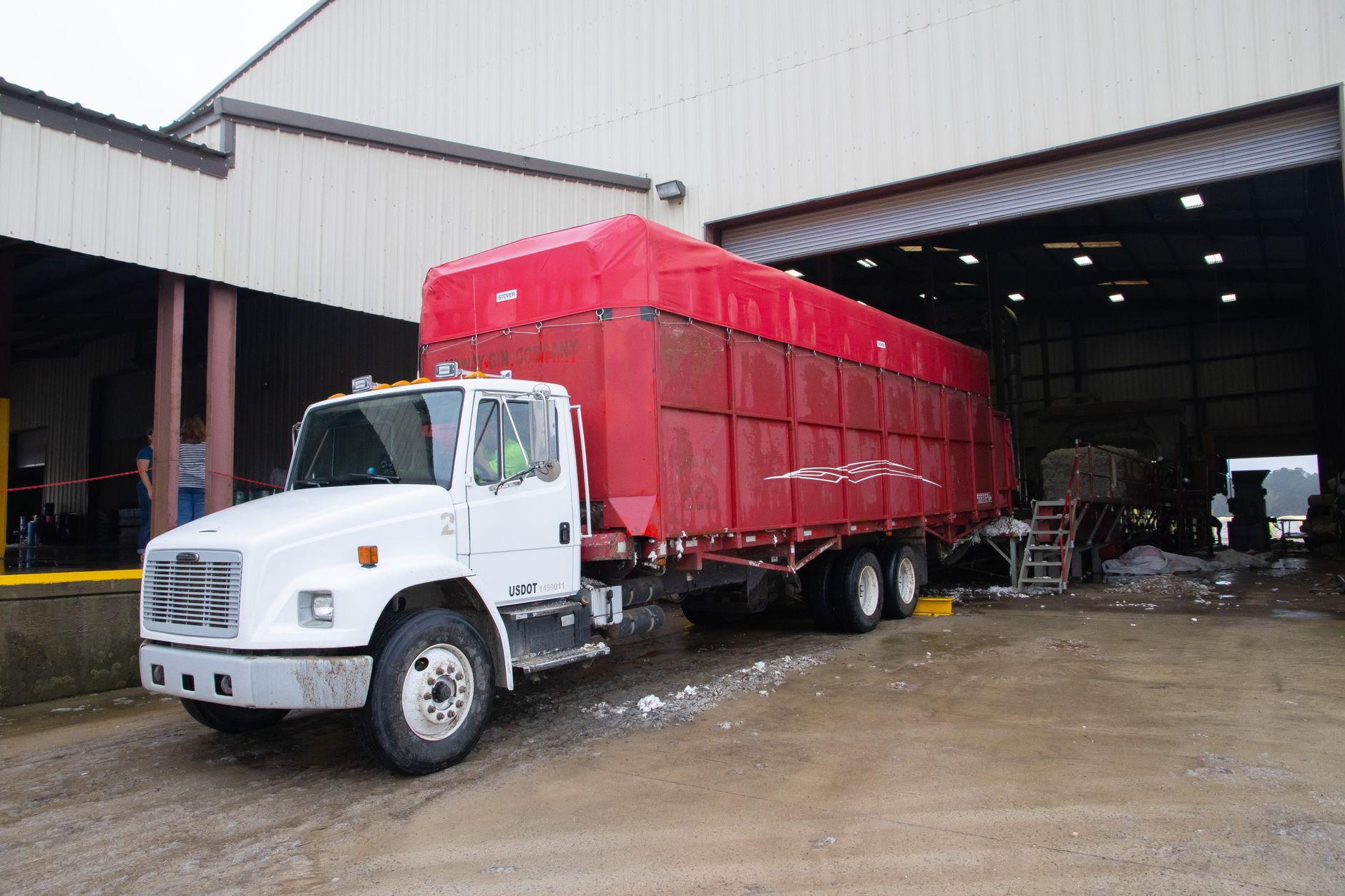
We lease the robot through financing, so the plant does not pay for the hardware up front. The lease sets a fixed robot lease payment over a term written into the quote. That keeps the cost predictable for the term, and it leaves capital free for the parts of the project that only the plant can do, such as line changes and staff time.
The quote is written after a free site assessment. It lists the lease and its term, the number of units, the mapping and integration of the route, deployment and go-live support, training for the staff who work with the robot, and nationwide service on the units we lease to you. Ask whether a spare unit is included, and read what is left out, such as insurance terms and any plant changes that sit outside the route.
Once the lease payment is fixed, the variable parts are the site, the number of units and the service plan. A plant that adds a cold room, moves a door or changes a line will need remapping, and that work should appear in the quote, not surface after go-live.
How do you get a robot lease quote for a packinghouse?
Getting a quote is a short sequence that starts with a free site visit. We walk the wash, pack and cold rooms, measure the routes and floor condition, and note the washdown and shift schedule. Those measurements set the figure, which is why no quote is sent before the walk.
The steps below show the path from first call to service after go-live.
A quote for one route and a quote for a multi-room fleet differ mainly in mapping, integration and the service plan. Ask for each part on its own line when you compare offers, so the numbers can be lined up.
What can a packinghouse robot not do?
A transport robot does not clean, sort, pack or inspect produce, and it does not replace the sanitation crew. It moves loads along mapped routes and works within the conditions it was set for. A plant that expects it to handle product at the pack line, or to run through standing water, will be disappointed, and the site assessment should say so early.
It also cannot fix a layout problem. Blocked doors, a cold room with no clear threshold, or a floor that holds water after washdown are site issues, and they limit the robot whether or not it is leased. The walk finds these before a lease is signed, so the plant can fix them first or plan around them.
- Handle produce or product on the pack line
- Replace the sanitation crew
- Run through standing water or unmapped areas
- Work past a blocked door or cold room threshold
How do I get a quote after a free site assessment?
Send the basic facts of the plant: how many wash, pack and cold rooms there are, the rough route between them, the shifts and washdown windows, and whether a line or warehouse system the robot should connect to. We use those to decide whether a site assessment is worth scheduling, and we confirm the details on the walk.
The assessment is free, and the quote follows it. Nothing is ordered before you see the written lease payment, the term, the included mapping, integration, training and service, and the items that are not included. Compare offers on the same list, not on the headline payment.
If the route is short or the floor is hard to map, the assessment will say so. A single unit on one route is a reasonable start, because it lets the plant measure the hours it actually takes back before it commits to more units.
Frequently asked questions
Want a warehouse robot at your produce packinghouse?
Tell us about your site. We will recommend the robot, quote the lease, and keep it serviced.
Sources
- California Department of Industrial Relations, 2024 injury table
- mewayz industry profile, NAICS 3114 (aggregator)
- Food Safety News, poultry injuries vs food manufacturing
- IFR press release, US robot industry double-digit growth
- University of Vermont Extension, floors fact sheet
- OSHA poultry processing eTool, warehousing
- Produce Processing, Nov/Dec 2025