
The short answer
Autonomous mobile robot cost in Grand Rapids depends more on the building and the shift than on the machine itself: floor area, surface condition, hours of operation, foot traffic, mapping, integration with doors and lifts, the number of units, and the service plan behind them. Because those factors vary from one site to the next, a lease quote follows a free site assessment rather than a published figure.
Key takeaways
- The machine is only one part of the bill; the building, the shift and the service plan set the rest.
- Floor area, traffic and route mapping move the scope more than the metro name does.
- Local labor data shows the hiring pressure a robot can offset, but it does not set the quote.
- Mapping, integration, training and spare coverage are the costs most often left out of comparisons.
- A free site assessment produces the lease quote, including the deployment and service terms.
What does autonomous mobile robot cost in Grand Rapids depend on?
There is no single number for autonomous mobile robot cost in Grand Rapids, and any page that offers one is skipping the site. The cost follows the building: how much floor the robot must cover, how the routes run, how many hours it works each day, and how much of the work it can absorb without a person stepping in. Two plants in the same metro can need very distinct scopes.
According to the BLS May 2025 metro release, the Grand Rapids-Wyoming-Kentwood metropolitan area includes Barry, Ionia, Kent, Montcalm and Ottawa counties. That is a wide spread of sites, from urban warehouses to plants and distribution buildings in the outer counties, and the questions that shape each quote are the same everywhere: routes, shifts, traffic and systems to connect.
A lease quote covers more than the machine. It includes the unit, mapping of the routes, integration with the doors, lifts or warehouse system the robot must use, training for staff, and service over the lease term. Leaving any of these out is the most common reason two proposals look far apart when they are not.
Which site factors push autonomous mobile robot cost up or down?
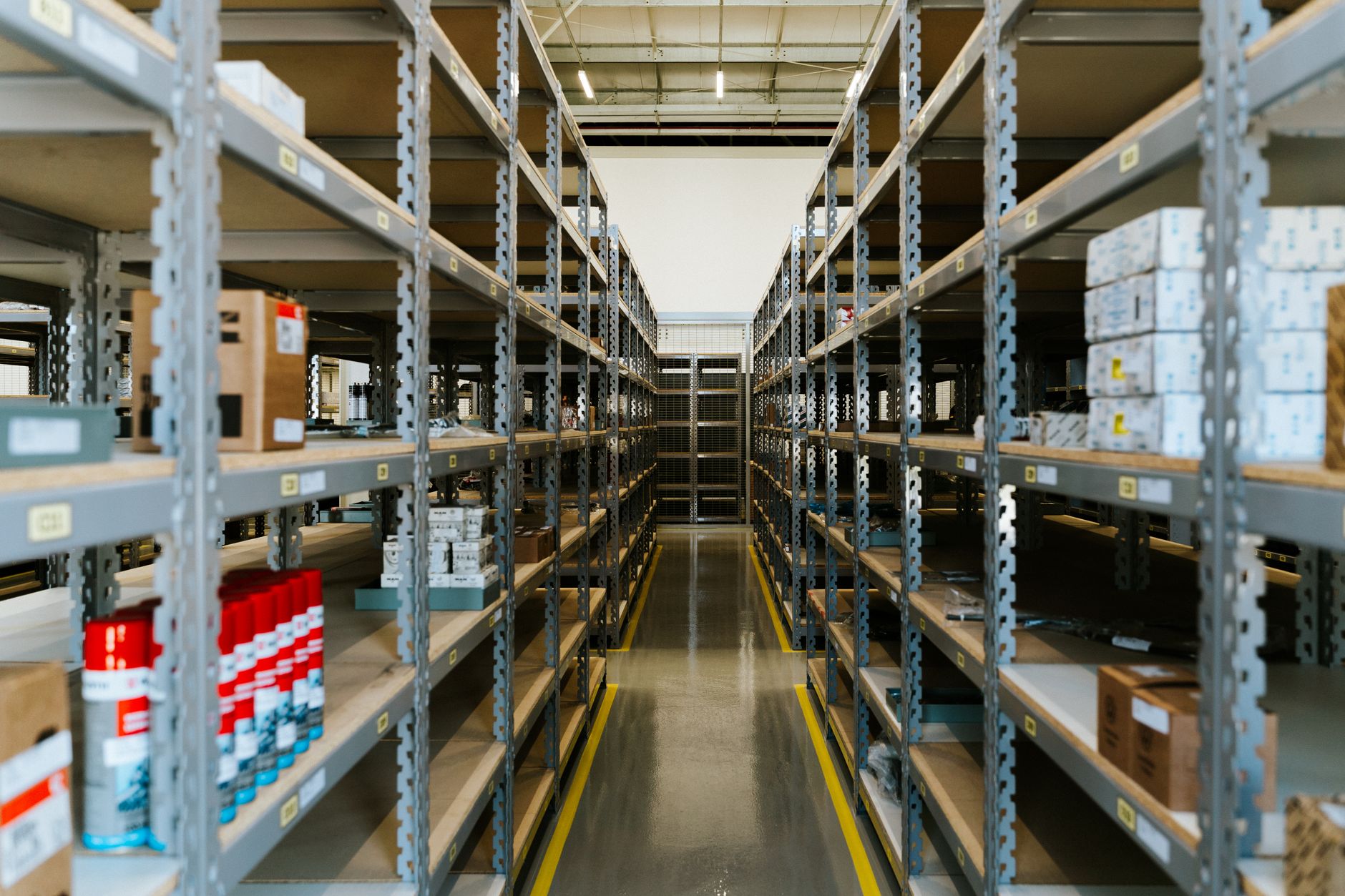
Floor area and route length come first. A robot that covers a few thousand square feet of mapped aisle is a smaller job than one serving several buildings or crossing a yard, because mapping, testing and maintenance scale with the route. Building shape matters as well. Long straight aisles map easily, while a floor broken up by columns, mezzanines and tight turns needs more mapping time and more testing before go-live.
Shift length is the second lever. A robot that runs one daytime window needs less charging planning and less spare coverage than one that works a full overnight shift plus a morning run. Every added hour of operation adds wear on the unit and more demand on the staff who check it at the start and end of each run.
Surfaces and traffic decide how much the robot can do without help. Sealed concrete in good condition suits most units. Worn floors, thresholds, drains, wet zones and loading docks with ramps and gaps add mapping and route work. Forklifts, carts and pedestrians sharing the same path add speed limits and exception handling, which can change how many units the site needs.
Integration and unit count round out the picture. A robot that must open doors, call a lift or take jobs from a warehouse system needs more setup than one running a fixed loop. Starting with one unit on a single route costs less to launch, while several units with a spare add coverage and spread the setup work across more hours of use.
How much local labor does the robot compete with in Grand Rapids?
The metro is large enough to appear in federal wage data. According to the BLS May 2025 metro release, the Grand Rapids area reported a mean hourly wage below the national mean for the same period. That gap shapes what a staffed shift costs, although the lease quote itself is built from the site's own hours rather than from wage tables.
According to a local jobs ranking published in June 2025, the metro had about 10,180 janitors and cleaners, excluding maids and housekeeping cleaners. That ranking appears to use May 2024 data, so treat the count as a rough picture until it is checked against BLS tables.
Warehouse hiring is visible too. A job board listing for Grand Rapids showed 111 open warehouse jobs, including warehouse associate, material handler and shipping and receiving clerk roles. Listing counts are undated and change daily, so read them as a snapshot of demand rather than a labor forecast.
Turnover is where the staffing case gets harder to measure. Trade commentary puts turnover in commercial cleaning and warehouse work well above what most managers expect, but those estimates range widely, and we have not found an official BLS turnover figure for these occupations, so this page does not rely on one. A press release on janitorial wages that cites BLS projections puts national openings for these occupations at about 321,800 a year through 2035, with employment growth of about 2 percent, and most of those openings come from people leaving rather than from new positions. The BLS Occupational Outlook Handbook for building and grounds cleaning is the place to confirm openings before a board paper. Each replacement cycle takes time to fill and train.
How many hours does an autonomous mobile robot take off a shift?
Hours are the number most quotes depend on, and the one most often guessed. The hour figures for a specific building depend on its routes, shift windows and tasks, so this page does not publish a verified hour count for any task in the metro. The site assessment records the hours your staff spend on each task, and the quote is tested against those logs.
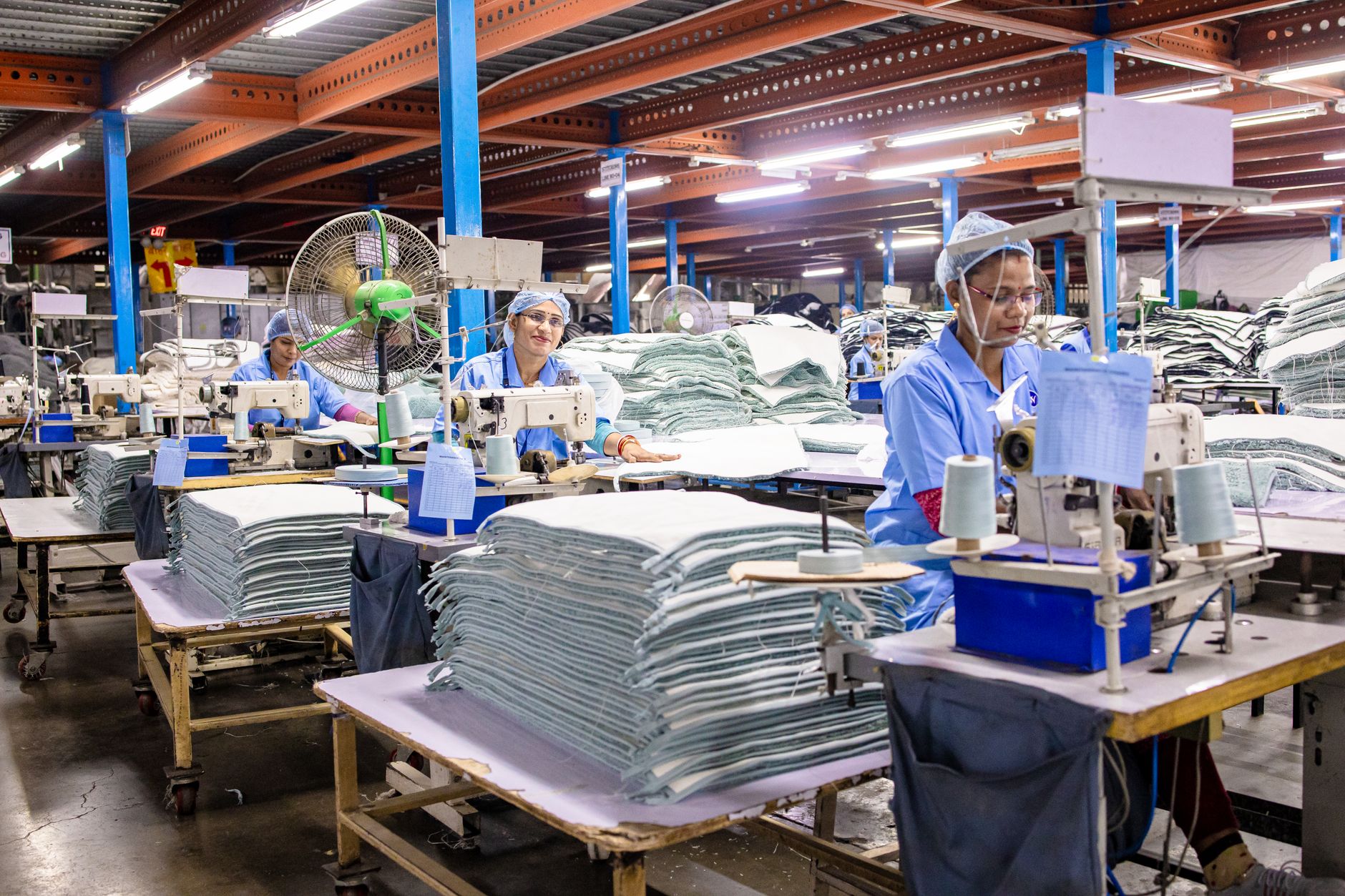
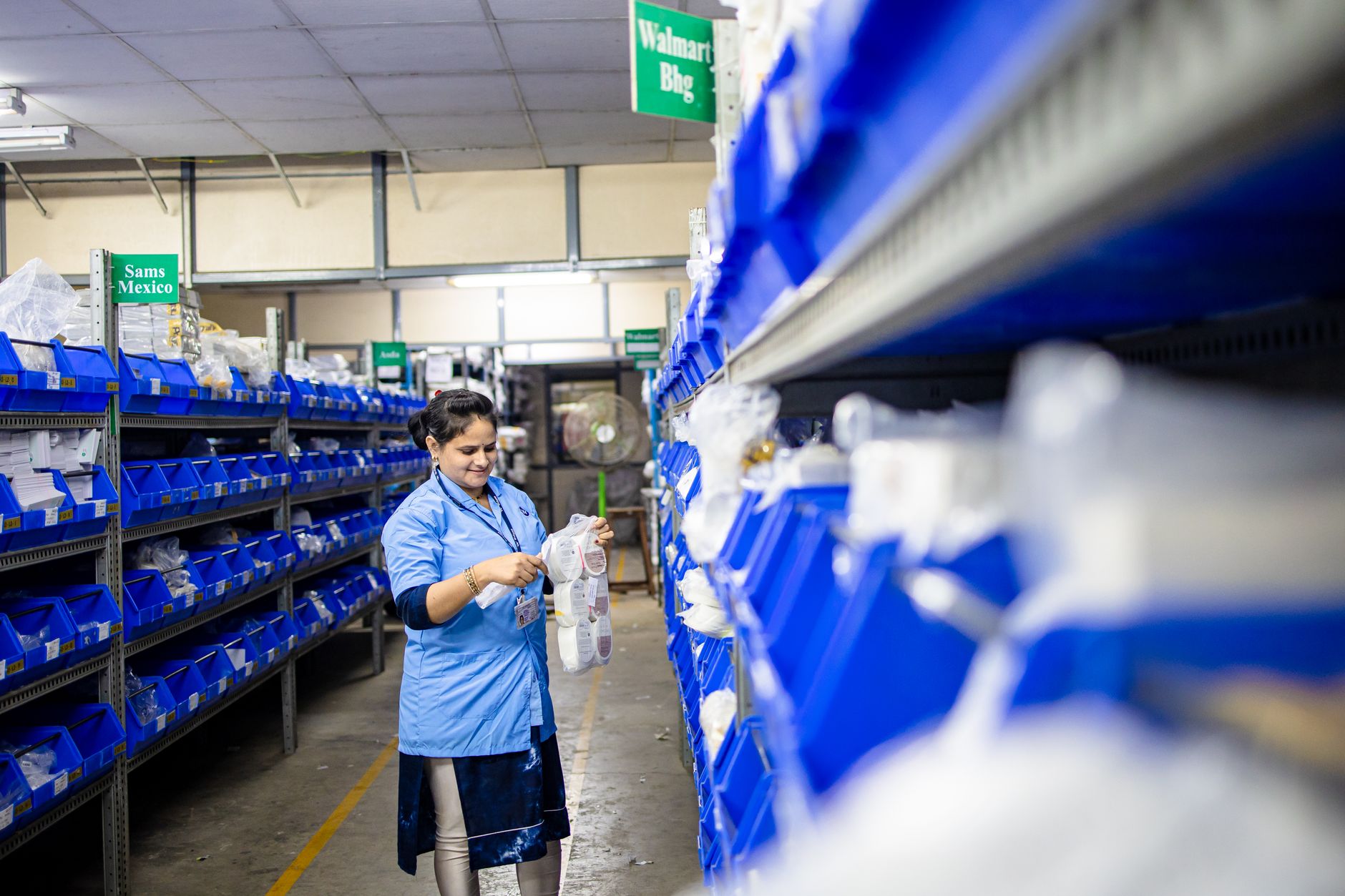
Repetitive tasks move most easily. Pallet and cart runs on fixed routes, aisle scrubbing on a set schedule and bin moves between stations all follow a pattern a robot can repeat. Work that needs judgment, such as a damaged load, a blocked aisle or an unusual spill, stays with staff. The table below shows how that split usually looks, task by task.
National injury data explains why repetitive transport draws attention. A vendor summary of BLS data reports that warehousing and storage recorded 4.8 cases per 100 full-time workers in 2024, against 2.6 across all industries. Another summary cites a different all-industry baseline, so confirm the figure before it goes into a board paper.
Is leasing a robot worth it compared with staffing the same work?
The comparison is between covered hours and open hours, not between a machine and a single wage. A fixed robot lease payment over a set term makes the cost a known line in the budget, which is simpler to plan than a staffing gap that opens each time someone leaves. Adoption is also growing: according to trade press citing the International Federation of Robotics, US factories installed 38,400 industrial robots in 2025, up 12 percent.
Payback depends on how many hours the robot takes over, how many of those hours are hard to fill, and how many people the remaining work still needs. A site running a steady overnight cleaning window with open shifts will see the case differently from one with a fully staffed day team and a light load. The quote runs the numbers on the site's own hours rather than an industry average.
Leasing through financing also changes the risk. You are agreeing to a term, a service scope and a deployment plan, not betting on a unit you will own for its whole life. Read the term length, what happens at the end of it, and how a failed unit gets replaced, because those points decide whether the lease keeps fitting the site over time.
How does a robot lease through us work, and what does the quote include?
We lease the robot through financing, then deploy, integrate and service it. The lease quote follows a free site assessment and is built from the building's floor plan, shift schedule and traffic patterns.
The quote lists the fixed lease payment, the lease term, the deployment and integration scope, training for staff, and the service plan. Service includes on-site dispatch, remote triage when a unit can be diagnosed without a visit, and spare coverage when a unit is down. A robot lease with service included is easier to compare than two machines with unrelated support packages.
We service robots nationwide, so a site in the metro and a sister site elsewhere can run the same platform under one support relationship. Ask the quote to state response times for your site, not a general promise.
What can an autonomous mobile robot not do?
An autonomous mobile robot runs mapped routes. It does not climb stairs, step over obstacles, or find its own way across a floor it has not been mapped for. It is not a general worker, and it stops when a route is blocked, so the staffing plan has to cover those stops.
Weather and surface matter. In a Michigan winter, salt, slush and standing water at loading docks and entry doors can reduce traction, interfere with sensors or keep a route closed until the area is cleared. Build those days into the schedule and expect staff to handle the exception area.
It cannot make judgment calls about unusual loads, damage or hazards. Those remain with people. Nor should it replace safety rules. Exclusion zones, marked routes and trained staff are still needed around any moving equipment.
How do I get a quote for autonomous mobile robot cost in Grand Rapids?
Start with a free site assessment. Bring a floor plan, the routes you want covered, your shift windows, and a rough count of doors, lifts and foot traffic along each route. If the robot must connect to a warehouse system or building management system, bring the name of that system and the person who manages it.
We walk the site, record the hours your team spends on each task, map the first routes, and then return a written quote. The quote states the lease terms, the deployment and integration scope, training and service, so you can compare it with other proposals line by line rather than on a headline figure.
If the first step should be small, ask about starting with one leased unit on a single route. A pilot route shows the real hours and exceptions before the fleet grows, and it gives your team a working reference when the next site is quoted.
Frequently asked questions
Put a robot to work in Grand Rapids.
We walk your site, learn the job, and recommend the unit that fits. Then we quote the lease, deploy it, and keep it serviced.
Sources
- BLS, Grand Rapids-Wyoming-Kentwood metro wage release, May 2025
- Local jobs ranking, Grand Rapids janitors and cleaners, June 2025 (secondary)
- Job board listings, Grand Rapids warehouse jobs (undated)
- Press release on janitorial wages citing BLS projections
- BLS Occupational Outlook Handbook, building and grounds cleaning
- Vendor summary of BLS warehouse safety data (vendor-reported)
- Trade press report on IFR World Robotics 2025
- Trade press report on US industrial robot installations, citing IFR