
The short answer
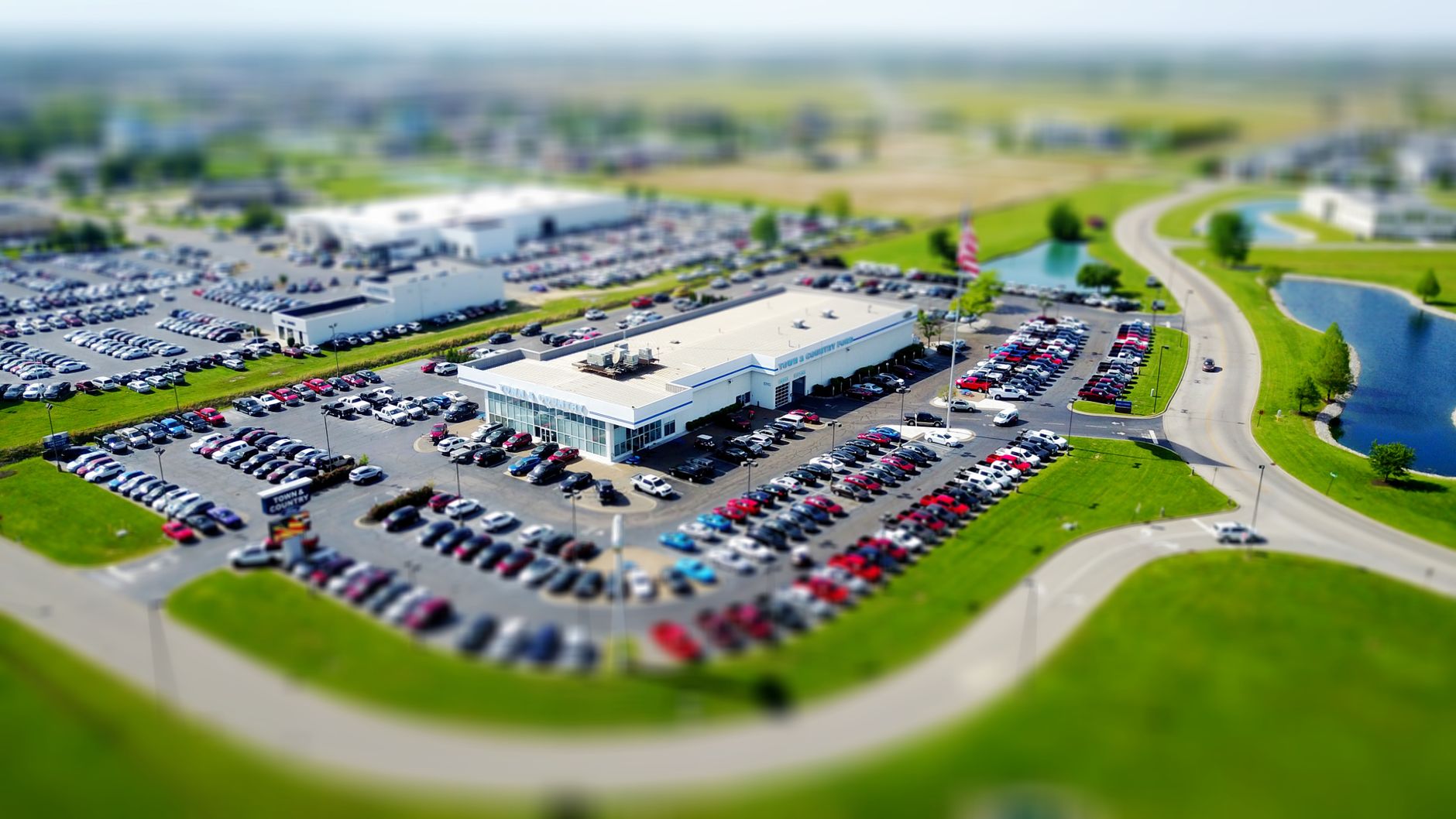
Cleaning robot cost for auto dealership showrooms depends on how much polished floor the robot must cover, how long the site allows it to run after closing, how hard the layout is to map, and what service and integration the lease includes. Showroom floors are large, open and often polished, so route length and run window matter more than any single feature. The lease payment is set in a quote after a free site assessment, so the figure reflects your building rather than an average.
Key takeaways
- Floor area, finish and the after-hours run window set most of the lease quote.
- Polished showroom floors need pH-neutral cleaning and a steady dust routine.
- Hours your crew logs today are the baseline to compare against the quote.
- Mapping, integration, training and service are the costs to confirm in writing.
- A free site assessment turns the cost drivers into a fixed lease payment.
What does cleaning robot cost for auto dealership showrooms depend on?
The cleaning robot cost for auto dealership showrooms is not a list price. It is a lease payment built from the work the robot must do at your site, and two buildings of similar size can produce very different quotes. The main inputs are the area to be scrubbed, the surface and its traffic, the hours the robot can run without people present, the time needed to map and integrate the route, and the number of units and service terms needed to keep the floor covered.
Dealerships are a specific case. Customer traffic lands on the same polished floor all day, so the job is less about one big sweep and more about keeping the showroom presentable at open. That makes the after-hours window and the service response time as important as the machine itself. According to NADA Data, there were 16,990 franchised light-vehicle dealers in the US in its 2025 full-year figure, so this is a large and established retail type, and many of those sites face the same floor-care question.
Which factors move the lease quote at a showroom?
Floor area is the first driver, and it works in both directions. A larger covered area means a longer route, more battery cycles and possibly a second unit, which raises the quote. A tight floor plan with few obstacles can be covered by one unit in a single closed window, which keeps the quote lower.
Surface and traffic come next. A polished finish needs gentler cleaning chemistry and regular dust control, and heavy entry traffic brings grit in faster, so the schedule and the scrub pattern change. The run window is the third lever. A robot that runs only in a two-hour closed window needs a different setup from one that can run on a longer overnight schedule.
Mapping, integration and unit count close the list. Mapping happens during the site assessment and depends on how much the layout changes, such as moving display islands or adding service lanes. Integration covers how the robot fits into your opening and closing routine. Unit count and service terms decide how quickly a failed unit is replaced, so they affect the quote as well as the day-to-day result.
Why do polished showroom floors change the job?
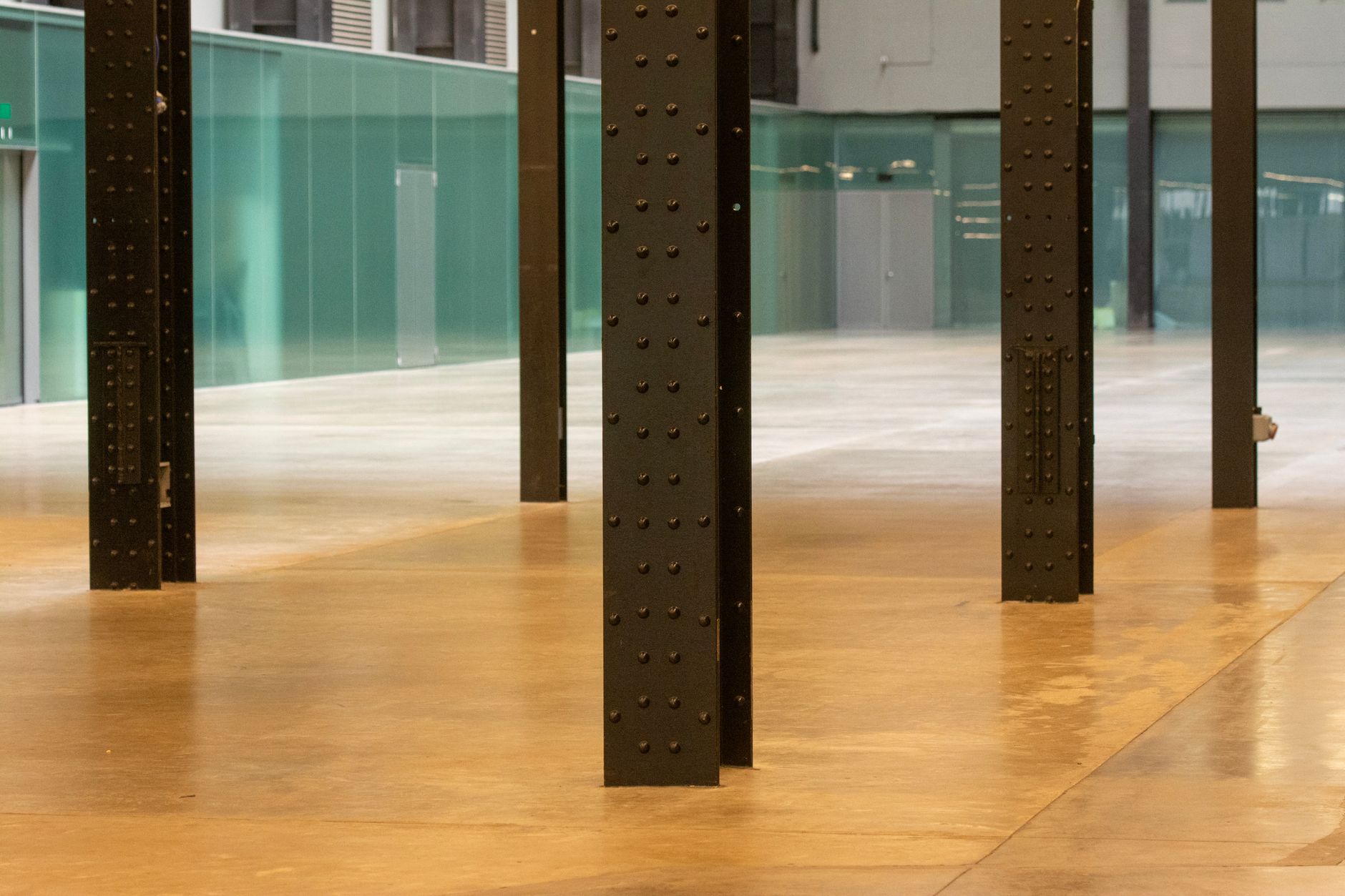
Polished concrete and similar finishes look clean only when they are maintained as a system. Dust control is daily work, cleaning products need to be pH-neutral because acidic cleaners etch the polish and alkaline cleaners strip it, and the finish needs periodic burnishing or re-polishing. A robot scrubber has to be set up to match that chemistry, not run on a generic setting.
Entry matting is worth planning for. It cuts the grit that reaches the showroom floor, and the mats need cleaning daily. Frequency rises with foot traffic, so a showroom with heavy weekend customer flow needs a shorter gap between cleanings than a quiet service drive. The site assessment records traffic patterns so the schedule is set from what the floor actually receives.
Polished floors are not maintenance-free. A robot reduces the number of manual passes, but it does not remove the need for periodic professional re-polishing, and staff should still spot clean spills and marks by hand. Plan for that in the operating budget rather than treating it as a surprise.
How many hours does a showroom floor take to clean?
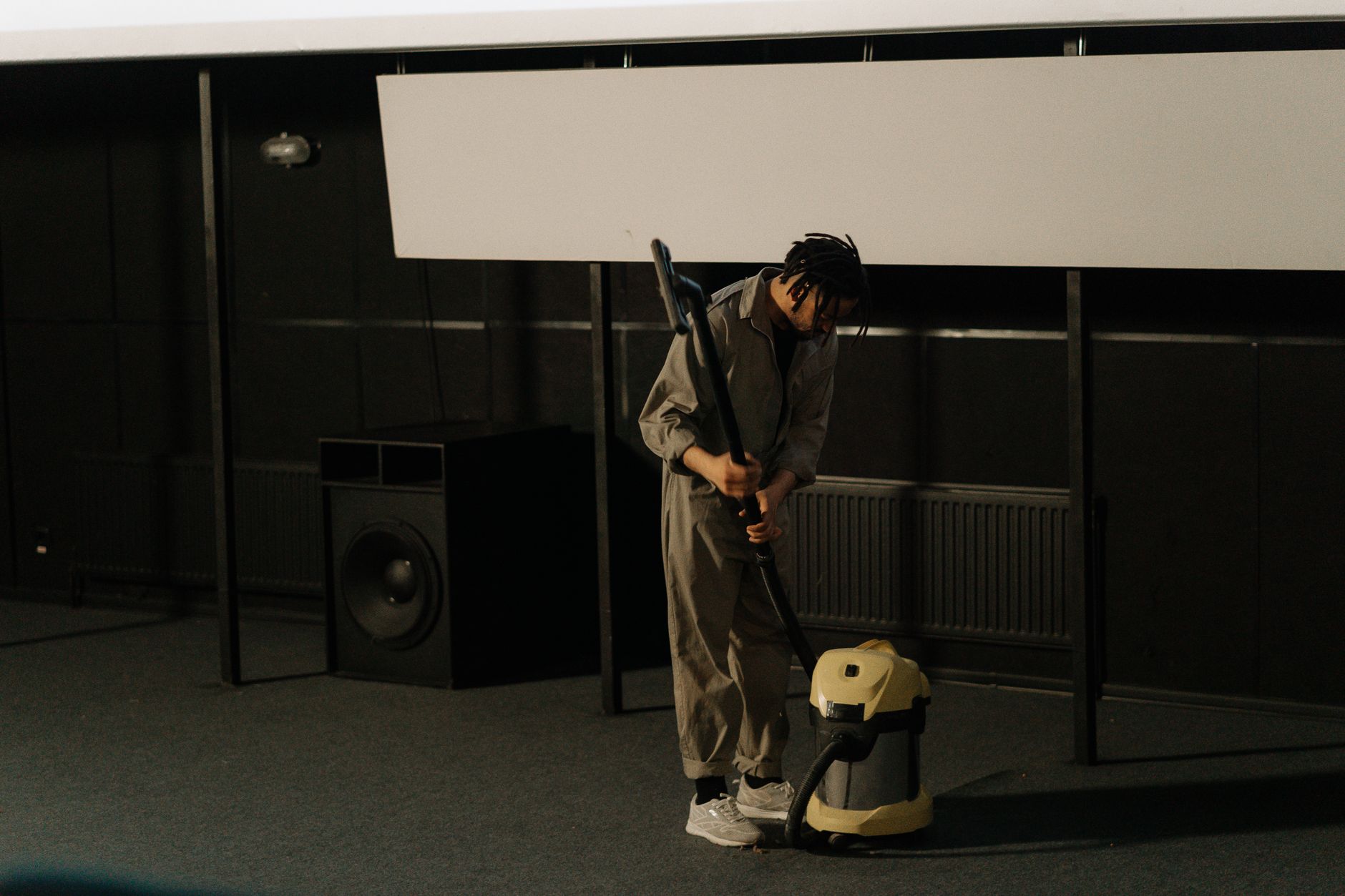
No verified figure for dealership showroom cleaning hours was found, so this page does not state one. The honest baseline is your own log. Count the hours staff or a contract crew spend on floor care each week, split by task, and note which tasks happen during open hours, because those pull sales staff away from customers.
Vendor case studies from other retail floors report autonomous scrubbing time, but these are self-reported and not independently verified. One vendor case study of a Canadian floor-cleaning contractor reported more than 2.5 hours a day of autonomous cleaning on average, with nearly all runtime in autonomous mode. That shows what a robot can run, not what a dealership will save.
Labor is the cost that matters most. According to the Bureau of Labor Statistics Injuries and Illnesses snapshot, janitors and cleaners, except maids and housekeeping cleaners, had 21,100 nonfatal injury and illness cases involving days away from work in 2020. According to the Bureau of Labor Statistics The Economics Daily, the days-away rate for this group rose from 137.1 to 157.4 per 10,000 full-time equivalent workers between 2018 and 2019. Fewer manual scrubbing hours means less exposure to that work, although these figures do not measure risk from robots.
How big is the labor pool behind floor care at dealerships?
According to NADA Data, there were 16,990 franchised light-vehicle dealers in the US in its 2025 full-year figure, so the count is roughly flat. The most recent per-dealership headcount NADA published that we found is from its 2016 data, when dealerships averaged 69 workers, up from 66 in 2015. That figure is dated and should not be read as a current staffing level, but it shows how many people a store runs across sales, service and support.
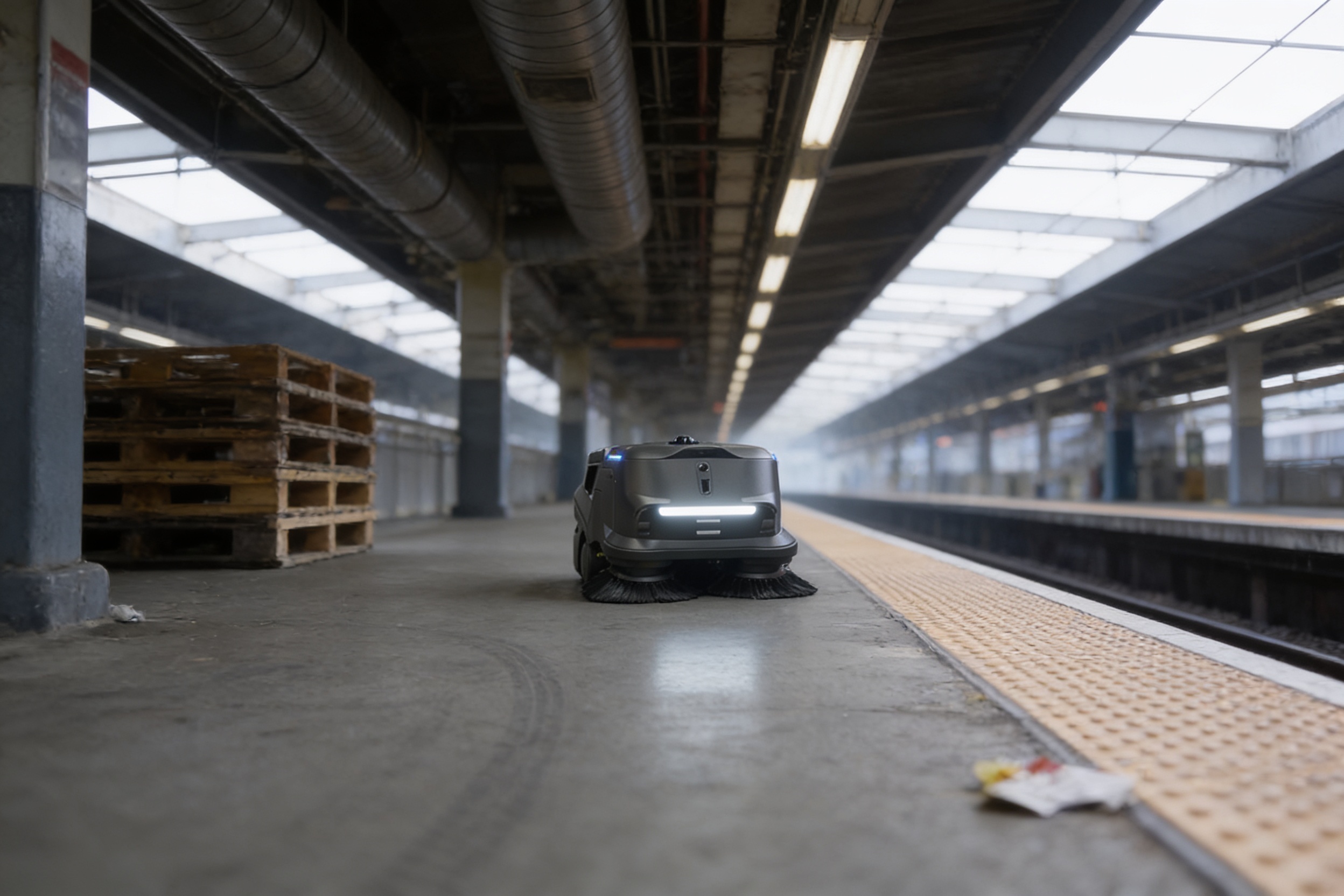
According to the Bureau of Labor Statistics Occupational Outlook Handbook, about 2,447,700 people held janitor and building cleaner jobs in 2024. The same source projects about 47,800 jobs added from 2024 to 2034, which is 2% growth and slower than average, and about 351,300 openings a year, mostly from replacement needs. Evening floor care therefore depends on a steady pool of hires, some of whom may not stay long. We did not find a BLS turnover rate for the occupation, so we do not state one.
How does leasing through financing work?
A lease through financing lets a business use the robot for a set term without paying the full equipment cost up front. The payment is fixed for the term, and the quote states the term length, what the payment covers and what happens at the end. Robots are only leased, and the payment arrives in a quote after a site assessment, so nothing is shown as a catalog price.
A lease of this kind suits a business that wants predictable operating costs and wants to move labor hours to other work. It also makes a pilot easier, because a site can start with one leased unit and add coverage after the logs show what the floor needs.
Read the quote as a whole. A low payment that excludes mapping, service or training is not the same as a higher payment that includes them. Ask which parts the lease covers and which are billed separately.
What can a cleaning robot not do in a showroom?
A cleaning robot does not replace spot cleaning. It will not remove a fresh spill of unknown material, it does not clean glass or vehicles, and it cannot handle restroom or detailed work. Staff still need to respond to marks and spills, and they need to keep the route clear of cords, display stands and loose items before a run.
It also cannot run where it has not been mapped. A rearranged showroom, new display islands or a changed service lane can disrupt the route until the map is updated. This is why the site assessment and integration matter, and why layout changes should be reported.
Finally, the robot does not fix a worn or damaged finish. If the polish is failing, the floor needs professional restoration, and the robot will only keep a sound floor clean.
How do you get a quote after a free site assessment?
Start with a free site assessment. We measure the floor, record the surface and the traffic pattern, map the route, confirm the run window with your staff, and note the layout changes you expect in the next year. That gives the quote the inputs it needs.
The quote then states the lease payment, the term, what is included and the deployment plan. It should also name who handles service and how quickly a unit is replaced if it fails. If your numbers do not match the quote, ask which driver changed.
To prepare, bring your existing cleaning log and a floor plan, and list the hours you most want the floor clear. The assessment is more useful when you know which tasks you most want the robot to take.
Frequently asked questions
Want a cleaning robot at your auto dealership showroom?
Tell us about your site. We will recommend the robot, quote the lease, and keep it serviced.