
The short answer
Cleaning robot cost for ice rinks depends mainly on how much dry floor sits outside the ice, how many cleaning windows the public session and event calendar leaves, and how many units that schedule needs. Resurfacing the ice is a separate machine job, and the research did not show that commercial floor scrubbers are rated for ice, so the robot work is the concourse, entry, lobby and locker room floors. Our lease quote follows a free site assessment that measures each of these inputs.
Key takeaways
- The ice itself is a resurfacing job, so the robot work is the dry floor around it.
- Floor area and the gaps between sessions matter more than the rink's total size.
- Recreation staffing is often part-time or seasonal, so shift coverage is uneven.
- Mapping, software, service, insurance and training are cost lines to check in any quote.
- The lease quote comes after a free site assessment, not from a list figure.
How much does a cleaning robot cost for ice rinks?
No single figure answers this, because the cost of a cleaning robot for ice rinks is built from the site. Two rinks with the same ice pad can carry very different dry floor loads, and the lease quote follows those loads. The inputs are the dry floor area, the number of gaps between sessions and events, the foot traffic on the route, and the number of units required.
The business context shows why operators differ. According to IBISWorld, the US ice rinks industry has 477 businesses, growing at a 1.7% compound annual rate between 2020 and 2025, and no company holds more than 5% share. Most operators are small or mid-sized, so staffing, floor layout and budgets vary from site to site.
The International Ice Hockey Federation count of 2,606 ice hockey rinks in the US for the 2022/23 season, about 500 of them outdoor, appears in the same IBISWorld profile. Outdoor rinks add weather to the floor problem, so their cleaning plan changes with the season.
What drives the cleaning robot cost for ice rinks at your facility?
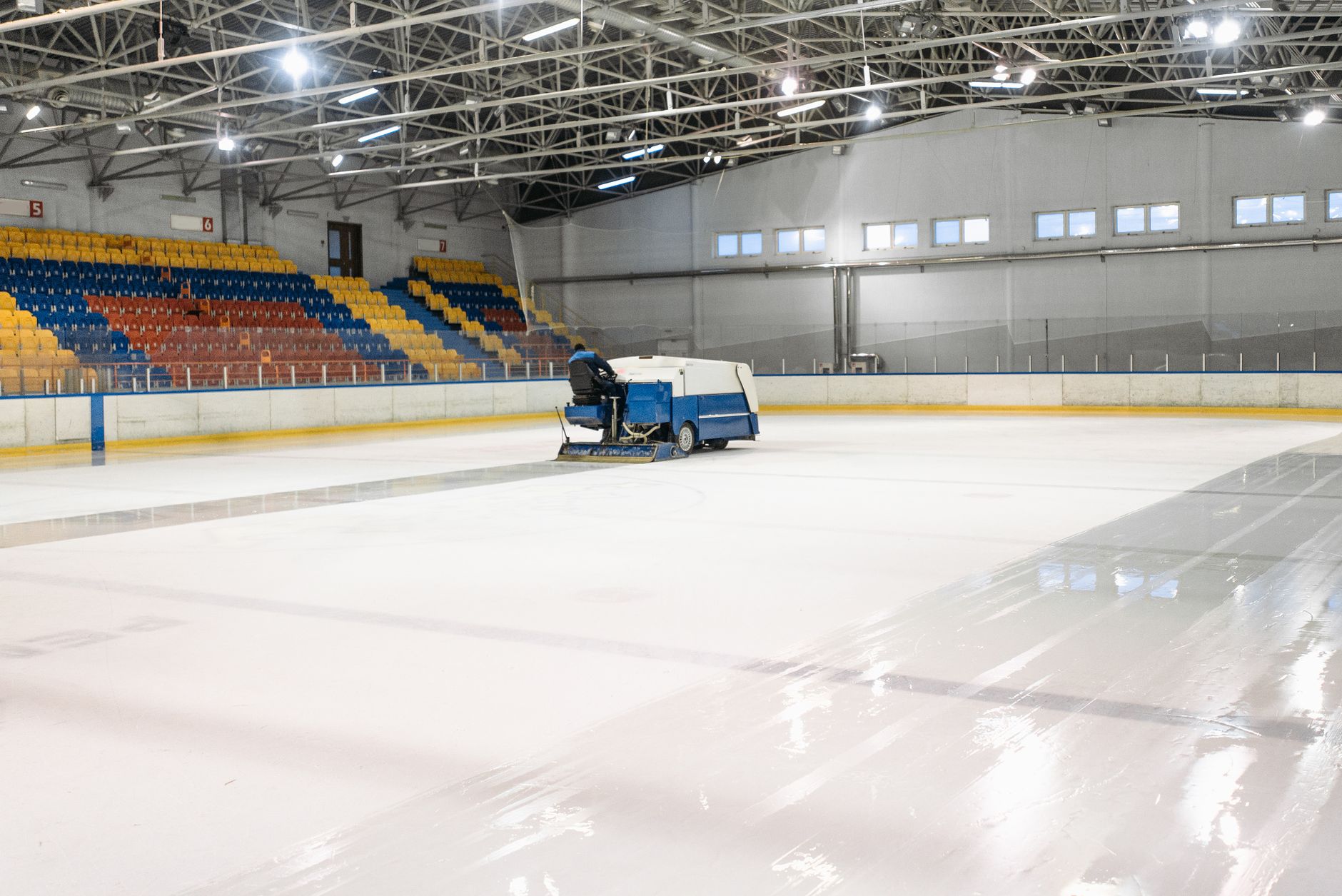
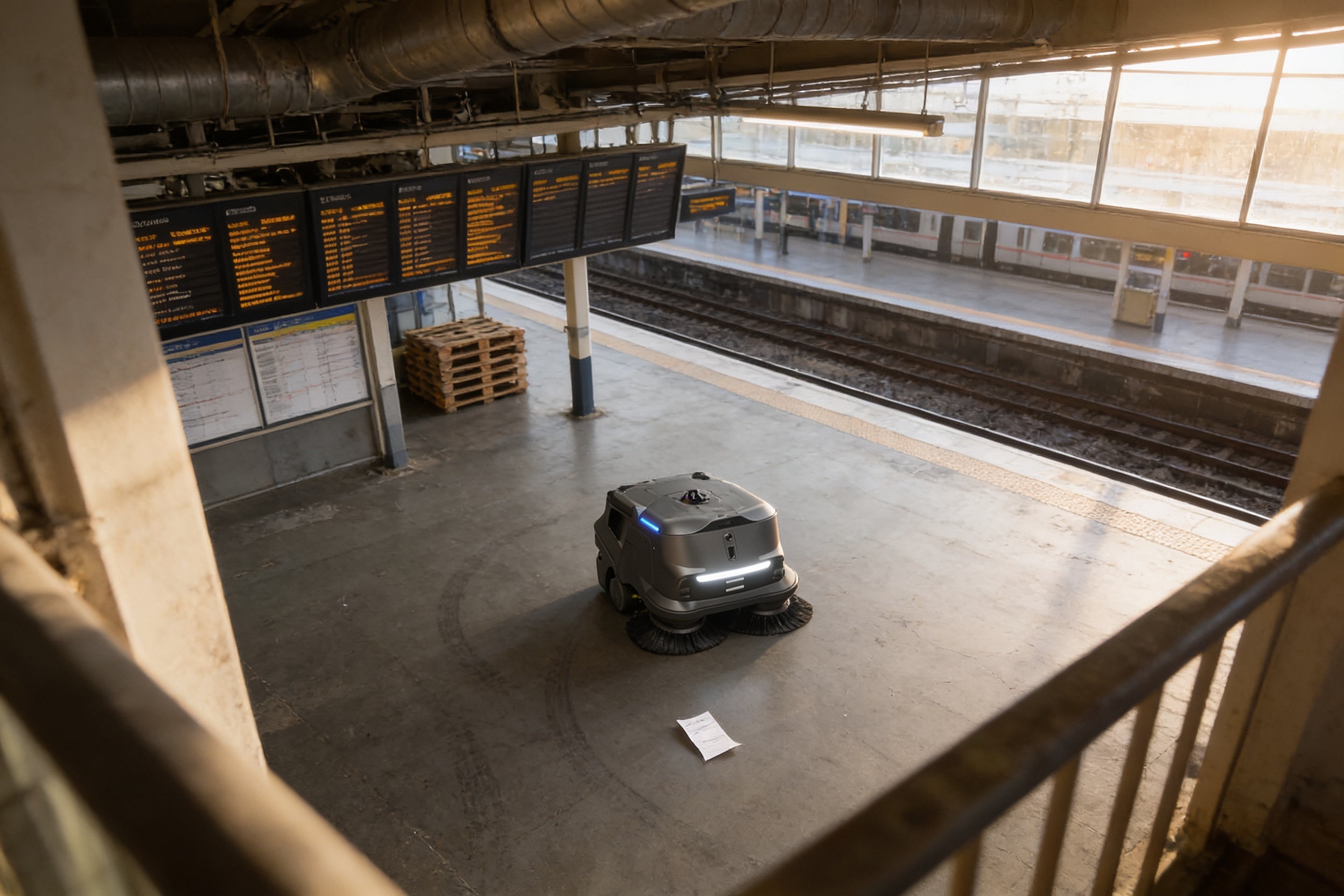
Most of the cost sits in the dry floor, not the ice. The ice is resurfaced on its own schedule by a machine, so the robot route covers the concourse, entries, lobby, locker room and skate aid floors. A longer route, more floors or more entry points raises both the coverage and the number of units.
Timing matters as much as area. A rink with a packed public session calendar and weekend tournaments has short windows and heavy traffic, so the route has to stop and start around people. A rink with long gaps can run one unit across the day, so the same floor area can cost less to cover.
The table below shows the drivers we weigh in a site assessment and the direction each one moves a quote. Weight is our judgment of how much each driver moves the quote, from 1 (minor) to 3 (major).
Why do ice rinks need floor cleaning between sessions and events?
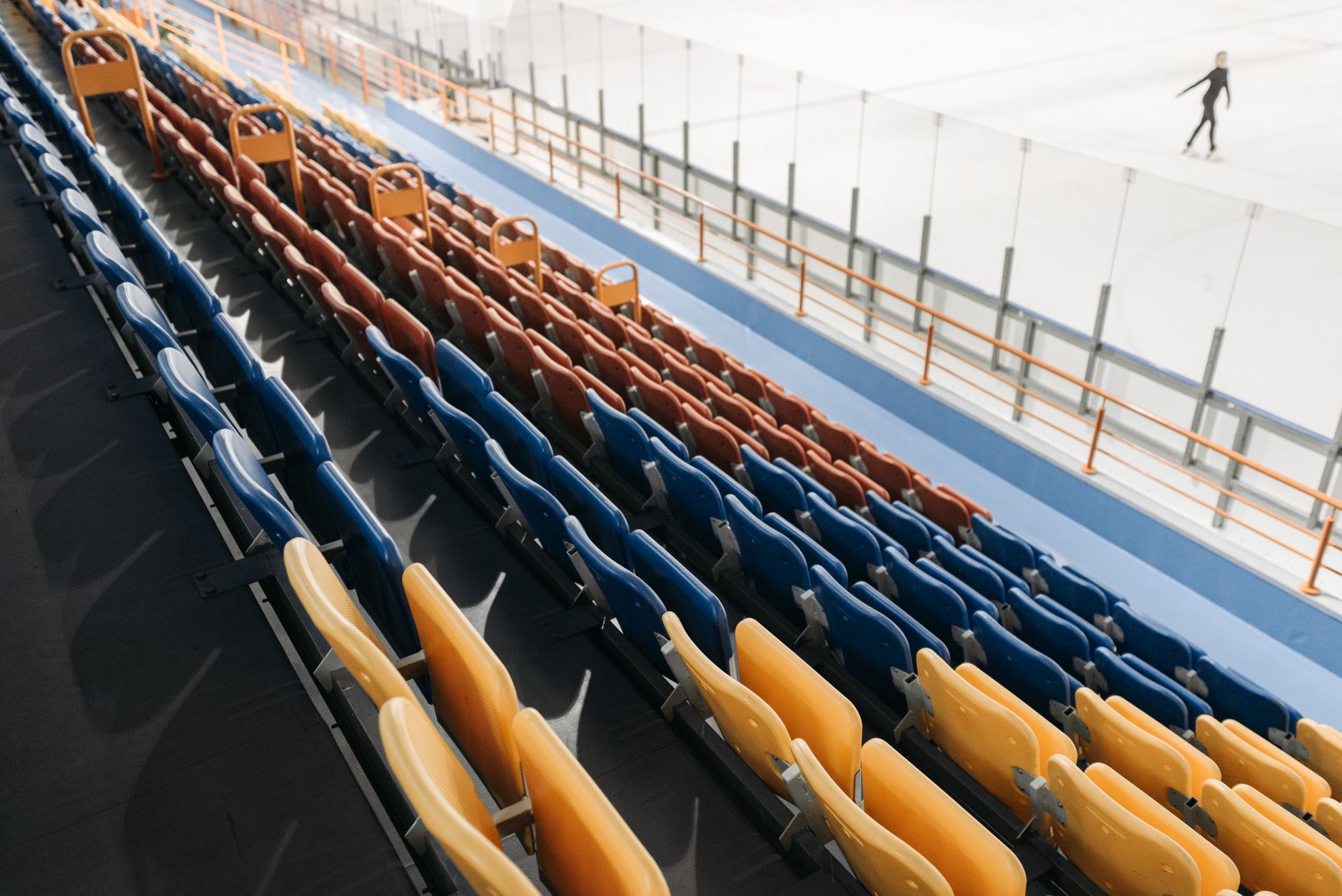
Ice rinks carry moisture and grit onto the dry floor around the ice. Skaters, boots and shaved ice travel to the lobby, entries and locker rooms, and the floor can turn slippery before the next group arrives. The cleaning has to fit into the gaps between sessions, and those gaps are the scarce resource.
Resurfacing sets the rhythm of the day. A secondary guide, not an audited source, puts busy rinks at resurfacing about every one to two hours between sessions or games, with a typical resurfacing taking about 10 to 15 minutes including driving on and off the ice. A Yale University profile of its rink crews reports about 8 minutes for one machine and 6 minutes with two vehicles, which falls in the same range.
Event load adds to the schedule. A rink driver quoted on a community association web page says the rink resurfaces about 10 times a day. Each of those windows is a moment when a floor route cannot run, so the route has to be planned around them.
How many hours does floor work take at a rink, and what changes with a robot?
The dry floor hours at a given rink were not verified in this research pass, so they should be measured during the site assessment rather than assumed. What is verified is the resurfacing rhythm, which sets the number of windows, and the staffing context, which limits how many hours a fixed crew can cover.
Staffing is the other constraint. The US Bureau of Labor Statistics reports about 327,700 recreation worker jobs in 2024, with projected growth of 4% from 2024 to 2034, and notes that many recreation workers work part-time, irregular or seasonal hours. BLS does not list a separate rink attendant occupation, so local employer data has to fill that gap.
The robot changes which hours are needed, not the resurfacing itself. Manual passes on the dry floor move to a repeatable route, and staff spend their time on checks, faults and the ice work they already do.
How does leasing a cleaning robot through financing work?
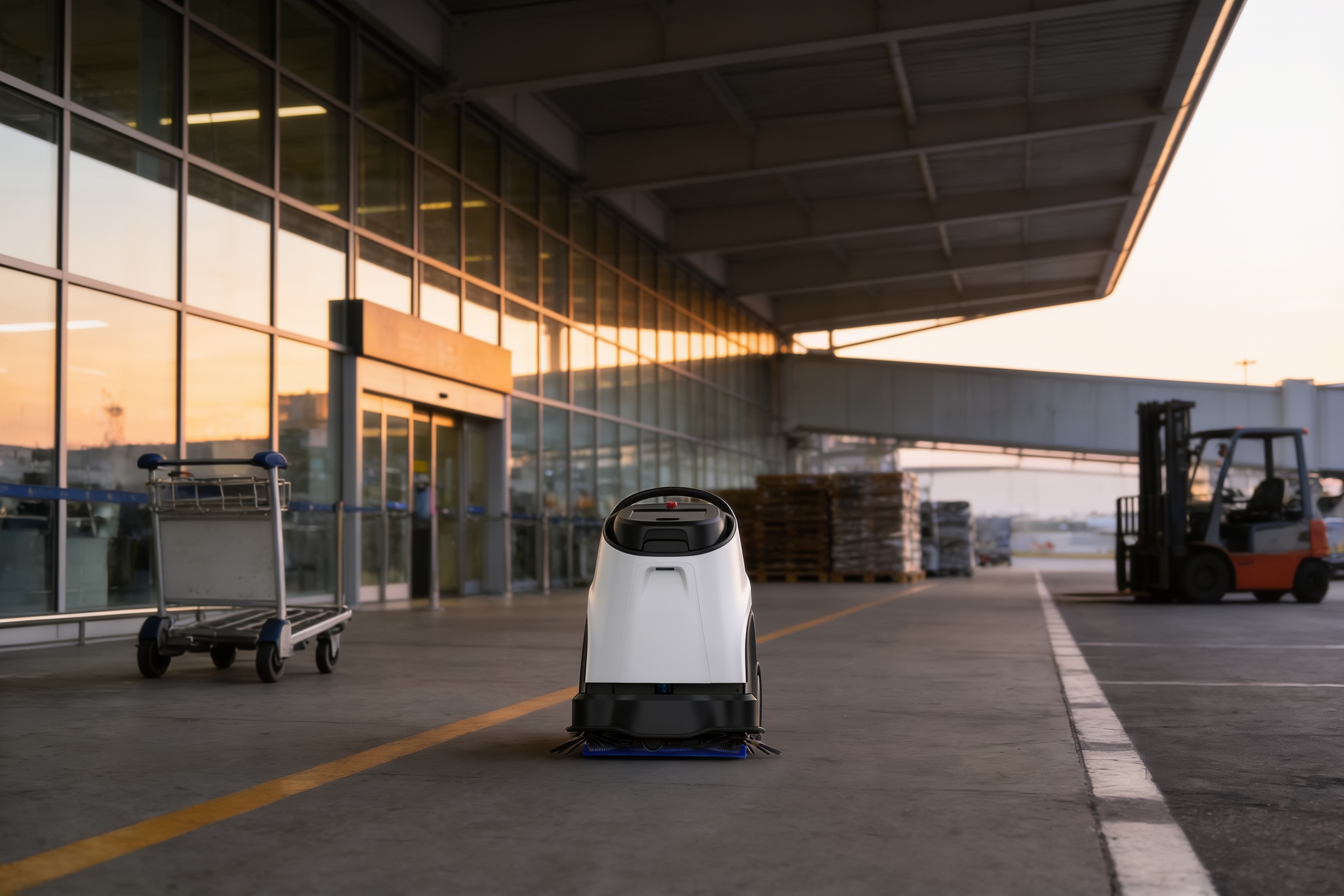
A lease through financing lets a rink use a robot without taking on the full cost up front. The lease sets a fixed payment over the term, and the quote shows the unit count, term, deployment, training and service scope in one document.
Lease options vary with the site. A single unit can start as a pilot on one route, and a second unit can cover another floor or entry once the first route proves itself. Phased deployment keeps the rink open while the route is taught.
We pick the right robot for the site, lease it through financing, deploy and integrate it, train the staff and service it nationwide. The site assessment comes first because the lease cannot be sized until the floor is measured.
What can a cleaning robot not do at an ice rink?
A cleaning robot does not resurface the ice. A patent describes a self-driven ice resurfacer that shaves and melts ice and navigates by GPS, which is the machine category for ice work. The research pass did not find evidence that commercial floor scrubbers are rated for ice, and the vendor listings reviewed described indoor retail and commercial floors.
Public traffic is the other limit. Industrial autonomous scrubbers face challenges with pedestrians and obstacles in areas open to foot traffic. A rink lobby, with strollers, benches and people standing still, needs a route that is tested and sometimes restricted to quiet hours.
The robot also cannot judge every wet patch or clear a spill it has not been taught to route around. Staff keep that job.
- Resurface the ice.
- Work a route blocked by heavy public traffic without a plan.
- Handle spills it has not been taught to avoid.
- Replace the staff responsible for checks and faults.
Is a cleaning robot worth it for an ice rink?
It is worth it when the work it replaces is repeated, scheduled and hard to staff. A rink with short windows, a steady floor load and shifts that are hard to fill has the strongest case. A rink with one short session and little foot traffic may find manual cleaning simpler and cheaper to run.
Payback depends on the hours replaced and the lease scope. We do not state a payback period until the site assessment measures the floor, the gaps and the labor in use. A payback figure given before that measurement is a guess.
Ask for the comparison in hours, not promises. The quote should list the work the robot covers, the work staff keep, and the cost of each.
How do I get a quote for a cleaning robot cost for ice rinks?
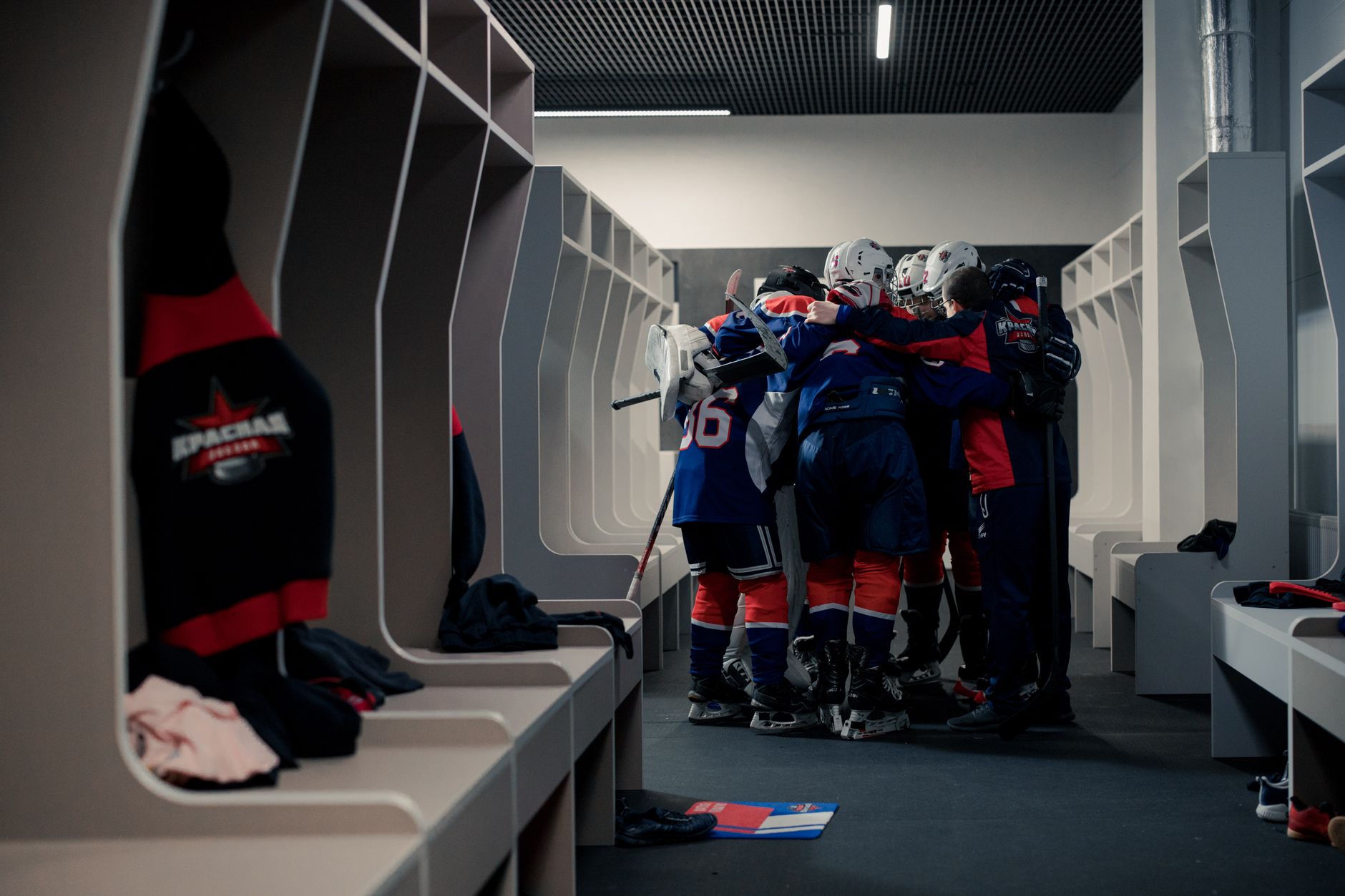
Start with a free site assessment. We measure the dry floor area, map the route, record the session and event gaps, note the foot traffic and check the doors and lifts the route must use. The assessment shows how many units the site needs and whether one unit can start as a pilot.
The quote follows the assessment and lists the lease terms, the fixed payment over the term, deployment and integration, training, and the service scope. Check each line against the hidden costs above before you sign.
Bring your session calendar, your event schedule, your existing floor cleaning routine and any staff shift patterns. The more exact the schedule, the closer the quote is to what the site needs from day one.
Frequently asked questions
Want a cleaning robot at your ice rink?
Tell us about your site. We will recommend the robot, quote the lease, and keep it serviced.
Sources
- IBISWorld, number of businesses in the US ice rinks industry
- Secondary guide on how often an ice rink should be resurfaced (not audited)
- Yale University profile of rink crews
- Columbia Association rink page
- U.S. Bureau of Labor Statistics, Occupational Outlook Handbook: recreation workers
- USPTO patent describing a self-driven ice resurfacer