
The short answer
Cleaning robot cost for indoor public markets depends on how much floor the machine must cover, what the floors are made of, when the building can be worked, and how much mapping, integration and service the site needs. These factors vary from hall to hall, so no flat figure applies, and we set the fixed lease payment only after a free site assessment. The quote then lists the lease, deployment, training and service lines so you can see what moves the number.
See what a cleaning robot costsRun the numbers in the ROI calculator
Key takeaways
- Floor area and aisle layout set the scale before any other factor.
- Wet stall floors and weekend crowds decide when a unit can run safely.
- Mapping, integration and staff training are the costs people most often miss.
- High turnover in cleaning work makes steady overnight coverage hard to staff.
- The lease quote follows a free site assessment measured on your own floor.
How much does a cleaning robot cost for indoor public markets?
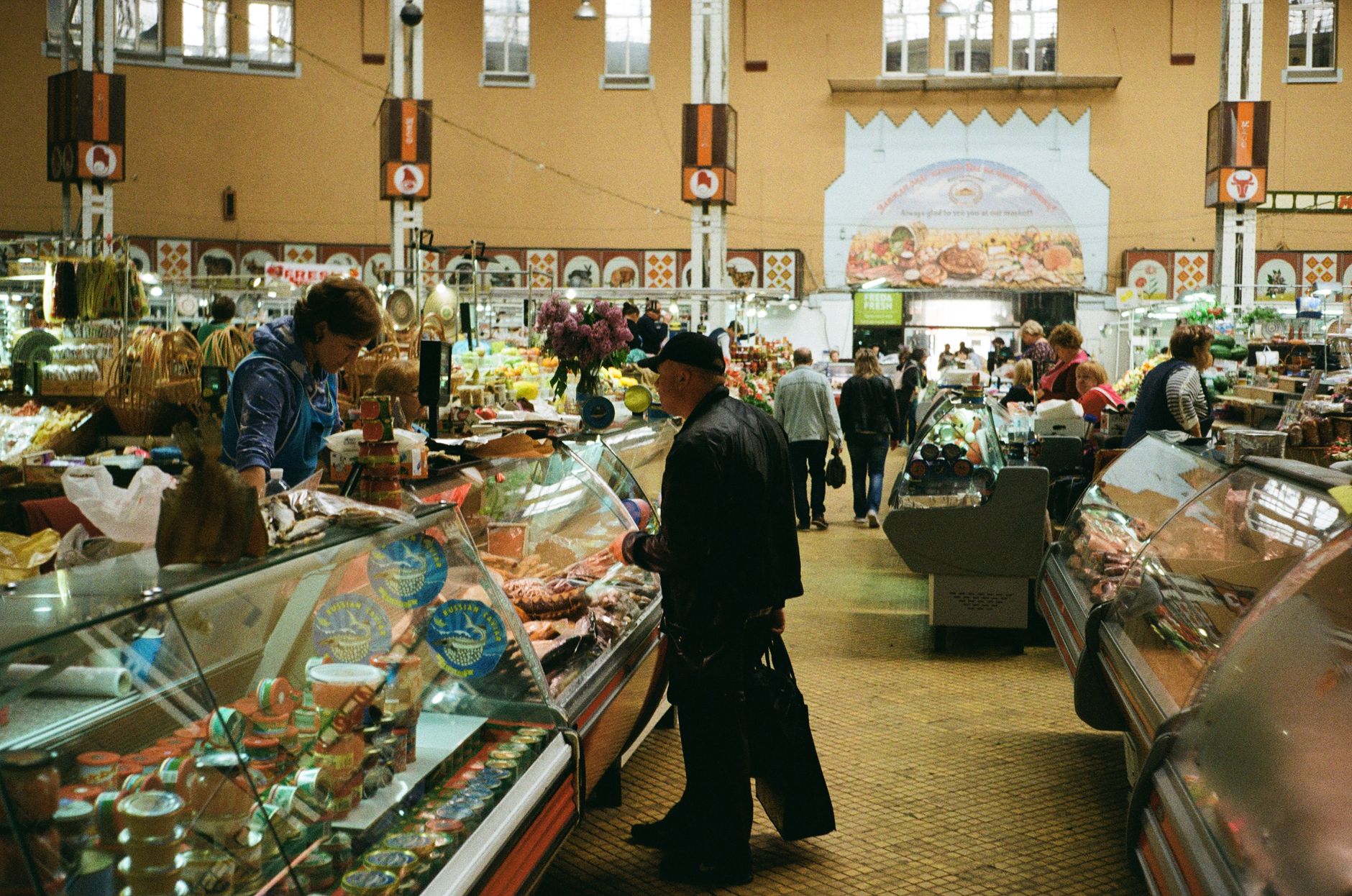
The cleaning robot cost for indoor public markets is not one fixed number, because two halls of similar size can land far apart. A hall with long open aisles and a short overnight window is a very different job from a hall of narrow stall rows that trades until late. The number follows the floor, the schedule and the level of service, not the category label.
The kind of place matters before the machine does. According to the Colicchio Consulting 2026 food hall report, about 458 food halls were operating in the US, with 114 more in development, and the segment grew 24.89 percent since 2023. IBISWorld, which counts food courts and halls under one category, lists 418 businesses in 2025 on one page and 375 on another. National totals are therefore approximate and should be checked against your own market.
Cleaning labor sits underneath all of this. The Bureau of Labor Statistics counted 2,447,700 janitors and building cleaners employed in 2024. Our site assessment begins with the floor, the trading hours and the number of stalls, because those set the scale of the job before any hardware is discussed.
What moves the cost up or down at a market?
Floor area is the first driver, but it is not the only one. A long single aisle with clear sightlines is a simpler job than a maze of stalls with carts, bins and movable tables. Surface type matters as well. Sealed concrete suits continuous scrubbing, while grout lines, thresholds and floor drains around stalls can need a separate pass or staff spot work.
Operating windows change the math more than most managers expect. If the building can only be worked in the hours after the last vendor closes, the machine must finish the full route in that window or the work runs into trading time. Weekend peaks add a second layer, because heavy foot traffic produces more spills and more clutter at the hours a unit would normally run.
Mapping and integration cost depends on how often the layout changes. A market that rearranges stalls each season needs more remapping than a fixed hall. Unit count is the last major factor. One unit covers a bounded zone, while several units need coordination, charging space and a backup plan for when one is out of service.
Why do wet stall floors and weekend crowds matter?
Wet floors are a safety issue before they are a cost issue. According to the Bureau of Labor Statistics, 479,480 cases involving falls, slips and trips with days away from work were counted in 2024. Those national totals do not tell you the risk at a single stall, so the useful step is to walk the floor and mark the wet zones yourself.
What the totals do show is that slips are common enough to justify a steady, scheduled cleaning pattern rather than one sweep by a crew at closing. A floor that is clean at closing can be wet and littered by midday. A schedule that runs the aisles after close, plus staff spot response at stall fronts during trading, usually fits better than one long pass.
How many labor hours does a cleaning robot take over?
The hour count is what most managers need first, and it is the figure we could not verify from public sources. We did not find a published number for scrubbing hours per shift in indoor markets, so this page does not give one. What you can check is the labor pattern, and the workforce figures are the place to start.
The BLS projects 2 percent growth in janitor and building cleaner jobs from 2024 to 2034, a gain of 47,800 jobs, along with about 351,300 openings a year. A slow-growing occupation with steady openings means the hiring need stays constant even when headcount does not grow.
Turnover adds pressure. A workforce software vendor's blog, summarizing BLS JOLTS data, reports an annual separation rate of 68.4 percent for services to buildings and dwellings in 2024. That is a vendor summary, so confirm it against the BLS series before using it in a budget. Each new hire learns the route while the floor waits.
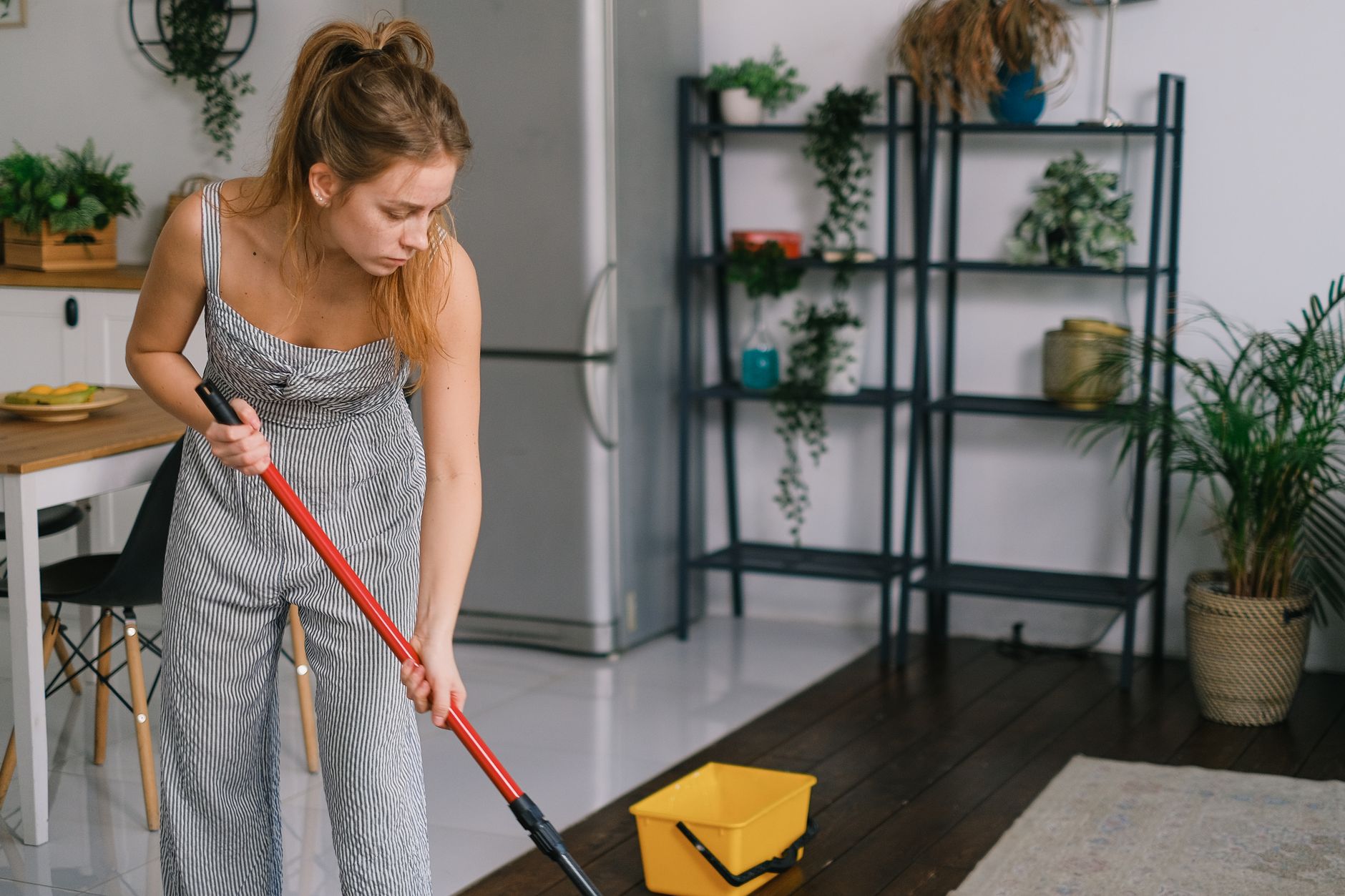
A robot shifts the work by moving aisle passes to a scheduled run with no operator on the floor. Staff keep the tasks that need a person, such as spill response at stall fronts and cleaning around fixed fixtures.
What can a cleaning robot not do in a public market?
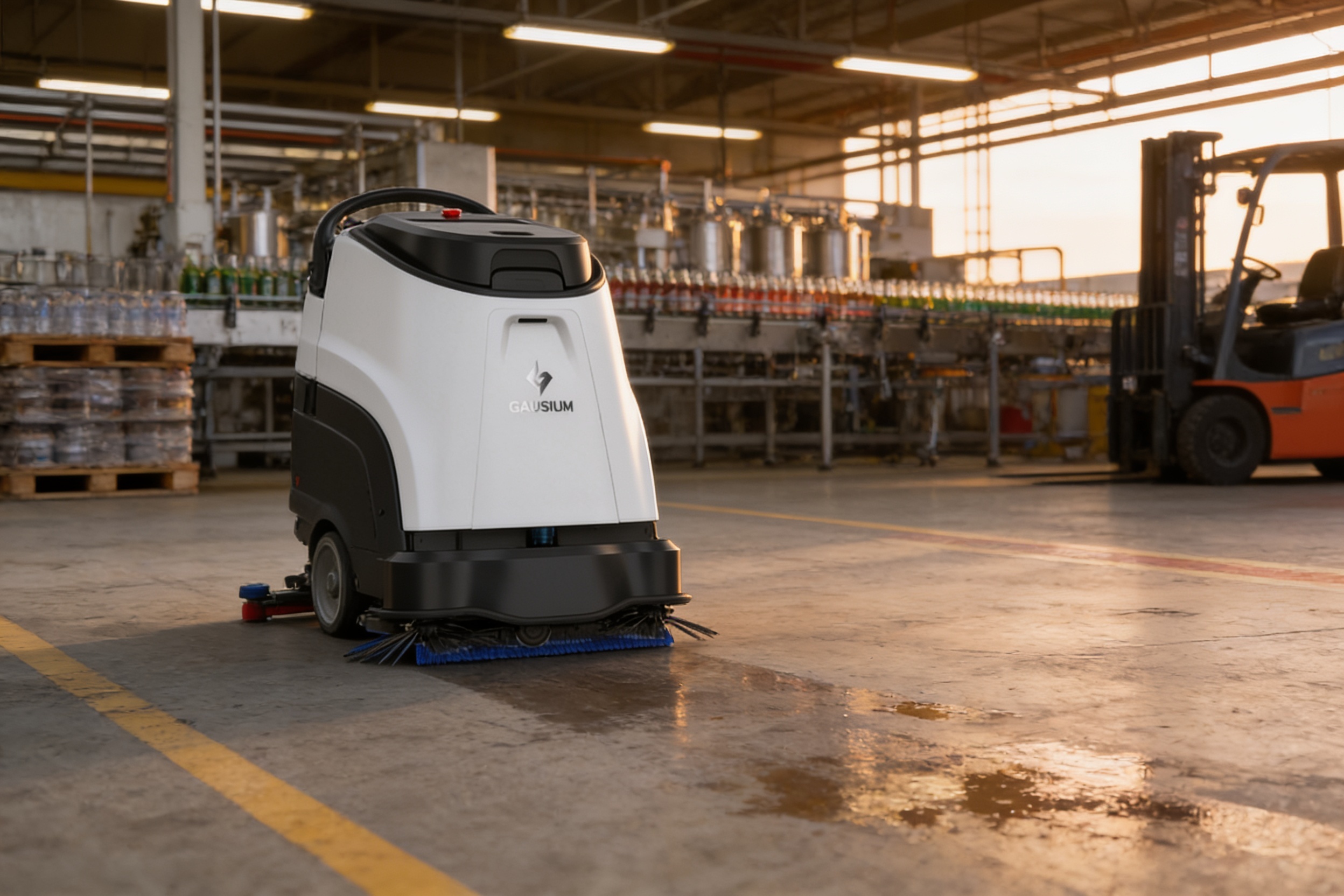
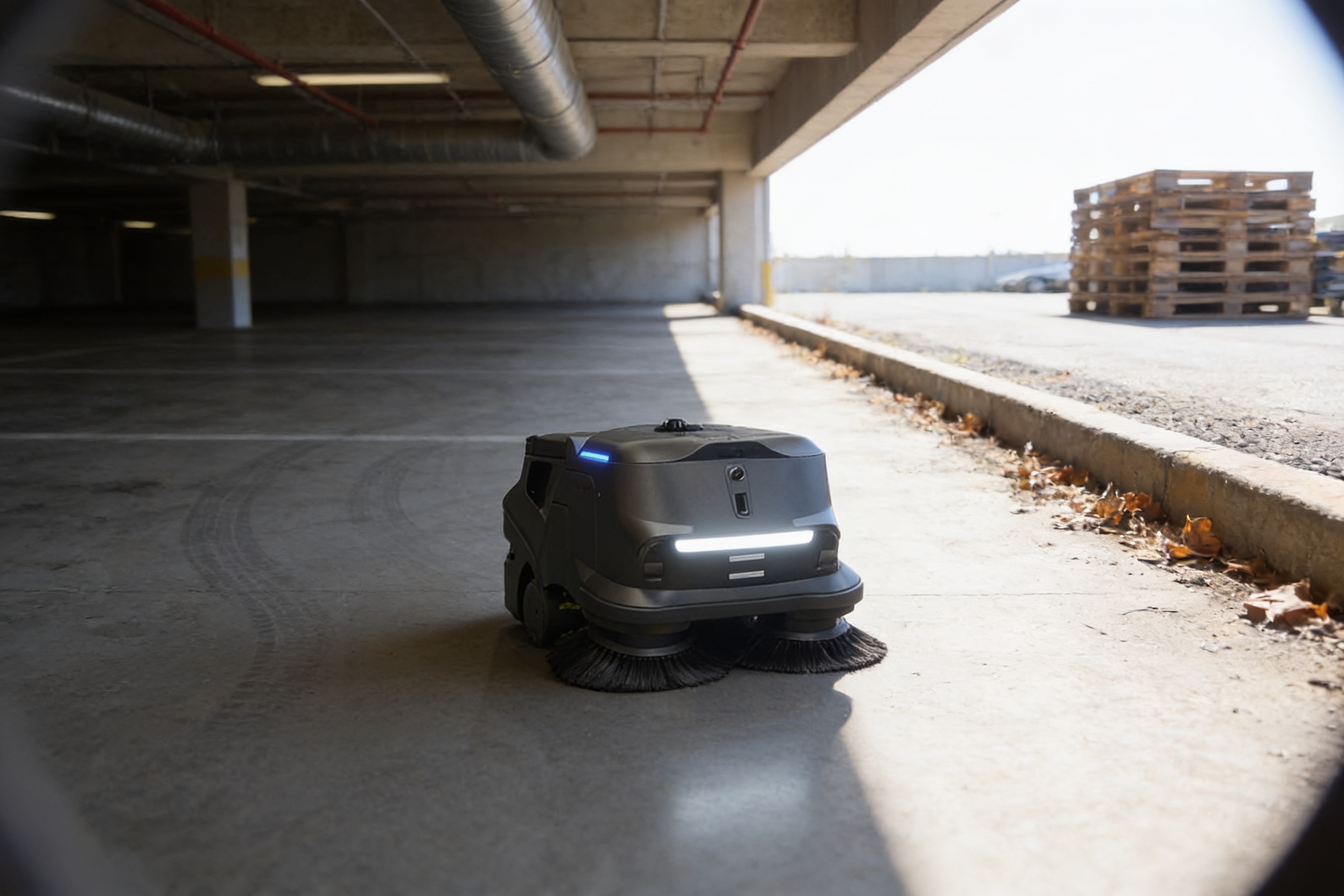
A cleaning robot covers clear, flat floor on a set route. It does not clean every surface. Fixed counters, the undersides of seating, grease on stall fronts, restroom interiors and glass usually stay with staff or other equipment. It also needs a clear path, so a cart left in an aisle or a crowd at the wrong hour will stop it.
It cannot replace the judgment of someone who notices a leak, a cracked tile or a spill that needs more than a pass. Plan for staff to handle those, and use the machine for the repeated aisle coverage that the crew would otherwise do by hand.
How does leasing through financing work?
We lease the robot through financing, so the cost arrives as a fixed lease payment rather than a large upfront commitment. The payment is set in the quote after a free site assessment, because the floor, the operating window and the number of units decide it. A generic table cannot give that number.
The quote lists the lease payment, deployment and integration, staff training and the service plan, along with the lease term. We explain the lease terms and the service scope in writing before anyone signs, so the decision maker can compare the quote line by line.
When you compare options, measure the lease payment against the labor the robot takes over, the spill and detail work that stays with staff, and the cost of a stuck unit with no backup. Backup coverage in the service plan, where it is included, can keep an overnight floor on schedule while one machine is out for repair.
Is adoption common among indoor markets and similar venues?
Adoption is early but growing. According to a vendor press release on robotic floor equipment adoption, around 32 percent of building service contractors said they plan to adopt robotic floor equipment within 12 months, about twice the share in the prior year's study. That measures plans, not installed units, and it comes from a vendor, so treat it as a signal rather than a census.
We did not find an independent 2025 or 2026 count of markets already running autonomous scrubbers. A hall with a fixed route and a predictable operating window is a practical first site for a pilot, because the route and hours are easy to test before the full hall is committed.
For scale, the USDA farmers market directory listed 7,864 markets in a 2012 release. That is an old figure, and directory listings are voluntary, so the count is approximate. Treat any national total as a starting point and measure your own floor.
How do you get a cleaning robot quote after a site assessment?

Start with the floor and the schedule. Send the building's approximate layout, the trading hours, the floor surfaces and the number of stalls or vendors. We run a free site assessment, measure what matters and return a written quote with the lease payment, deployment, training and service lines.
Before you request it, gather three items: the off-peak window when the floor can be worked, a list of wet zones and drains, and any work order or facility system you want connected. The quote is only as good as those details, so the assessment is where the number gets set.
After the quote, compare it with the labor you carry now, including the hours spent on spill response and the cost of a gap in coverage. If the building is large, ask for a pilot on one zone first, so you see the route run before you commit to the whole hall.
Frequently asked questions
Want a cleaning robot at your indoor public market?
Tell us about your site. We will recommend the robot, quote the lease, and keep it serviced.
Sources
- BLS Occupational Outlook Handbook, janitors and building cleaners
- BLS latest numbers, injuries and illnesses
- Colicchio Consulting 2026 food hall report, news coverage
- IBISWorld, food courts and halls (NAICS 6308)
- USDA farmers market directory release
- Vendor press release on robotic floor equipment adoption
- Workforce vendor blog on janitorial turnover, citing BLS JOLTS