
The short answer
Cobot cost for battery pack assembly shops depends mainly on how many fastening and handling stations the line needs, how each fixture and gripper is built for every pack format, and how much torque and inspection data must reach the plant system. The safety approach at each station, the shift pattern, the number of units and the service plan move the number too. A free site assessment measures your own line, and the written quote follows from that measurement.
Key takeaways
- Station count, fixtures and pack formats set most of the scope of a battery pack cobot cell.
- Torque logging and inspection data that must reach the plant system add integration and testing time.
- Power and force limiting can reduce guarding, but only after a risk assessment of the whole application.
- Hours saved should come from timing your own line, not from generic estimates.
- The lease quote follows a free site assessment and should state what is and is not included.
Cobot cost for battery pack assembly shops: what the number depends on
The cost of a collaborative robot at a battery pack line is not one number that carries from plant to plant. It is set by the job the robot does at each station, the tooling built around that job, and the plant systems it must connect to. Two packs with the same cell count can need stations that look nothing alike, because one design uses bolted busbars and another uses adhesive and clips.
Station count and cycle time matter more than floor area. A line with several fastening stations and an inspection point is a much larger scope than a single rework cell. At a site assessment we time each station, record the fastener types, count the pack formats the line must run, and note where the quality data needs to go.
A cobot suits fixed-station fastening, placement and handling beside people without a full safety cage. That is why the scope starts at the station and not at the whole plant. Each station is a cell with its own reach, fixture and validation, and the total follows from how many cells the line needs.
Where do cobots already fit on battery pack lines?
Cobot adoption is rising across North American industry. According to the 2025 robot orders release distributed by Business Wire, total orders reached 36,766 units, up 6.6 percent in units and 10.1 percent in revenue. The Robot Report, covering A3 orders data, puts cobots at 19.6 percent of North American robot unit orders in 2025, or 7,212 units.
Battery pack assembly suits this kind of robot for a plain reason. The steps repeat with small variation: place a module, seat a busbar, drive a bolt pattern to torque, set a cover, log the result. A cobot at a fixed station carries the repeated motion while an operator handles changeovers, exceptions and the judgment calls at inspection.
A national count of battery pack lines is hard to find. Published totals often mix cells, modules and packs, and a gigawatt-hour figure says little about how many pack stations exist. A shop should count its own stations and cycle times rather than lean on sector totals.
What moves the cost of a cobot cell up or down?
Scope the cell before you estimate the arm. The arm is one part of the total. The rest is the end-of-arm tooling, a fixture for each pack format, any vision or torque sensing, the controller, the safety hardware, and the cabling and network drops the cell needs. Each of these lines belongs in the estimate.
Changeover is the biggest lever. A cell built for one pack format is simpler to build and to validate than one that swaps grippers and fixtures for several. Each format adds tooling, a program change and a validation run, so the number of formats belongs in the scope from the first conversation.
Quality checks add cost when they must hold. Torque logging, traceability and inspection results that feed the plant data system take engineering time. If a record must stand up in an audit, the integration and testing grow with it, even when the arm stays the same.
Shift pattern and uptime needs change the service plan. A single planned shift with scheduled stops asks less of service than multiple shifts with spare-unit coverage. Floor condition works the other way: a clean floor with power and network already in place needs less preparation than a station that must be moved or re-cabled.
How does a pack station run today, and how does it run with a cobot?
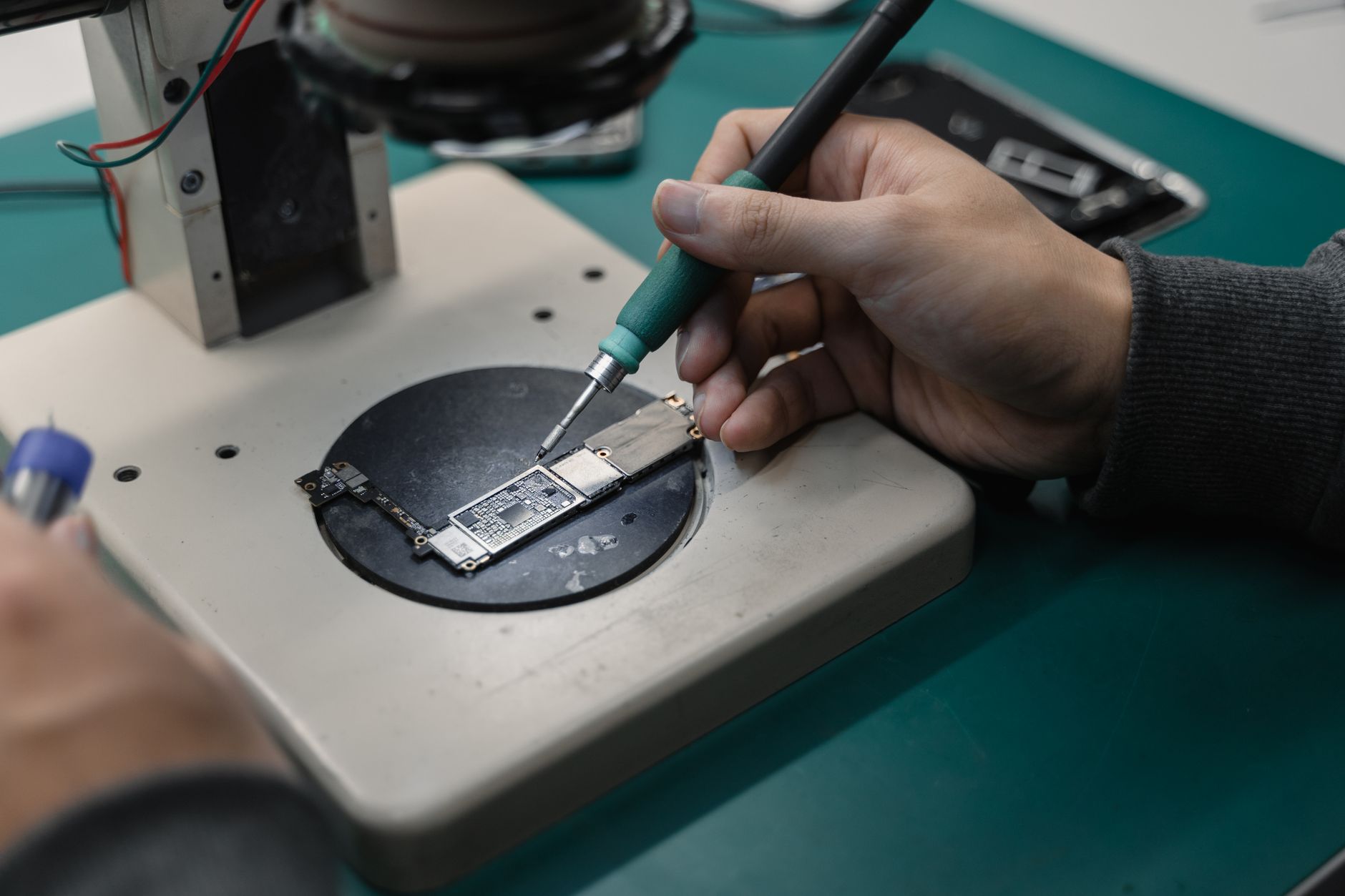
Today a pack station is mostly hands. An operator picks the module from a tote, seats it, runs the bolts by hand or with a handheld tool, records the torque and passes the pack on. A second person or a sensor checks the result at the end of the cell, and failed packs go back to the bench.
With a cobot, the arm takes the repeated placement and fastening at a fixed station. The operator moves toward loading trays, clearing exceptions and handling format changes, and torque results land in the data system without retyping. The quality plan still decides which checks are sensor-based and which stay with a person.
The shift changes shape more than it shrinks. Fewer hands are tied to the same motion, so operator time moves toward work that needs judgment. That gain is what to measure on your line, not a headline count.
How many labor hours does a cobot take over at a pack station?
Published sources do not give an hours figure per pack, so the reliable method is to time your own line. Federal data does describe the workforce around this work. According to the BLS Occupational Outlook Handbook, assemblers and fabricators held 1,885,400 jobs in 2024, with a projected change of minus 11,200 jobs over 2024 to 2034, about a 1 percent decline. The same handbook projects about 198,800 openings a year on average.
Those openings matter for planning. Most openings come from workers leaving the occupation, so a station can lose its operator on short notice and need to be refilled. A cell that holds output through a vacancy, or that removes the most repetitive motion from a station, changes the staffing math even when the hours saved are modest.
Injury exposure belongs in the hours discussion. According to the BLS injury and illness chart, manufacturing's total recordable case rate was 2.7 per 100 full-time workers in 2024, across 332,600 cases. The BLS release for all private industry put the 2024 rate at 2.3 per 100 full-time equivalent workers, down from 2.4 in 2023. A fixed station can take repetitive motion off the operator's hands, though the robot brings its own risk assessment.
What can a cobot not do on a battery pack line?
A cobot does not judge. It will not decide why a torque curve drifted, whether a cover is seated when the sensor misses it, or whether a cell is out of specification. Those calls stay with trained people and the quality plan, and the cell should be set up so the operator sees exceptions early.
On safety, ISO/TS 15066 describes four collaborative modes: safety-rated monitored stop, hand guiding, speed and separation monitoring, and power and force limiting. Guarding can sometimes be dropped for power and force limited applications, but only after a risk assessment of the whole application. A DGUV information sheet notes that power and force limited systems can run without fences or light curtains. That is a design choice the assessment has to justify, not a default.
High-voltage battery work needs its own controls. Isolation, grounding, handling of damaged cells and the response to thermal events are plant procedures, not robot features. A cobot cell sits inside those procedures and does not replace them. It also does not clear a station jam on its own, so stop and recovery steps must be written before go-live.
How does leasing through financing work, and what does the quote include?
Commercial robot leasing lets a shop put a cell on the floor without carrying the full equipment cost on day one. We lease the robot through financing, select the unit that fits the site, and deploy and integrate it. The lease terms are stated in the written quote, tied to the scope we measured, rather than in any general figure on this page.
The quote is built after a free site assessment, since scope drives everything. It should show the lease term, the robot and tooling, deployment and integration, operator training, and service after go-live. Ask whether spare-unit coverage and emergency replacement are included, and how service dispatch works for your location.
Read the quote against your scope. A lease that shows the arm but not the fixtures, data links or training will leave gaps that surface after install. A complete quote names what is in, what is out, and who handles each item.
Is a cobot cell worth it for a battery pack line?
Worth it depends on the hours you can measure on your line, the rework and scrap you can reduce, and the physical strain you can take off the operator, weighed against the lease and service over the term. No general payback period is safe to publish, because the scope and the line change the answer.
Staffing belongs in the comparison. With about 198,800 openings a year on average, according to the BLS handbook, and most openings coming from people leaving the work, a station that depends on one hard-to-replace operator carries a risk a simple hours comparison misses. A cell that keeps output steady through a short vacancy has value that is easy to leave out of the math.
A sensible first step is a pilot: one cell, one pack format, measured over several weeks. Start with one leased unit, check results against the timing from the site assessment, and expand only when the numbers hold on every shift.
How do I get a cobot lease quote for a battery pack cell?
The quote follows a short process, and each step produces something you can check. It starts with a free site assessment, because the scope cannot be estimated from a general description of the line.
The assessment data that matter most are cycle time at each station, station count, the list of pack formats and how often they change, the data links the cell must reach, and the shift pattern. Bring those details, and the quote can be specific to your floor.
Once the scope is agreed, the quote arrives in writing with the lease term, the included items and the exclusions listed. Ask for that document before any hardware is ordered, and compare it line by line against the scope from the assessment.
Frequently asked questions
Upcoming manufacturing events
- Trade showBrats & RobotsNov 10, 2026Alliant Energy Center Exhibition Hall, Madison, WI
- Trade showMATE Farm & Ranch ShowFeb 11 to 13, 2027MetraPark, Billings, MT
- ExpoPFMA Expo 2027Feb 17 to 18, 2027Washington County Fair Park, West Bend, WI
- ExpoLouisville Facilities Maintenance ExpoApr 15, 2027Mellwood Art Center, Louisville, KY
Want a cobot at your battery pack assembly shop?
Tell us about your site. We will recommend the robot, quote the lease, and keep it serviced.
Sources
- U.S. Bureau of Labor Statistics, Occupational Outlook Handbook: Assemblers and Fabricators
- U.S. Bureau of Labor Statistics, Number and rate of nonfatal work injuries and illnesses by industry
- U.S. Bureau of Labor Statistics, Occupational injuries and illnesses release
- The Robot Report, North American robot orders rise 6.6 percent in 2025
- Business Wire, Robot Orders Grow 6.6% in 2025
- ISO, ISO/TS 15066 collaborative robot news
- DGUV information sheet on collaborative robot systems