
The short answer
Cobot cost in Buffalo is set by the job the arm must do, including its reach and payload, the tool it carries, the safety review its cell needs, and the programming and integration that tie it to your machines and shifts. Those factors determine the lease quote, which we issue after a free site assessment, so the figure reflects your floor rather than a generic setup. Two cells with the same arm can land far apart in cost, which is why the scope of the quote matters more than the arm line.
Key takeaways
- Cobot cost in Buffalo tracks the task, the cell and the number of shifts, not the arm alone.
- Safety review, machine integration and programming are the costs most often missing from a first estimate.
- Manufacturing jobs in the Buffalo metro slipped from 54.3 thousand in 2023 to 53.6 thousand in 2024, which favors training staff you already have.
- Labor hours only count when a named person moves to other work.
- Compare quotes on what is included, service response and spare coverage, not on the arm line.
Cobot cost in Buffalo: what the number depends on
A cobot lease in Buffalo is set by the job the arm has to do, not by the arm alone. Two cells can use the same arm and still receive quotes far apart. One may tend a single machine on day shift. Another may feed three machines across two shifts, with guarding, a tool that changes between part families and a restart routine after faults. The quote follows a free site assessment, and this page explains the factors that move it.
For the person who signs off, the useful question is what sits inside the number. A cobot cell is the sum of the arm, the end tool, the safety work, the programming and the service that keeps it running. Each part can change on its own, so two quotes for the same arm can look far apart. Read the scope of work before comparing totals.
What drives the cost of a cobot at a Buffalo plant?
Payload and reach come first. A heavier part or a longer reach needs a larger arm, and the lease rises with the arm class. Cycle time matters too, because a faster cycle may need a stronger arm or a second unit to keep the line fed.
The end tool is where first estimates drift. A gripper built for one part family is simple, but a tool that changes between part sizes adds a tool changer, sensors and more programming. Each new part number also adds programming time, and that time recurs after go live.
Cell design and safety come next. Guarding, light curtains or area scanners and fencing add hardware. A cell still needs a risk assessment, and the depth of that review changes the scope. Cobots are built to share space with people, but that does not remove the review.
Integration and shifts finish the picture. Clean start, stop and fault signals from each machine keep the work simple, while older controls or several connected machines raise it. A cell on two or three shifts needs a faster service response and more spare coverage than a cell on one day shift.
Which cobot costs do people miss?
Most gaps sit outside the arm line. Programming takes time before the first part runs, and it takes time again whenever a part changes. Integration with machine controls, conveyors and neighboring cells can be a larger share of the project than people expect, depending on how the existing equipment communicates.
Training and maintenance follow. Operators need to know how to recover a stopped cycle and when to call for help. Scheduled checks, replacement parts and tool wear add up over a lease term. Insurance is a separate question for your broker, and you should ask whether the quote covers liability for the robot or whether you carry it yourself.
Here is how the usual gaps split between our scope and yours. The first four items are in our scope of work and appear as lines in the quote. The last item needs a written answer before you sign.
- Deployment, integration and programming of the cell.
- Operator training on operation and fault recovery.
- Cell safety review, with its depth stated in the scope.
- Nationwide service, with response terms written into the quote.
- Insurance, software updates and spare units, which the quote must state as included or excluded.
How does leasing a cobot through financing work?
Robots are only leased, through financing. The lease spreads the cost of the robot and its services over a set term, which gives you a fixed lease payment to plan against. That suits a plant that wants to add automation without a large upfront commitment, and it lets the decision sit in the operating budget rather than a capital request.
The process begins with a free site assessment. We look at the task, the cell, the floor, the power and network, the machine signals and the shift pattern. The lease quote comes after that assessment, so the number reflects your site rather than a generic setup.
A complete quote should show the arm and tool, the safety scope, integration and programming, training, the service plan and the lease term. It should also list what is excluded. Ask whether a backup unit or loaner is included, and what happens if the cell is down for a day. Compare those terms before you compare totals.
How many labor hours does a cobot take over?
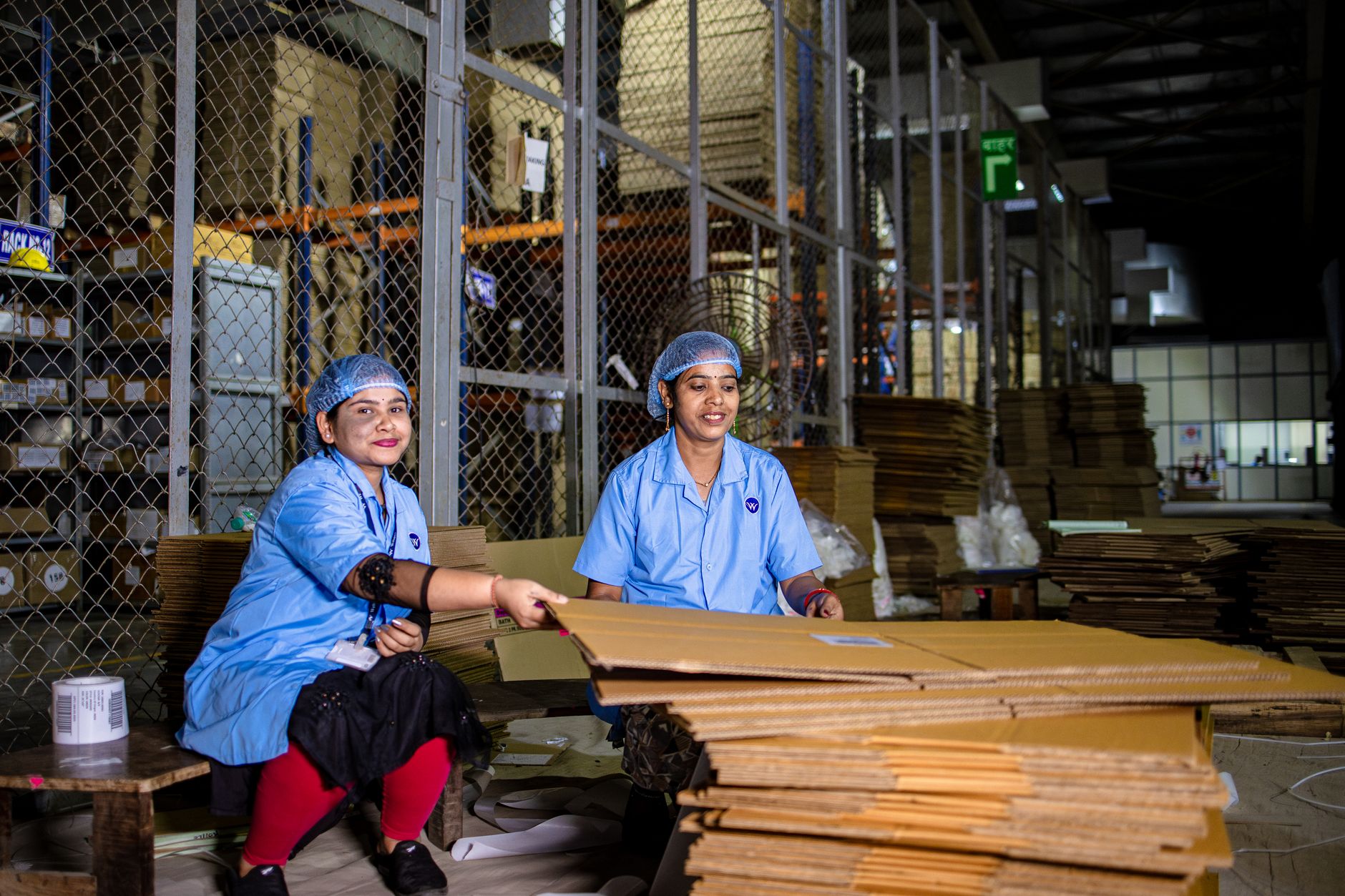
Hours are what justify the lease, so measure them before the robot arrives. Start with the task that is repetitive, physically hard or hard to staff, and time it on the shift. Record the handling time per part, the walk to the machine and the time the operator waits for a cycle to finish.
A cobot takes over repetitive loading, unloading, palletizing and packaging moves. People keep setup, inspection, changeovers and exceptions. Freed hours count only if someone is moved to other work, because an arm that runs a cell while the operator stands idle saves nothing you can point to.
Expect the hours to move as the process settles. The first weeks show the real cycle time, the restart frequency and the changeover count, and those numbers should feed the review after go live.
The table below describes the work pattern. Hour figures for a specific line come from timing that line during the site assessment, not from national averages.
What can a cobot not do?
A cobot suits shared work near people at modest speed and payload. It does not replace a high-speed line, and it does not sort an unpredictable pile of parts without fixtures, sensors or vision. Parts must arrive in a repeatable way, or the cell needs more tooling and tuning, which adds to the cost.
It cannot fix a weak process. If parts arrive late, a fixture is worn or an upstream machine stops every hour, the arm stops too. Check the process first, then decide which steps the arm should own. A robot placed on a bad process will simply run the bad process faster.
Buffalo's winters matter at sites near receiving doors and loading bays. Cold air, condensation and salt carried in on boots reach floors and cabinets near those doors. The site assessment checks where the cell sits, how the floor is kept and whether the controls need protection from temperature swings.
Expect a pilot to teach you the limits. Start with one cell on the line where the hours are clearest, and set any second cell by the results rather than by the first quote.
Who runs cobots in Buffalo, and why now?
The operations that usually fit a cobot in Buffalo are metal and fabrication shops, food and beverage plants, packaging and contract manufacturers, and warehouse operations with machine work. The common thread is a repetitive task at a machine or conveyor that is hard to staff across shifts. A cell that tends one machine is often the first step.
Adoption is still early in the wider market. An older national industry survey found that 13 percent of surveyed businesses used cobots, and another 15 percent planned to add more within 12 months. That survey is national and dated, so treat it as a rough guide rather than a count of Buffalo sites.
Locally, a regional manufacturing program in Buffalo held a webinar on cobot trends across Western New York on April 10, 2024, led by its automation manager. A separate study of 428 manufacturing establishments looked at robots in general rather than cobots, and it was not a Buffalo study. It found that being in a region with a large pool of robot users and robot-skilled labor positively affects adoption decisions.
What do Buffalo's labor numbers mean for a cobot?
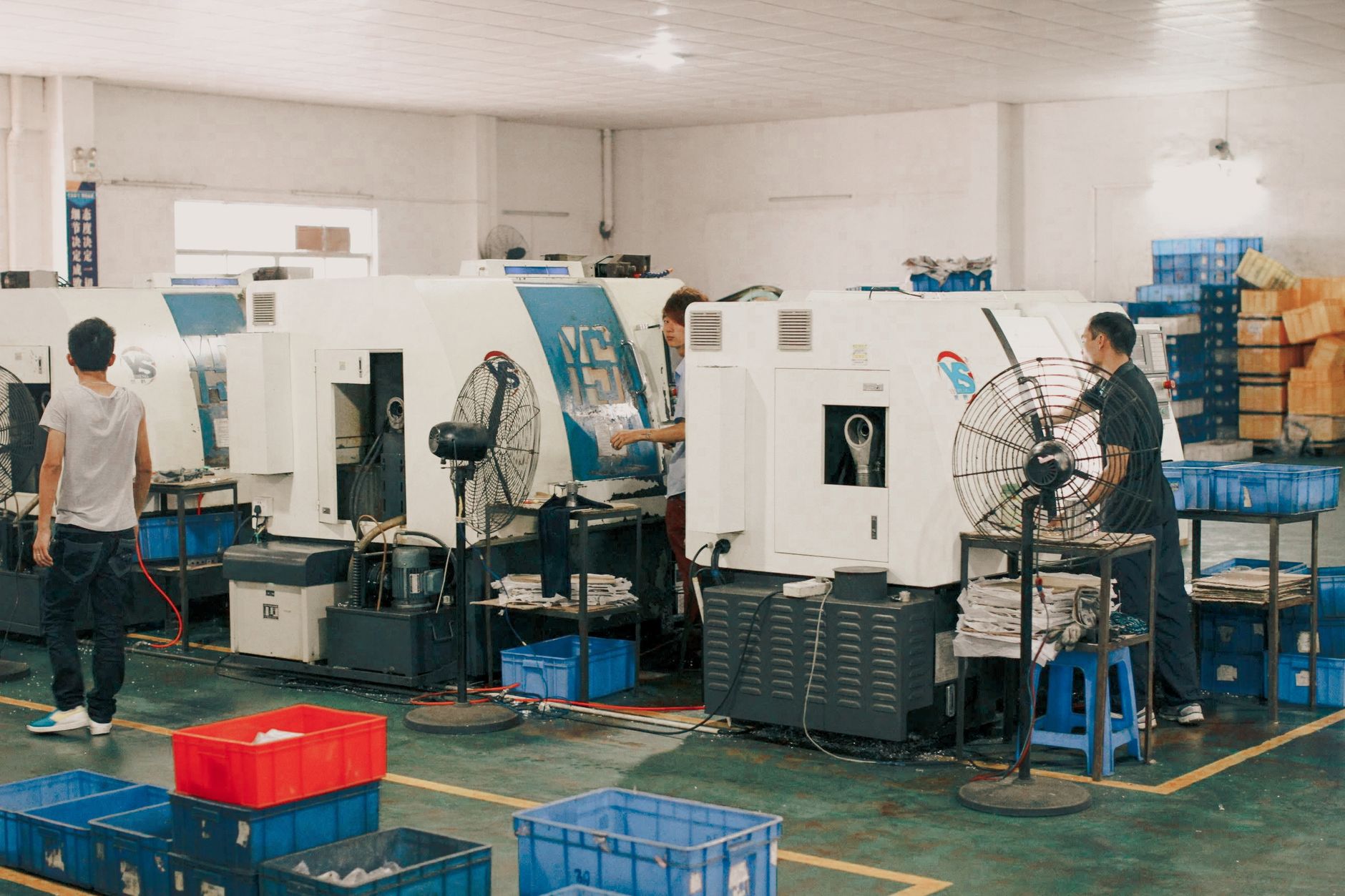
The Buffalo-Cheektowaga-Niagara Falls metro area reported 53.6 thousand manufacturing jobs in 2024, not seasonally adjusted, down from 54.3 thousand in 2023, according to the Federal Reserve Bank of St. Louis. Goods-producing employment in the same data was 75.1 thousand in 2024. Total private employment in the same data was 466.2 thousand in 2024.
The New York Fed reports that steep manufacturing job losses in the region were offset by growth in services, and that manufacturing's share of regional employment is slightly above average. For an operator, that means a manufacturing pool that is shrinking while service work grows. Training existing staff to supervise a cell is worth weighing against hiring for it.
Repetitive shift work carries its own churn. According to the Bureau of Labor Statistics, janitors and building cleaners had about 351,300 openings a year, mostly from replacement needs, in an occupation of 2,447,700 jobs in 2024. That is a cleaning occupation, not a cobot task, but it shows how much staffing turnover repetitive jobs can carry.
How do I get a cobot quote after a free site assessment?
Write down the task, the part sizes and weights, the cycle time you need, the shift pattern and every machine the cell must talk to. Those items let an assessor scope the work quickly and cut return visits.
We assess the site at no cost, review the cell and the floor, and recommend the arm and tool that fit. The quote comes back with the lease terms, the integration and training scope and the service plan, so you can compare it with other offers on the same basis.
We are a US commercial robot integrator. We pick the robot for the site, lease it through financing, deploy and integrate it, train the staff and service it nationwide. One partner handles the whole chain, so when a cell stops, one team responds.
Expect the quote to come with a proposed schedule. Treat go live as the start of the review, since the first weeks of real running show what the scope missed.
Frequently asked questions
Put a robot to work in Buffalo.
We walk your site, learn the job, and recommend the unit that fits. Then we quote the lease, deploy it, and keep it serviced.
Sources
- Bureau of Labor Statistics, Occupational Outlook Handbook, janitors and building cleaners
- Federal Reserve Bank of St. Louis, Buffalo metro manufacturing employment series
- Federal Reserve Bank of St. Louis, Buffalo metro goods-producing employment series
- Federal Reserve Bank of St. Louis, Buffalo metro total private employment series
- Federal Reserve Bank of New York, Buffalo regional economy chart
- Industry survey on manufacturer adoption of collaborative robots
- Regional manufacturing program, Western New York cobot trends webinar
- National Science Foundation public access repository, regional robot adoption study