

The short answer
Cobot cost in Charlotte is set by the work the arm takes over and the cell it has to sit in, not by the arm alone. The biggest moves come from the staff hours the task takes, the layout and safety review of the cell, the integration and programming scope, and how much service the lease includes. We do not publish a figure here, because the lease quote is built after a free site assessment that measures your own floor and shifts.
Key takeaways
- The arm is the smallest visible line; cell design, integration and service set the rest.
- Staff hours taken over matter more than any spec sheet.
- Charlotte's job growth makes staffing repetitive shifts worth timing, not guessing.
- Integration is the line customers most often underestimate, by 40 percent or more, per one vendor guide.
- Every lease quote follows a free site assessment and states what the lease includes.
How much does a cobot cost in Charlotte?
This page explains what sets cobot cost in Charlotte, NC, and why no single number applies to every business. We do not publish a figure here, because the lease depends on the task, the floor, the shifts and how many units the work needs. What we can give you is the set of factors that move the quote, the labor the arm takes over, and the steps to get a quote.
A cobot, or collaborative robot, is an arm built to work near people. In most Charlotte facilities it sits on a fixed base or cart and is fed parts by a person, a conveyor or another machine. The arm is only part of what you lease. The cell around it, the programming, the safety review and the service plan each change the quote.
We work as a commercial robot integrator. We pick the arm for the site, lease it through financing, deploy and integrate it, train your staff and service it nationwide. Because one team handles selection, installation and service, the quote covers the working cell rather than the arm on its own.
What drives cobot cost at a Charlotte site?
Four things set the lease quote more than anything else: how long the task runs each shift, how many arms the work needs, how much the cell must do around the arm, and how much service you want behind it. Two sites with the same arm can land far apart.
Task time matters most. An arm that covers a repetitive step through a full shift is weighed differently from one that runs a few cycles an hour. We time the existing cycle on your floor during the site assessment, rather than estimating from the spec sheet, because that timing is what the lease is built around.
Cell design comes next. Guarding, fixturing, part presentation and the safety review add cost to any build. A cobot can work near people, but the risk assessment still has to be completed for the actual cell, and that takes project time before the arm goes live.
What does Charlotte's labor market mean for a cobot?
Charlotte is a large and growing labor market, and that shapes when a cobot pays off. According to the Bureau of Labor Statistics Charlotte area summary, the metro's unemployment rate was 3.7 percent for September 2026, a preliminary figure. The same summary shows the metro added 37,600 jobs between December 2024 and December 2025.
Job growth and a low unemployment rate tend to make repetitive shifts harder to staff. A local news report citing BLS data said the metro gained an average of 1,200 jobs a month in 2026, against 1,400 a month in 2025. The pace has slowed, but it is still a hiring market for the same entry-level roles a cobot would cover.
Turnover is the other side of the staffing question. According to the BLS Economics Daily, the quits rate in accommodation and food services was 3.5 percent in August 2026, down from 3.9 percent a year earlier. Professional and business services stood at 2.1 percent, down from 2.5 percent, and all industries at 1.9 percent. These are national rates, since we did not find a Charlotte turnover series in this research.
Local pay sits in the BLS occupational wage release for the metro, which this page links rather than restates. Read the wage for your job type there, then set it against the hours a cobot takes over, not against the arm alone.
Are cobots becoming more common in the US?
Adoption is rising, which affects how quickly parts, integrators and service crews are available in any region. According to the International Federation of Robotics preliminary figures reported in June 2026, U.S. industrial robot installations reached 38,000 units in 2025, up 11 percent from the year before, ending two years of declines.
Food processing installations rose about 30 percent to roughly 3,000 units in 2025, per the same release. That release also puts U.S. robot density at 307 robots per 10,000 manufacturing workers, eighth in the world, and reports global installations up 15 percent to a record 621,000 units.
We did not find a Charlotte-specific cobot adoption figure, so national numbers show the direction of the market, not the count of live cells in your metro. Ask any integrator how many cells they run in your region and how long those cells have been live.
How many labor hours does a cobot take over?
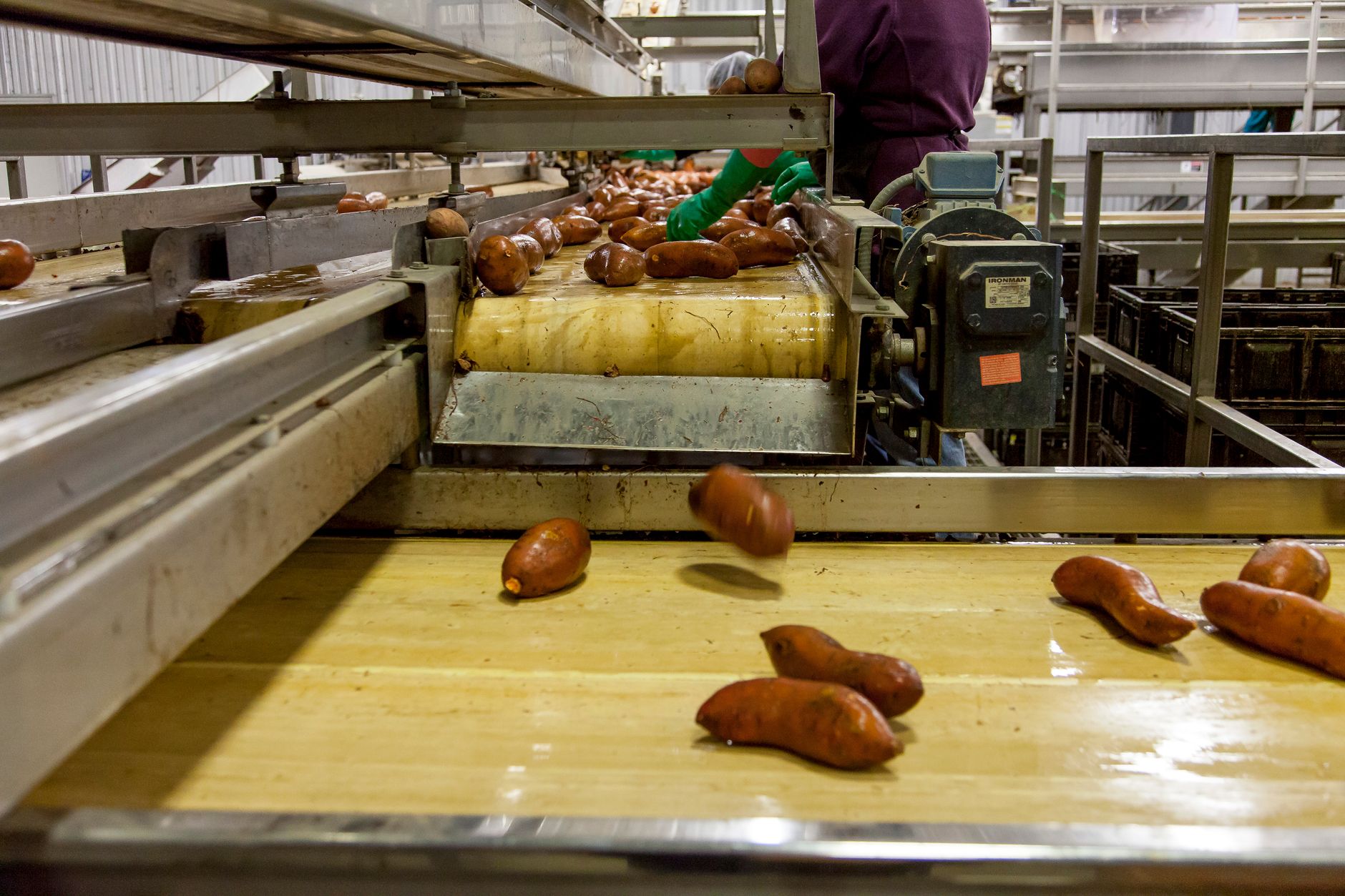
The labor a cobot takes over is the repetitive, hand-fed part of a shift. In the site assessment we time that work, count the people it ties up and note how often the step stops for faults or restocking. We do not publish hour figures here, because we did not verify task-level hour data for Charlotte in this research.
The table shows the kinds of tasks we time and what changes with the arm. The right-hand column describes the staff time that remains, not a verified saving. The real numbers come from your floor, measured before any lease is built.
| Task | Today | With a robot |
|---|---|---|
| Repetitive pick and place at one station | a staffed block on every shift, timed on your floor | a supervised run with a check at shift start |
| Loading and unloading a machine | a person standing by for each cycle | the arm tends the machine while staff handle exceptions |
| Repeatable inspection step | a manual check on every part | a sampled check, with the arm doing the repeated motion |
| Program changes between products | a skilled technician for each change | a documented program change, run by trained staff |
No hour figures are published here. Current hours come from timing the work during the site assessment. The right-hand column describes the staff time that remains, not a verified saving.
How does a robot lease work and what does the quote include?
We lease the cobot through financing, so the quote is a fixed lease payment over an agreed term rather than a single upfront decision. The term, the payment and the service level are set together after the site assessment, because they depend on the work. Spreading the cost over the term keeps the upfront outlay low.
A quote from us covers the arm and the cell we design, deployment and integration, staff training, go-live support and nationwide service. It states the term, the service plan, what sits outside the lease and who handles faults after go-live. Compare every proposal against the same list, so the numbers line up.
You can start with one leased unit, check the results on your floor, and then scale to more units if the hours hold up.
What can a cobot not do?
A cobot is a fixed arm. It works where it is bolted or carted and where its reach covers the task. It does not travel through a building on its own, so cross-floor transport or open-floor cleaning needs another class of robot. We say so in the site assessment rather than fit an arm to a job it cannot reach.
Payload and reach set hard limits. An arm will not lift beyond its rating, and a task that needs long reach or fast movement between stations falls outside a single cell. It also cannot judge a part it has not been programmed to recognize, so unusual or variable parts need a fixture or a person.
The safety review can rule out a layout. A cobot works near people, but the risk assessment for the cell must be completed, and some layouts need guarding or a changed workflow before they pass. That review takes project time and should be scheduled before the arm arrives.
We did not find Charlotte climate or building-stock data in this research, so this page makes no claim about humidity, building age or wiring. Those checks happen on the floor during the site assessment, where power, network connections and floor flatness are measured directly.
How do I get a cobot quote in Charlotte?
Start with a free site assessment. We visit the floor, time the existing task, map reach and traffic, check power and network, and review the cell layout and safety needs. No lease figure is given until that visit is complete, so the quote reflects your site and not a generic estimate.
The written quote follows the assessment. It sets out the arm, integration, training and service, along with the lease term and what the lease leaves out. Use the checklist above to compare it with other proposals, line by line.
Frequently asked questions
Put a robot to work in Charlotte.
We walk your site, learn the job, and recommend the unit that fits. Then we quote the lease, deploy it, and keep it serviced.
Sources
- BLS Charlotte area economic summary
- Local news report citing BLS on Charlotte jobs
- BLS Economics Daily, quits rate August 2026
- International Federation of Robotics preliminary release, June 2026
- BLS regional occupational wage release, Charlotte
- Vendor cobot pricing guide (vendor view, not independent)
- Vendor cobot pricing guide 2026 (vendor view, not independent)