
The short answer
The cost of a delivery robot for a corporate cafeteria depends on how many floors and elevator stops the robot must serve, how long and how sharp the lunch rush is, how well the routes are mapped, and how many units the site needs. Integration with kitchen and dining workflows, staff training and the service plan also shape the lease quote. Because no two cafeterias share a layout, the reliable number comes from a free site assessment.
See what a delivery robot costsRun the numbers in the ROI calculator
Key takeaways
- Floor count, elevator stops and route length usually move the quote the most.
- The lunch rush peak, not the seat count, decides how many units a site needs.
- Mapping, integration, training and service are the costs people most often leave out.
- Every lease quote follows a free site assessment, so no figure is set from a desk.
- BLS data shows food preparation and serving occupations held 13.2 million jobs in May 2023.
What is the delivery robot cost for corporate cafeterias?
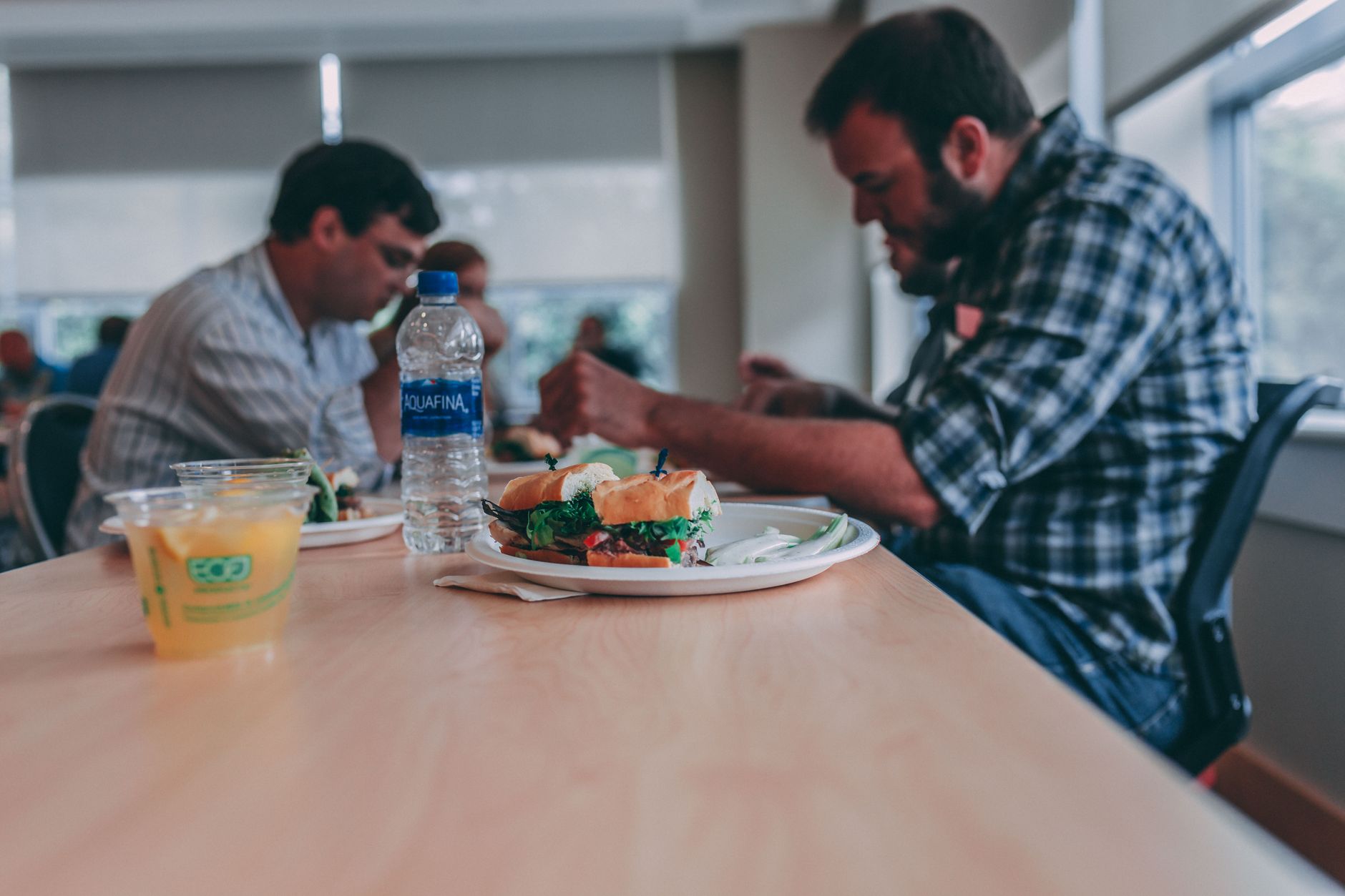
A corporate cafeteria is a foodservice operation inside an office building. It usually has a kitchen or servery on one floor, a dining room, a dish return, and office floors above or around it. The trips a robot can take over are the runs between those points during a short midday window, when a few staff are plating, serving and clearing at the same time.
The setting belongs to a very large base. According to the National Restaurant Association's 2026 State of the Industry, as carried by Bar & Restaurant, there are more than 1 million restaurant and foodservice outlets in the US, with 15.7 million employees, and the association projects 15.8 million jobs in 2026. The same coverage says 9 in 10 restaurants have fewer than 50 employees and 7 in 10 are single unit operations. According to the Bureau of Labor Statistics, food preparation and serving related occupations had 13.2 million jobs in May 2023, or 8.7 percent of total US employment.
Thin margins shape the decision. According to the chief economist of the National Restaurant Association, as reported by WTOP, 42 percent of restaurants did not turn a profit in 2025, up from 29 percent in 2024. A site under that pressure does not want a large capital request. It wants a clear view of the labor hours that go uncovered during the rush, and a lease quote that matches them.
What drives the cost of a delivery robot at a corporate cafeteria?
Five factors do most of the work. The first is the number of floors and elevator stops in each route. Each added stop lengthens a run, adds a wait for the lift, and adds an access point that must be integrated and tested. The second is route length from the kitchen or servery to the farthest office floor, since a longer loop needs more battery time and more mapping.
The third factor is peak load. A site that must move trays and dishes through a short, dense rush needs more units or a different plan than a site with a steady flow across the day. The fourth is the surface and door situation. Thresholds, carpet edges, heavy fire doors and glass lobbies all change how the route is mapped and whether a door must be automated.
The fifth is the scope of service. A lease covering one unit on one route is priced differently from a lease across several floors or buildings with a service plan that includes on-site dispatch and remote triage. The number of units, the routes each unit runs and the response terms belong in the quote, not in an assumption.
How do floors, elevators and foot traffic change the quote?
A single floor with a short route is the simplest case. Once the robot must reach upper office floors, it has to use the elevator. That means the lift must be integrated, the robot must wait its turn, and the route is more likely to cross a busy lobby. Each of these adds planning time in the site assessment and often adds units to the quote, because a robot waiting for a lift is a robot not moving trays.
Foot traffic matters as much as distance. A hallway clear at ten in the morning can be packed at noon, and the same route can take far longer at the peak. A vendor guide estimates 20 to 30 table deliveries per hour at peak for one delivery robot. The guide does not name a source, so treat the figure as a rough estimate to test on your own floor during the assessment.
Traffic also means the route plan needs pause points and slow zones. People stepping into a robot's path during the rush is a daily reality. The route is designed to handle that, with stops and clear lanes, rather than assuming an empty corridor.
How does leasing through financing work, and what does the quote include?
We lease robots through financing. This is a lease, not a sale of the unit, and the unit stays on a fixed term. The agreement sets a fixed robot lease payment over that term, with the robot, deployment and service described in the same contract. For an operator with a tight budget, that structure spreads the cost across the term and avoids a large upfront capital request.
The quote is produced after a free site assessment, not before. It should list the units, the routes they will run, the mapping and integration work, the training sessions, the service plan, the term and the start date. It should also state what is excluded. A quote that cannot be traced line by line is a quote to question before you sign.
Lease approval and financing programs depend on the applicant's finances and the term selected, so the options are reviewed case by case. Ask for the full set of options in writing so you can compare the same scope across them.
How many labor hours does the robot take over?
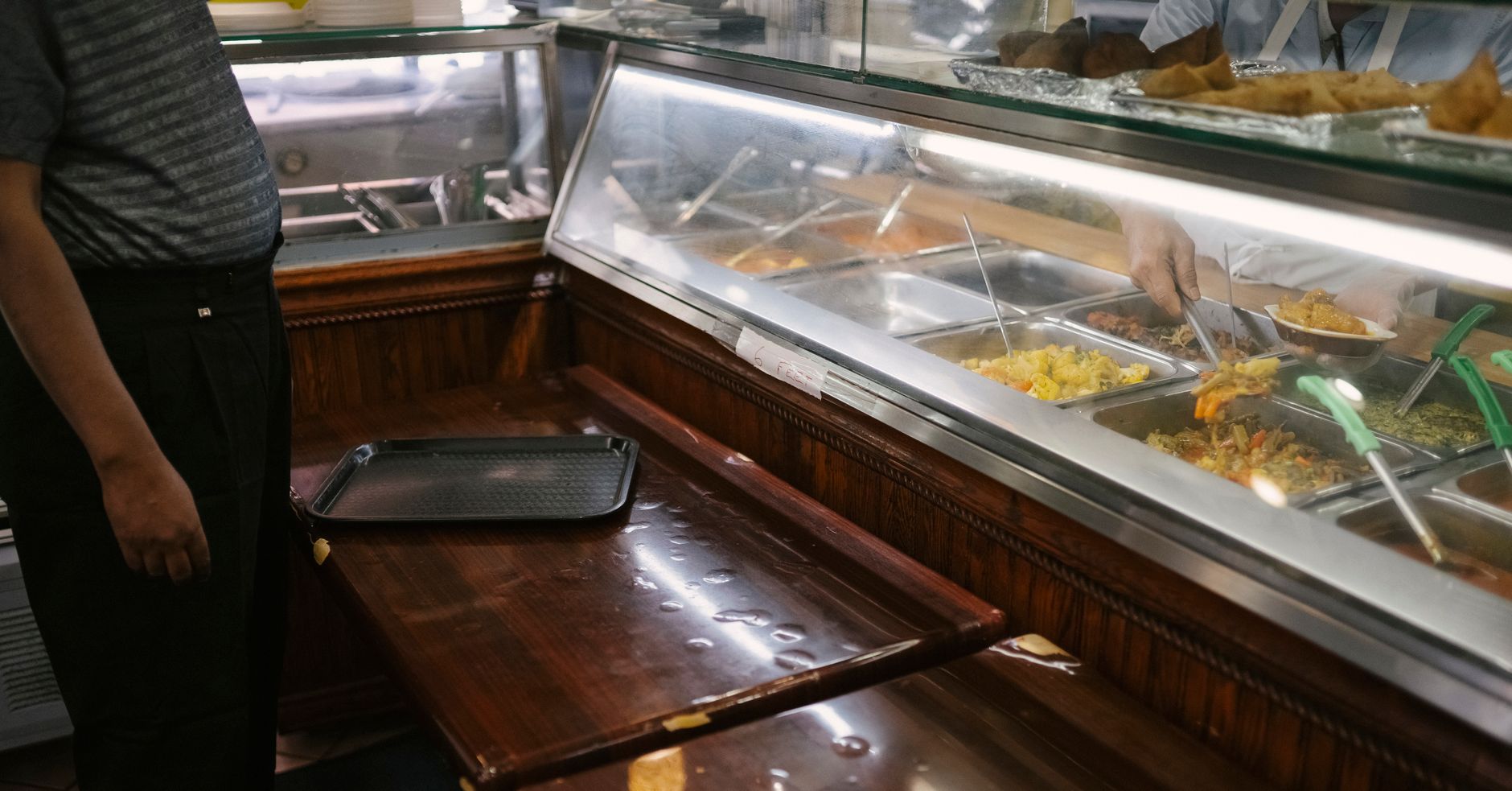
The honest answer depends on the route count and the length of the lunch window, and it should be measured rather than assumed. The simplest method is to log every food run, dish return and floor delivery for one normal week, noting the minutes and the number of people involved. That log becomes the baseline for the hours table below, and a second log from a busy week shows the peak.
Carrying loads is also a safety question. According to the BLS fact sheet on full-service restaurants, using 2018 data, falls, slips and trips caused an estimated 7,850 injuries, and 5,170 of those were falls on the same level. Those are restaurant figures, not cafeteria figures, but hot trays, wet floors and crowded aisles present the same hazards, and every trip a robot takes over is one fewer trip a person takes with a loaded tray.
A safety consultant summary citing BLS 2018 data reports 2.7 cases per 100 full-time equivalent workers in restaurants, against 2.8 for all private industry. Treat these numbers as context for the risk, not as a forecast for your site. Your own incident log is the figure that matters for your decision.
Where does the robot work in a corporate cafeteria?
The robot works in the transport zones, not the cooking or serving zones. Its job is to move loaded items between points on a fixed and mapped route, and the zones below are where those routes start, pass through and end. Each one brings its own mapping and safety questions.
The kitchen pass needs a loading point that staff can reach without crossing the robot's path. The dining room needs clear lanes at the times people are seated. The dish return needs a drop point that does not block the washing line. The lift lobby and the office floors need a defined drop point, not a route into private offices. Get these answers in the site assessment, not after the robot arrives.
What can a delivery robot not do?
A delivery robot does not cook, plate a made to order item, take payment or serve a guest. It moves loaded items along a mapped route. Staff still load and unload it, handle jams and spills, and make the judgment calls that no route can make in a crowded dining room.
It cannot run a route that has not been mapped, and it cannot pass a door or lift it is not allowed to use. A route through a building where access rules change from day to day may need a human escort or a different plan. The robot is not a supervisor, and no quote should suggest that it is.
Elevator access is a site question. If the building's lift cannot be integrated, or is unavailable during service hours, the upper floors stay on manual runs. That is why the lift appears in the site assessment, before the lease is signed.
How do I get a quote after a free site assessment?
Start with a free site assessment. We walk the kitchen pass, dining room, dish return, lift lobby and the office floors that receive deliveries. We record route lengths, lift access, traffic at peak, door types and where a charging point and service access can go. That work produces the route map and the basis for the quote.
The quote follows the assessment. It sets out the number of units, the routes, the mapping and integration, the training, the service plan, the fixed robot lease payment and the term. It also lists what is excluded. If any line is unclear, ask for it in writing before you decide.
We pick the right robot for the site, lease it through financing, deploy and integrate it, train the staff and service it nationwide. One partner and one number for service calls means a problem at lunch has one place to go, and the same team that mapped the route can help when the route changes.
Frequently asked questions
Upcoming offices & corporate campuses events
- Trade showNEBFM 2027, Northeast Buildings & Facilities Management Trade Show & ConferenceApr 14 to 15, 2027DCU Center, Worcester, MA
- ConferenceIFMA Facility Fusion Conference and Expo 2027Apr 27 to 29, 2027Hilton New Orleans Riverside, New Orleans, LA
- ConferenceAIA Conference on Architecture & Design (AIA27)May 19 to 22, 2027Pennsylvania Convention Center, Philadelphia, PA
- ConferenceBOMA International Conference & Expo 2027Jun 26 to 29, 2027Washington, DC
Want a delivery robot at your corporate cafeteria?
Tell us about your site. We will recommend the robot, quote the lease, and keep it serviced.
Sources
- National Restaurant Association 2026 State of the Industry, as covered by Bar & Restaurant
- WTOP, report on restaurant profitability citing the National Restaurant Association chief economist
- BLS, 8.7 percent of jobs were in food preparation and serving related occupations (May 2023)
- BLS, Job Openings and Labor Turnover Survey news release (January 2026)
- BLS, full-service restaurants injury and illness fact sheet (2018 data)
- ICW Group safety statistics summary citing BLS (2018 data)
- Vendor guide to restaurant robot operations (vendor-reported, unsourced)