
The short answer
Delivery robot cost for manufacturing campuses depends on how far and how often parts, tooling, samples and paperwork move between buildings, how many doors, elevators and floor types the route crosses, how many shifts need coverage, and how much mapping and integration the site needs. We lease the robot through financing and set the fixed robot lease payment in a written quote after a free site assessment, because the route and shift pattern decide the scope.
Key takeaways
- Route length, floors crossed and shift hours set most of the cost on a manufacturing campus.
- Mapping, door and elevator integration, training and service are the hidden costs to confirm first.
- Measured staff hours on scheduled runs are the number to bring to a quote request.
- Leasing through financing puts the cost into one fixed robot lease payment, set after a site visit.
- No published national figure covers walking time between campus buildings, so measure your own.
What does delivery robot cost for manufacturing campuses depend on?
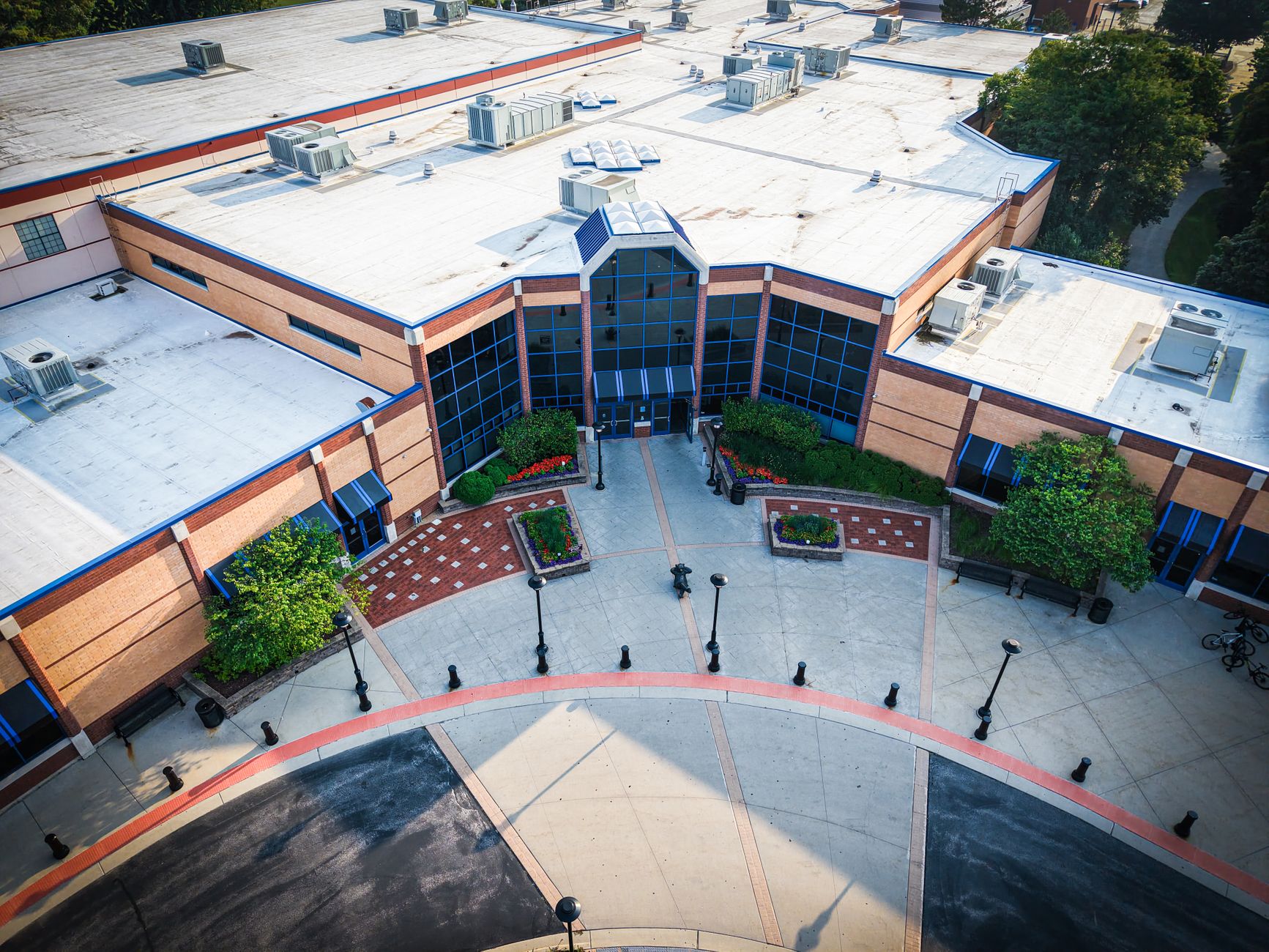
A delivery robot on a manufacturing campus is a cost decision set mostly by the route. The cost follows how far the robot travels, how many stops it makes, how many doors and elevators it crosses, and how often it runs. Two plants with the same floor area can land far apart, because one has a single main corridor and the other has a dozen buildings joined by yard paths and gated roads.
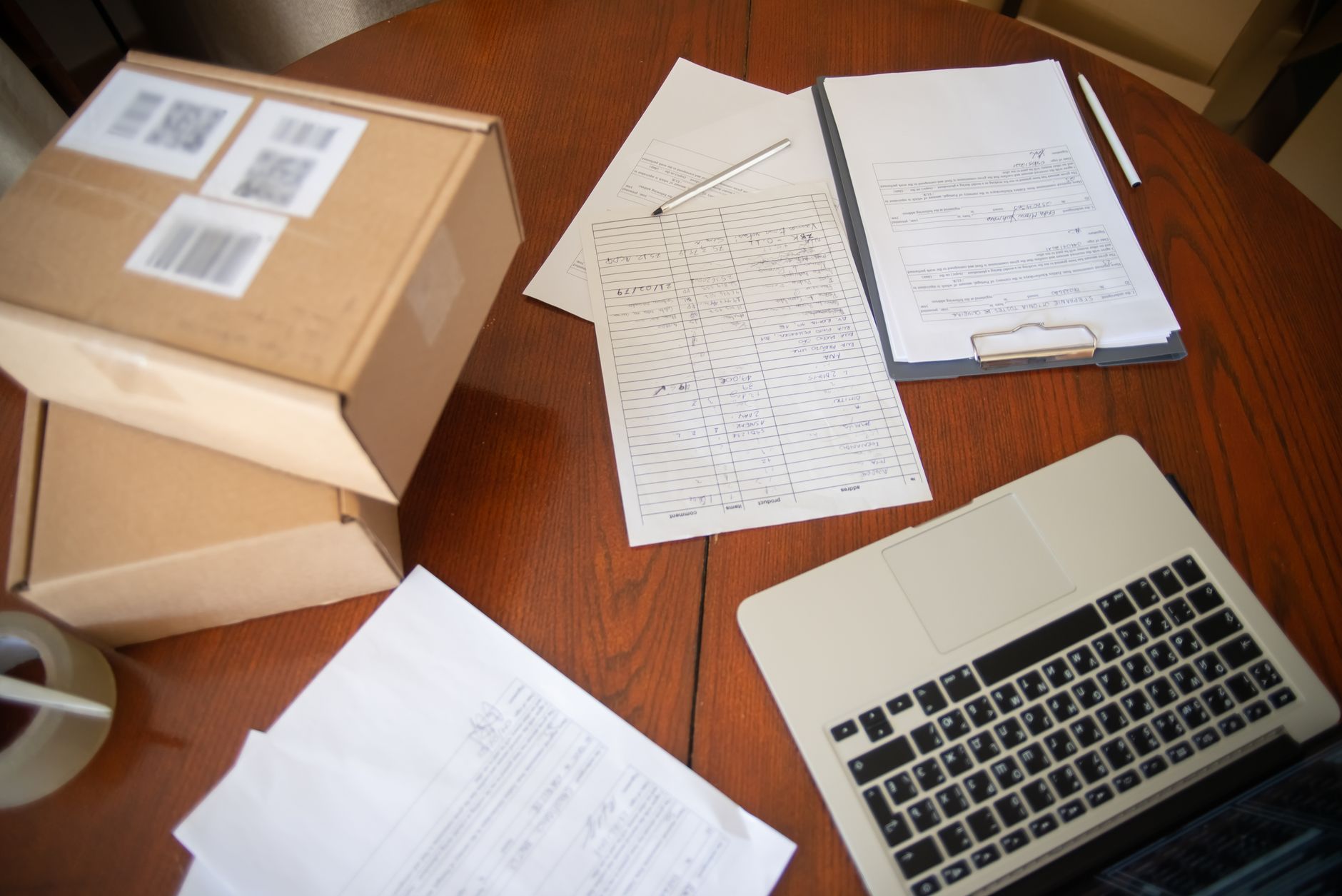
Parts, tooling, lab samples and travel paperwork are the loads most often moved, and each one changes how the route is built. Light loads on a short indoor route need a simpler setup than heavy tote runs across an open yard.
This page covers each factor, the costs people overlook, how leasing through financing works, and what a quote includes. It does not give a single number, because a number without a measured route would be a guess. We set the lease after a free site assessment, and that is where the real figures come from.
Which factors raise or lower the cost at a manufacturing campus?
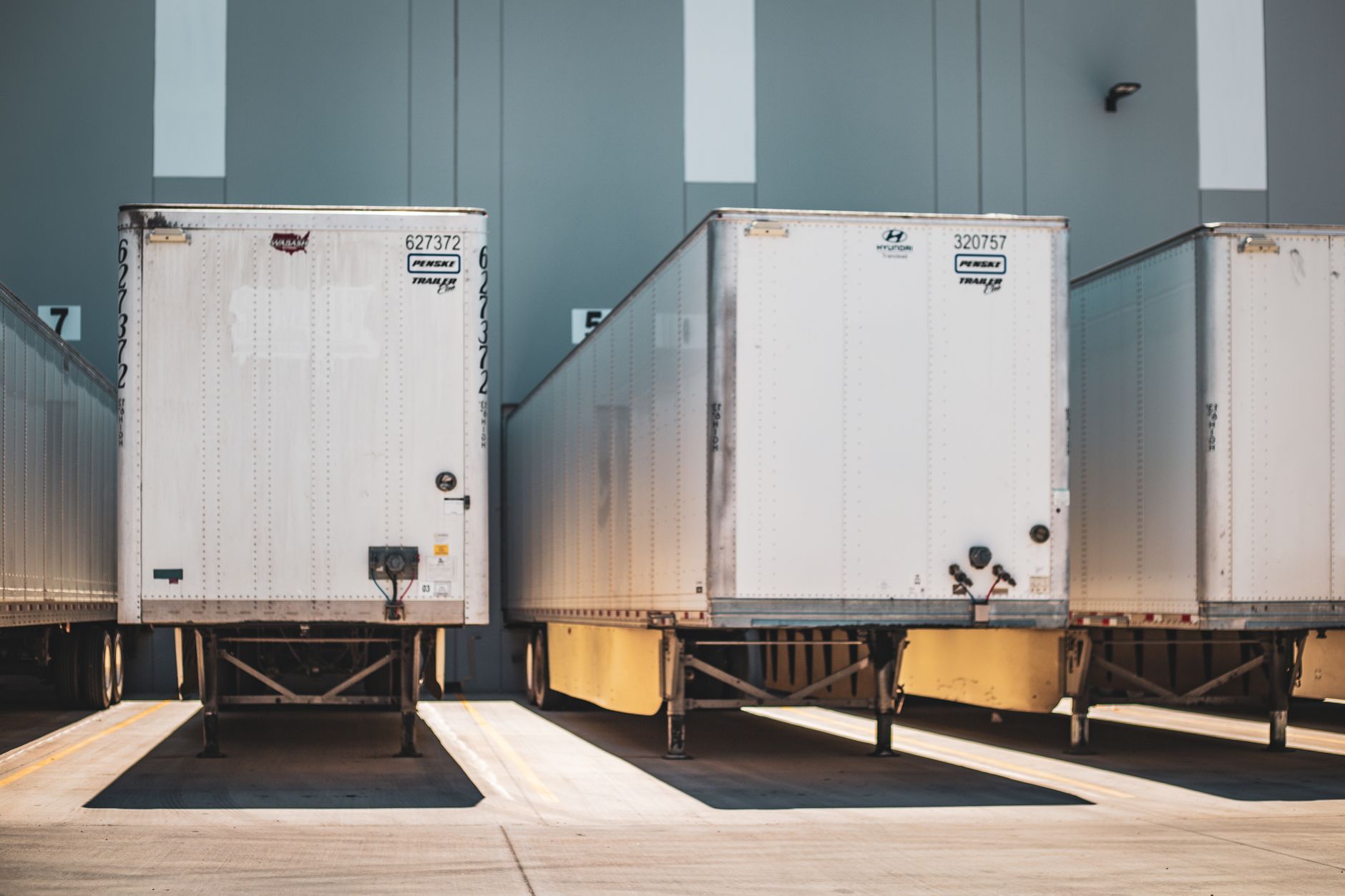
Route distance and stop count come first. Every added building, stop and return trip adds mapping work, runtime and a longer test period before go live. A run that loops inside one building costs less to set up than one that crosses a yard, a gated road and two buildings with other floor finishes.
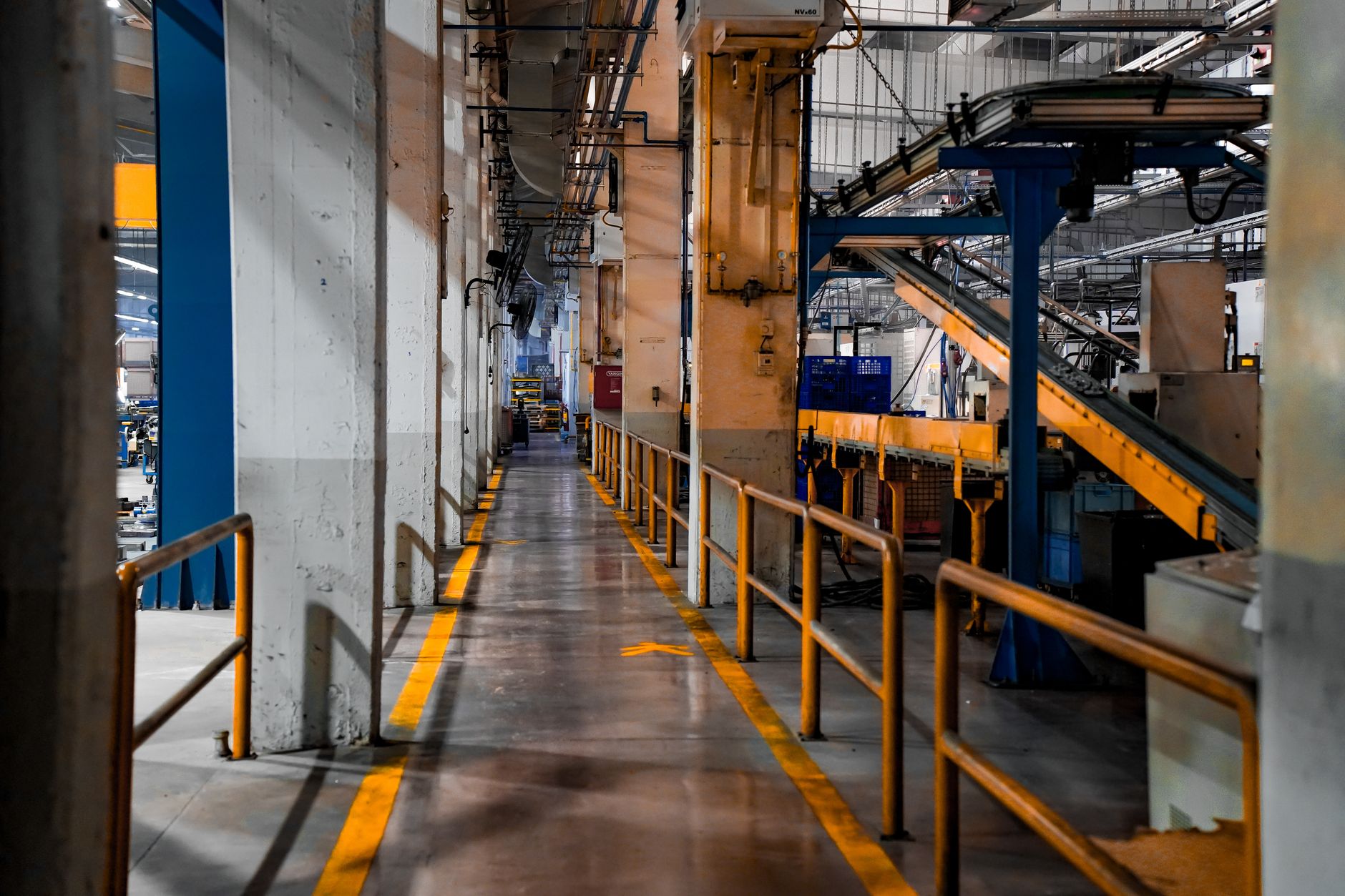
Floors, doors and elevators come next. Each door that must open on command, each elevator that must be called, and each threshold or ramp adds integration work and testing. Older campuses often have floors poured in separate decades, so the surface changes along one route. Outdoor paths with gravel, puddles or steep grades can change the vehicle and sensor choice.
Shift pattern and traffic matter as much as the layout. A route that runs overnight with no pedestrians and few vehicles costs less to run safely than one that shares aisles with forklifts, pallet trucks and carts across three shifts. Unit count changes the math as well. One robot covers one route, and a second unit for coverage or a spare adds a second lease and a second service schedule. Distance to the nearest technician also matters, since a rural campus may need more remote triage before a dispatch.
How much staff time do scheduled runs take back?
Labor is the reason scheduled runs are worth measuring. According to the Bureau of Labor Statistics Occupational Outlook Handbook, hand laborers and material movers held about 6,950,000 jobs in 2024, and that group is projected to add 258,400 jobs from 2024 to 2034, about as fast as average. The O*NET profile for laborers and freight, stock and material movers, hand lists about 384,300 openings per year, a steady recurring need for the kind of work a delivery run requires.
Safety context matters on the same campus. According to the BLS state release for Illinois, the manufacturing total recordable case rate was 2.7 in 2024, down from 3.1 in 2023. The BLS Pennsylvania release reports 3.3 in both 2024 and 2023, and the North Carolina release reports 2.2 in 2024 against 2.4 in 2023. The BLS injury and illness page lists 2,488,400 total recordable cases for private industry in 2024, and says 2025 survey data are scheduled for release on November 18, 2026.
Robot use is growing too. The International Federation of Robotics reports that US installations reached about 38,400 industrial robots in 2025, up 12%, and that the US passed Japan's 36,200 to become the second-largest market after China. Its figures show 307 industrial robots per 10,000 manufacturing employees in the US, and the federation attributes much of the rebound to food, warehousing and logistics rather than traditional manufacturing.
We did not find a published national figure for walking time or hours between buildings at manufacturing campuses. The hours on your campus therefore come from measurement, not from an average, and the table below shows which tasks we time.
How does leasing through financing work?
Leasing spreads the cost of a robot over a set term instead of asking for the full cost up front. You take a fixed robot lease payment through financing, and the quote states the term, the payment and what the payment covers. Our robots are only leased, so the decision rests on term, scope and service, not on the robot alone.
The quote is built around the route you measured. It lists the robot count, the mapped routes, integration with doors and elevators, training, the service plan and the response terms. A campus can start with one leased unit on a single route and add routes later, which keeps the first decision small and the measured results easy to read.
Ask for each line of the quote in writing. A lease with maintenance included is easier to compare with your existing staff time than a lease where service is billed separately, because the service lines change how much of the work the robot can absorb.
How do you get a quote after a free site assessment?
The quote starts with a free site assessment. We walk the route with you, record each stop, door and elevator, check floor surfaces and outdoor paths, and note shift coverage and traffic. We also time the runs you already make, so the hour figures in the quote come from your campus and not from an average.
After the assessment, we map the route, confirm the integrations and recommend a unit count that fits your runs. The fixed robot lease payment follows from that scope, and the quote lists what is included and what the campus must provide, such as power access, door control and a named contact for each building.
A pilot on one route is a practical next step before a full campus commitment. Starting with one leased unit lets you test the measured hours against real runs, and the results decide whether to add units.
What can a delivery robot not do on a manufacturing campus?
A delivery robot moves set loads along mapped routes. Unless a loading step is part of the quote, staff load and unload it. It does not open doors it has not been integrated with, and it cannot carry a load that does not fit its tray or compartment. Those limits should appear in the quote, so no one expects the robot to take on a task it was never set up for.
It cannot replace a forklift in a racked aisle, carry loads that need a crane or lift, or run a route that stays blocked for long periods. A yard where trucks park without a plan makes the robot wait or reroute, and each reroute adds time to the run. Routes that change often also need the map updated.
Expect exceptions to still be handled by people. A robot that stops at a blocked path needs someone to clear it, and a failed handoff at a lab door needs a call. Plan staff for these events rather than assume an uninterrupted route, and set a clear handoff at each stop so the run does not stall.
Is a delivery robot worth it on your campus?
Whether a delivery robot is worth it depends on the hours you measure against the fixed robot lease payment. Take the measured staff time on scheduled runs, add the time supervisors spend chasing items between buildings, and set that against the lease, service and integration lines in the quote. That comparison is the delivery robot cost for manufacturing campuses in practical terms.
Unfilled shifts change the math. The O*NET figures cited above show a steady flow of openings in material moving work. A campus that struggles to staff a run shift has a stronger reason to test a scheduled route than one with spare hands on every shift.
Start with one route, measure it over a few weeks, and let the results decide whether to add units. The Census Bureau released its 2023 County Business Patterns on June 26, 2025, and that file is a public reference for how many manufacturing workers sit in your county.
Frequently asked questions
Want a delivery robot at your manufacturing campus?
Tell us about your site. We will recommend the robot, quote the lease, and keep it serviced.
Sources
- BLS Mid-Atlantic regional release, Pennsylvania workplace injuries and illnesses
- BLS Midwest regional release, Illinois workplace injuries and illnesses
- BLS Southeast regional release, North Carolina workplace injuries and illnesses
- BLS Occupational Outlook Handbook, Hand laborers and material movers
- O*NET OnLine, Laborers and Freight, Stock, and Material Movers, Hand
- International Federation of Robotics, US robot industry returns to double-digit growth
- US Census Bureau, 2023 County Business Patterns release
- BLS Injuries, Illnesses, and Fatalities