
The short answer
Drone cost for cell towers depends on tower height, how hard the site is to reach, how many towers and antennas each flight must cover, how the imagery is mapped and fed into your records, and how much service and training the operator needs. The drone replaces part of the climbing inspection work, so its value rises with how often crews climb and what each climb costs in fall exposure and time out of service. A lease quote is set after a free site assessment that measures those factors on the actual towers.
Key takeaways
- Tower height and how often crews climb do most of the work in deciding whether a drone pays off.
- Mapping, software, maintenance, insurance and training are the costs most often missing from a first estimate.
- Time savings reported for towers come from vendors and one interview, so test them on your own sites.
- A lease is quoted in writing only after a free site assessment of your towers.
- Start with a timed pilot on a few towers before committing to a full fleet.
What does drone cost for cell towers actually depend on?
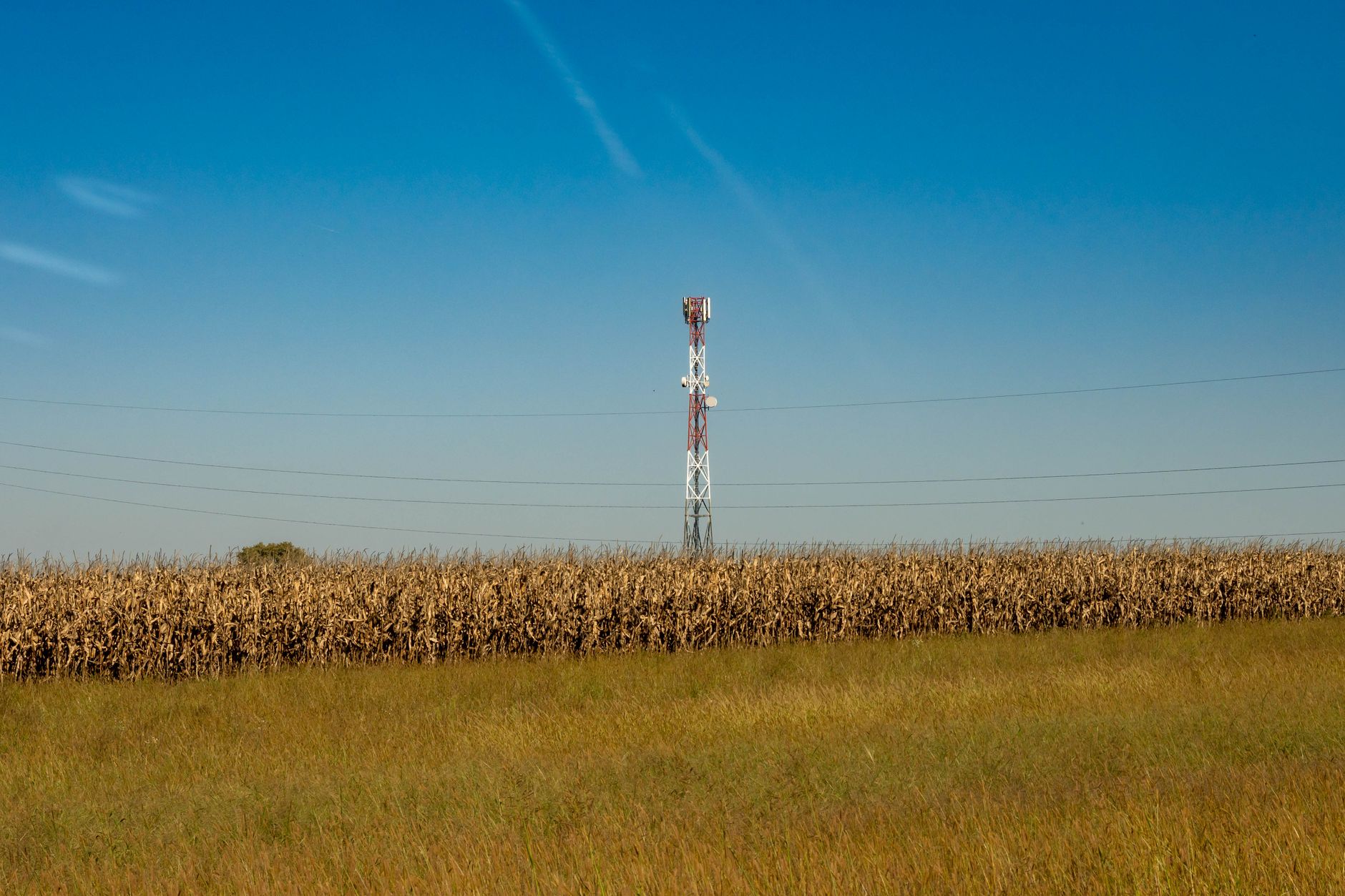
Drone cost for cell towers is not one fixed number. It is the sum of what the site asks from the aircraft, the software that turns flights into usable records, and the service that keeps the drone flying through a season. According to the Wireless Infrastructure Association, about 158,500 purpose-built cellular towers were in operation at the end of 2025, so one inspection method has to fit very different sites.
Two towers of the same height can produce very different quotes. One may sit in open ground beside a gravel road, while another sits inside a fenced compound with overhead lines, on a ridge where wind picks up, or near a restricted zone. The site decides how long each flight takes, how often it can fly, and how much planning must happen before the first flight.
Read a quote by separating fixed parts from variable ones. Fixed parts include the aircraft, the first setup, the software seat and staff training. Variable parts include the number of towers on a route, the distance between them, the antenna count, how often you fly, and how much imagery must be processed or integrated into your asset records. Knowing these inputs before a quote arrives lets you check each line instead of accepting one number you cannot interpret.
How does tower height change the cost of a drone program?
Height changes the flight itself. The drone has to hold position in wind that usually grows with altitude, keep a clear radio link across a long structure, and carry its camera close enough to antennas and mounts to see detail. Those demands affect how much flying time a tower needs and how much review follows each flight.
Height matters even more on the climbing side of the comparison. ProPublica's recalculation of federal data for 2003 to 2010, which used OSHA's method and is not an official OSHA publication, put tower work at an average of 123.6 deaths per 100,000 workers, against 10.7 for construction. OSHA's own 2008 analysis put the tower industry's fatality rate above ten times the construction average.
Counting is part of the problem. According to ProPublica's review of the method, there is no dedicated Bureau of Labor Statistics occupation code for tower climbing, so official figures undercount tower work. A NIOSH estimate from about 2000 put fatal injury risk for telecom tower workers at 49 to 468 per 100,000 employees, against about 5 per 100,000 across U.S. industry. Those ranges are wide, but none of the estimates treat climbing as ordinary work.
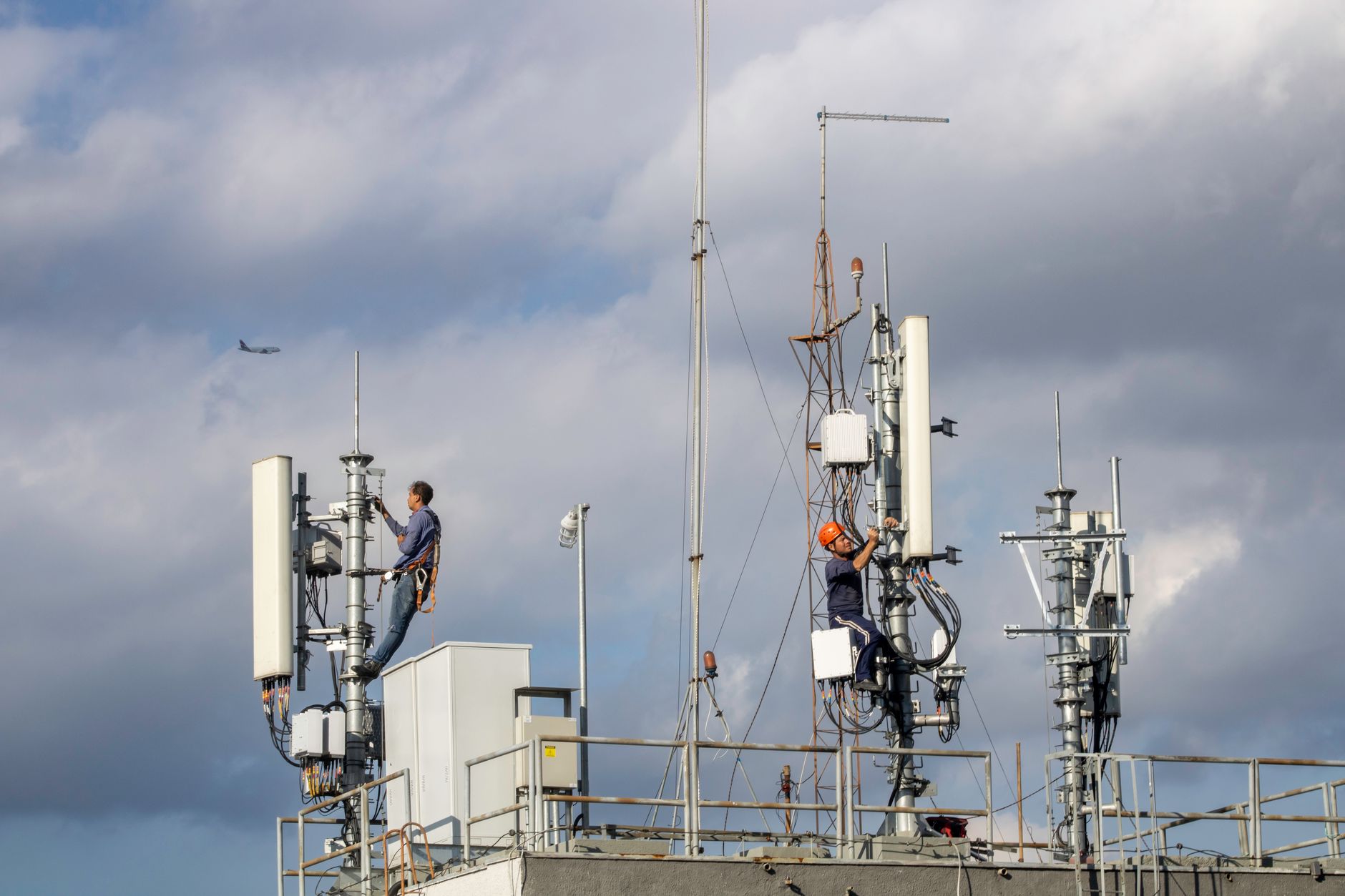
For a drone budget, the implication is that every routine climb for visual inspection carries exposure a drone can remove for that task. A trade publication summarized 2025 falls that included a technician who fell about 100 feet from a 300-foot guyed tower in Wisconsin, a worker who fell about 200 feet in Arkansas, and an engineer who fell about 250 feet in Ohio. Start the drone plan with the tallest sites, where a fall is most severe.
Is drone cost for cell towers worth it compared with climbing crews?
The fair comparison is not a drone against nothing. It is a drone against crews who climb, plan rigging, hold a site for a day or more, and sometimes return for a second visit. Count climbs per tower per year and the hours each climb takes, then set that against the flight, processing and service hours a drone program would need.
Labor supply is part of the picture. A National Association of Tower Erectors survey, reported on July 29, 2025, found that 54 percent of respondents had reduced headcount over the past three years. A Federal Communications Commission commissioner cited a need for about 20,000 additional tower climbers and telecom technicians, an industry-cited estimate rather than a measured count.
A staffing shortage does not make a drone automatically cheaper. It makes the cost of a delayed inspection more visible, and it shifts the decision toward tasks that do not need a person on the structure. Measure your own climbs before you accept any savings figure, including the ones in this guide.
How much time does a drone save on a tower inspection?
Time savings are the figure most often quoted and the least independently tested for cell sites. The numbers below come from vendors and an operator interview, so treat them as claims to verify on your own towers.
A vendor case study on transmission tower inspections reported a 60 percent cut in inspection time, with on-site time under one hour and photos reduced from 90 to 18. A vendor trial on a telecom network reported inspection time falling from one day to about one hour, with cost down by one third. A national carrier executive, in a 2017 interview, said cell site maintenance dropped from one week to about four hours. That was an interview claim, not a study.
We found no independent 2025 study of drone time savings on cell sites. The sensible check is a timed pilot on a handful of towers, recording crew hours and the days each site spent out of service before and after the drone starts.
How does leasing through financing work, and what does the quote include?
We lease drones through financing, so the cost arrives as a fixed lease payment over the term rather than as a large upfront capital outlay. The payment is set in a written quote after a free site assessment, so it reflects your towers and not a generic estimate.
During the assessment we record tower height, access roads and gates, airspace limits, wind exposure, antenna count and the inspection schedule for the next year. We then recommend the aircraft and flight plan that fits those sites. The payment reflects that recommendation, the number of units, the lease term and the service level you choose.
A quote from us should show the term, the deployment and integration, the training sessions, service and dispatch coverage, and the terms for a backup unit when a drone is down. Ask for each item to be listed separately. Anything not written into the quote should be raised before you sign.
What can a drone not do on a tower?
A drone inspects what it can see. It can photograph antennas, mounts, cable runs, grounding and visible corrosion from several angles, and repeat the same route on a schedule so changes stand out over time. It cannot tighten a bolt, replace a feedline, test a connection under load or look inside an equipment shelter.
Structural questions often need close work. A hairline crack under paint, a loose member or a failing weld may need a crew with the right tools and a closer look than a camera provides. Treat a drone image as the screen that decides where the crew goes, not as the final word on structural condition.
Weather and airspace set limits. Wind, rain, low visibility, and nearby airports or restricted zones can stop a flight, and some routes need permissions before flying. Radio interference from the site can affect the control link, so pilots check each route before launch. Work at height rules still apply to any crew that must climb.
What should you check before you decide?
Before you accept a quote, check the inputs that move the number. Most of them are visible on a site map and a tower list, which is why the free site assessment starts there.
Decide what success looks like before the first flight. A timed pilot on a few towers, with crew hours and out-of-service days recorded before and after, gives you a baseline you can trust. Without that baseline, any savings claim, including the ones in this guide, is only a claim.
How do you get a quote for a drone on your towers?
Start with a list of your towers, their heights and locations, and the inspection schedule for the next year. Add notes on access roads, gates, overhead lines and any restricted airspace nearby. That list lets us schedule the free site assessment for the sites that matter most.
After the assessment you receive a written quote with the lease payment, term, deployment and integration, training, service and backup unit terms. If you want to test the hours first, ask for a pilot on a handful of towers. We can start with one leased unit and add more once the records support the plan.
Our role is to choose the drone that fits the sites rather than the one with the most features. We integrate it with your records, train your people and service the aircraft nationwide, so your program is not tied to a single manufacturer's schedule.
Frequently asked questions
Want a drone at your cell tower?
Tell us about your site. We will recommend the robot, quote the lease, and keep it serviced.
Sources
- Wireless Infrastructure Association, Wireless Infrastructure by the Numbers 2025
- ProPublica, cell tower work fatalities methodology
- Wireless Estimator, 2025 tower fatality reporting
- NATE survey as reported by Broadband Breakfast (mirror)
- VentureBeat, Senate committee on tower climber shortage
- Pix4D vendor case study, transmission tower inspections
- RCR Wireless, NIOSH questions telecom tower worker accident numbers
- Drone interview with an AT&T executive on cell tower inspection