
The short answer
Drone cost for vineyards depends on the work the drone has to do at your site, not on the aircraft alone. The main drivers are how many acres one flight plan covers, terrain and row layout, how often each block is flown in a season, the mapping and software needed to turn images into vigor zones, and the service plan that keeps the unit flying. A lease quote is written after a free site assessment, which measures those factors on your blocks.
Key takeaways
- Block size and flight frequency move drone cost for vineyards more than the aircraft does.
- Hillside terrain and tall edge canopy add passes, flight time and processing.
- Mapping, software, insurance and training are the costs people most often miss.
- Spraying needs a separate Part 137 certificate and is not part of scouting.
- The lease quote follows a free site assessment and lists what is included.
What does drone cost for vineyards depend on?
Drone cost for vineyards is set by the scouting job, not by the aircraft alone. A grower who flies one small block once a season has a different job from one who flies hundreds of rows several times a season. The lease quote follows that job, so it is written only after we measure your blocks at a free site assessment.
The useful question is what the drone has to deliver. A vigor map that crews use to decide where to check first needs a flight plan, usable imagery and a processing step that a person can read. Each of those adds work, and each shows up in the quote as a choice you can see and change.
Which vineyard factors raise or lower the cost?
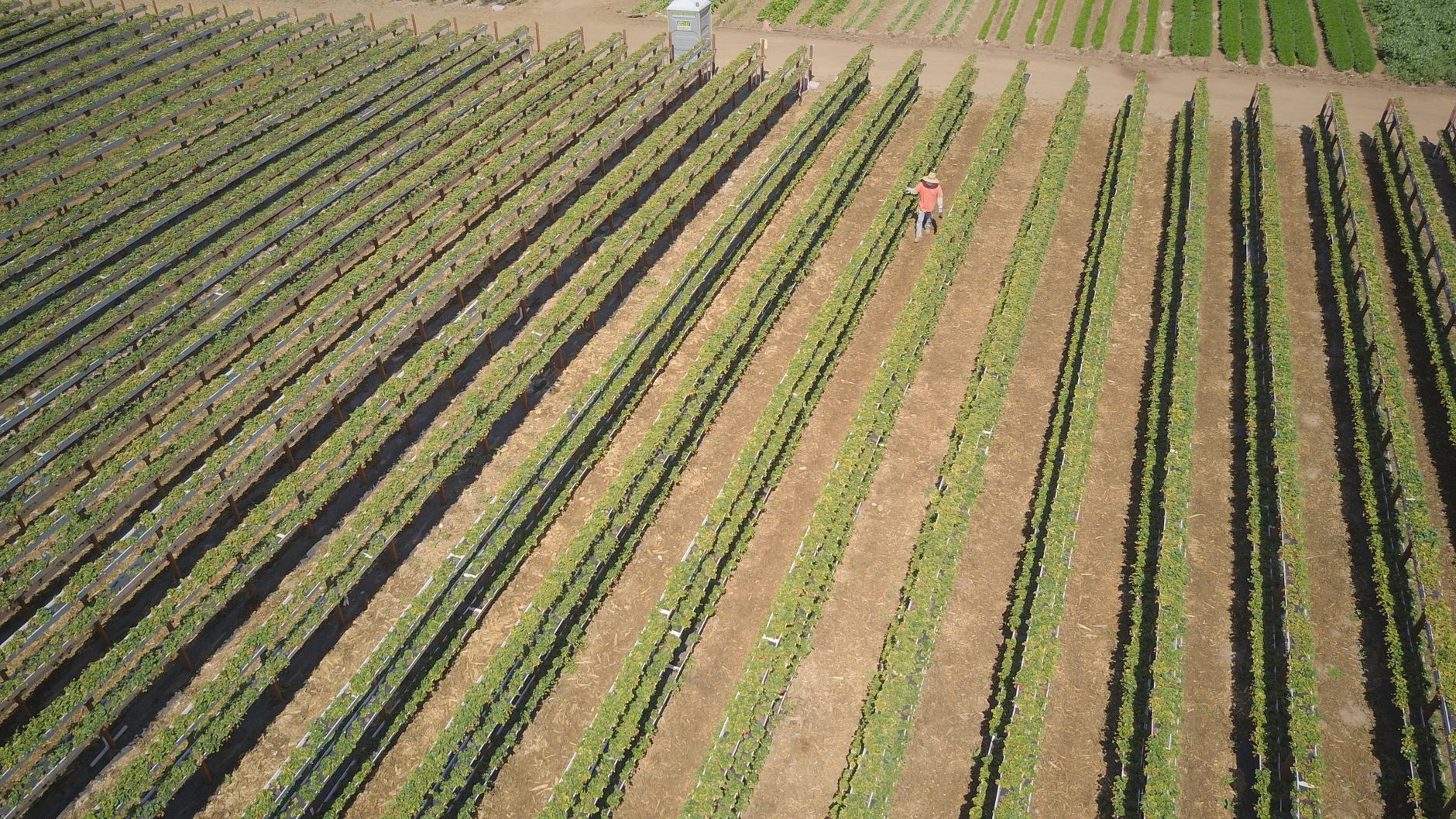
Block size is the largest single driver. More acres mean more flight time, more battery changes and more imagery to process. Terrain and row layout come next. Slopes, terraces and tall canopy at the edges can mean extra passes and tighter flight lines to keep the images consistent across the block.
Flight frequency matters as much as acreage. One mapping flight at the start of the season costs less than repeat flights timed to pruning, bloom and veraison. Mapping scope also moves the number, because a map that crews read every week needs a different workflow than a one-time survey.
Fleet size and service decide the rest. One unit flown by trained staff is a different plan from several units sharing one processing schedule. A service plan with on-site dispatch and remote triage costs more than none, but it cuts the days a block goes unscouted after a fault. Weather touches every line, since wind and rain limit when a drone can fly in any season.
Why does scouting fit vineyards better than walking every row?
Scale is the core reason. According to the USDA National Agricultural Statistics Service, California had 881,000 total grape acres in the 2021 crop, with 829,000 bearing, and the series high was 928,000 total acres in the 2014 crop. The 2025 California Grape Acreage Report, released April 22, 2026, shows total grape acreage falling again. Within that report, bearing table-grape acreage held at 115,000 acres, while non-bearing table-grape acreage fell to 3,000 acres, a 40.0 percent change.
The vigor research points the same way, with caveats. An Italian UAV study on Sangiovese vines found that NDVI tracked pruning weight within each vigor zone, and that drone estimates of canopy volume and height matched field measurements well. A Romanian study used a low-cost multirotor with a multispectral sensor to count missing vines and map NDVI vigor, but its abstract reports no measured time savings.
Adoption is still early. In a 2025 study by Stratovation Group, which drone and crop-input companies sponsored, more than 67 percent of 261 large full-time US row-crop farmers said they use no drone of any type. Among those non-users, 30 percent plan to add one within 35 months and 41 percent never plan to. The 2025 Iowa Farm and Rural Life Poll, as reported by Farm Progress, found 22 percent of Iowa farmers used a drone or drone service provider. We found no vineyard-specific adoption figure.
How much crew time does scouting actually replace?
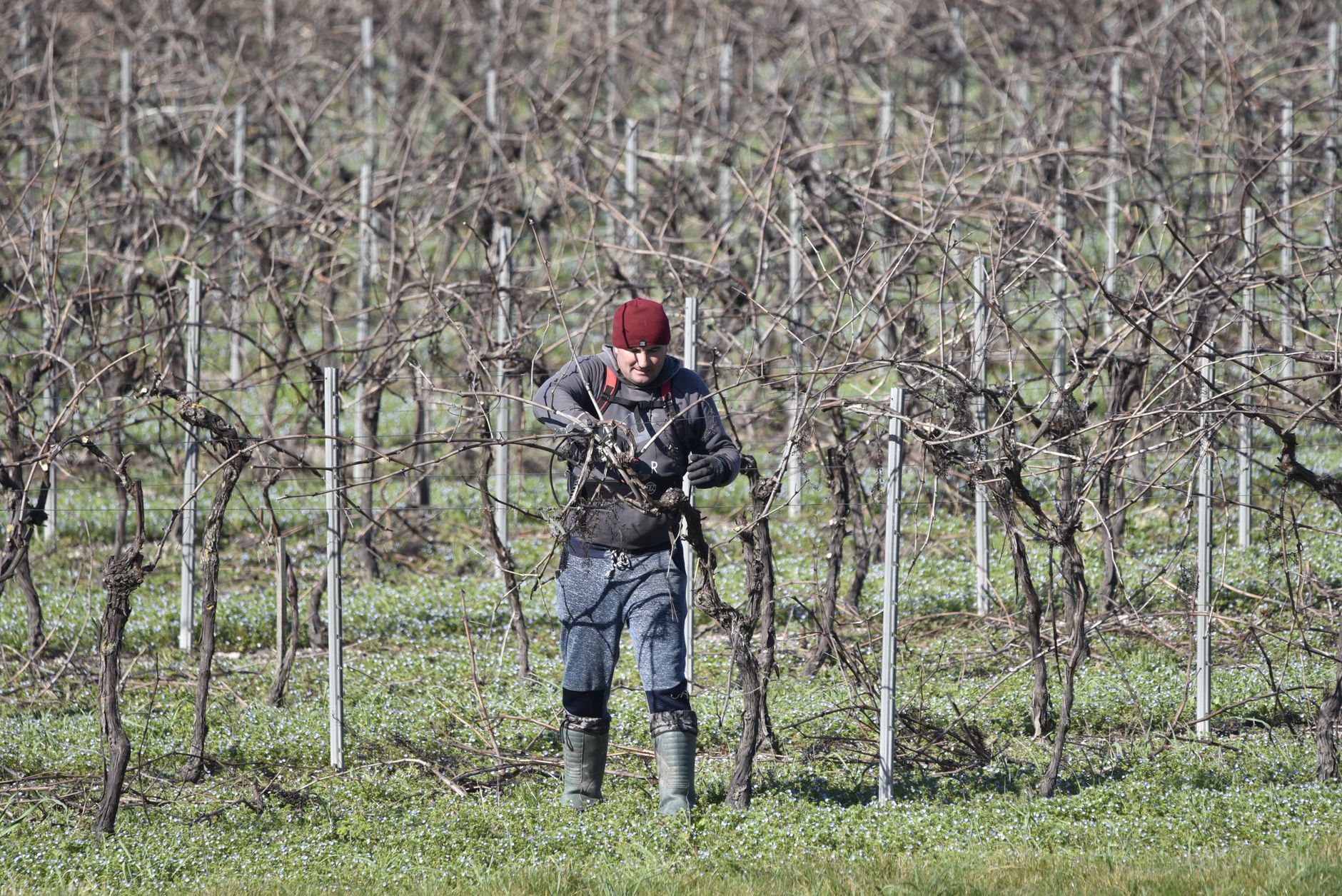
Drone scouting changes which walking the crew does, not whether they walk. The map flags the areas worth a look, so crews check those first instead of making blind passes across a uniform block. Trail checks, weather stations and pest traps still need people on the ground, and they stay on the schedule.
We did not find a verified time-savings figure for vineyard scouting, so we will not put an hour number on your blocks until the site assessment measures them. The Midwest Vineyard Labor Calendar, a University of Missouri system publication, says its estimates assume manual execution by skilled vineyard labor. It also notes that unskilled labor needs more training and has lower productivity, so a crew still learning the rows should expect a slower walk.
Do you need a licensed pilot, and what does that add?
Business flights over a vineyard generally need a Part 107 Remote Pilot Certificate. According to a December 2025 UC ANR newsletter, that applies to scouting, irrigation checks and mapping flights done in furtherance of a business, including on your own farm. The certificate requires an aeronautical knowledge test, applied for through IACRA on FAA Form 8710-13, according to a University of Maryland Extension guide.
The certificate has to stay current. According to a 2023 Colorado State University Extension fact sheet, it is valid for 24 calendar months, after which recurrent online training is required and listed as free. Spraying is a separate matter. The University of Maryland guide says it requires a Part 137 certificate, so it sits outside this scouting scope.
How does leasing through financing work and what does the quote include?
You lease the drone through financing rather than paying the full cost up front. The quote states a fixed lease payment for the term, along with the unit, deployment, integration, staff training and the service plan. It also lists the items that are separate, so every quote is compared on the same scope.
The quote is written only after a free site assessment. That ties the payment to your blocks, terrain and flight plan instead of a generic estimate. A lease quote without that assessment is a guess about flight time and processing volume, and it will change once someone measures the site.
What can a drone scouting lease not do?
A scouting drone does not spray, and spraying needs its own certificate and separate permits. It also does not replace the ground check. A vigor map points crews to areas worth a look, but a person still confirms the cause before a decision about the block.
Imagery depends on weather and season. An Ontario commentary notes that year-to-year weather can shift NDVI zone patterns, and it lists cost and time to usable data among the barriers to drone imagery. Flights also wait for suitable wind and rain, so a block may not be flown on the day it was planned.
How do I get a drone cost for vineyards quote?
Start with the free site assessment. We walk the blocks with you, measure acreage and terrain, note flight constraints and agree on what the maps need to answer, such as which blocks to check first. Bring a block map, the planting layout, the number of flights you want each season and the names of the staff who would fly and read the data.
The written quote follows. Compare quotes on the included list rather than the headline payment, and ask for mapping, software and insurance to be stated as included or separate. We integrate the drone into your workflow, train your staff and service it nationwide, so one partner handles the unit from delivery to repair.
Frequently asked questions
Want a drone at your vineyard?
Tell us about your site. We will recommend the robot, quote the lease, and keep it serviced.
Sources
- USDA NASS, 2025 California Grape Acreage Report
- USDA NASS, 2021 California grape acreage summary
- Stratovation Group 2025 drone use study, via Oklahoma Farm Report
- Farm Progress, Iowa farmer drone survey
- UC ANR Viticulture Tips newsletter, December 2025
- University of Maryland Extension, FAA Part 107 certification guide
- Colorado State University Extension, drone pilot certificate fact sheet 2023
- Midwest Vineyard Labor Calendar, University of Missouri system