
The short answer
Drone cost for water storage tanks depends mainly on how many tanks a site runs, how often each one must be inspected, how hard each one is to reach safely, and whether the flights need mapping, data handling and airspace authorization. Labor is the other side of the math, since the price to lease a drone is weighed against climbing crew hours, tank downtime and the staff time spent on each inspection. No single figure applies, so the lease quote follows a free site assessment.
Key takeaways
- Tank count and inspection interval move the total more than the drone itself does.
- Climbs and tank outages are the costs a drone visit can actually replace.
- Mapping, software, insurance, training and airspace approval are the lines early estimates often miss.
- Beyond visual line of sight flights still depend on present approvals, so check authorization first.
- A lease quote comes after a free site assessment, and it lists what is included.
What is the drone cost for water storage tanks?
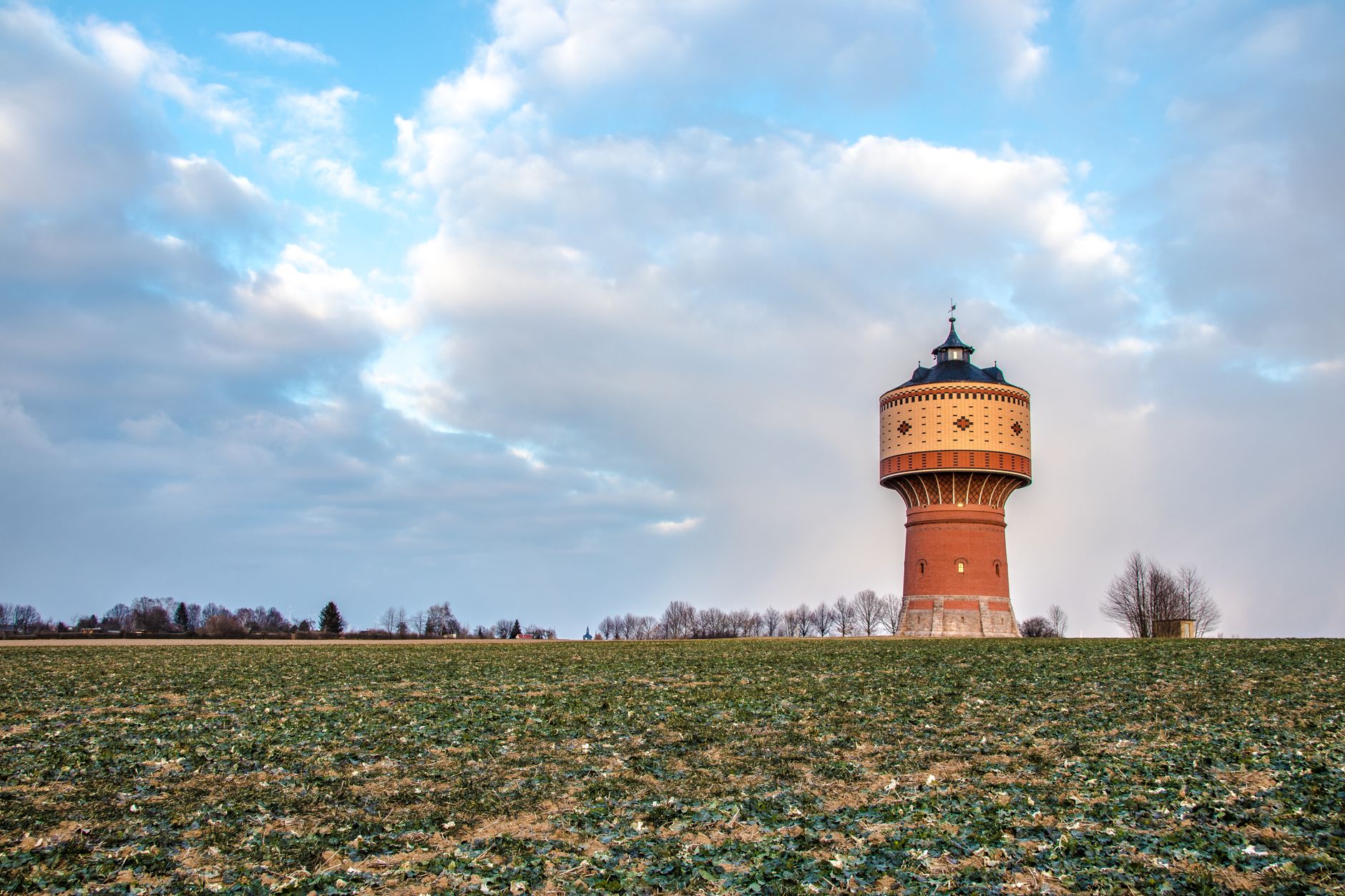
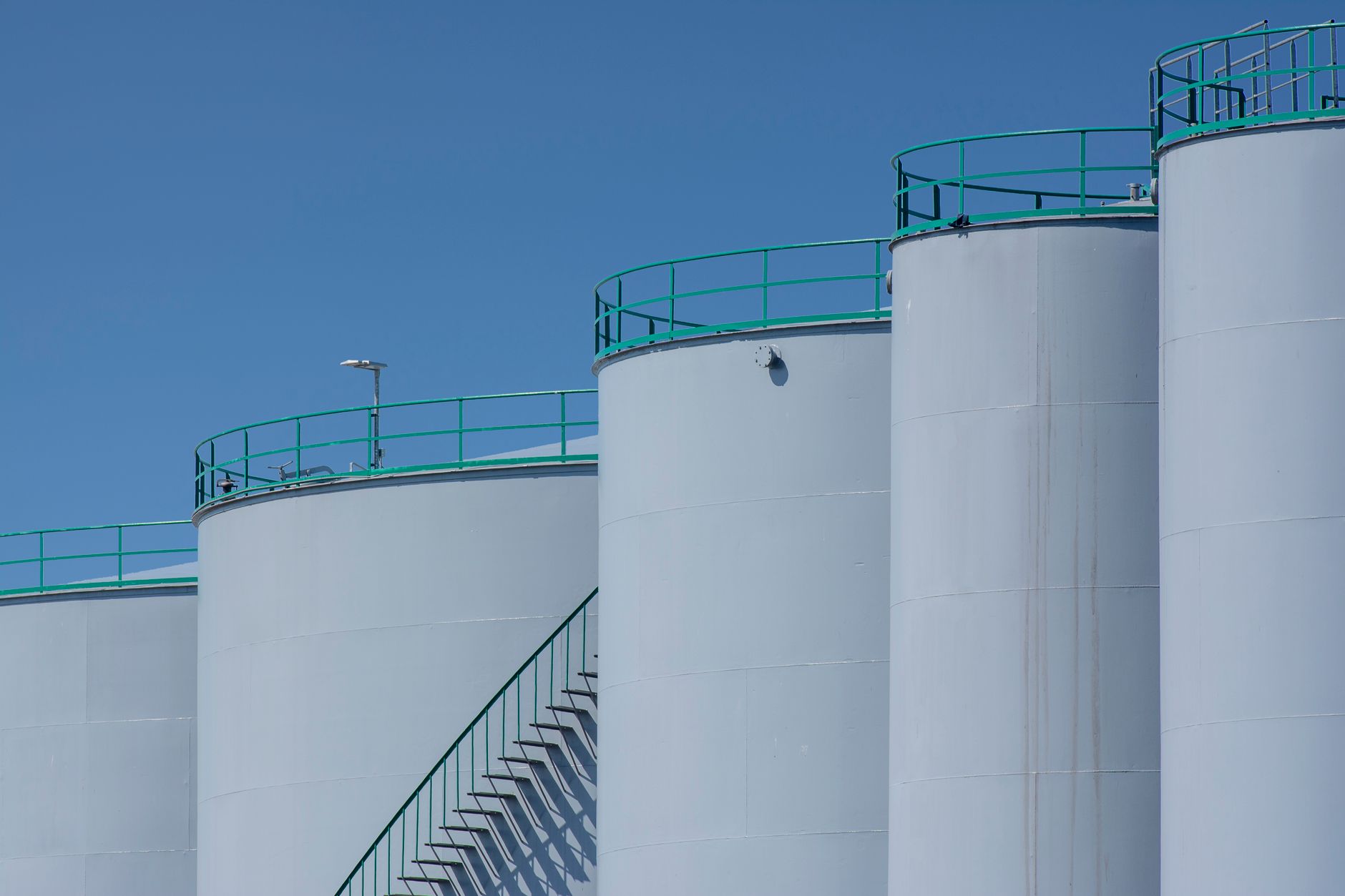
The drone cost for water storage tanks is not one number. It is set by how many tanks a site runs, how often each tank must be inspected, how hard each one is to reach safely, and how much work sits around the flight itself. A utility with a handful of tanks and a yearly visual check carries a much smaller job than a utility inspecting dozens on a shorter cycle, even when the tanks look alike from the road.
The direct answer is that cost follows the number of flights and the hours surrounding them. Flights come from the inspection schedule. The surrounding hours include route planning, airspace checks, mapping, image review, reporting and record keeping. Each of those can outweigh the flight time, so two tanks of the same size can produce totals that do not match.
Our team gives each site a lease quote only after a free site assessment, because the same tank count can carry a much heavier scope when access or interval change. Treat any single number on a page, including this one, as a starting frame rather than a quote.
How often do water storage tanks need inspection?
No national count of water storage tanks in the United States turned up in our research from the EPA or the American Water Works Association, so a site owner cannot pull a national inventory to size a program. The inspection interval is easier to pin down. Wisconsin's administrative code says all storage facilities shall be inspected at least every 5 years, and it requires interior and exterior paint on steel tanks on towers to be inspected by a person trained to evaluate the paint system.
A trade press article on storage tank maintenance reports that AWWA recommends water tanks be inspected every 3 to 5 years. We did not retrieve the AWWA standard text itself, so treat that range as reported rather than checked against the standard. The interval matters because a 3 year cycle puts more visits into the same stretch of years than a 5 year cycle does, and each visit carries the planning and review hours described below.
Scale is the other driver. A federal EPA order requires the Los Angeles utility to inspect nearly 100 reservoirs and storage tanks by December 31, 2031, as reported in December 2025. A site or utility with that many structures is pricing a program, not a single visit, and the lease quote has to reflect the full schedule.
Which site factors move the drone cost for water storage tanks up or down?
Tank count is the biggest lever. Mobilization, flight planning, data handling and report writing repeat for each visit, so a site with many tanks multiplies those hours. A single tank on a short, clear route costs less to set up than a cluster of tanks on one property that each need their own flight plan. Height and access come next.
A tank with a short approach, a clear roof and open airspace needs little planning. A tank behind fencing, over a road, close to a substation or inside a busy yard adds approach work, safety coordination and sometimes a site contact on the day. Surfaces matter too. A check for roof seams, hatch locks, vent screens and warning lights is a separate job from a coating condition survey that needs close images and measurements.
Airspace and authorization add cost where they apply. Beyond visual line of sight flights need a waiver or a Part 135 certificate under present rules, and the FAA's Part 108 rule had not taken effect in the sources we reviewed. Sites near controlled airspace take more planning than rural sites, and a waiver adds lead time that the plan must allow for.
Mapping and integration tie the whole program together. If images must be georeferenced, compared against earlier flights and fed into an asset system, software and staff time grow with every site and every interval.
Why do climbing crews make drone inspections worth comparing?
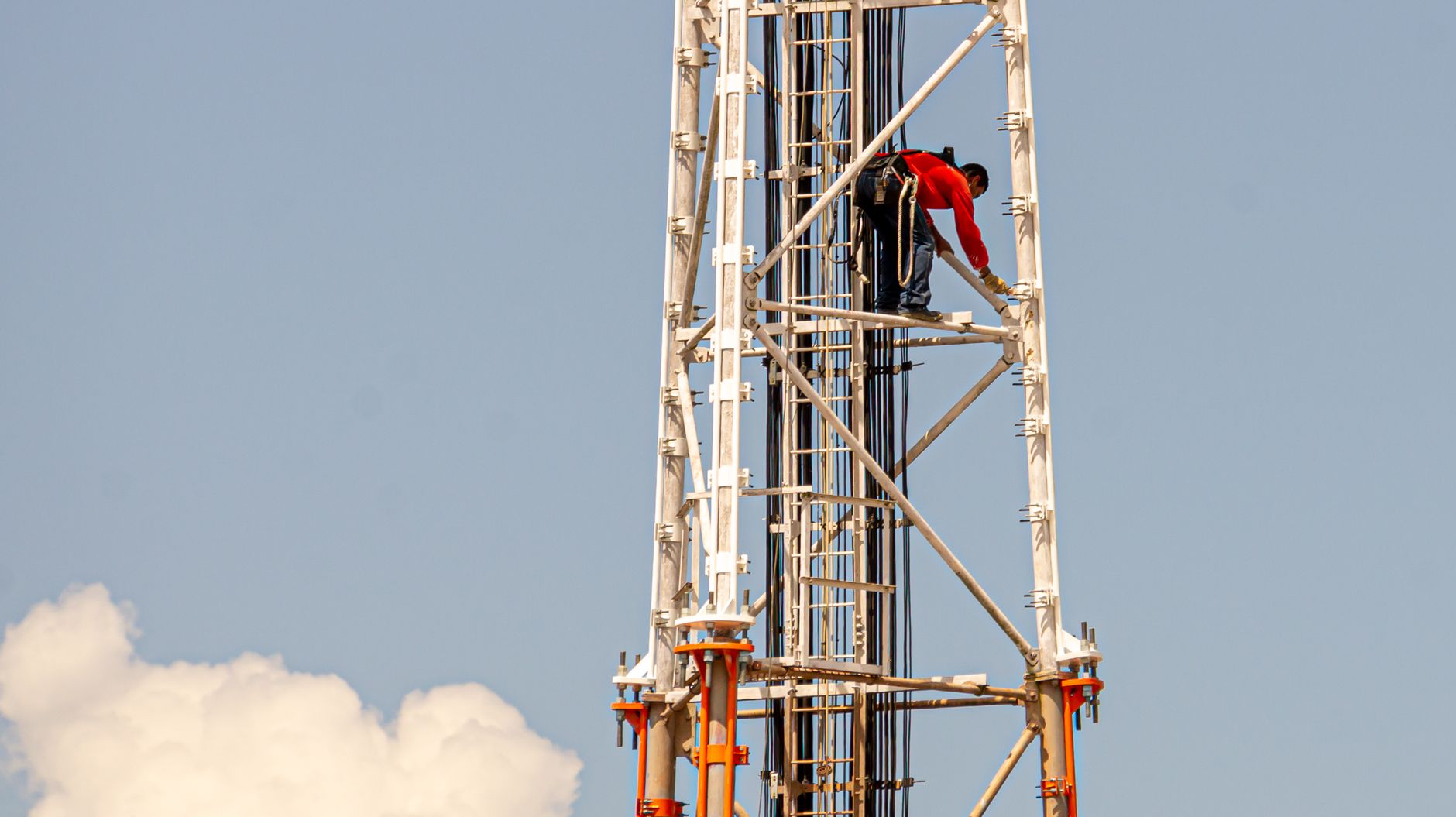
Falls are the reason this comparison is worth running. The Bureau of Labor Statistics counted 5,070 fatal work injuries in 2024, down 4.0 percent from 5,283 in 2023. Falls, slips and trips caused 844 of those deaths in 2024, down from 885 in 2023, a drop of 4.6 percent, according to the Bureau's summary of the 2024 data.
Those figures are national and cover all work, not water tanks alone, so they do not prove a tank climb is unsafe on its own. The Bureau's Census of Fatal Occupational Injuries release also reports that about 10.8 percent of 2024 fall deaths came from falls over 30 feet. Whether a given tank is above that height depends on the structure, but a climb that stays off the roof removes one exposure from the job.
Taking the tank offline is the other cost. Where an inspection requires an outage, the planning, notices and staff hours around that outage are added to the crew day. A drone visit that works from the ground can keep the tank in service, and that outage time is the line item people most often underestimate.
How does leasing a drone for tanks through financing work?
We pick the right drone for the site, lease it through financing, deploy and integrate it, train your staff and service it nationwide. The equipment is leased, so the cost arrives on a fixed lease payment schedule rather than as one large upfront charge, which can make the program easier to fit into an operating budget.
The quote comes after a free site assessment. That visit counts the tanks, checks height and access, reviews the inspection interval and identifies airspace, mapping and permit needs. The quote then lists the lease term, the fixed lease payment, deployment and integration, training and the service plan, so the numbers reflect the sites you actually operate.
Many teams start with one leased unit on one or two tanks. That tests the workflow and produces measured hours before the program scales across other sites, and it shows how the lease, training and service plan fit the crews who will use them.
What can a drone not do on a water tower?
A drone captures images and readings from outside and from the roof. It does not replace a trained person where a rule requires one. Wisconsin's code requires paint inspection on steel tanks to be done by a person trained to evaluate the paint system, so the images feed that review rather than substitute for it.
Weather limits flights, and wind or rain can stop a visit or force a second trip. Interior inspection, work inside the tank and structural assessment fall outside what an exterior flight covers, so those work orders still need crews and their own planning. A drone gives the team a better picture before a crew goes up or in, which helps decide which tanks truly need hands on work.
Rules change. Until the FAA's Part 108 rule takes effect, beyond visual line of sight work depends on a waiver or a Part 135 certificate, and those approvals should sit in the plan from the first site visit.
How many labor hours does a drone program take over, and who does the work?
The Bureau of Labor Statistics projects a 6 percent decline in water and wastewater treatment plant and system operator jobs from 2023 to 2033, about 7,500 jobs, from a base of about 124,700 jobs in 2023. Local government employs 75 percent of these workers, and the job needs long training on the job. A slowly shrinking pool of trained operators makes every hour of climbing and outage planning harder to staff.
The drone shifts those hours rather than deleting them. Climbing and roof walks move to a flight window, and the work after the flight moves to review, logging and follow-up. Staff still plan the route, check the images, decide which tanks need a closer look and keep the record that an auditor or regulator will ask to see.
Measure three lines before and after rollout: crew hours per tank, outage hours and review hours. Those numbers show whether the program saves labor or only relocates it, and they are the figures the lease quote should be checked against.
How do I get a quote for drone cost for water storage tanks?
Start with a free site assessment. Send the tank count, the inspection interval, any permit requirement, and notes on access and airspace near each site. The assessment confirms the flight plan and mapping work, then returns a lease quote that matches that scope.
Compare quotes on the same scope: number of tanks, interval, authorization path, data deliverables, training and service response time. A low lease payment with a thin service plan can cost more over the term than a higher quote that covers dispatch, repairs and emergency replacement.
If the program is still undefined, a single tank pilot gives a measured baseline for hours and findings before you scale across the fleet. That is a practical first step for most teams, and it keeps the decision tied to your own numbers rather than to a general figure.
Frequently asked questions
Want a drone at your elevated water storage tank?
Tell us about your site. We will recommend the robot, quote the lease, and keep it serviced.
Sources
- Bureau of Labor Statistics summary of 2024 fatal work injuries
- Bureau of Labor Statistics Census of Fatal Occupational Injuries 2024 release
- Bureau of Labor Statistics Occupational Outlook Handbook, water and wastewater operators
- Wisconsin Administrative Code NR 810, storage facility inspection
- Trade press article on storage tank maintenance
- Los Angeles utility EPA inspection order report, December 2025
- FAA Part 108 OIRA review status