Summary
Most courses can't finish mowing before the first group tees off, so crews spend much of the morning mowing around golfers. Golfers notice the interruptions, and the crew loses time waiting for groups to pass.
Count how much mowing happens during play hours and what it costs in waiting time and golfer complaints. That count is the case for moving mowing earlier or overnight.
01 / Analysis
Why crews mow during play
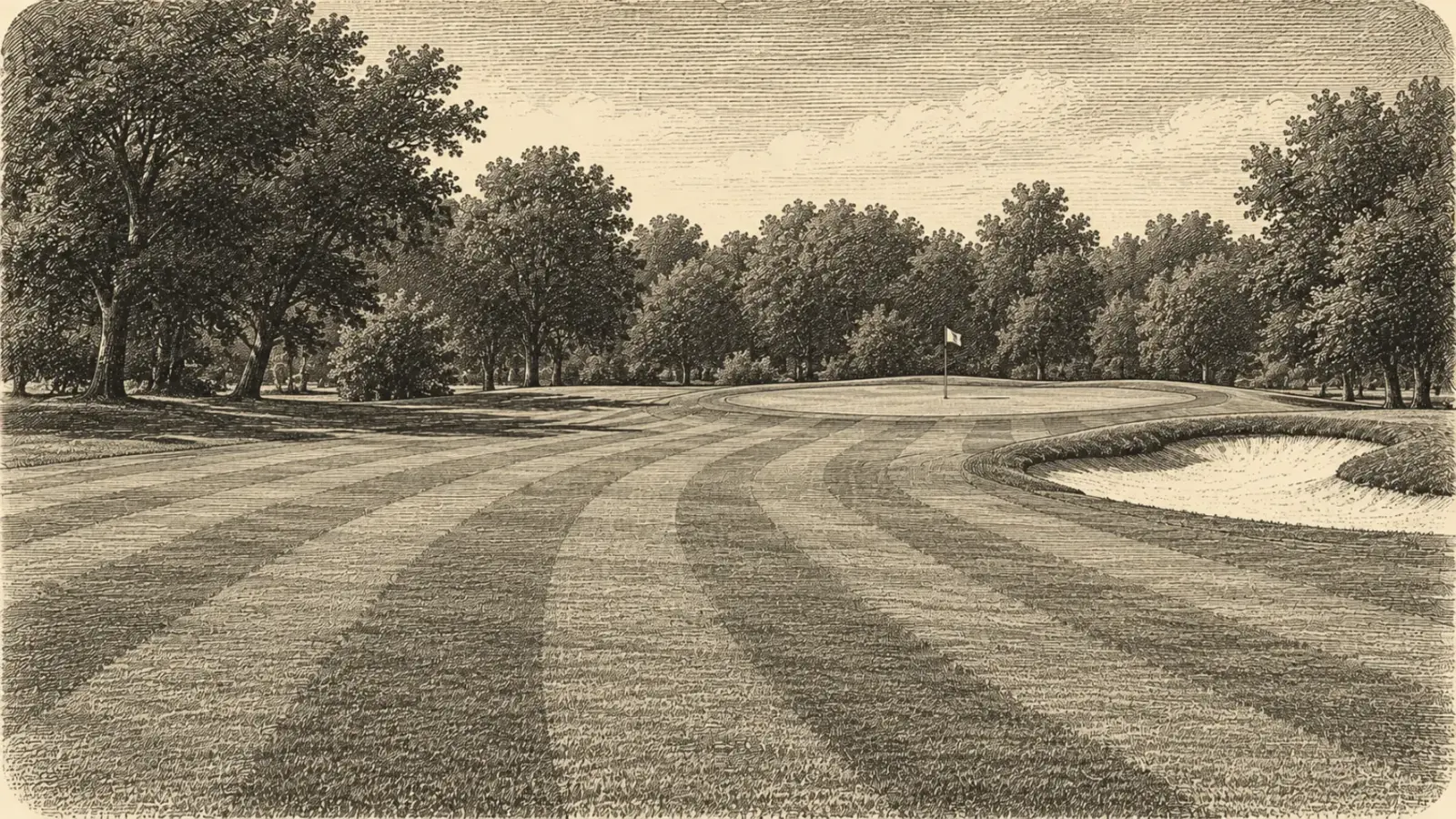
USGA explains that it is often not possible to mow 25 to 50 acres of fairway ahead of play. Fairway mowing can take several mowers several hours, and many courses don't have the staff or equipment to finish before the first tee time. Crews often work the holes in reverse order to limit run-ins, and as the course fills it becomes almost impossible to avoid working around and near play.
02 / Analysis
What it costs
Golfers feel it as waiting and noise. On one golf forum, a club member said he sometimes skips a hole when the mowers are out. Every stop adds to a round that already averages about 4 hours 30 minutes, according to USGA.
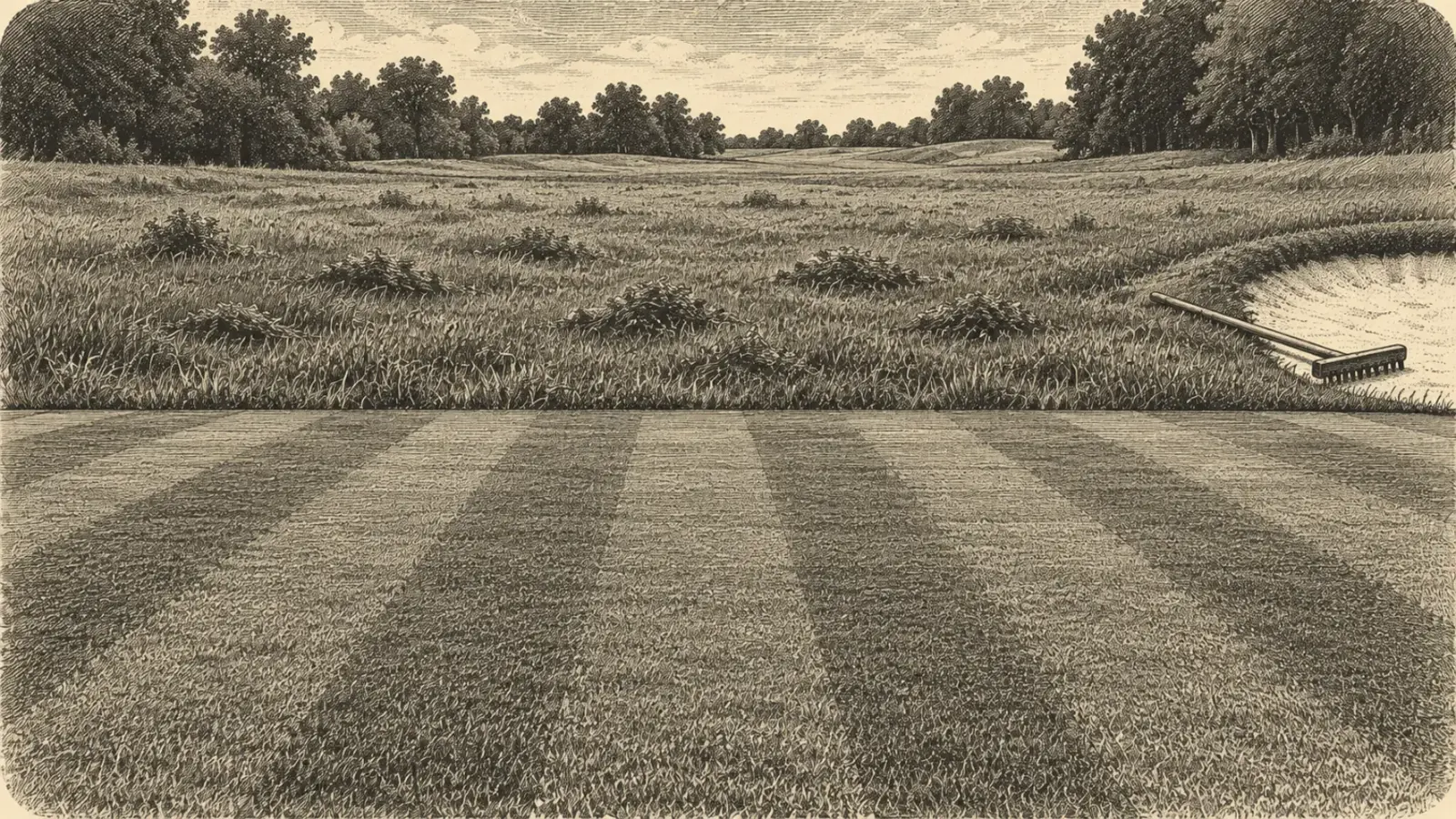
The crew pays too. A mower that stops for each group finishes later, and on busy days some areas get skipped. One superintendent told Golf Course Industry there is no point trying to mow rough with 120 golfers on the course.
03 / Analysis
Moving mowing outside play hours
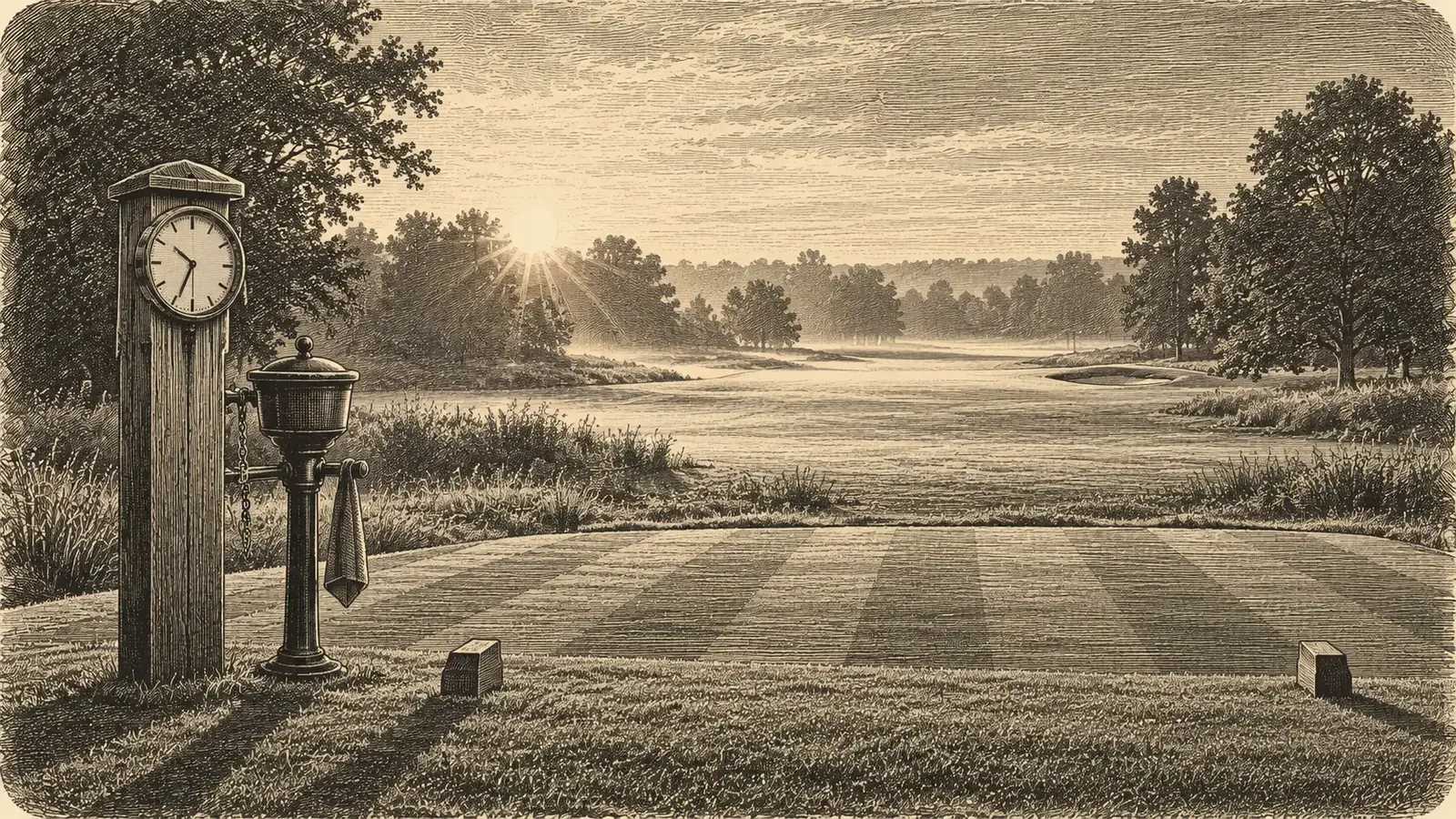
Autonomous mowers are one way US courses have started to do this. One tournament course mowed 60 acres of fairway overnight with four robots, according to the Chicago District Golf Association. The director of agronomy at a California private club says, in a case study published by the mower maker, that he can now mow in the middle of the night.
Overnight mowing has limits. USGA reports that new owners often find the machines cover less ground than the spec sheet states, so whether every fairway gets mowed overnight depends on how many units a course runs and how the mowing zones are planned.
04 / Analysis
A fair field test
For two or three normal weeks, log every mowing pass during play hours: when it started and finished, which holes it covered and how often it stopped for a group. Add golfer comments about mowers from the pro shop and member feedback. The log shows how much of the mowing schedule could move, and what the course would gain if it did.
What to record
- First tee time and last mowing pass, each day
- Start and finish of each mowing pass, by hole
- Stops for groups and minutes spent waiting
- Areas skipped because of play
- Golfer comments about mowers or noise
05 / Analysis
Limit of this note
This note relies on USGA guidance, trade press and case studies, some of them published by equipment makers. Local noise rules, lighting and course layout affect what can be mowed outside play hours.
Sources and method
This paper synthesizes the sources below and proposes a site-level evaluation method. It does not present original field measurements or a controlled trial.
- USGA, why do mowers follow me around the course? (2020) ↗
- USGA, why do golfers see maintenance on the course (2025) ↗
- GolfWRX forum, mowing while members are playing ↗
- USGA, pace of play pain points (2025) ↗
- Golf Course Industry, numbers to know (2023) ↗
- Chicago District Golfer, a mowing revolution (2024) ↗
- FireFly Automatix, California private club case study (manufacturer) ↗
- USGA, AI for autonomous mowers (2026) ↗