Summary
Labor is most of a golf course's maintenance budget, and many superintendents still can't fill their crews. When a crew is short, mowing is one of the first jobs to be stretched, and golfers see the result in the fairways and rough.
Track mowing frequency and height of cut as staffing changes. They show conditions slipping before golfers start writing about it.
01 / Analysis
Labor is most of the budget
A USGA analysis puts labor at about 56% of a course's maintenance spending. In GCSAA's 2022 survey, 63% of superintendents called the labor market bad or very bad. Mowing is a large share of that work: USGA estimates that mowing 20 to 30 acres of fairway takes 6 to 10 or more labor hours each time, and fairways are mowed two to four times a week in season, with rough once or twice.
02 / Analysis
What gets cut back
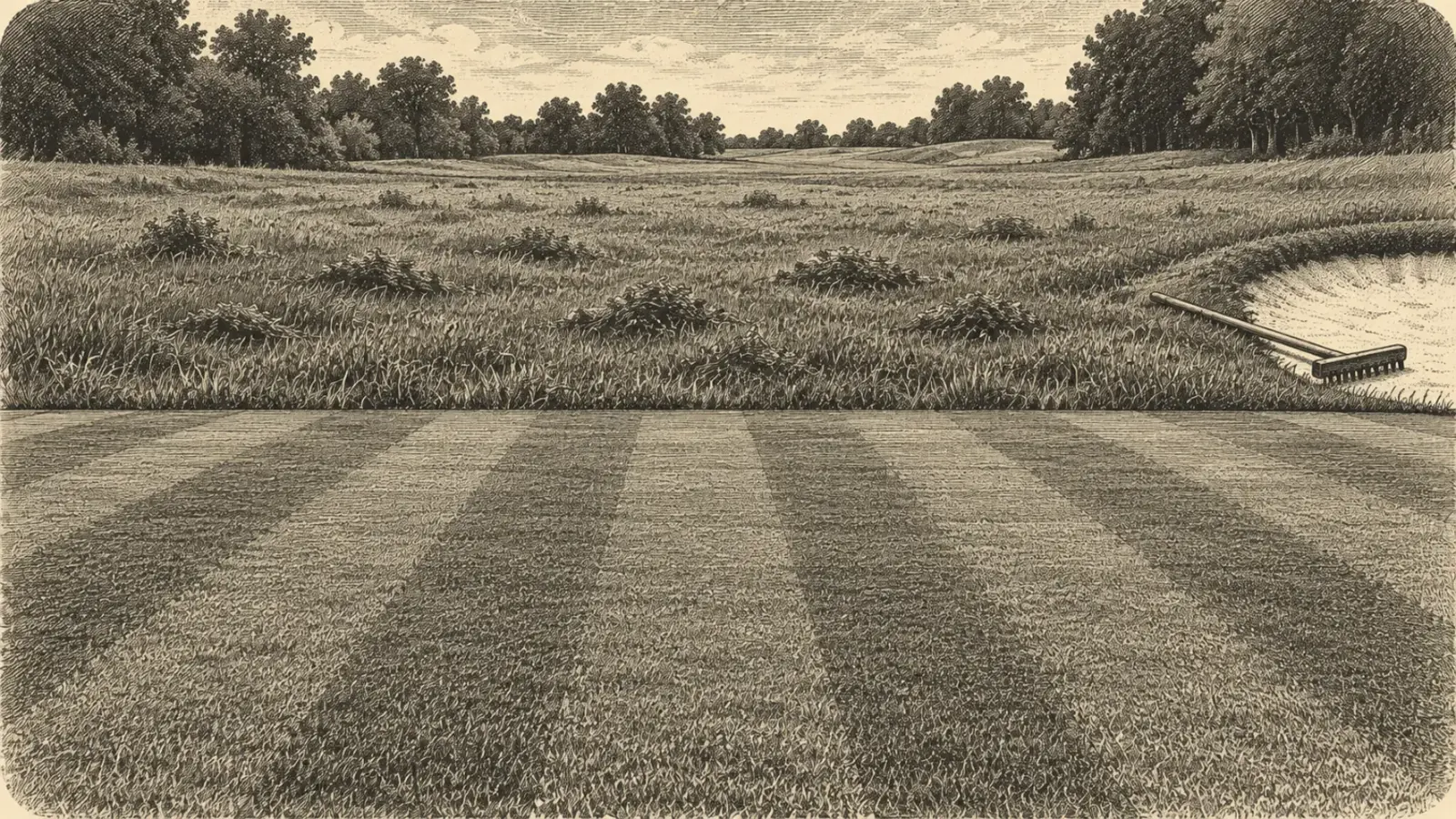
Superintendents describe the same trade-offs. One Massachusetts superintendent cut fairway mowing from three times a week to two. Another wrote that with too few staff, fairway heights go up, "which, of course, results in shaggier landing areas and less pristine lies." On busy days the rough waits: "There's no need trying to mow rough when you have 120 people out there."
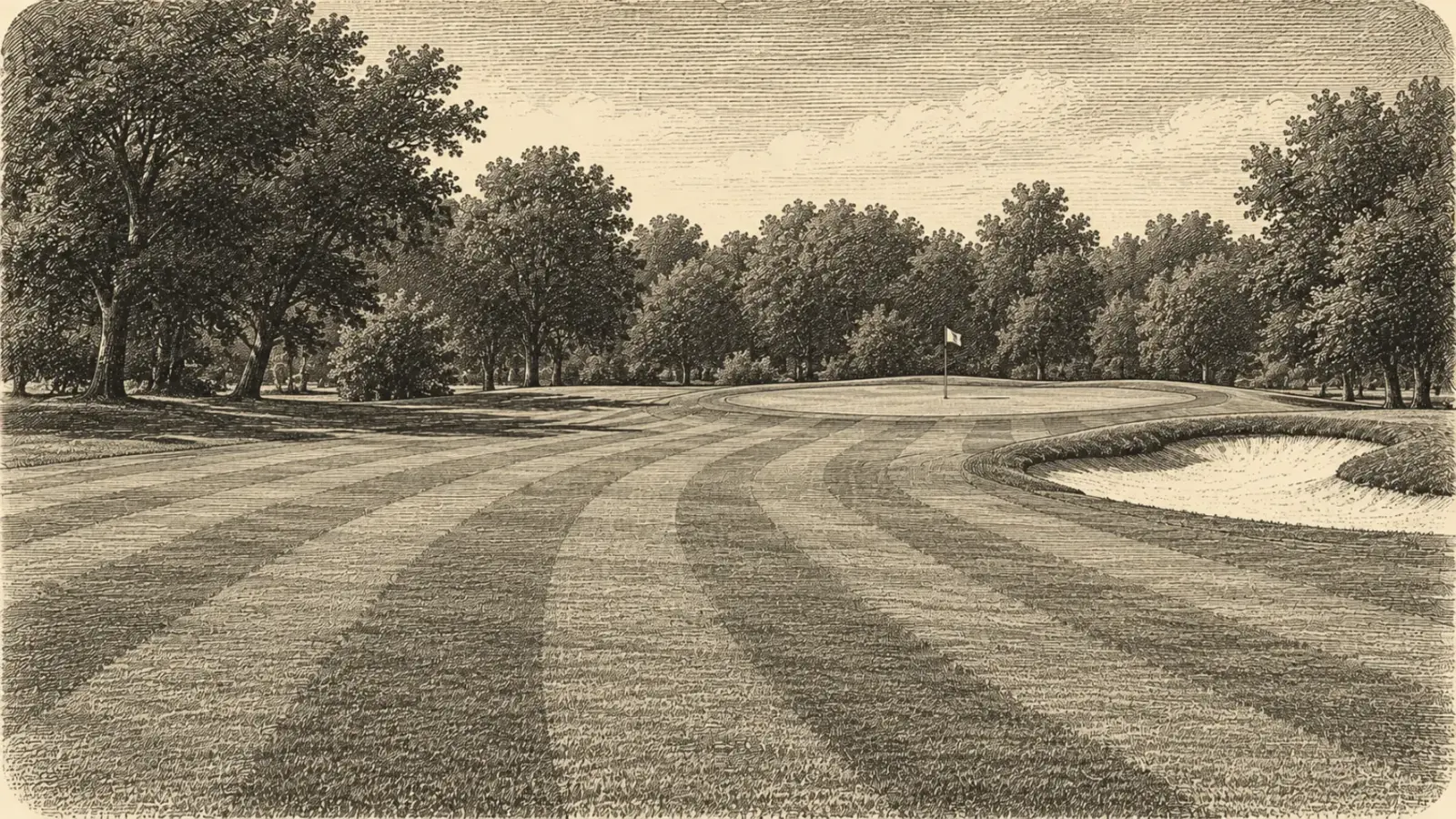
USGA guidance for reduced maintenance suggests dropping decorative mowing patterns and tee-side rough first and protecting the areas golfers notice most. That order makes sense, but on a short crew the cuts rarely stop there.
03 / Analysis
What golfers notice
Longer grass changes how the course plays. USGA notes that taller fairway turf lets the ball sit down, which makes clean contact harder and can cost distance and spin. It recommends keeping everyday rough under 2 inches because that means fewer lost balls and penalty strokes, and lost balls slow a round that already averages about 4 hours 30 minutes.
Golfers write about it. Two course reviews on GolfPass read: "Fairways and roughs were not mowed. Would not recommend." and "At times it was tough to see where the fairway stopped and rough began, just all overgrown."
04 / Analysis
Why a long gap between mowings hurts
Turf managers follow the one-third rule: never remove more than a third of the leaf at one mowing. After a long gap, the crew either takes off too much at once, which stresses the turf, or raises the height and brings it back down over several mowings. Either way the course plays long for days. No study pins down the exact number of days before golfers notice, and it varies with grass type and season.
05 / Analysis
A fair field test
Keep a simple weekly log that ties staffing to mowing. Note the crew hours available, the mowings planned for each area, the mowings completed and the height of cut. Over a season, the log shows which areas slip first when staffing drops and how long recovery takes.
What to record
- Crew hours available each week
- Planned and completed mowings by area
- Height of cut and days between mowings
- Golfer comments that mention fairways or rough
06 / Analysis
Limit of this note
This note draws on USGA guidance, industry surveys and superintendent accounts in trade press. Labor conditions vary by region and season, and it does not measure the effect of any specific staffing level.
Sources and method
This paper synthesizes the sources below and proposes a site-level evaluation method. It does not present original field measurements or a controlled trial.
- USGA symposium, maintenance cost breakdown (2019) ↗
- GCSAA, capital budget and labor survey ↗
- USGA, golf course fairways: managing quality and playability (2019) ↗
- Golf Course Industry, labor and growth regulators ↗
- Golf Course Industry, smaller crews, different results ↗
- Golf Course Industry, numbers to know (2023) ↗
- USGA, minimizing the impact of reduced maintenance (2020) ↗
- USGA, finding the right fairway height (2019) ↗
- USGA, mow the rough, please (2012) ↗
- USGA, pace of play pain points (2025) ↗
- USGA, the one-third rule ↗
- GolfPass review, Lakeshore Country Club ↗
- GolfPass review, Plantation Golf Course ↗