Summary
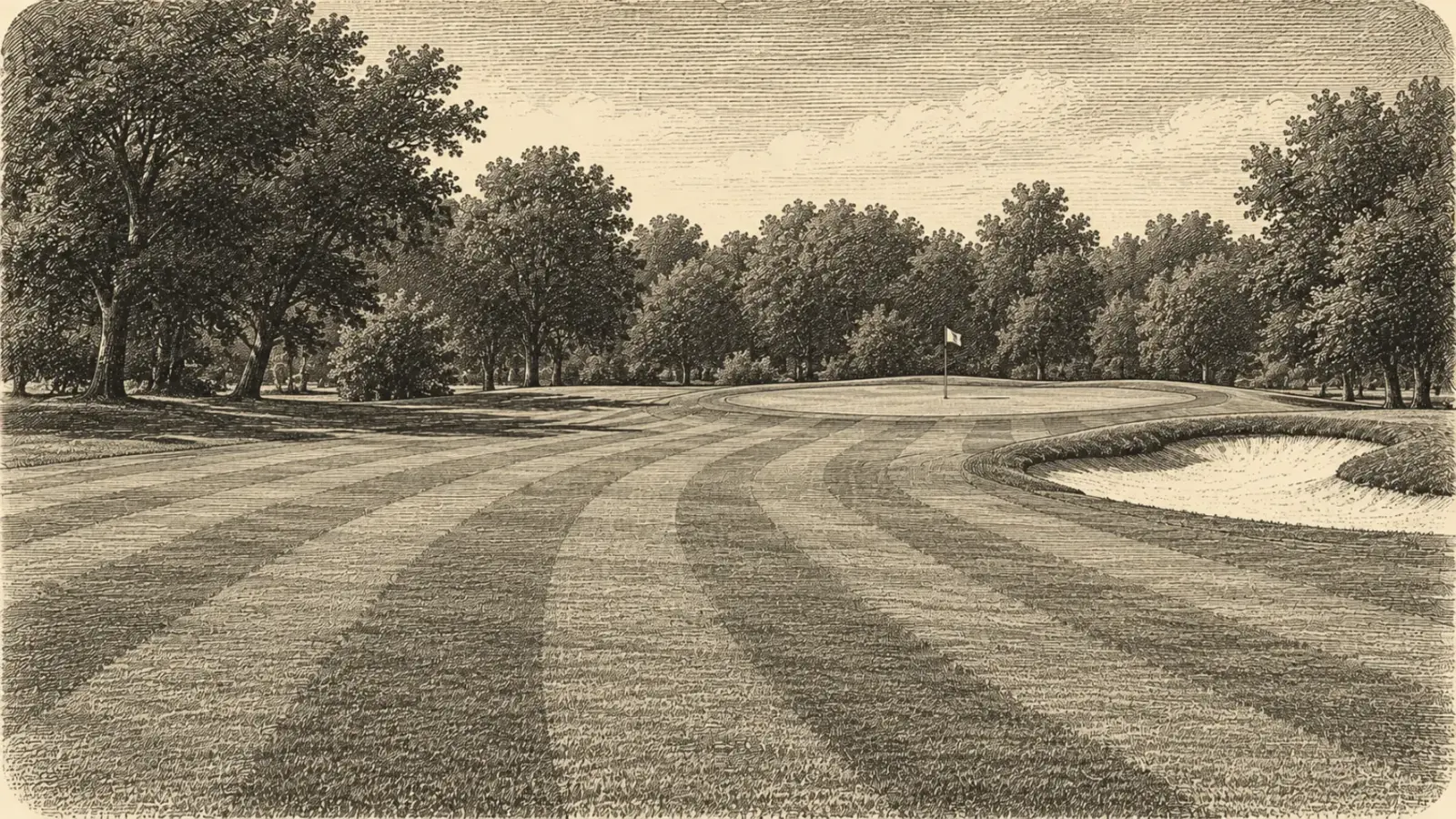
Autonomous mowers now cut fairways and rough at a small number of US courses. The reports so far describe more frequent mowing, mowing at night and in wet weather, and crews moved to other work. Most of them come from trade magazines and from case studies published by the mower makers.
Judge a robot mower by the mowing it completes on schedule and the crew hours it returns on your own course. Spec-sheet acreage is only a starting point.
01 / Analysis
What courses report
A California private club reported mowing fairways six times a week instead of three, with rough that plays the same all week, in a case study published by the mower maker. Another California club, in a manufacturer press release, described gaining an extra mowing each week without cutting any jobs, with the freed hours going to hand watering and detail work.
Dublin Ranch, a public course in California, keeps mowing through rainy winters with lightweight robots. Its superintendent told Golf Course Industry that ruts and turf damage in wet conditions are a thing of the past. Milwaukee County's courses moved robots onto the rough and shifted crew time to greens with no jobs cut, and an Idaho city course described its robots as filling vacancies rather than replacing people.
02 / Analysis
Where they fall short
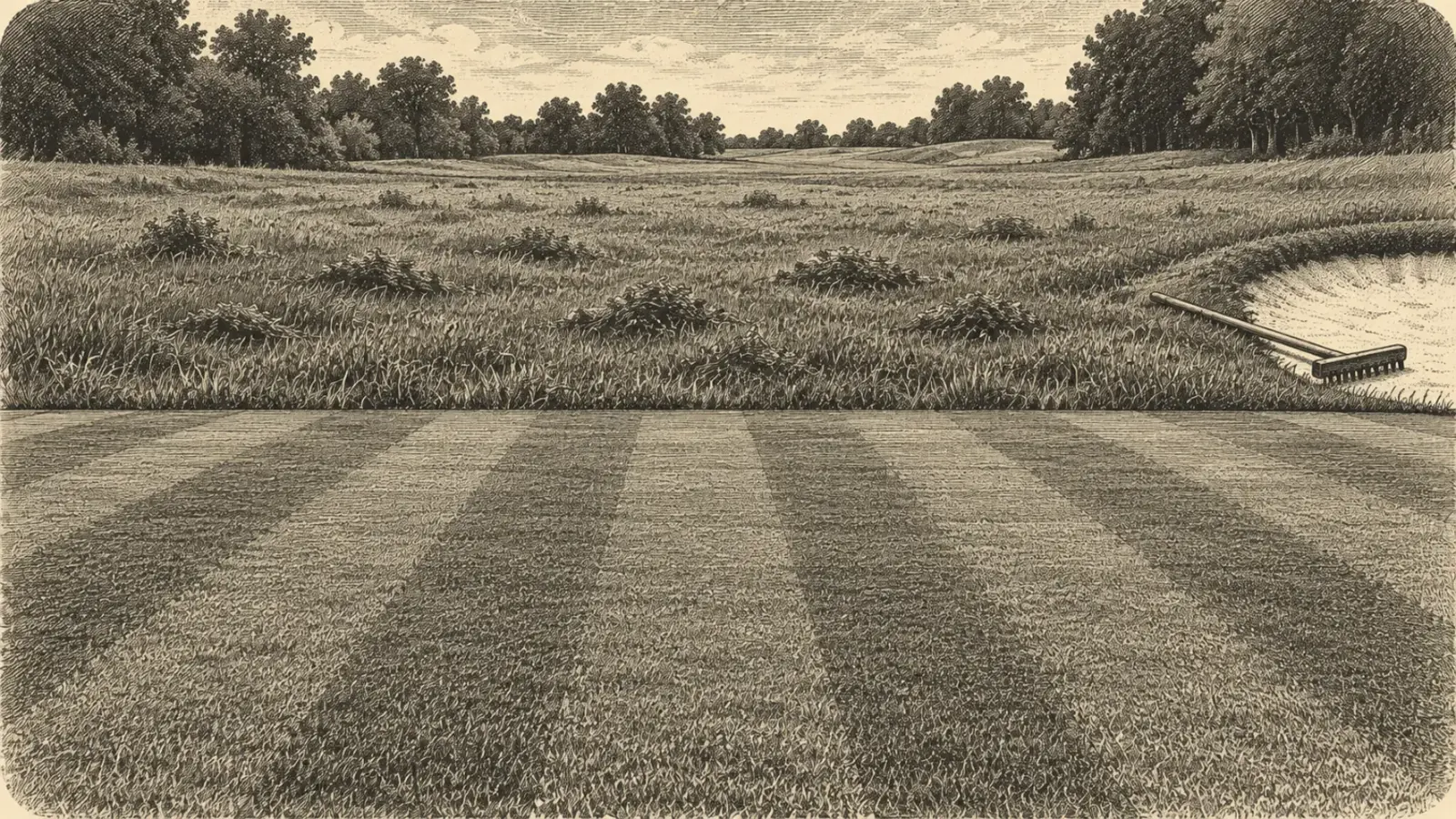
USGA reports that new owners often find the machines cover less acreage than the manufacturer states. At one Wisconsin club, the team liked the quality of cut but was disappointed with productivity, and reworking the mowing zones and schedules recovered part of the gap. Reel robots can get stuck or throw faults that need a reset, and their blades need regular changes. They don't rake bunkers, and bunker edges still need a person.
The site matters as well. A Kansas club checked its cell signal and the distance to a GPS base station before buying. Support matters most of all: when one manufacturer ended support for its greens robots in 2020, at least one course still had three years left on a five-year lease.
03 / Analysis
No independent turf study yet
We found no independent US study that measures fairway or rough quality under robot mowing. The US university trials so far are on home lawns, where researchers in Kentucky and Connecticut reported good cut quality. Until course trials are published, the best evidence for a given course is a careful test on that course.
04 / Analysis
A fair field test
Choose one area, such as a set of fairways or a stretch of rough, and record a few weeks of current mowing first. Then run the robots on the same area and keep the same records. Log every reset and who handled it, and score the turf on the same holes each week. The comparison shows the acres actually mowed, the crew time returned and what it took to keep the machines running.
What to record
- Acres planned and acres completed, each night
- Resets and faults, and who handled them
- Height of cut and a weekly turf score on the same holes
- Crew hours moved to other work, and to which jobs
- Downtime and service response time
05 / Analysis
Limit of this note
Most course reports here come from trade press and manufacturer case studies, not controlled trials. Results depend on course layout, grass type, slopes, weather and how the fleet is sized and supported.
Sources and method
This paper synthesizes the sources below and proposes a site-level evaluation method. It does not present original field measurements or a controlled trial.
- FireFly Automatix, California private club case study (manufacturer) ↗
- FireFly Automatix, California club leasing release (manufacturer) ↗
- Golf Course Industry, Dublin Ranch robot mowers ↗
- TMJ4, robot mowers on Milwaukee County golf courses ↗
- KTVB, autonomous mowers at an Idaho city course ↗
- USGA, AI for autonomous mowers (2026) ↗
- USGA, autonomous mowing technology keeps moving forward (2024) ↗
- USGA, a golfer's guide to autonomous technology (2025) ↗
- Golf Course Industry, implementation at a Kansas club ↗
- Golf Course Industry, manufacturer ends autonomous greens mower support (2020) ↗
- GCM, robotic mower cut quality study ↗
- UConn Today, autonomous mower research (2025) ↗