
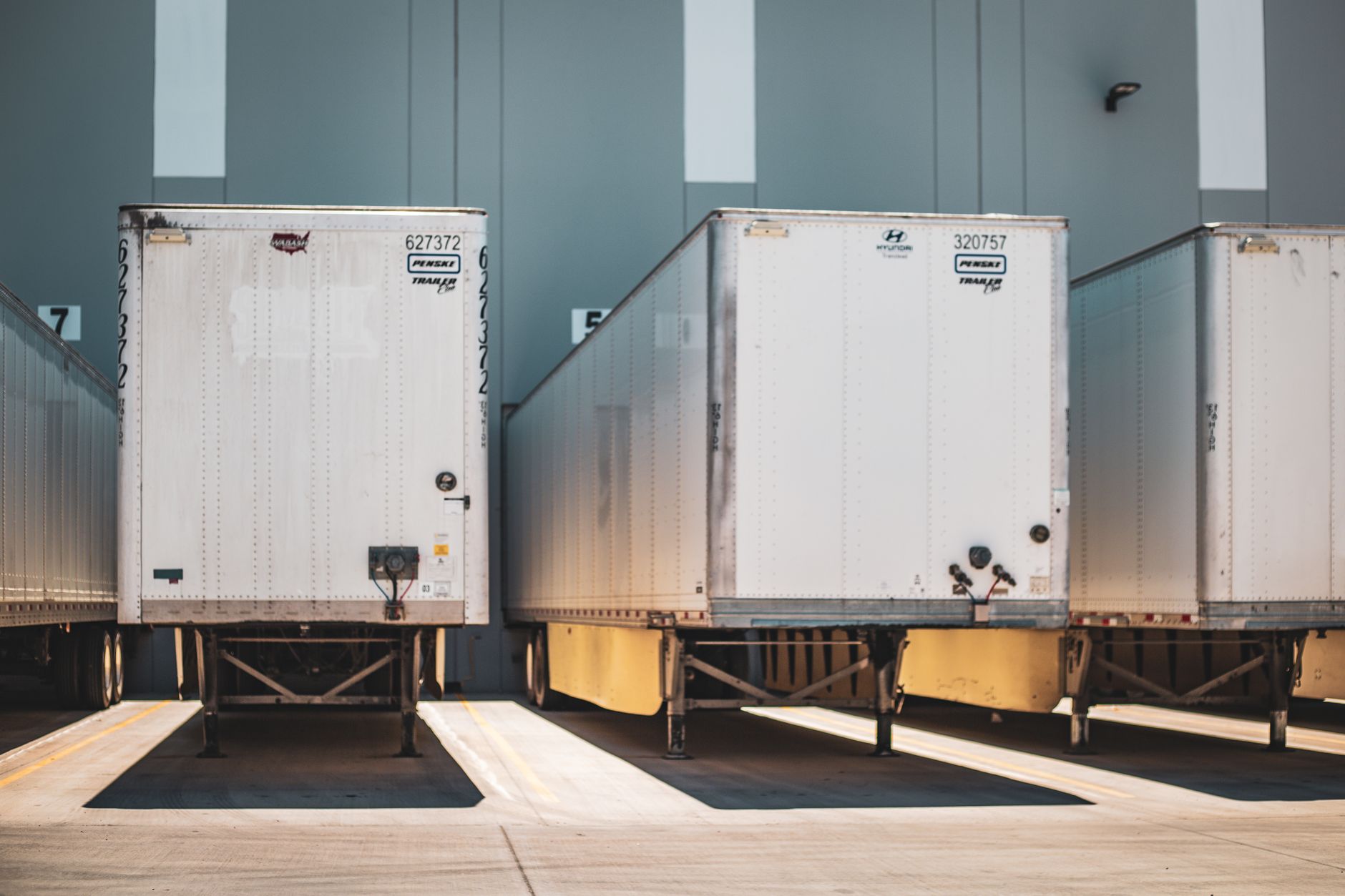
The short answer
Autonomous forklift ROI in Los Angeles comes from freight and material movement hours that a robot takes over, from shifts that go unfilled, and from pallet trips that tie up people during peaks. The savings range depends on the share of those moves a site can route to a robot, on the fixed lease payment, and on how steady the work is across the shift. A free site assessment measures those inputs on your floor and turns them into a savings range and a lease quote.
Key takeaways
- The return comes from freight and material movement hours, not from removing a job title.
- Los Angeles has a large transportation and warehousing workforce and a high-vacancy industrial market, and both shape the math.
- The share of moves a robot realistically takes is the largest variable, and it is set on site.
- Injury and turnover figures give context, but they are not direct savings inputs.
- Savings are ranges, and the lease payment is quoted after a free site assessment.
Run the numbers for your site
Auto-detected from your location - we use the real BLS wage here. Not right? Pick your city or state above.
What do you want to automate?
The robot takes the repetitive cart and pallet moves off the heaviest motion.
How much can autonomous forklift ROI in Los Angeles be?
Autonomous forklift ROI in Los Angeles is a range, not a single number. It depends on how much freight and material movement a building runs, how much of that work a robot can take on, and how the fixed lease payment compares with those hours. The calculator on this page is set for Los Angeles and returns a savings range from the inputs you enter. Treat that range as a planning estimate until a site assessment confirms the moves, the aisles and the shift pattern.
The return has three parts. The first is labor hours that move off the work of laborers and freight, stock, and material movers, hand, and the local wage for that job appears in the government wage data panel beside this text. The second is shift coverage, meaning moves that go unfilled when a shift is short or a peak pushes volume past what the crew can handle. The third is the lease cost, which offsets the first two. A savings range only means something when all three sit side by side.
Because the robot is leased, the question is not what the equipment costs to own. The question is whether the recurring lease payment is smaller than the labor it displaces, and whether those displaced hours recur often enough to count on. A site with a steady flow of pallet moves gives the calculation something stable to work with. A site with irregular volume needs more careful measurement before the range is trusted.
Where does the return come from in Los Angeles?
Los Angeles has a large freight workforce. According to CBRE's Greater Los Angeles Industrial Figures Q3 2025, transportation and warehousing employment in Los Angeles County was 207,000 at the end of Q3 2025, flat year over year and up 6.1% over five years. The FRED series for the Los Angeles-Long Beach-Glendale metro division, built from BLS data, shows 206.2 thousand for 2024, which lines up with that base. A large, steady base of freight work is the raw material a robot needs, because the same moves repeat every shift.
Space is part of the picture too. According to Marcus & Millichap's 4Q 2026 industrial market report, Los Angeles County industrial vacancy has exceeded 7%, its highest level since at least 2000. CBRE's Los Angeles Industrial Figures Q1 2026 reports vacancy at 5.4% and availability at 8.1%. The two reports measure the market differently, so their figures should not be averaged or swapped. Both point to a market where adding floor space is hard, which raises the value of getting more movement from the space already leased.
For the return, that means two things. A region with a large freight base gives a robot plenty of repeatable movement to take on. A site under space pressure also has a reason to get more throughput from the floor it already has before it adds headcount or square footage. The return is strongest where moves are the bottleneck, not simply where the building is large.
Median hourly wage, Laborers and Freight, Stock, and Material Movers, Hand
$4,411
Monthly cost of one full-time worker in Los Angeles, CA, at the median wage plus payroll costs (an estimate, not a quote).
How does the savings math work?
The core calculation has four steps. Start with the labor hours per week that freight, stock and material movement work consumes at the site. Multiply that by the share of those moves the robot realistically takes. Value the displaced hours at the local wage for that job from the government wage data on this page. Then subtract the lease cost and the added overhead for routing, charging and service coverage. What remains is the net return, and the calculator shows it as a range because each input is a range.
The share a robot takes is the most important input and the easiest to overstate. A robot handles repetitive, route-based moves between fixed points. It does not take over every task on a site, and a plan that assumes it does will show disappointing results. The calculator uses a conservative share and a more generous one, and the site assessment narrows the gap between them by counting real moves on the real floor.
The lease enters the math as a fixed recurring payment, quoted after the free site assessment. Because that payment does not change with volume, the return is most sensitive to hours actually displaced. A robot that runs at low utilization keeps the same payment while the savings shrink, which is why utilization is measured during the pilot before the range is treated as final. Overhead matters too, since a unit that waits on a charger or a route remap produces no hours to value.
What should you check before you trust the number?
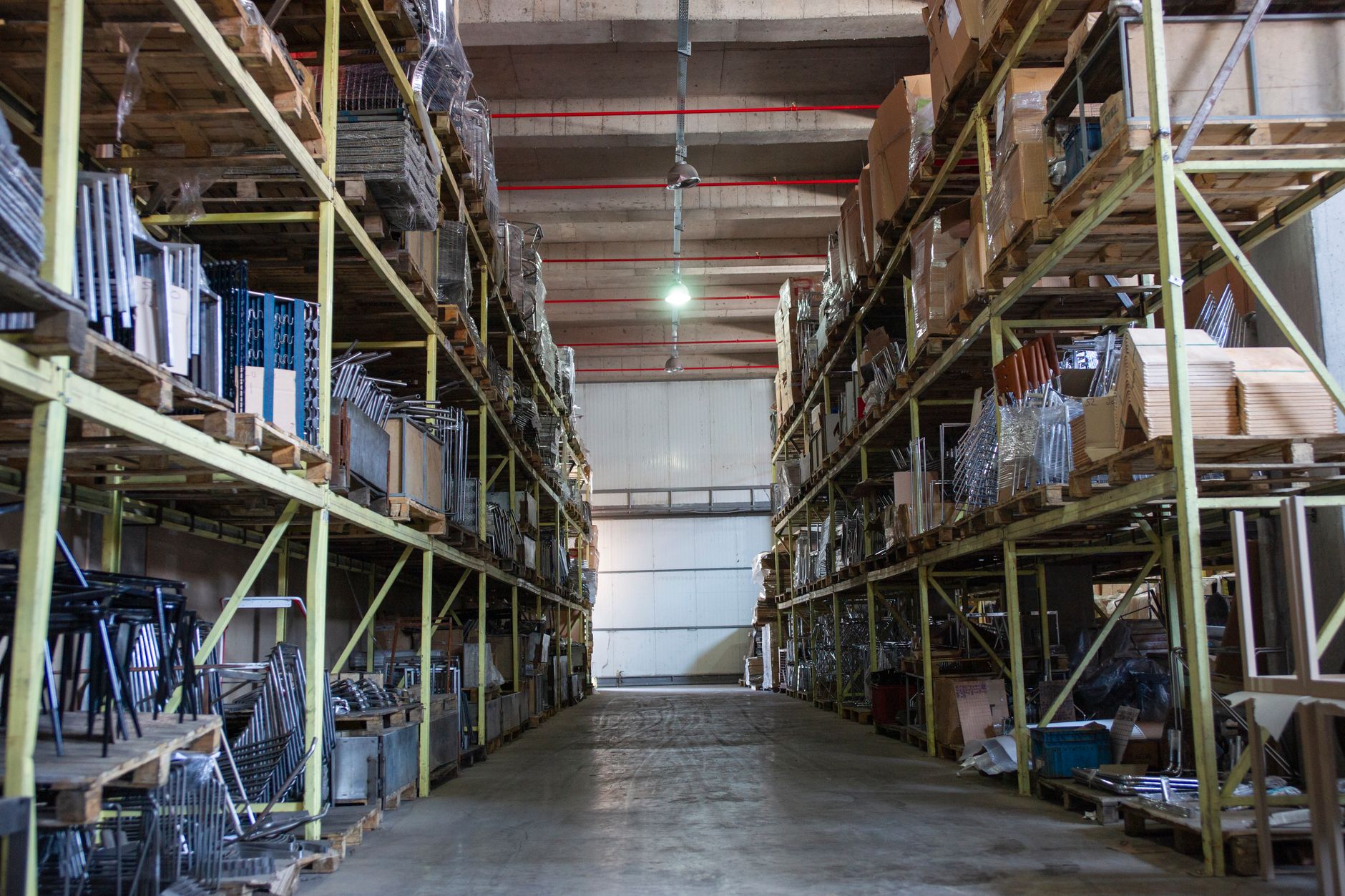
Several site factors move the range up or down. The checklist below covers the ones that change results most often. Each should be checked against the floor and the schedule before the calculator output is used for a decision.
Two of these matter more than the rest. The first is how many moves sit on repeatable routes, because a robot earns its return on fixed paths. The second is when the work happens. A unit that covers hours that are hard to staff adds more value than one that covers hours already well staffed by people willing to do the work.
Aisle design is the third factor people underestimate. Shared aisles with heavy pedestrian traffic need clear rules and marked routes, or the unit spends its time stopping and waiting. Charging windows also belong in the plan, because a unit that is charging during a peak is not moving pallets when the crew needs it most.
Which hours does the robot take over?
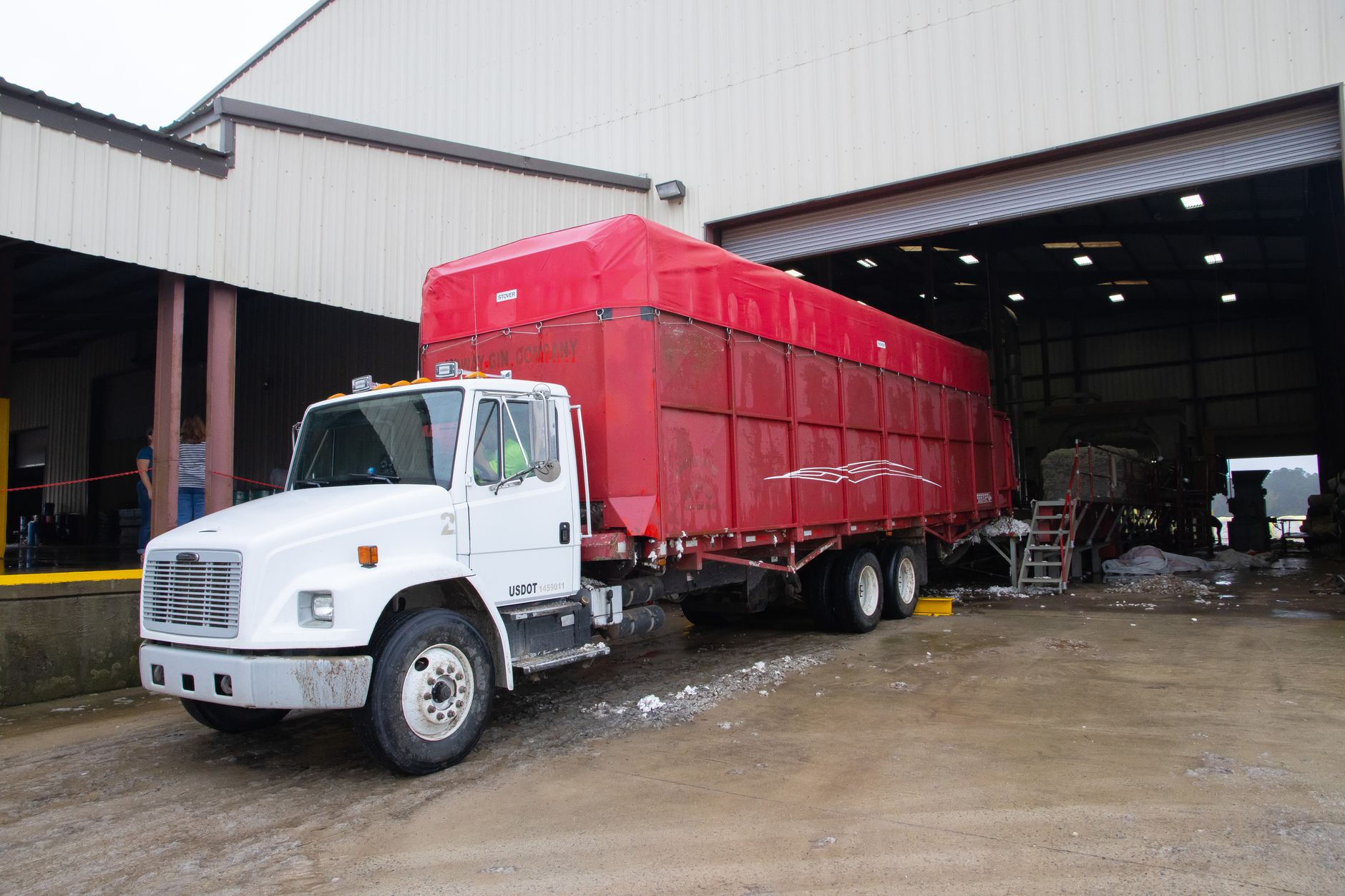
The work a robot takes over is freight and material movement that is repetitive and route based. In a typical Los Angeles warehouse, that means pallet moves between receiving, staging, reserve storage and the dock, along with the trips that fill outbound lanes and replenish pick faces. Those trips are often done by people driving manual trucks, interrupted by pick requests, breaks and traffic in shared aisles.
The table below sorts the work by task. Hour figures are not shown because they vary by building and by volume. The site assessment measures the moves on your floor and converts them to hours, so the table shows which tasks can move to a robot and which stay with people.
Where does a person still do better?
A robot runs repetitive, route-based movement at a steady pace and does not tire over a long shift. A person does better when the work needs judgment, such as a damaged pallet, a mislabeled load, a blocked aisle that needs a decision, or a trailer that arrives out of sequence. Those tasks do not disappear when a robot arrives, and a plan that ignores them will leave gaps at the handoff points.
Night and off-peak coverage is where the comparison often favors the robot, because those hours are hard to staff and the work still needs doing. Where the work changes from one day to the next, a person adapts faster than a route can be remapped. Both points belong in the decision, and the side-by-side below lays them out.
- Repetitive route trips
Autonomous Forklift
Consistent speed and path, with no fatigue over a long shift
Staff
Flexible, but pace slows over long repetitive shifts
- Judgment calls
Autonomous Forklift
Stops and waits for a person to decide
Staff
Handles damaged loads, mislabels and blocked aisles
- Night and off-peak coverage
Autonomous Forklift
Runs when staffing those hours is hard to fill
Staff
Available only when someone is scheduled and willing
- Layout changes
Autonomous Forklift
Needs route updates when the layout changes
Staff
Adapts to a new layout on the first day
- Pedestrian and truck traffic
Autonomous Forklift
Designed to stop when a person is in its path
Staff
Shares the same aisles and carries the same exposure
- Cost behavior
Autonomous Forklift
Fixed recurring lease payment
Staff
Wages, benefits and turnover costs that move with headcount
What are the risks to the return and how do you avoid them?
The risks are mostly operational. A robot that sits idle because aisles are blocked, routes are not mapped or pallets are placed in the wrong spot produces no return. The fix lies in the layout, the route plan and the handoff process, not in the lease payment.
Safety is one reason operators look at automation in the first place. According to BLS as reported by DC Velocity, transportation and warehousing had an incidence rate of 4.5 cases per 100 full-time equivalent workers in 2023 and ranked first of 19 industries. OSHA's powered industrial truck directive estimates that about 1.5 million US workers operate more than 855,900 powered industrial trucks, and it cites roughly 85 forklift-related deaths and 34,900 serious injuries per year. Those are older OSHA estimates, so read them as scale rather than a current count.
Turnover is another frequently quoted risk. A vendor blog, opensend, cites a 49% warehouse worker turnover rate and attributes it to BLS data for 2023. That is a secondary source, so use it as a reason to check your own turnover records rather than as a benchmark for your site. Treating an industry rate as your own cost is a common way to inflate the return.
What is a realistic timeline from assessment to payback?
A realistic path starts with a site assessment, which measures the moves, the floor, the aisles and the shift pattern. That produces the savings range and the lease quote. Many sites then run a pilot with one unit before committing to more, so hours are measured on the actual floor instead of on a drawing.
Payback depends on how quickly the robot reaches steady utilization. Expect a ramp period while routes are mapped, the crew learns the handoffs and the layout settles. Judge payback on the steady-state range, not on the first week of operation, and recheck the range once the pilot has produced real utilization data.
Avoid any payback date given before the assessment. A timeline built from measured moves is useful. A timeline built from a generic hours estimate is not.
How do you get a precise figure from a free site assessment?
The most precise figure comes from a free site assessment. We map the floor, measure the repeatable moves, confirm the shift schedule and count the hours the work takes at your site. From there we select the robot that fits the floor, quote a fixed robot lease payment through financing, and show the savings range with every input written out so you can check it.
We lease the robots through financing, and we deploy, integrate, train your staff and service the units nationwide. As a vendor neutral robot integrator, we choose the unit that fits the floor and the moves. Bring the moves you already track, the shift schedule, a floor plan and the lease term you are considering. Those inputs tighten the savings range quickly and give your team a number it can defend in a budget review.
How do staff roles change when a robot takes freight work?
Staffing changes are the part most sites underestimate. The robot takes freight, stock and material movement work off the people who did it, so the plan should state which hours move and which roles absorb the exceptions, the loads and the handoffs.
Good plans keep experienced people on judgment work and move some of them to training, checks and the handoff points. Where turnover is high, a robot can also reduce how often new hires must learn the same repeat trips, but the size of that effect should be measured on your own records rather than assumed from a national rate.
Write the staffing plan before the pilot starts, so the recovered hours are used on purpose and do not quietly return to overtime. Name an owner for the route map and another for the exception queue, since those two things decide whether the hours stay recovered.
Frequently asked questions
Put a robot to work in Los Angeles.
We walk your site, learn the job, and recommend the unit that fits. Then we quote the lease, deploy it, and keep it serviced.
Sources
- US Bureau of Labor Statistics, Occupational Employment and Wage Statistics (OEWS May 2024)
- CBRE Greater Los Angeles Industrial Figures Q3 2025
- FRED series SMU06310844340008901A (BLS data)
- Marcus & Millichap Los Angeles 4Q 2026 industrial market report
- CBRE Los Angeles Industrial Figures Q1 2026
- DC Velocity, transportation and warehousing injury rates (BLS data)
- OSHA powered industrial trucks directive
- Opensend, warehouse turnover rate statistics (secondary, vendor blog)