
The short answer
Cleaning robot ROI in Austin, TX comes from the floor hours a robot takes over from janitors and building cleaners, set against a fixed lease payment quoted after a free site assessment. The savings range depends on how much of the floor suits a robot, how many cleaning hours the site schedules today, and how much of that work the robot can run without a person on shift. Treat the result as a range, not a promise, and confirm it with measured floor area and hours before deciding.
Key takeaways
- The return comes from janitor and building cleaner hours the robot takes over, not from a headcount decision.
- Vendor coverage rates run above real output, so the schedule should use measured rates.
- Most openings in this occupation come from workers leaving, so staffing gaps belong in the plan.
- The savings range is set by floor area, scheduled hours and the fixed lease payment, and a free site assessment measures each one.
- Payback depends on the hours a site actually schedules, so measure those hours before reviewing any quote.
Run the numbers for your site
Auto-detected from your location - we use the real BLS wage here. Not right? Pick your city or state above.
What do you want to automate?
The robot runs the open floor overnight; your crew keeps detail and edges.
What return can a cleaning robot deliver in Austin, TX?
A cleaning robot ROI in Austin, TX is the value of the floor hours a robot takes over, measured against a fixed lease payment for the machine. The return is never a single figure. It moves with the floor area, the hours the site schedules for scrubbing and sweeping, and how much of that work a robot can run without a person.
Adoption is still a minority practice. In a 2019 survey summarized by AACEM and ISSA, 27 percent of respondents used autonomous cleaning equipment, 7 percent had stopped, and 66 percent had never used it, from 250 responses. A 2019 benchmarking survey of building service contractors, reported by an industry trade publication, found 68 percent had not implemented autonomous or robotic equipment. Both surveys are dated, but they show most operators are still deciding.
The labor pool is the local input that matters most. A third-party jobs listing for the Austin-Round Rock-San Marcos metro counts about 15,240 janitors and cleaners, except maids and housekeeping cleaners, and labels the figure as 2024 OEWS-based. That aggregator is not an official BLS table, so treat it as a rough local count. The government wage data panel beside this text is the official local figure for the wage.
Where does the savings come from in this setting?
The savings come from janitor and building cleaner hours that stop going to repetitive floor work. A scrubber on a long corridor, a warehouse aisle or a retail floor is hours of walking the same route, and that is the work a robot runs well. It does not remove the need for people on shift. Checks, exceptions and servicing still need staff, so the return is an offset of hours, not an empty shift.
The national picture explains why this work is hard to staff. According to the Occupational Outlook Handbook, about 2.4 million janitor and building cleaner jobs existed in 2024, and about 351,300 openings a year are projected on average over the decade, mostly from replacing workers who leave. A robot helps most where shifts are hard to fill, not only where they are expensive.
Injury exposure is another input. The BLS injury and illness snapshot reports 157.4 cases per 10,000 full-time equivalent janitors and cleaners in 2019, and 191.6 in 2020. Fewer manual scrubbing hours can reduce exposure, but that benefit should be measured at the site, not banked in the return.
Median hourly wage, Janitors and Building Cleaners
$4,055
Monthly cost of one full-time worker in Austin, TX, at the median wage plus payroll costs (an estimate, not a quote).
How is the savings range calculated?
The math has three inputs: the floor area that suits a robot, the cleaning hours that area takes today, and the share of those hours the robot can realistically cover. Production rates convert area into hours. According to a janitorial production rate guide, the standard method is total square feet divided by total hours worked, with rates that vary by task and building.
Coverage rates decide how many hours a machine can take over. A vendor guide for a 20-inch floor scrubber puts theoretical output near 18,000 square feet an hour, and about 13,000 to 15,000 after turns, overlap and obstacles. A separate vendor estimate lists 8,000 to 12,000 square feet an hour for compact walk-behind machines. Real-world output is typically 20 to 30 percent lower than manufacturer figures, according to that vendor guide.
Then subtract the fixed side. The lease payment is quoted after the site assessment and does not rise with hours worked, and the staff time that stays on shift does not disappear. Value the hours the robot takes over at the local wage for this job from the government wage data on this page, then subtract the lease payment and the remaining staff time. Run the range at the low and high ends of the coverage rate, because the spread shows how sensitive the result is.
How many cleaning hours does a robot take over each week?

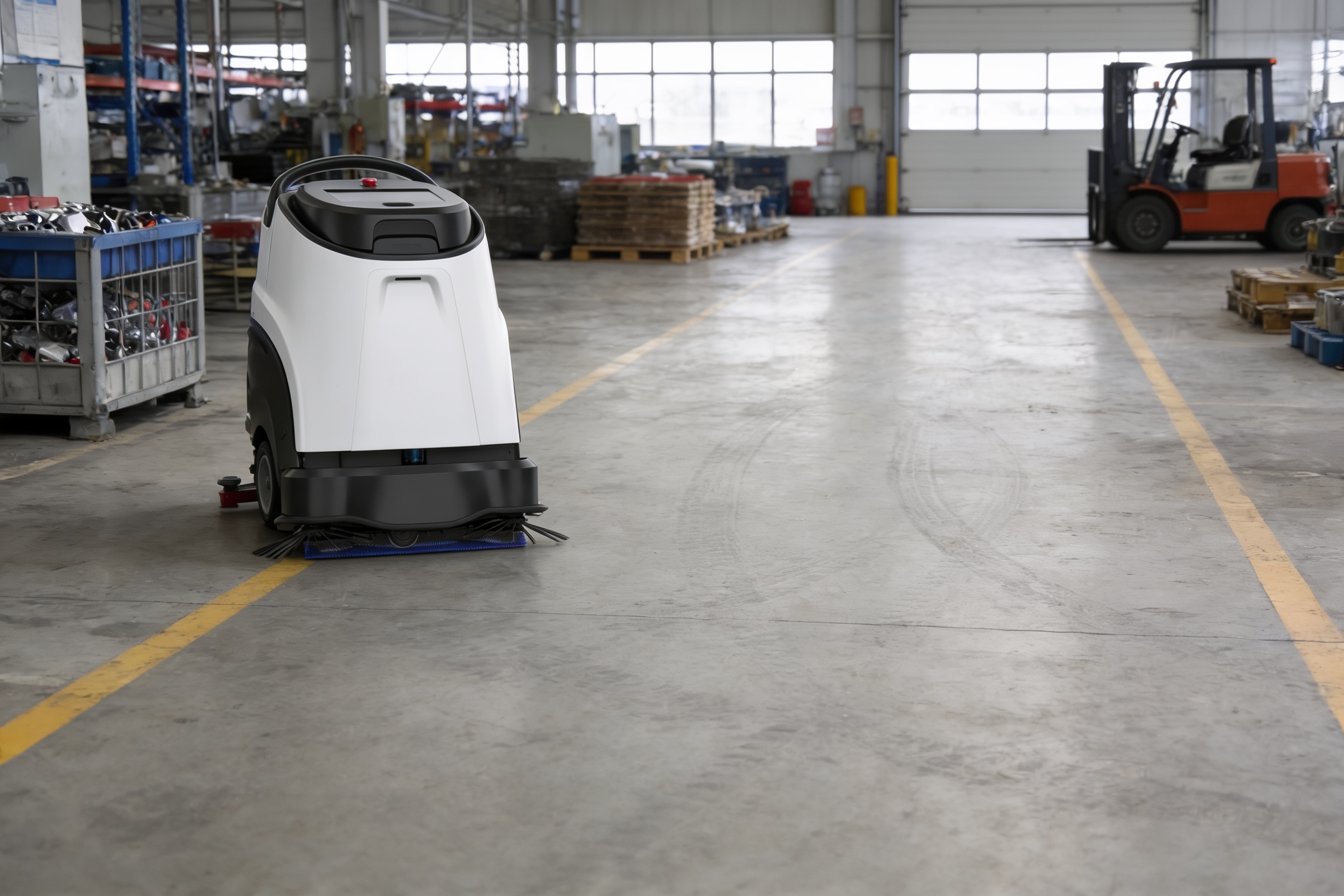
Hours are the number that moves the result most, and they scale with area. At 13,000 to 15,000 square feet an hour, every 10,000 square feet of suitable floor takes about 0.7 to 0.8 hours of machine time per pass. Multiply that by the passes per night and the nights per week, then remove any area that is too cluttered or too narrow for the route.
The table below sets out the work task by task. The hour figures are arithmetic on those coverage rates and the production rate method, not measured data from any one site. The site assessment replaces them with the hours your floor actually takes.
What do staffing and turnover mean for the return?
The labor side depends on whether the site is short-staffed or stable. The Occupational Outlook Handbook projects 2 percent growth for the occupation from 2024 to 2034, a gain of 47,800 jobs and slower than average. A pool that grows slowly and loses workers each year makes vacancies a routine planning problem, not an occasional one.
No verified figure for the typical number of janitors at one site of this kind was found in this research, so this page does not assert one. The site assessment counts the actual people and hours on shift. If a site already runs a small crew, the offset is a share of their hours, not a change in headcount.
Turnover also shapes training. A robot does not remove the need to train the people who remain, and new staff must learn the checks, clearing and restart steps. Include those training hours in the return, because they recur whenever the crew changes.
How do shifts and floor conditions change the math?
A robot is most valuable when it runs in hours when the building is otherwise empty or quiet, because the site's own hours then go to other work. Night and early morning windows are the common case. The machine does not need a break, but it does need a clear route, so the schedule has to allow for a clean path before the run starts.
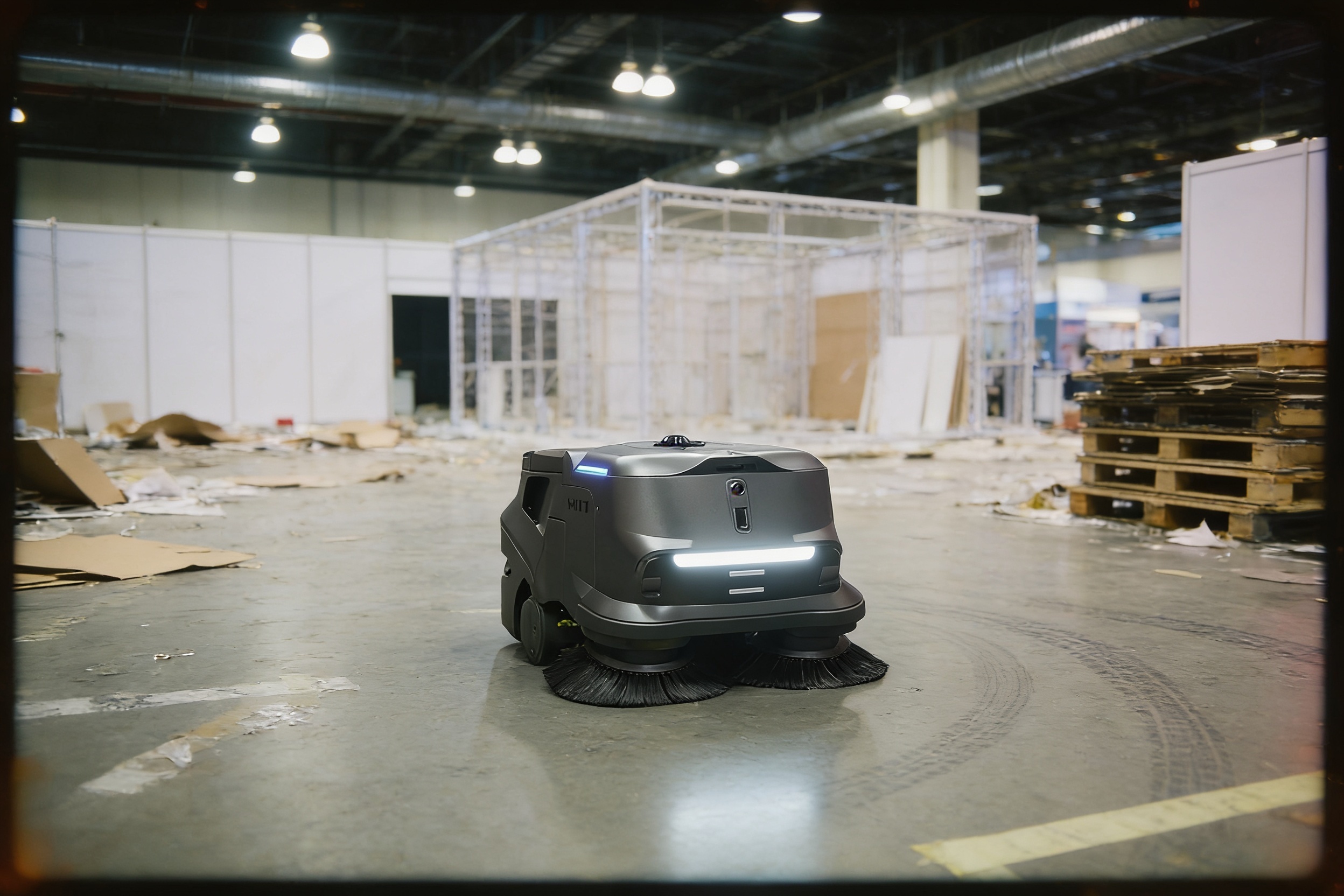
Floor conditions cap real output. Turns, furniture, stock, carts and people all reduce coverage, which is why the 20 to 30 percent gap between theoretical and real output matters. A site with long open aisles and clean floors earns a larger share of its hours than a site with many turns and obstacles.
- Night and empty-building hours
Cleaning Robot
runs unattended when the route is clear and the charger is in reach
Staff
needs a shift, a supervisor and access arrangements for the building
- Repeat route scrubbing
Cleaning Robot
holds the same path on every pass
Staff
adjusts for spills, debris and odd corners as it goes
- Exceptions and blocked routes
Cleaning Robot
stops or reroutes when blocked, and a person must clear a stuck route
Staff
clears obstacles, handles spills and reports damage on the spot
- Range of tasks
Cleaning Robot
scrubs and sweeps hard floors, but not restrooms or detail work
Staff
does the full range of cleaning and detail work
- Staffing gaps
Cleaning Robot
does not miss a shift, but still needs a person to check and service it
Staff
fills gaps only after hiring and training, and turnover recurs
- Cost behavior
Cleaning Robot
a fixed lease payment that does not rise with hours worked
Staff
paid for hours worked at the local wage for this job, plus training time
What are the risks to the return and how do you avoid them?
The biggest risk is planning on theoretical output. If the schedule assumes the maximum rate, the robot will not finish the floor and staff will still be doing the work. Plan on measured rates, keep a margin for turns, and recheck the figure after the first few runs.
The second risk is idle time. A machine that waits for a cleared path or sits at a charger saves nothing, so the return falls even when the lease is fixed. Walk the route, remove loose obstacles and set the start time after the last cart move of the evening.
The third risk is downtime. We lease, deploy and service the robots nationwide, with on-site dispatch and remote triage, and we train site staff on the routine checks. Ask the quote to state the service coverage and the plan for the night window, so a fault does not turn into a missed shift.
What is a realistic timeline from assessment to payback?
The timeline depends on the site and the lease term, but the sequence is consistent. The assessment comes first, then a route map and a quote, then deployment and integration, staff training and go-live support. A site can start with one leased unit before adding more.
Payback is the point where the hours taken over, valued at the local wage for this job, cover the lease payments and the staff time that remains. The first months carry setup and tuning, so net savings are usually smallest at the start. This page does not give a payback month, because the range depends on inputs the assessment measures.
After go-live, compare run hours and covered area against the assessment figures each month for the first quarter. Adjust the schedule and route first, and take a persistent gap back to the assessor rather than accepting a lower return.
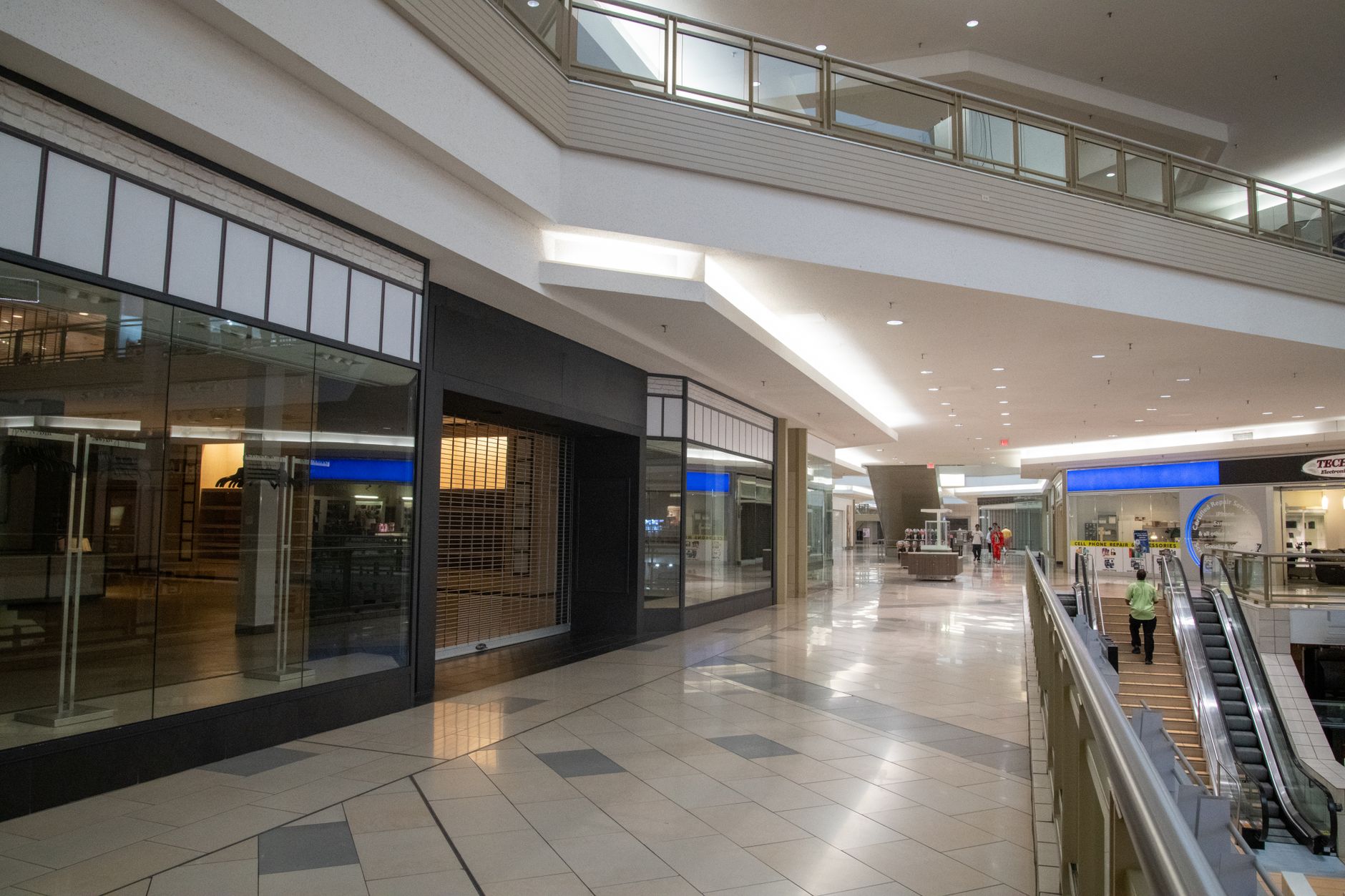
How do you get a precise figure from a free site assessment?
A precise figure needs four things: the floor area, the cleaning hours the site runs today, the route layout and the shift schedule. We pick the robot that fits the site, then map the floor and measure the coverage rate on your building, so the range comes from your floor rather than a brochure.
We lease the robot through financing, and the fixed lease payment is quoted after the free site assessment. We then deploy and integrate the robot, train staff and service it nationwide. Bring the floor plan, the cleaning hours you run today and any hard-to-staff shifts.
Ask the assessor to show the inputs behind each number and which ones the site must confirm. A range you can check is more useful than a single figure you cannot, and it gives the person signing off something concrete to test.
Frequently asked questions
Put a robot to work in Austin.
We walk your site, learn the job, and recommend the unit that fits. Then we quote the lease, deploy it, and keep it serviced.
Sources
- US Bureau of Labor Statistics, Occupational Employment and Wage Statistics (OEWS May 2024)
- U.S. Bureau of Labor Statistics, Occupational Outlook Handbook: Janitors and Building Cleaners
- U.S. Bureau of Labor Statistics, injury and illness snapshot: janitors and cleaners
- Third-party jobs listing for the Austin metro (aggregator, not an official BLS table)
- AACEM/ISSA Autonomous Cleaning Survey summary
- Building service contractor robotics benchmarking survey, industry trade publication
- Cleaning equipment vendor guide on walk-behind scrubber output
- Cleaning equipment vendor estimates of square feet per hour by scrubber size
- Janitorial production rate guide