
The short answer
Cobot ROI for snack food plants comes mainly from the case packing and palletizing hours that a collaborative arm takes off the end-of-line crew, which are the jobs hardest to staff. The savings range is the labor hours offset, multiplied by the share of that work the robot realistically takes, less the lease cost, and it is confirmed only after a free site assessment. Plants that run more shifts, have steady case patterns and struggle to fill end-of-line shifts tend to see the range move up.
Key takeaways
- The return comes from repetitive end-of-line case packing and palletizing hours, not from replacing the whole plant.
- The savings range depends most on the share of cases and pallets that follow a repeatable pattern.
- Food manufacturing injury rates call for a careful safety review, and this page makes no claim that a robot lowers them.
- Payback is judged over months of steady running after go-live, not over the first weeks.
- A precise figure comes from a free site assessment, with the lease quote prepared after it.
Run the numbers for your site
Pick your city or state for a real regional number - we use the real BLS wage there. (On the live site this auto-detects from your location.)
What do you want to automate?
The cobot stacks the repetitive end-of-line pallets; your team handles changeover and QA.
What is the return on a cobot for a snack food plant?
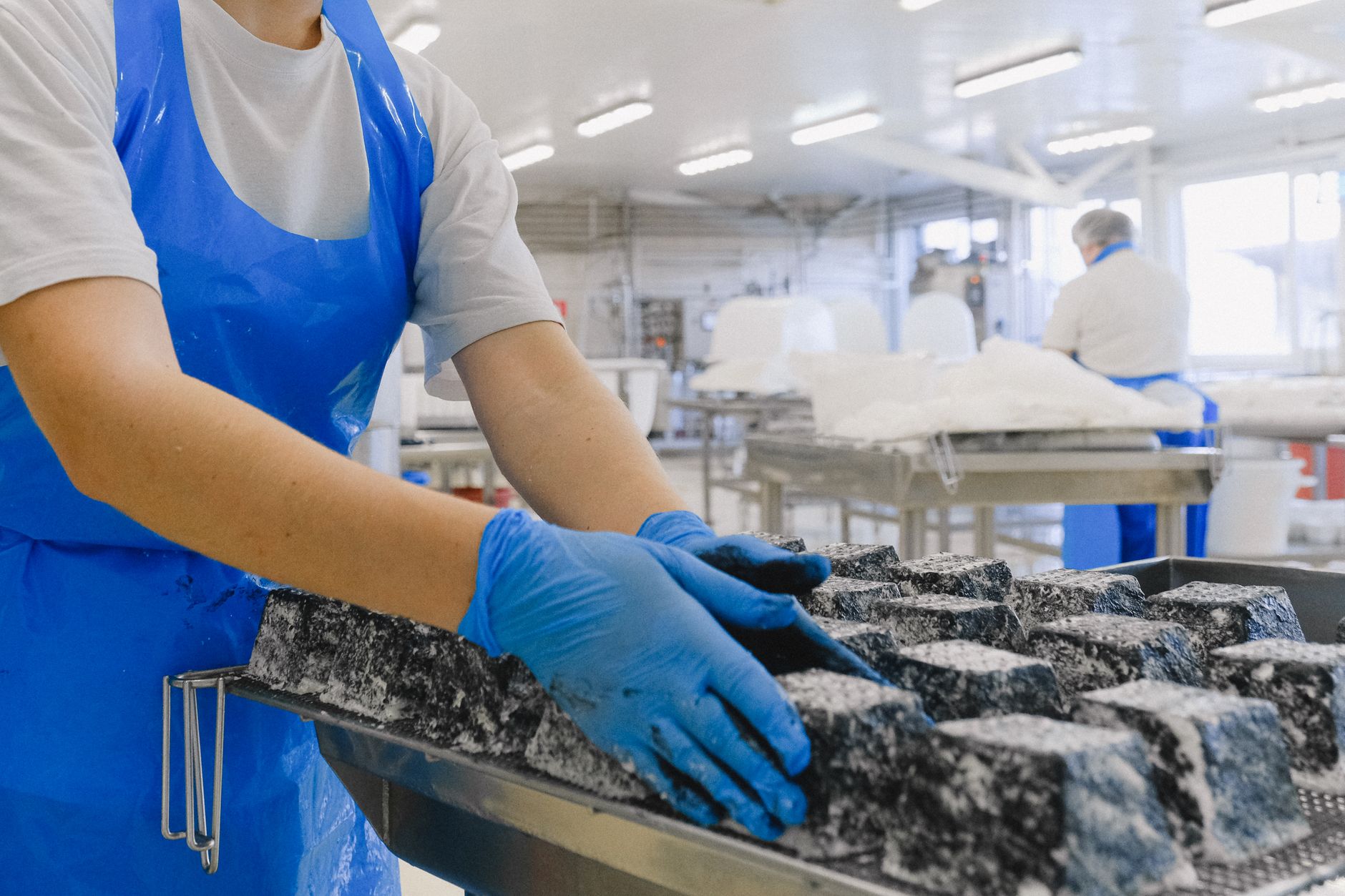
Cobot ROI for snack food plants is a question about one job: the end-of-line work where finished product is packed into cases and the cases are stacked onto pallets. A collaborative arm can run that repetitive motion beside staff. The return is the labor hours of that work the robot takes over, priced on the hours of laborers and freight, stock, and material movers, hand type work the robot covers.
The reason this job fits is staffing. Packing and palletizing are repetitive and physically demanding, and they often fall on the shifts that are hardest to fill. When the line runs short, the plant pays overtime or slows the line, and a leased arm can cover the repetitive cases while staff handle what the arm cannot.
The calculator on this page is pre-filled for this setting and shows a savings range. This text explains how that range is built and what can move it. Read it as a planning range, not a promise.
How many people work in snack food and food manufacturing plants?
Snack foods sit inside food manufacturing, and the federal employment series covers the whole industry, not snack plants alone. According to the Bureau of Labor Statistics Current Employment Statistics series, published by the Federal Reserve Bank of St. Louis, food manufacturing had about 1,780.1 thousand employees on a seasonally adjusted basis in February 2026, a preliminary figure.
The same series shows the floor workforce. In December 2025, it recorded about 1,393.6 thousand production and nonsupervisory employees, seasonally adjusted. That group runs the lines, packs the cases and stacks the pallets, so it is closest to the workforce this robot's work comes from.
Snack plant counts are less settled. A census snapshot of the snack food industry was reviewed, but its figures were not confirmed for this page, so no establishment count appears here. The crew that matters is the one on your end-of-line, and it is set by line speed, case size and shift pattern. The site assessment records that crew directly.
Median hourly wage, Laborers and Freight, Stock, and Material Movers, Hand
$4,380
Monthly cost of one full-time worker, at the median wage plus payroll costs (an estimate, not a quote).
Why is case packing and palletizing hard to staff?
Packing and palletizing are repetitive, physically demanding and often run on night and weekend shifts. According to the packaging machinery trade association's 2025 Inside the Workforce Gap report, retention is a persistent problem and onboarding new hires can take months. A plant that cannot fill one or two end-of-line slots pays overtime or slows the line, and neither is a fix.
A cobot does not solve the whole staffing problem. It takes the steady, repeatable part of the job, the same case motion or pallet pattern over and over, so the people who remain spend their time on changeovers, quality checks and cases that do not fit the pattern. That split is where the labor offset comes from.
The comparison below shows where a robot wins and where a person still does the job better.
- Repeatable cases and pallets
Cobot
Holds the same pattern through a full run without tiring
Staff
Keeps a steady pattern, but pace and attention drop over a long shift
- Irregular or damaged cases
Cobot
Struggles with cases that fall outside the programmed pattern
Staff
Spots damage and handles odd cases by eye and by feel
- Changeovers and new pack formats
Cobot
Needs setup and reprogramming for each new format
Staff
Adapts quickly once shown the new format
- Open shifts
Cobot
Covers the repetitive cases when no one is available for that slot
Staff
Cannot be in two places, so open shifts go to overtime or slow the line
- Quality judgment
Cobot
Runs the sequence and flags what its sensors catch
Staff
Judges seal, print and appearance problems that sensors can miss
- Working beside staff
Cobot
Operates within limits set for work near people, and still needs a site risk assessment
Staff
Shares a work area by default and adjusts to the movements of others
What do injury rates mean for case packing and palletizing?
Food manufacturing carries a meaningful injury load. According to the Bureau of Labor Statistics industry profile for NAICS 311, food manufacturing had 3.3 total recordable cases per 100 full-time workers in 2024. Of those, 2.3 involved days away, job restriction or transfer, and 1.1 involved days away from work.
For comparison, the Bureau of Labor Statistics national table for 2024 puts manufacturing at 2.7 per 100 full-time workers and all private industry at 2.3. A trade news report citing BLS data put food manufacturing at 3.6 per 100 in 2023, down from 4.6 in 2022. The 2023 and 2024 figures come from separate years and sources, so compare them with care.
These rates cover all food manufacturing work, not palletizing alone, and this page does not claim that a robot lowers them. The narrower reading is that the people doing this work sit inside an industry with a real injury load, so the project plan should include a safety review of the robot's work area from the start.
How does the savings math work for a snack plant cobot?

The calculator combines four inputs. The first is the labor hours of end-of-line case packing and palletizing that the robot can take over in a week. The second is the share of that work a robot realistically takes, since not every case or pallet follows a pattern a robot can run. The third is the local wage for this job, taken from the government wage data on this page. The fourth is the lease cost.
The labor side is priced on the hours of laborers and freight, stock, and material movers, hand type work the robot takes over, because stacking and moving cases is that kind of material handling. In plain terms, the offset is the hours taken, times the local wage for that work, times the share the robot takes, set against the lease cost over the same period. The result is a range, because the hour count and the share both vary with the line.
The headcount on this page is a planning figure of four people on the end-of-line crew per shift. It is an assumption, not a published count, and the site assessment replaces it with the crew on your line.
What changes the savings range up or down?
Three things move the range most. The first is how many shifts the end-of-line runs, since more shifts multiply the hours the robot can work. The second is how many cases and pallets follow a repeatable pattern, since a narrow product mix keeps the share high. The third is how often the line changes over, because each changeover pulls staff back in and lowers the share the robot can hold.
Service and downtime matter too. A unit that is down for repair returns those hours to staff, so the service terms and response time count as much as the unit's pace. Floor layout matters as well. The path from the packaging line to pallet staging can add or remove handling steps, which changes how much work the arm can cover.
What are the risks to the return, and how do you avoid them?
The most common risk is a low share. If the robot can take only a narrow slice of cases and pallets, the hours offset shrinks while the lease cost stays the same. Avoid this by measuring the case and pallet patterns on your own line before committing, and by starting with the work that repeats most.
Safety is the second risk. Whether staff can work beside the arm depends on your own risk assessment, the guarding you choose, and the way work moves through the area. Settle those points before the layout is fixed, not after the arm arrives, because a layout change late in a project is expensive in time.
The third risk is the payback claim itself. Vendors and trade articles often quote payback periods, and those are estimates built on someone else's line. Your payback depends on your shifts, your share and your lease cost, so measure it on your own line after go-live and hold the number to the site assessment, not to a headline.
What is the realistic timeline from assessment to payback?
The timeline runs in phases. The free site assessment comes first. It maps the line, records the case and pallet patterns, counts the shifts and crew, and checks floor space. From that, a lease quote is prepared for the specific site, and nothing is installed before the quote is accepted.
Deployment and integration come next. They cover installing the arm, connecting it to the line, training the staff who will work beside it and supporting go-live. The length depends on the site and is confirmed during the assessment. Plan for a commissioning period with extra supervision rather than full output on the first day.
Payback is measured from steady running. The early weeks carry tuning and exceptions, so the savings range is best checked over several months of stable operation. A plant that starts with one leased unit can test the share and the lease cost before deciding whether a second unit makes sense.
How do you get a precise figure from a free site assessment?
A precise figure needs your line data. The assessment records the shift pattern, the case count per shift, the pallet patterns, the changeover frequency and the floor layout. Those inputs replace the planning assumptions on this page with figures from your plant.
We are a US commercial robot integrator. We select the robot for the site, offer lease financing with a fixed robot lease payment, deploy and integrate the unit, train the staff and service it nationwide. The lease is quoted after the site assessment, so you see a figure for your plant before any commitment, and the structure avoids a large upfront outlay.
Ask for the quote to show the hours offset, the share used, the lease term and the service coverage. That lets you check the math yourself instead of trusting the headline range.
Frequently asked questions
Want a cobot at your snack food plant?
Tell us about your site. We will recommend the robot, quote the lease, and keep it serviced.
Sources
- US Bureau of Labor Statistics, Occupational Employment and Wage Statistics (OEWS May 2024)
- Bureau of Labor Statistics industry profile, NAICS 311 food manufacturing
- Bureau of Labor Statistics national injury and illness rates by industry
- Federal Reserve Bank of St. Louis series for BLS food manufacturing all employees
- Federal Reserve Bank of St. Louis series for BLS food manufacturing production and nonsupervisory employees
- Trade news report on food manufacturing injuries, citing BLS data