
The short answer
Delivery robot ROI for casinos comes from food and drink runs that tie up waiters, waitresses, bar staff and room service runners across kitchens, bars, gaming floors and hotel floors. The savings range is the labor hours of that work the robot realistically takes over, valued at the local wage for the job, less a fixed robot lease payment quoted after a free site assessment. The range narrows once the property's own run counts, routes and peak hours are measured.
Key takeaways
- The return comes from the run hours that waiter and waitress type work takes, not from replacing guest service.
- The share of runs a robot realistically takes moves the result more than any other input.
- Long routes, peak-hour volume and hotel room service raise the potential return the most.
- Reliability and order accuracy decide guest acceptance, so routes and handoffs need planning before launch.
- A free site assessment turns the savings range into a lease quote tied to your own floors.
Run the numbers for your site
Pick your city or state for a real regional number - we use the real BLS wage there. (On the live site this auto-detects from your location.)
What do you want to automate?
The robot walks the repetitive trays; staff stay with guests and tables.
What return can a casino expect from a delivery robot?
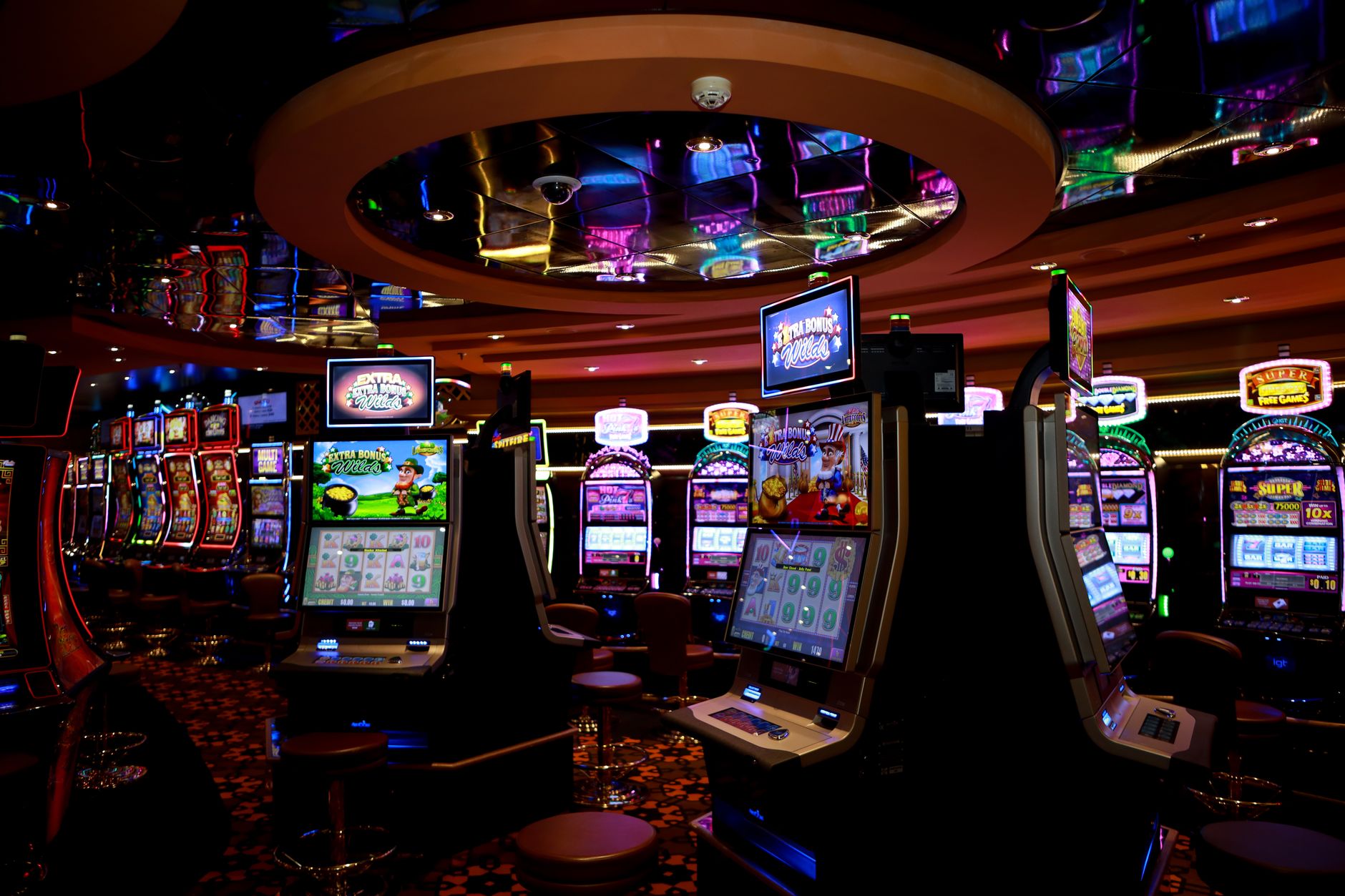
A delivery robot earns its return in a casino by taking over the food and drink runs that pull waiters, waitresses, bar staff and room service runners away from guests. Each run is a walk between a kitchen, a bar, a gaming floor or a hotel floor, and each walk is labor. The return is the hours of that walk the robot takes off staff, valued against a fixed lease payment.
The savings range on this page is built from the same inputs a site assessment measures: runs per shift, route length, the share of runs that suit a robot, and the lease quote. Use the range as a planning tool. It shows whether the economics deserve a closer look at your property, and it tells you which numbers the assessment must confirm before anyone signs.
Casinos are not like a single restaurant. Work is spread over several kitchens, bars and floors, and sometimes a hotel tower, so one person may cover distances that a restaurant never asks for.
Why do casinos suit delivery robots?
According to an Oxford Economics study for the American Gaming Association using 2022 data, the combined commercial and tribal gaming industry supports 1.8 million jobs, and 597,000 of them are on site at casinos and corporate offices. Casino employment is one in 33 leisure and hospitality jobs, as reported in a Business2Community summary of that study.
The AGA's 2023 materials list 45 states and the District of Columbia offering commercial or tribal gaming, which shows how widely this type of property is spread. Many of those properties combine the same elements that create long runs between kitchen, bar and floor.
A typical property combines a main kitchen, several bars, a restaurant pass and sometimes a hotel tower with its own room service. Every handoff between those points is a walk, and the walks repeat all shift.
Median hourly wage, Waiters and Waitresses
$3,798
Monthly cost of one full-time worker, at the median wage plus payroll costs (an estimate, not a quote).
How much staff time goes into food and drink runs?
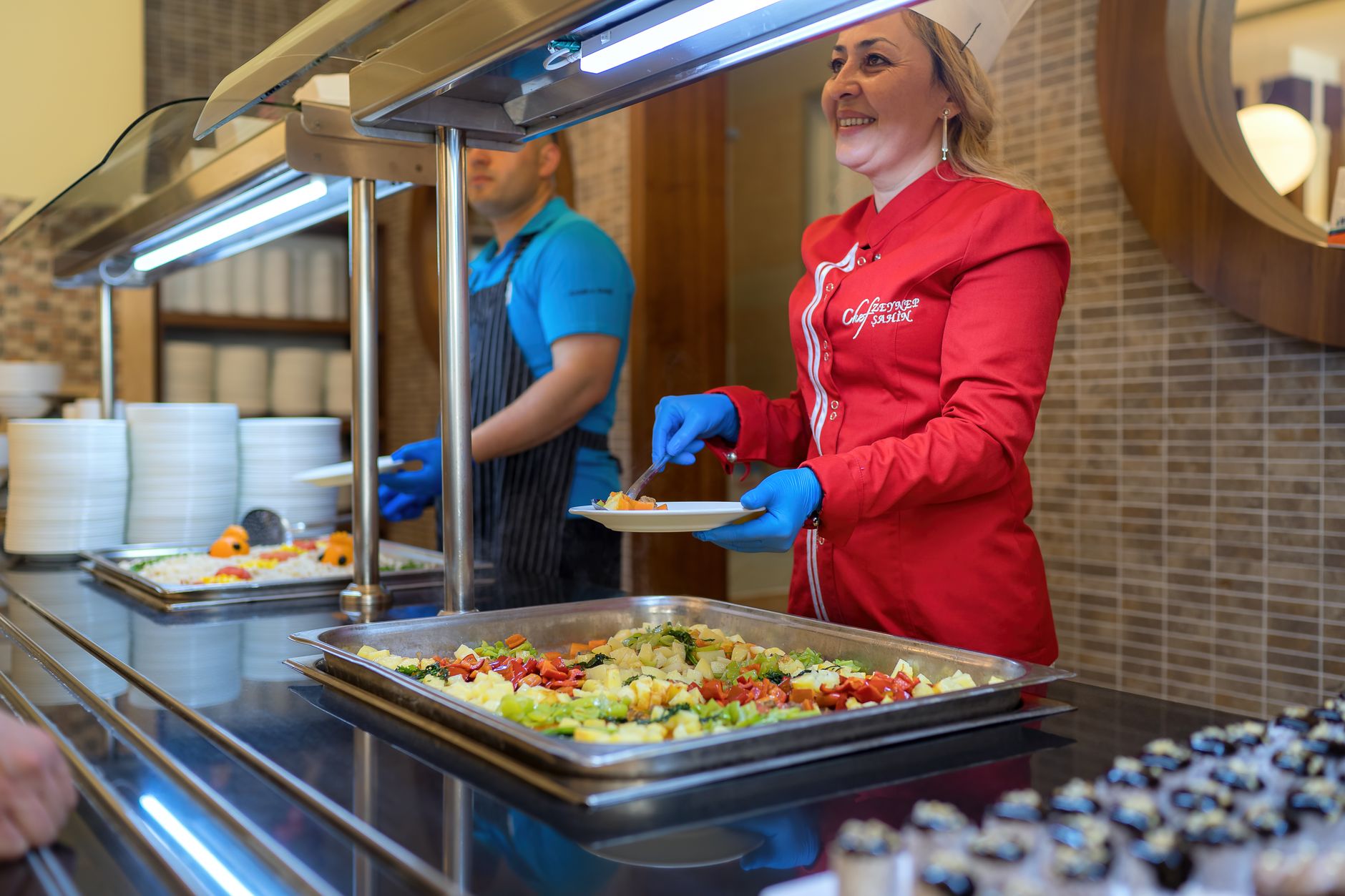
The job that matters here is the work of waiters and waitresses: carrying orders from kitchen or bar to a guest, clearing trays and returning glassware. According to the Bureau of Labor Statistics Occupational Outlook Handbook, 2,329,700 people held waiter and waitress jobs in 2024, and the handbook projects a 1 percent decline from 2024 to 2034. It also expects about 456,700 openings a year on average, mostly from replacement rather than growth.
The government wage data on this page gives the local wage for this job. The savings range prices each hour the robot takes over at that wage, so the same run hours are worth more in a higher-wage market. The labor side is always stated in hours of this work, not in what the staff who do it are paid.
We did not find a published count of food and beverage workers per casino site, so the planning headcount is a placeholder that the site assessment replaces. The hours of run work at your property come from timing your own runs, and the table below lists the tasks to time.
How does the savings math work?
The return has three inputs. The first is the labor hours of waiter and waitress work that the robot takes off staff each week. The second is the share of those hours the robot realistically takes, since not every run suits a robot. The third is the fixed robot lease payment, with service, quoted after a free site assessment.
Savings come from the freed hours valued at the local wage for this job, less the lease payment spread over the lease term. Net return is positive only when those freed hours go to guest-facing service or other planned work. If the hours sit idle, the return is weak, which is why the assessment measures them before any lease is signed.
The share is the input that moves most. A robot cannot take a run that needs a manager, a pour at the bar rail or a guest handoff, so the realistic share is smaller than the total run count. The savings range therefore spans a low and a high share, not a single assumption.
- Repeating the same route
Delivery Robot
Runs the planned route the same way every time
Staff
Adjusts the route and timing as needed, but attention drifts on long repeated walks
- Peak night surges
Delivery Robot
Carries only what its tray and route allow on each trip
Staff
Can pick up extra orders and redirect on the fly
- Guest interaction
Delivery Robot
Does not greet, explain or resolve a problem at the table
Staff
Handles questions, complaints and upsells
- Hours of coverage
Delivery Robot
Runs scheduled routes during the hours the property sets
Staff
Shift schedules and breaks limit how many hours are covered
- Unexpected blockages
Delivery Robot
Stops or waits when a path is blocked
Staff
Finds a way around a blocked corridor or a missing item
What changes the return up or down?
The biggest swings come from run volume, route length and layout. A property with long walks from the main kitchen to far corners of the floor, and with hotel rooms several floors up, has more hours a robot can take. A compact layout with short runs has less to gain, though it can still pay if the run count is high.
Peak timing matters as much as totals. A robot that covers the busiest hours of a weekend night adds more value than one that runs quiet afternoons. Staffing matters too. A site already short of runners gains more from freed hours, while a site with spare runners may only reassign them.
Lease terms and service also move the number. A quote that includes deployment, training and service should be compared with one that leaves those out only on identical terms, so line up the assumptions before comparing.
Does staffing pressure make the case stronger?
Turnover in food service is high, which makes it hard to hold runners. Toast data reported in a RestroWorks roundup put annual turnover at 73.9 percent, the lowest annual rate since 2017. Because that figure is vendor-reported, read it as an indicator rather than a sector census. The Fountain QSR Workforce Snapshot 2025, citing Bureau of Labor Statistics data, showed a quits rate of 3.7 percent for accommodation and food services in August 2025, the highest of any major US industry.
Hotels show the same strain. According to the American Hotel and Lodging Association, hotels expected to add about 14,000 workers in 2025, and staffing remained well below 2019 levels. The AHLA projected about 2.17 million hotel workers. For a casino with a hotel tower, room service coverage is where that gap shows first.
Casino employment has also moved. A UNLV Center for Gaming Research report from 2014 found national casino employment peaked at 386,548 in 2006 and had fallen to 336,272 through 2012, about 13 percent lower. A site short of staff for years has a clearer case for freeing hours, but the return still depends on the hours the robot takes over.
What are the risks to the return, and how do you avoid them?
The main risk is reliability. A PYMNTS finding reported that 65 percent of consumers not interested in robot delivery cited reliability and order accuracy concerns. The date of that finding was not confirmed in our review, so treat it as directional. A guest who gets a wrong or late tray blames the casino, not the robot.
Other risks are operational. A robot that stalls in a crowded corridor, waits too long for an elevator or blocks a service door erodes the hours it was meant to free. A route that works on a quiet afternoon can fail on a packed Saturday night, so test it at peak.
Avoid these by mapping routes and elevator access before launch, keeping a trained person at each loading point and handoff, and agreeing a plan for a unit that goes down on a peak night. Anything with an age or licensing rule, such as alcohol, needs a clear handoff rule set with your compliance team.
What is a realistic timeline from assessment to payback?
The path runs in phases, and the lease starts only after the plan is set. The site assessment comes first, followed by mapping of floors, kitchens, elevators and routes. A pilot on one high-value route follows, and its run data tests the share of runs the robot actually takes.
Payback is reached when the hours freed over a normal month cover the lease payment. The date depends on the pilot's measured share, so we do not promise one. Once a route is proven, more units or routes are added in phases so the floor does not have to shut down.
- Site assessment: time the runs, routes, peak hours and staffing.
- Mapping and route design, including elevator access where a hotel is involved.
- Pilot on one route, measuring the share of runs taken and order accuracy.
- Go-live support, with staff trained to load, confirm and clear.
- Review of measured hours against the lease, then phased expansion.
How do you get a precise figure from a free site assessment?
A precise figure comes from a free site assessment. We time the runs your staff make by task, measure walking distances on each route, check elevator and door timing, and record peak hours. We then apply the government wage data for this job and a realistic share of runs a robot can take, and the lease is quoted from those findings.
The quote reflects your floors and your run counts rather than a generic estimate. We are a US commercial robot integrator. We choose the robot that fits the site, lease it through financing, deploy and integrate it, train the staff and service it nationwide, so one partner handles the whole arrangement and one contact takes the call when a problem hits a busy floor.
Ask for the quote in writing with its assumptions: the share of runs, the hours counted, the lease terms and what service is included. A quote that shows its inputs is the one you can check against your own numbers.

Frequently asked questions
Want a delivery robot at your casino?
Tell us about your site. We will recommend the robot, quote the lease, and keep it serviced.
Sources
- US Bureau of Labor Statistics, Occupational Employment and Wage Statistics (OEWS May 2024)
- Bureau of Labor Statistics, Occupational Outlook Handbook: Waiters and Waitresses
- Oxford Economics study for the American Gaming Association, as reported by Business2Community
- American Gaming Association 2023 materials, via CasinoBeats
- UNLV Center for Gaming Research, casino employees report (2014)
- Fountain QSR Workforce Snapshot 2025
- RestroWorks, restaurant turnover statistics (Toast data)
- American Hotel and Lodging Association, via Hotel Management
- PYMNTS consumer survey on robot delivery