
Key takeaways
- Cold room pallet moves are repeat work, which suits guided operation between cooler doors and dock lanes.
- A robot plus a smaller crew keeps moves going on short shifts, and staff stay on the floor.
- Savings come from the hours your crew spends on repeat moves, measured during a free site assessment.
- Autonomous units avoid ride on forklift trips in cold, wet areas, according to trade press.
- The lease payment comes in a quote after the site assessment, so you can compare it with your own staffing.
See what a autonomous forklift costsRun the numbers in the ROI calculator
How can autonomous forklifts help a dairy distributor?
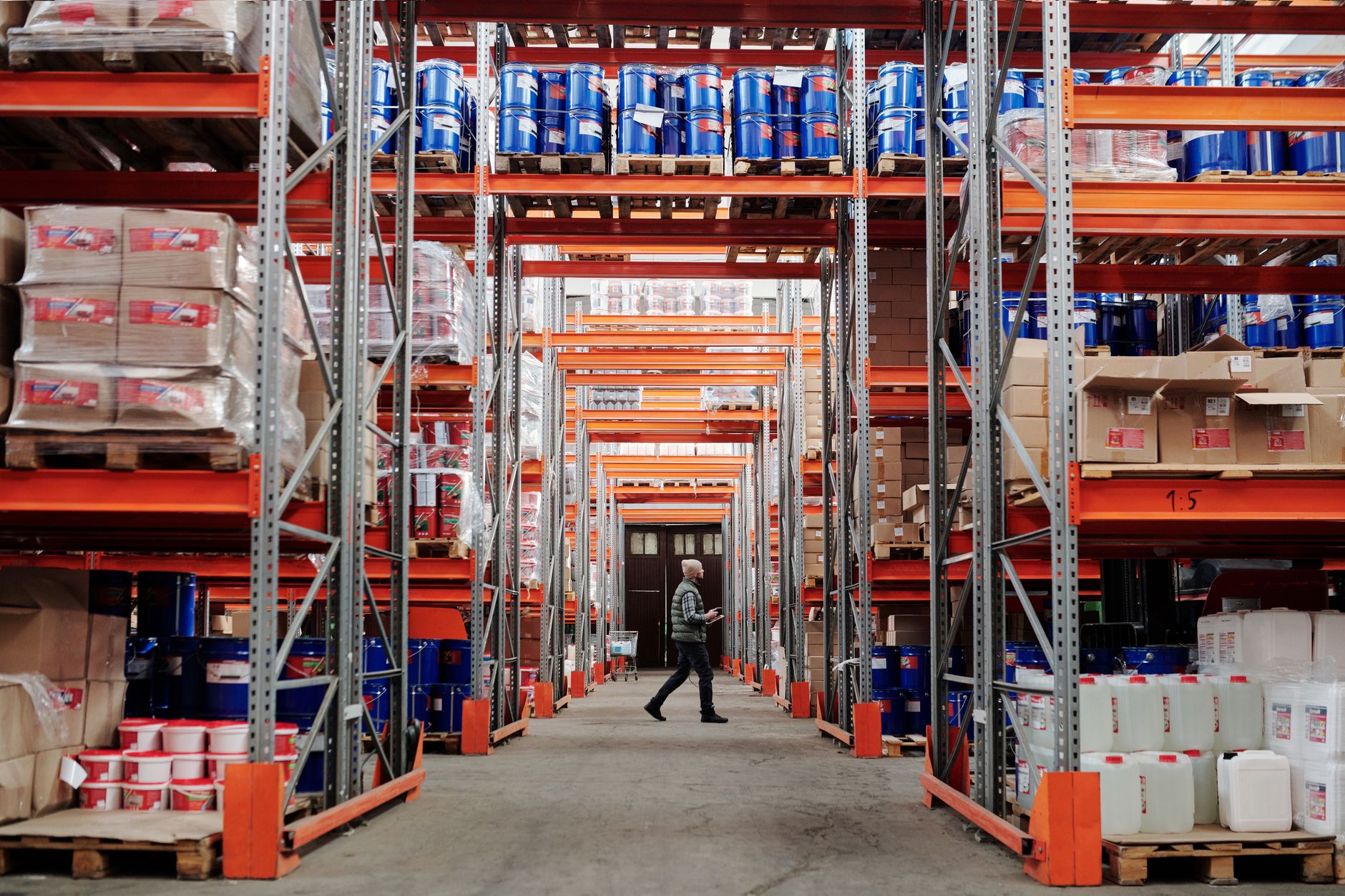
Autonomous forklifts for dairy distributors take over the repeat pallet moves that keep a cold room waiting on people. The unit carries loads between cooler doors and dock lanes along routes mapped once, so the crew spends less time on the same trip and more on picking, date checks and exceptions.
The fit is strongest where moves follow the same paths all day. A dairy distributor usually has staging near the cooler doors, dock lanes that receive and ship on a schedule, and a cold room where a wet, cold floor makes riding a forklift harder work. A guided machine follows the same path every time, and that is exactly what repetitive work needs.
The benefit is not that a robot replaces your team. It is that a robot plus a smaller crew can keep the cold room moving when a shift runs short. Every deployment we run keeps staff on the floor, and the machine takes the moves that repeat.
Why do cold room pallet moves depend on tight staffing?
In a cold room, every pallet move is a small planned event. Product is staged, rotated and counted, and the same people also pick orders, check the dock and cover breaks. When one person is out, moves queue up and cooler doors stay open longer than anyone wants, which lets cold air escape while the crew catches up.
The sector is large, and the pattern repeats across it. According to the USDA NASS refrigerated warehouse survey, 931 refrigerated warehouses were counted in the United States as of October 1, 2025, with 3.99 billion cubic feet of gross refrigerated capacity. The same summary lists 476 public warehouses and 455 private or semi-private. For an operator, that means many buildings run the same kind of moves between cold rooms and docks.
Growth adds to the load. According to an International Institute of Refrigeration summary of USDA data, refrigerated warehouse capacity rose 8% in 2025. A cold storage whitepaper citing the USDA count reports 900 warehouses in the 2023 survey. More space means more pallets to move with the same people.
Staffing is the hard part. According to a logistics article citing recent industry surveys, average turnover across warehouse and distribution operations is 11.6%. The article does not name the survey or its year, so treat that figure as a general signal. Each departure still means training a new person on cold room routes and dock timing, which is why a machine that runs the same route every shift takes pressure off the people who stay.
What are the main benefits for a dairy distributor?
The first benefit is steadier flow. The unit runs the same route on every shift, so cooler door staging and dock lane timing hold even when headcount drops. Staff stop pulling themselves off picking and checking to cover a pallet trip.
The second is less exposure. Trade press on autonomous forklifts reports that autonomous units avoid the hazards of ride on vehicles, which it says are worse in cold and slippery conditions. That does not remove the need for careful site design, but it moves the most repetitive trips away from people on wet floors.
The third is coverage. A guided unit can keep pallet moves going while the crew handles the dock or receiving paperwork, and it can work through lighter periods without asking staff to fit in extra trips. Busy and quiet hours both get the same route.
The fourth is that the route is written down once. The mapped path, stop points and staging spots become part of your written procedure, which is easier to train from than habit. New hires learn one route rather than several informal ones.
How does the robot work in a cold room day to day?
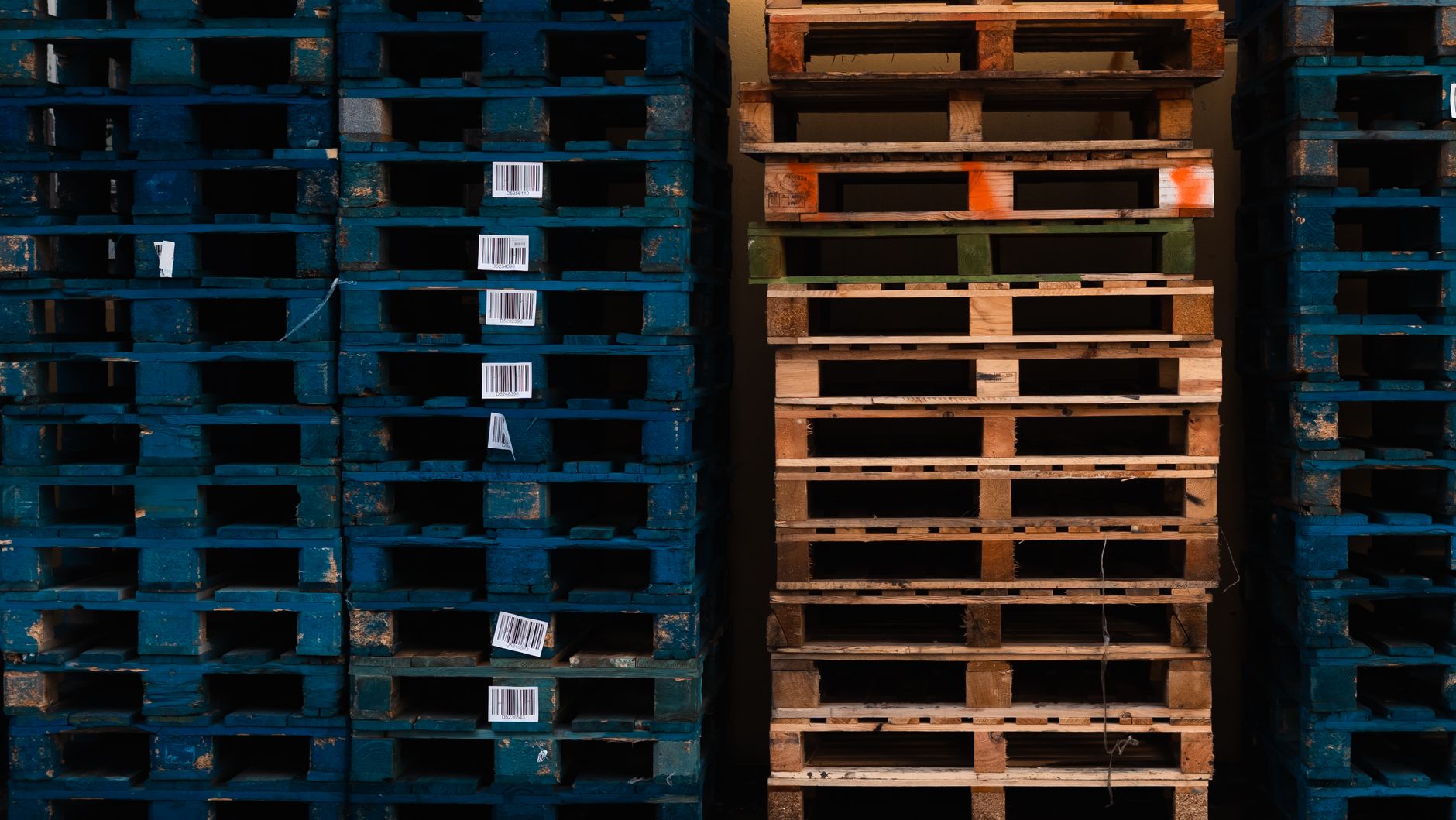
A typical day starts with the route plan your team confirmed in the site assessment. Staff load the first pallets at the staging point, the unit picks them up and moves them along the mapped path to the cooler door or dock lane, then returns for the next job.
Your team keeps control of the day. Staff set priorities, clear obstructions, and handle anything off the route, such as a damaged pallet or a trailer that arrived early. The unit stops for people in its path and waits until the way is clear before it moves on.
Maintenance runs between shifts. Our service team handles scheduled checks and remote triage first, and sends a technician on site when a unit needs hands-on work. A robot maintenance service plan keeps that routine predictable, so the cold room does not depend on one person knowing the machine.
Which areas of the building does it work in?
Coverage follows the moves that repeat. Most of the work clusters in a handful of areas that anyone running a dairy distributor will recognize, and the site assessment decides which lanes to map first.
The zones below are where repeat pallet moves usually sit. Each one is a place where the crew makes the same trip many times a shift, which is what makes it a good candidate for guided operation. Lanes that change often, such as trailer doors, are mapped with staging points the crew controls.
How does it work alongside existing staff?
The honest model is a robot plus a smaller team. You keep the people who know the product, the dates, the customers and the exceptions. The unit takes the repeat trips that otherwise pull those people off that work.
Training is short for the people who work near the machine. They learn the stop areas, the call procedures and the route rules. Our team leads go live support in the first days and checks back in after the first weeks, so the crew is not left to work out the routine alone.
Staffing never drops to zero. A smaller crew means fewer people on the route, not an empty building. Your team stays responsible for the cold room, the docks and the paperwork, and the machine carries pallets along the path it knows.
What drives the savings in hours and labor?
Savings for autonomous forklifts for dairy distributors come from the hours your crew spends on repeat moves, not from the machine itself. The question is how many pallet moves between cooler doors and dock lanes happen each shift, and how many of those hours fall on people who are hard to replace. We measure both during the site assessment and do not promise a figure before we have seen the floor.
Industry surveys point the same way, though none of them is specific to dairy. A 2025 survey of about 110 readers of a materials handling trade publication reports that 64% say they are spending on automation and technology, and 55% on forklifts and lift trucks. A vendor-linked survey reports that more than 70% of respondents have adopted or plan to adopt autonomous mobile robots or automated guided vehicles.
Turnover is the other driver. With average turnover at 11.6% across warehouse and distribution operations, according to that logistics article, a crew loses people steadily, and each departure adds training hours on cold room routes. A route the machine runs the same way each shift is less exposed to that churn. We do not have a verified dairy specific staffing hours figure, so the range for your building should come from your own pallet counts and turnover records.
The lease side is handled separately. The payment comes in the quote after the site assessment, so you can line it up against the hours and turnover you measured. That keeps the decision tied to your own floor rather than a generic estimate.
What can an autonomous forklift not do?
It cannot replace judgment. It does not check dates, decide what to rotate, read a damaged label or handle a pallet that sits off its base. It moves what is staged for it along a route it knows.
It is not the right tool for every move. Odd layouts, unusual loads and areas without a mapped route still need a person or a separate machine, and ride on forklifts stay on site for those jobs.
Floors and layouts change. A new cooler door location or a moved dock lane means the route is remapped, and that takes time. Ride on forklifts remain part of the operation during that period, so the work keeps moving.
Temperature is a check, not an assumption. Not every unit is rated for freezer temperatures, so the rating is confirmed against your actual conditions before any route is set.
How do you get started?
Start with a free site assessment. We walk the cold room, the cooler doors and the dock lanes, measure the moves and map the routes that repeat. From that we recommend the right robot for your floor and loads, and we say so plainly if a machine is not the right fit.
The robot is leased through lease financing programs, and the fixed robot lease payment comes in the quote after the site assessment. That lets you compare the lease with your own staffing hours and turnover before you commit. Robot leasing for business keeps the capital side simple for many operators.
After the lease, our team handles robot deployment and integration, trains your staff, provides go live support, and services the unit nationwide with on-site dispatch and remote triage. A common way to begin is one leased unit on one route, then adding routes once the work is proven on the floor.
Frequently asked questions
Upcoming warehouses & 3pl events
Want an autonomous forklift at your dairy distributor?
Tell us about your site. We will recommend the robot, quote the lease, and keep it serviced.