
Key takeaways
- Repeat case-stock moves between receiving, racking and shipping are the best fit for autonomous forklifts.
- Vendor-reported savings of 3 to 4 hours per 8-hour shift are estimates, so measure your own moves first.
- A robot plus a smaller team is the model, and drivers keep the checks, exceptions and mixed pallets.
- Robots are leased through financing, and the payment comes in a quote after a free site assessment.
- Start with one route, prove it runs reliably, then add the next.
Can autonomous forklifts help a janitorial supply distributor?
Yes, for the right part of the building. Autonomous forklifts for janitorial supply distributors work best on the repeatable case-stock moves that keep your drivers busy all shift: unloading inbound pallets at receiving, putting cases away into racking, and staging orders at shipping. Those moves follow the same few routes many times a day, which is the kind of work an autonomous forklift can run on a fixed schedule.
The main problem it solves is driver time. When licensed drivers spend much of the shift on short trips between the dock and the racks, picking and loading slow down, and drivers have less time for work only a person can do, such as damage checks, mixed-pallet builds and exceptions. Moving the repeat trips to a robot gives that time back.
How strong the case is depends on your layout, your volume and how much of the day is truly repetitive. A site assessment answers that question with your own numbers. The rest of this page explains what to look for, how the robot works, and what it cannot do.
What does case-stock movement look like at this kind of place today?
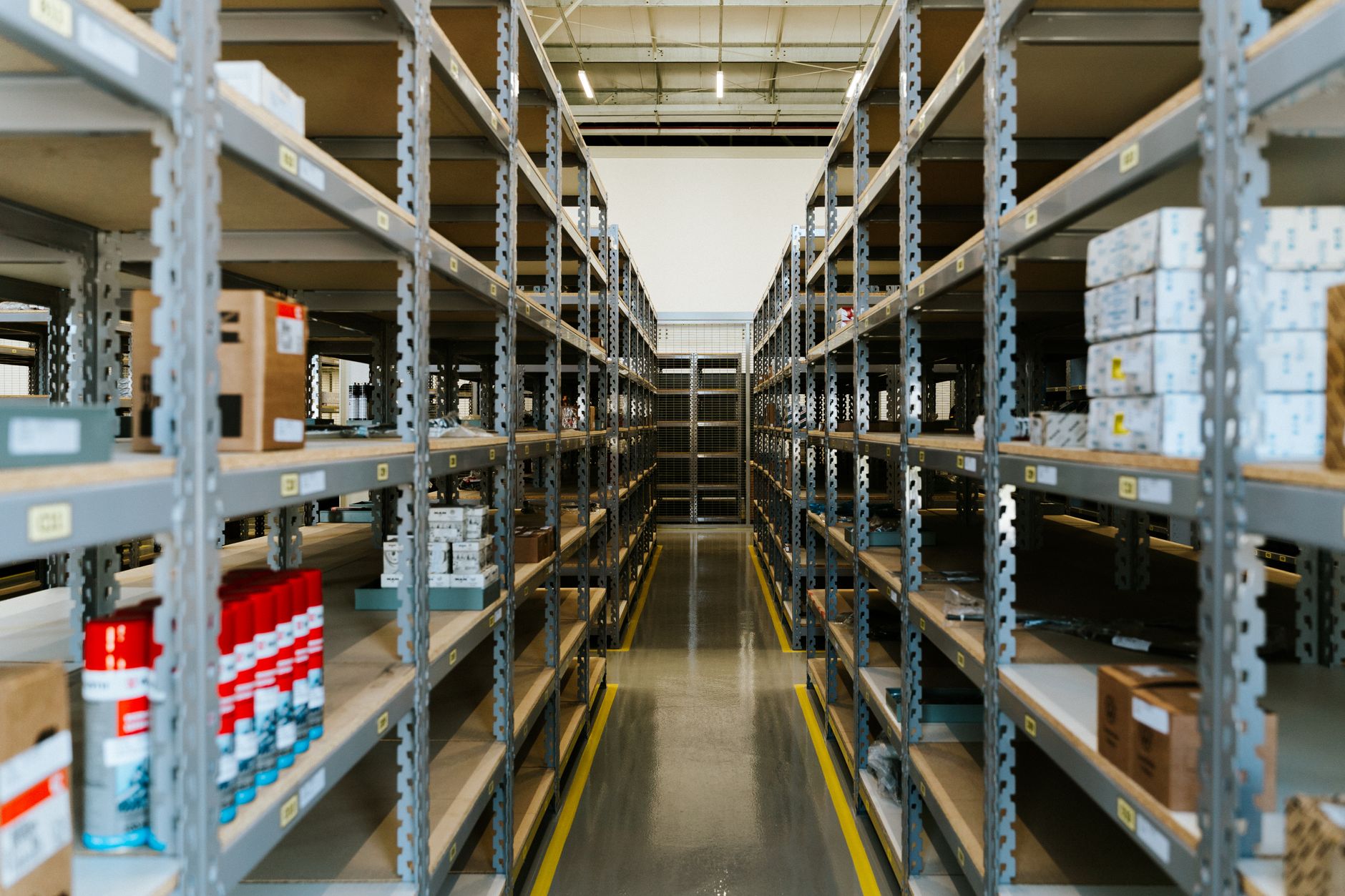
A janitorial and cleaning supply distributor receives bulk shipments from manufacturers and moves heavy pallets of cases, drums and bottles through a few fixed stages. Receiving breaks down inbound trailers, racking holds reserve stock, and shipping builds orders for route trucks and customers. Much of the forklift time goes to carrying the same pallets between those few points.
The category is large and crowded. According to a paywalled US industry research report, there were 1,778 businesses in janitorial equipment and supplies wholesaling in 2025, up 0.6% from 2024. The same report shows a -16.6% CAGR in business count from 2020 to 2025, which means the number of businesses shrank over that period. That report counts businesses, not locations, so it says little about any single building.
A second research category lists 1,435 businesses in cleaning and maintenance supplies distributors in 2025, and the two categories may overlap. Whatever the exact count, accounts expect same-day builds and accurate orders, and those depend on how quickly pallets move from the dock to the lanes.
Why do forklift time and safety matter so much here?
Forklift work carries real risk, and it sits right next to the daily flow of pallets. According to the National Safety Council, as summarized by a safety training site, there were 67 forklift-related fatalities in 2023. A secondary summary attributes about 35,000 serious and 62,000 nonserious forklift injuries per year to OSHA.
The causes are worth knowing before you plan a layout. A NIOSH-based secondary summary breaks down forklift fatalities this way:
Several of those categories involve people on foot near moving trucks, and that is where a fixed, mapped route can cut down surprises. A secondary summary also reports 2,248 forklift-related violations cited by OSHA in 2024, which shows how closely the work is watched. A robot is not a fix for every hazard, but it does take a set of repeat trips out of the hands of people walking the aisles.
- Overturns: 22% of fatalities
- Ground workers struck: 20% of fatalities
- Crush deaths: 16% of fatalities
- Falls from forklifts: 9% of fatalities
How does the robot work day to day?
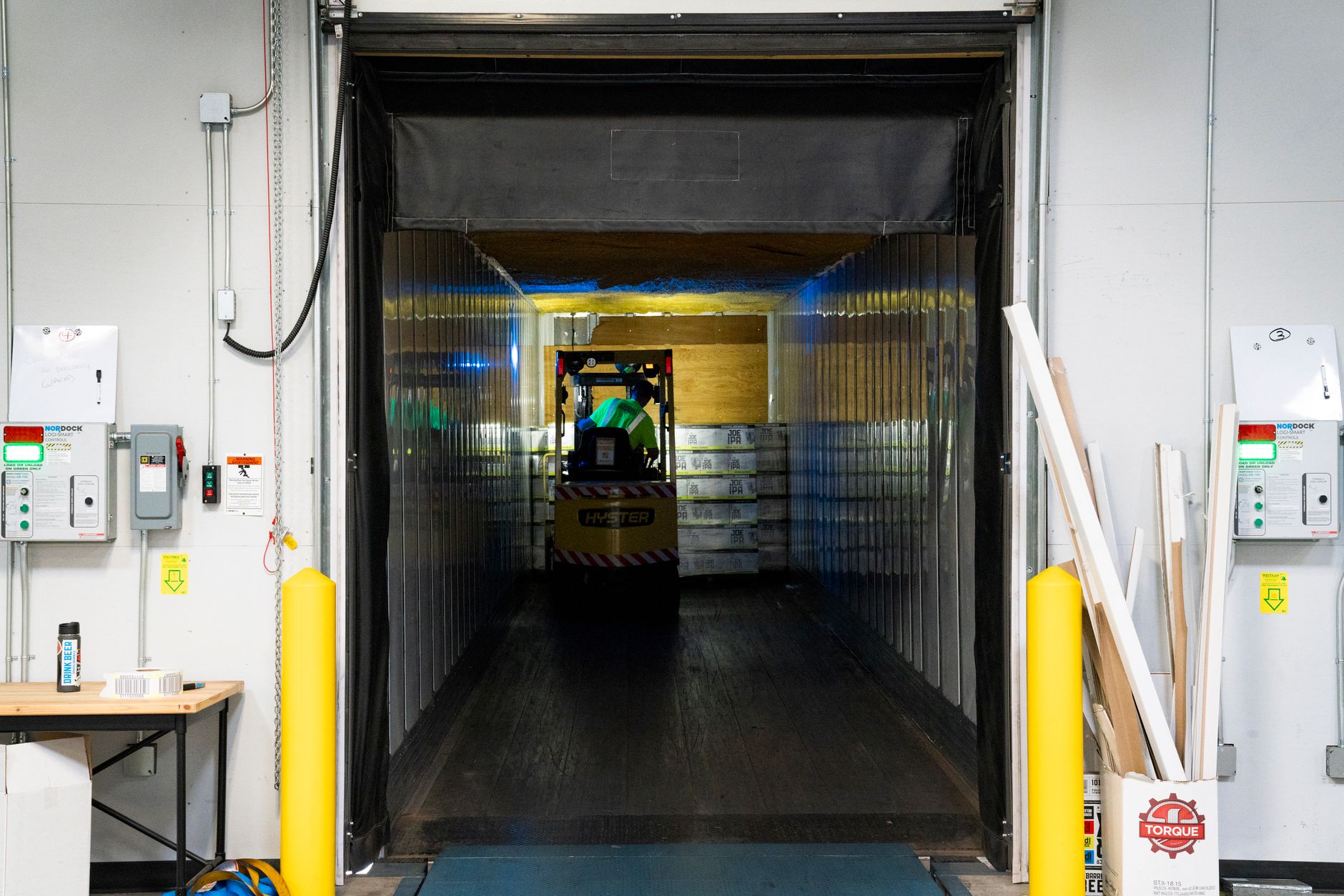
The robot follows a mapped route between defined stations. Once the site is mapped, pick and drop points are set at receiving, reserve racking and staging lanes. Staff release moves at a station or through the warehouse system the site already uses, depending on the integration, and the robot carries the pallet, reports arrival and returns to its charging or wait point.
Most of the effort is in planning. We walk the building, record aisle widths, dock heights, floor condition and the places where people normally cross, then set speeds and zones to match. Sensors stop the vehicle when a person or obstacle enters its path, and it waits until the path is clear before it moves again.
Drivers still handle what a robot should not. They check loads for damage, build mixed pallets and clear problems that appear on the route. The day section below shows how a typical shift divides the work between the robot and the team.
Which areas of the building does it work in?
Autonomous forklifts are most useful where moves repeat and the paths stay fixed. In a janitorial supply distributor that usually means the six areas below. The robot is less suited to places where loads are picked by hand from mixed bins at floor level, or where the floor changes often.
We do not start in the busiest or most hazardous zone. Most sites begin with a single route between two stations, then add routes only after the first one runs reliably and the team trusts how it behaves. Chemical storage in particular needs a review before any robot route is approved.
How does a robot work alongside existing staff?
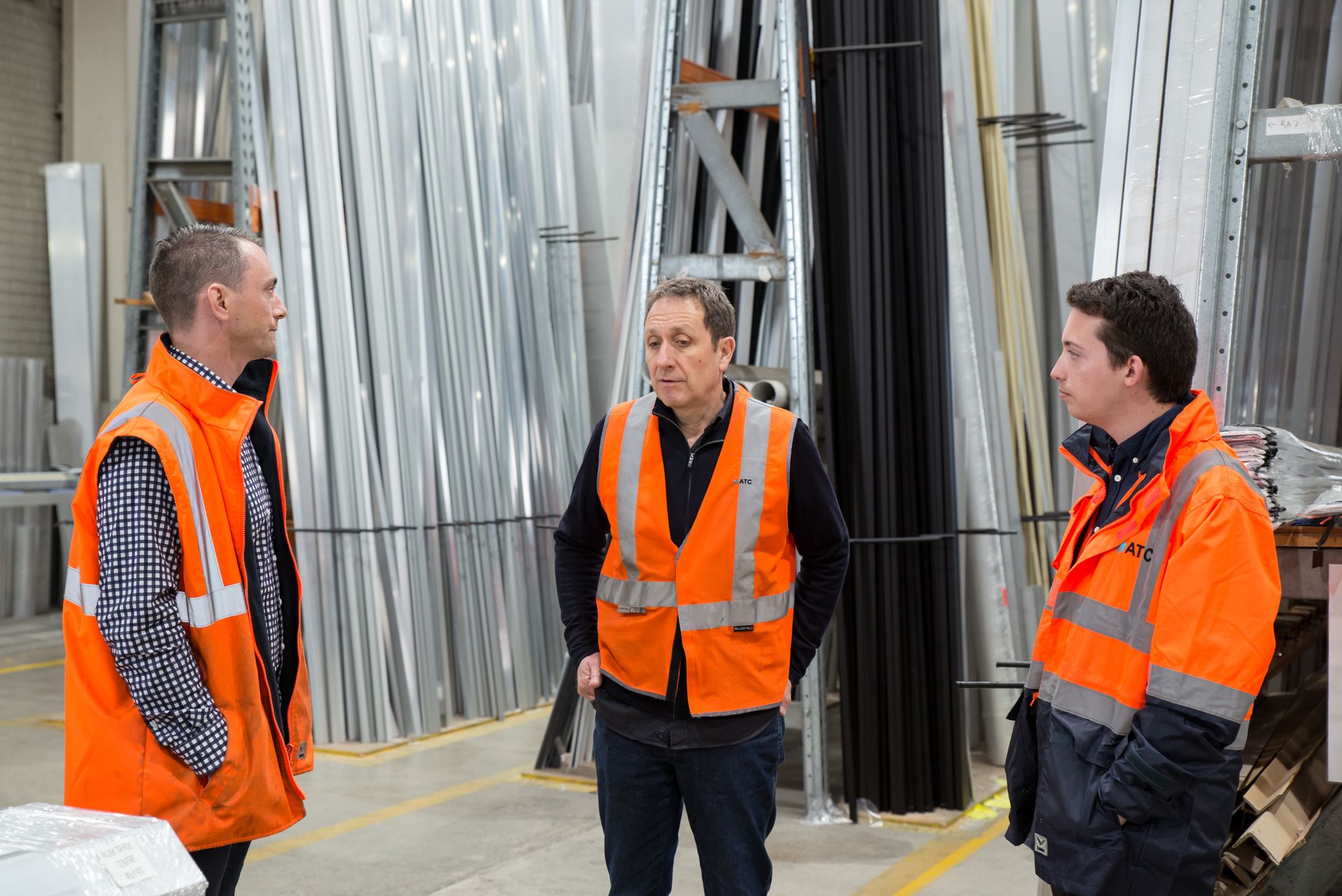
A robot works with a team and does not replace it. The model we use is a robot plus a smaller team of drivers, pickers, a lead and a supervisor, with the robot covering the repeat trips. A trade publication report on a robotic cross-dock says supervisors stayed unchanged and fewer forklift operators were needed, though that is company-reported and not a universal result.
Training matters more than people expect. Drivers need to learn how the robot signals its intent, how to clear a blocked path, and how to take a move back by hand when a load needs attention. Our team trains staff on site and services the robot nationwide, so faults have a clear path to resolution.
Plan for the team to change shape. Drivers move from repeat hauling toward checking, exceptions and sorting, and the lead or supervisor takes on watching the move log. That shift is where the real value of the robot shows up, and it is planned with your staff, not around them.
What drives the savings in hours and labor?

Savings from autonomous forklifts for janitorial supply distributors come mostly from driver time moved to other work. The main inputs are how many repeat moves run per shift, how far each trip travels between stations, and how many minutes drivers now spend waiting for a free forklift. Those inputs are specific to your building, so treat any headline figure as a starting point.
The figures we found come from vendors. A logistics provider's infographic says one robot can save 3 to 4 hours of traveling time per 8-hour shift, and it presents that as a vendor estimate rather than a measured result. A vendor case study of an autonomous tugger, a related but different machine, has a title reading 60 labor hours each week and reports the redeployment of 1.5 full-time roles and over 1,800 hours of autonomous operation.
We found no independent, peer-reviewed study of hours saved per shift for autonomous forklifts, so we measure your move counts and travel distances during the site assessment before anyone talks about hours. Any change in headcount is a decision for your team, made with your own numbers, and not a promise drawn from a vendor's title.
What can an autonomous forklift not do?
It does not replace a licensed driver for every task, and it does not handle every load. It will not build a mixed pallet from loose bins, check the paperwork on a shipment, or take on a load that is damaged or outside its rated capacity. Anything that needs a human judgment call stays with your team.
The building also sets limits. Floors with large cracks, steep ramps, poor lighting or frequent spills need work before a route can run. Narrow aisles, tight dock plates and heavy traffic from manual forklifts can limit where it goes, and a route through a busy shared area may need a new traffic plan.
It is not a fix for a broken process. If pallets arrive poorly labeled or the racking is disorganized, the robot moves the mess faster. Clean up the workflow first, and the site assessment will flag those issues before any quote is prepared.
How do you get started?
The first step is a free site assessment. We walk the building, map the routes you care about, measure move counts, and recommend one robot and one route to start. A small, well-defined start is usually easier to judge than a whole-building plan on day one.
Robots are leased through financing, and the payment comes in the quote, which we prepare after the site assessment. The quote lays out scope, deployment and integration, staff training and nationwide service, so you can see what is covered before deciding. We handle the robot from site assessment through go-live support, so you deal with one partner.
Before you agree to anything, ask for the quote in writing, check which service and backup terms it includes, and ask how a fault is dispatched. If the first route returns hours your team can measure, adding a second route becomes a much easier decision.
Frequently asked questions
Want an autonomous forklift at your janitorial supply distributor?
Tell us about your site. We will recommend the robot, quote the lease, and keep it serviced.
Sources
- Janitorial equipment and supplies wholesaling industry report, US (2025)
- Cleaning and maintenance supplies distributors industry report, US (2025)
- National Safety Council forklift statistics, summarized by a safety training site
- Forklift accident statistics, secondary summary citing OSHA and BLS
- Forklift accident causes and prevention, NIOSH-based secondary summary
- Automated forklift infographic from a logistics provider (vendor-reported)
- Vendor case study of an autonomous tugger (vendor-reported)
- Trade publication article on a robotic cross-dock (company-reported)