
Key takeaways
- Fixture pallets are bulky and aisles are shared, so repeat moves are where autonomous forklifts usually pay off first.
- Fixed routes between receiving, racks, staging and shipping suit autonomous forklifts well.
- A vendor-style estimate puts travel time saved at 3 to 4 hours per 8-hour shift per unit, which needs checking on your floor.
- Experienced staff still load, inspect, handle exceptions and own the route plan, so the robot adds capacity rather than replacing the team.
- A free site assessment comes before any lease quote, so the numbers reflect your building.
How can autonomous forklifts for lighting distributors help?
Autonomous forklifts for lighting distributors take over the repeat moves that eat up a shift: carrying bulky fixture pallets from the dock to racks, bringing orders to staging, and running outbound loads to the doors. The robot follows a mapped route and slows or stops around people, so the aisle stays predictable for everyone else working in it. The gain comes from fewer hours lost to walking, waiting and blocked lanes, not from changing how the building runs.
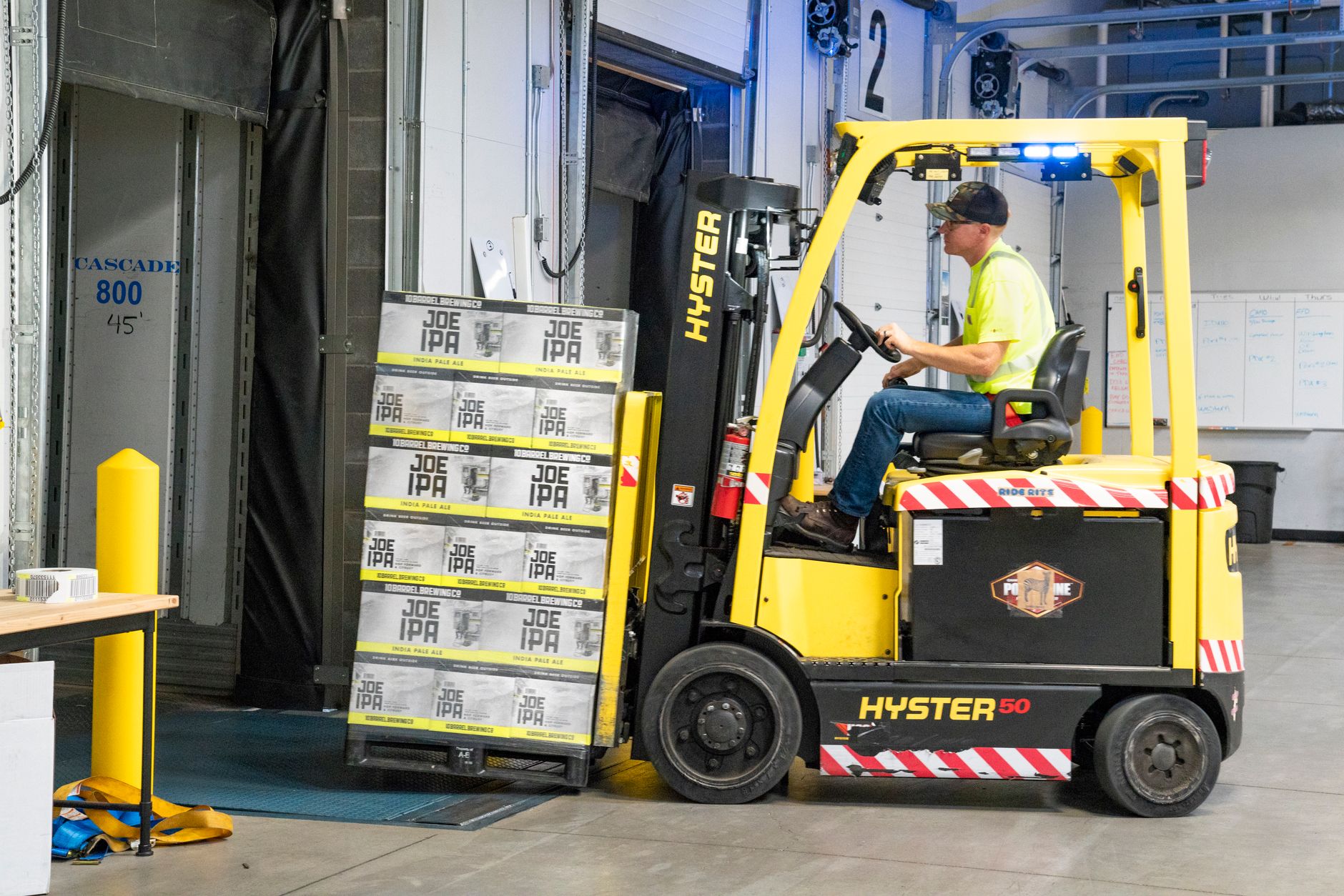
The case is strongest where the work repeats. Inbound trailers arrive on a steady schedule, orders go out in waves, and the same lanes carry fixture pallets all day. Those fixed flows suit autonomous forklifts well, and they free experienced operators for the lifts that still need human judgment.
What problem do lighting distributors face today?
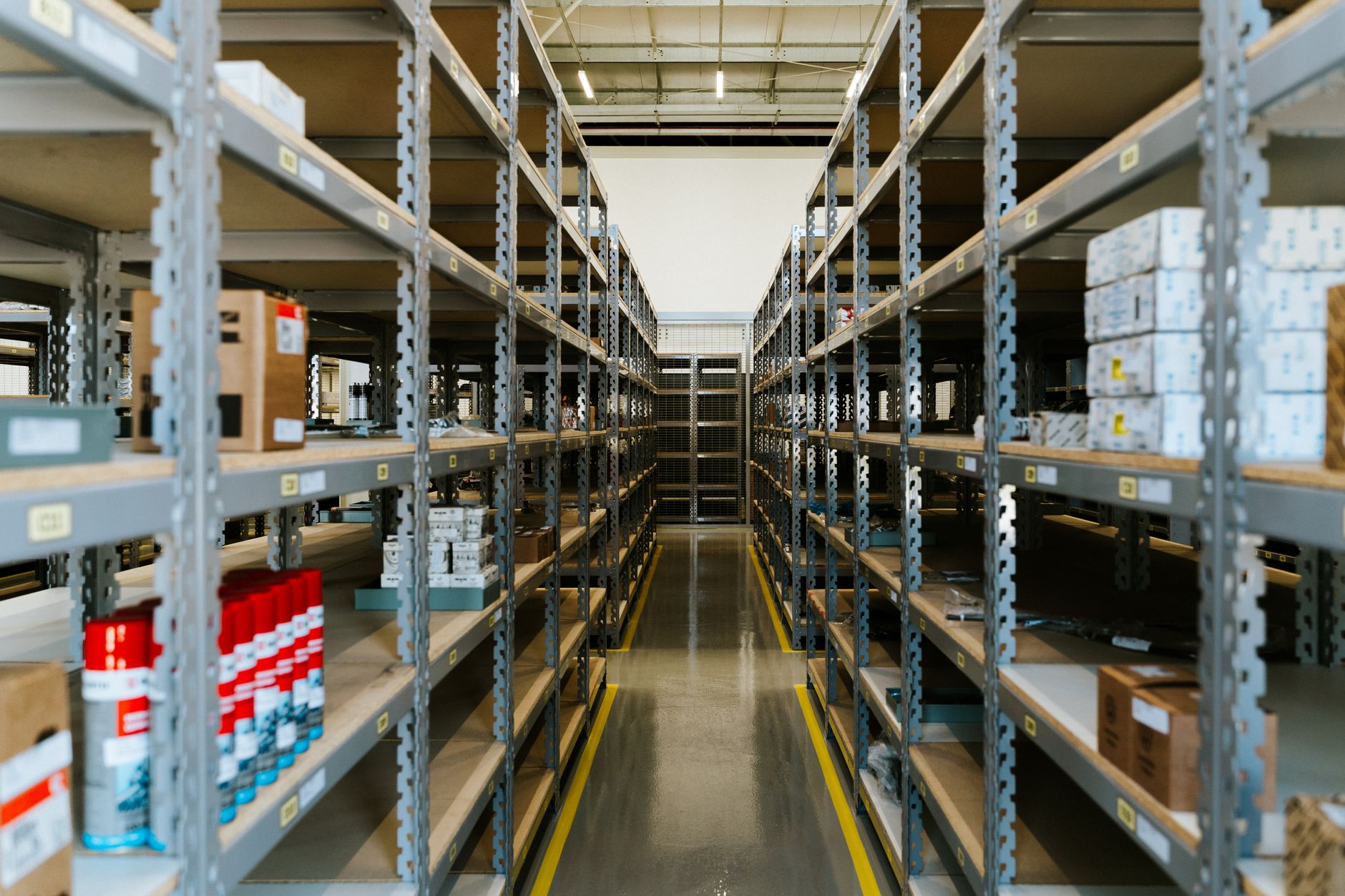
Lighting distributors carry a wide catalog on pallet racks, and some of it is awkward to move. Fixture pallets are bulky and oddly shaped, often wrapped in ways that hide their edges, and they need more room to turn in an aisle than a case of small parts. Forklift operators thread those loads through lanes that also carry pickers, delivery drivers and returns carts.
Congestion is the real cost. When a staged pallet blocks a lane, the forklift waits, the picker waits and the outbound truck waits. Lighting distributors see steady inbound and outbound flows, so one small delay repeats across every shift instead of happening once in a while. That repetition is what makes the problem worth solving with a machine.
Scale is also part of the picture. According to a secondary industry profile citing Census County Business Patterns data for 2023, about 13,379 establishments fall in the electrical apparatus, wiring supplies and related equipment merchant wholesaler category. Census does not publish a separate count for lighting distributors, so that is a wider group than lighting alone and should be read as context rather than a count of lighting distributors.
What are the main benefits?
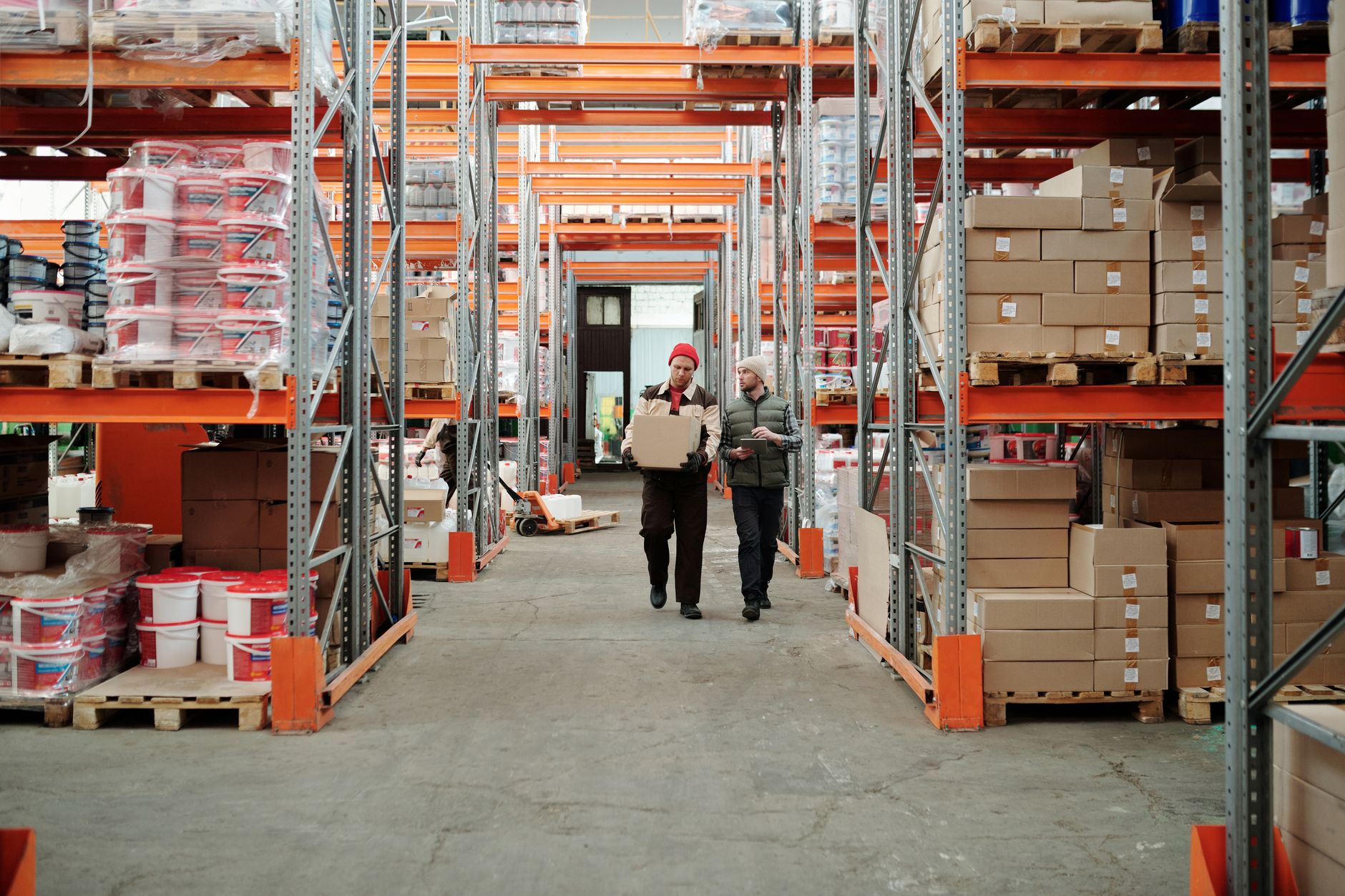
The first benefit is fewer blocked aisles. A robot on a fixed route takes the same lane every time, so pickers and drivers learn where it will be. That predictability matters as much as the moves themselves.
The second is steadier throughput on repeatable moves. Pallets leave receiving for staging or rack locations without waiting for a free operator, and reserve stock reaches the pick faces before the afternoon wave starts. Operators keep the work that needs judgment, such as mixed loads, damaged cartons and tight high-bay positions.
The third is fewer walking and waiting hours for your team. A vendor-style estimate, covered in the savings section below, puts travel time saved per unit at 3 to 4 hours per 8-hour shift. Check any figure like that against your own floor before you plan around it.
How does the robot work there day to day?
Each day starts with a route plan that was set during site mapping. Scheduled moves and dispatch requests tell the robot which pallet to collect and where it goes. It travels the mapped path, slows around people and carts, and reports its status so the lead can see where it is and what is queued.
Most of the planning happens before go live. Routes are mapped, pick and drop points are fixed, and the team agrees how exceptions get handled, such as a pallet that is out of position or an aisle that must be cleared for a fire lane check. Staff keep the usual inspection and walkway rules, and the lead reviews fault logs at the end of each shift.
A sensible first step is one leased unit on the busiest route. Once the team sees how the moves line up with inbound and outbound timing, additional routes can follow. Starting narrow keeps changes small and gives you real data for the next decision.
Which areas of the building does the robot work in?
The robot works where pallets move on repeatable paths. At a lighting distributor, that usually means the receiving dock, the rack aisles, the staging lanes, the pick modules and the outbound doors. The zones below show the most common areas and what the robot does in each one.
Areas with heavy customer traffic or unpredictable foot traffic are usually left out of the route plan, and so are spaces that do not carry pallets. Your site assessment sets the exact boundaries, including where the robot should pause and where it should never enter.
How does it work alongside existing staff?
The robot does not replace the team. It takes the repeat moves so people can do the work that needs judgment. Receivers still count and inspect, pickers still build orders, and a lead still decides which aisle gets cleared first. The job changes, but the team stays on the floor.
A useful reference comes from a vendor case study of one facility running 50 AMRs rather than forklifts. It reports a 91% reduction in manual material handling and 32 of 36 forklift operators redeployed. Those figures come from a different kind of robot at a single site, so read them as direction, not as a forecast for your floor.
Plan for a smaller team on the machine side, not for zero staff. Someone owns the route plan, checks charge and fault logs, and clears exceptions each shift. That is a trained role on your team, and the robot works best when it has one.
What drives the savings, and what do the estimates say?
The savings come from hours, and the figures below are ranges and reports from published sources, not promises. Each one reflects its own site and its own measurement method.
The main drivers are how many repeat moves happen per shift, how far each move travels, and how often a pallet waits in an aisle before it moves. A distributor with long aisles and many fixture pallets has more travel time to recover than one with short runs. The site assessment measures those three inputs, and the quote is built from them.
Track your own baseline before the robot starts. Count moves per shift, log waiting time at the pick faces and note how often a lane is blocked. Those numbers tell you more about your building than any published average.
- According to an infographic from a logistics provider, one indoor robotic transport unit can save 3 to 4 hours of traveling time per 8-hour shift. The infographic describes this as an estimate, not a measured study.
- According to a vendor case study, one site saved 60 labor hours each week, with over 1,800 hours of autonomous operation.
What safety record should operators keep in mind?
Forklift injuries remain a serious issue across the industry. According to a directive estimate from the federal workplace safety agency, OSHA, forklift injuries run about 97,000 a year, with about 35,000 serious and 62,000 non-serious. Some summaries give 96,000, so treat the number as an estimate.
The National Safety Council counted 67 forklift-related deaths in 2023. OSHA recorded 2,248 forklift-related violations in 2024, which ranked powered industrial trucks sixth on its top 10 list. According to BLS data as summarized by an industry insights page, pedestrians struck by forklifts are the top cause of lift-truck work fatalities.
Fixed routes help around people because the robot is predictable. That does not remove the need for training, marked walkways and clear rules about where staff stand while a load moves. Build those rules into the plan from the first day.
What can the robot not do?
The robot cannot handle every load. Damaged or unusually shaped pallets, loads that need a human eye, and very tight positions still need an experienced operator. It also works only inside the routes it was mapped for, so a new aisle layout or a moved rack means a remap.
It needs a workable floor and reliable coverage. Uneven floors, blocked routes and dead spots will slow it down. Plan a manual fallback for each route, so a trained operator can take the load by hand or with a standard lift when the robot is down. Ask about spare coverage during the site assessment.
It also does not fix upstream problems. If inbound paperwork is late or slotting is poor, the robot will move the wrong pallet faster. Clean data and sensible slotting come first.
How do you get started?
Service Robot Co. is a US commercial robot integrator. We pick the right robot for the site, lease it through financing, deploy and integrate it, train the staff and service it nationwide. Robots are leased, and the payment comes in the quote after a free site assessment, so the numbers reflect your building.
The first step is the site assessment. We map the building, measure moves and aisles, and identify the route that gives the most repeat value. From there, the quote covers the lease, deployment, integration and training. Many operators start with one leased unit on the busiest route, then add routes once the team trusts the pattern.
If you want to start, send your dock layout, a rough count of pallets per shift, and the aisles that clog most often. That is enough for us to plan the visit and prepare the lease quote after the assessment.
Frequently asked questions
Want an autonomous forklift at your lighting distributor?
Tell us about your site. We will recommend the robot, quote the lease, and keep it serviced.
Sources
- Logistics provider infographic on automated forklift travel time
- Vendor case study on weekly labor hours saved
- Single-facility case study on AMR fleet and operator redeployment
- Secondary industry profile citing Census County Business Patterns, 2023
- Industry insights summary citing OSHA, NSC and BLS data