
Key takeaways
- Manufacturing is a large and growing buyer of autonomous forklifts, though logistics still holds the bigger share.
- Repeat moves between lines, kitting and storage are where waiting and missed handoffs usually build up.
- Vendor and academic studies report recovered hours per shift, less line downtime and steadier delivery times.
- Floor condition, temperature, ramps and blocked aisles all shape the route plan before any robot starts work.
- A robot works alongside a smaller team, and the quote follows a free site assessment.
What do autonomous forklifts for manufacturing plants actually do?
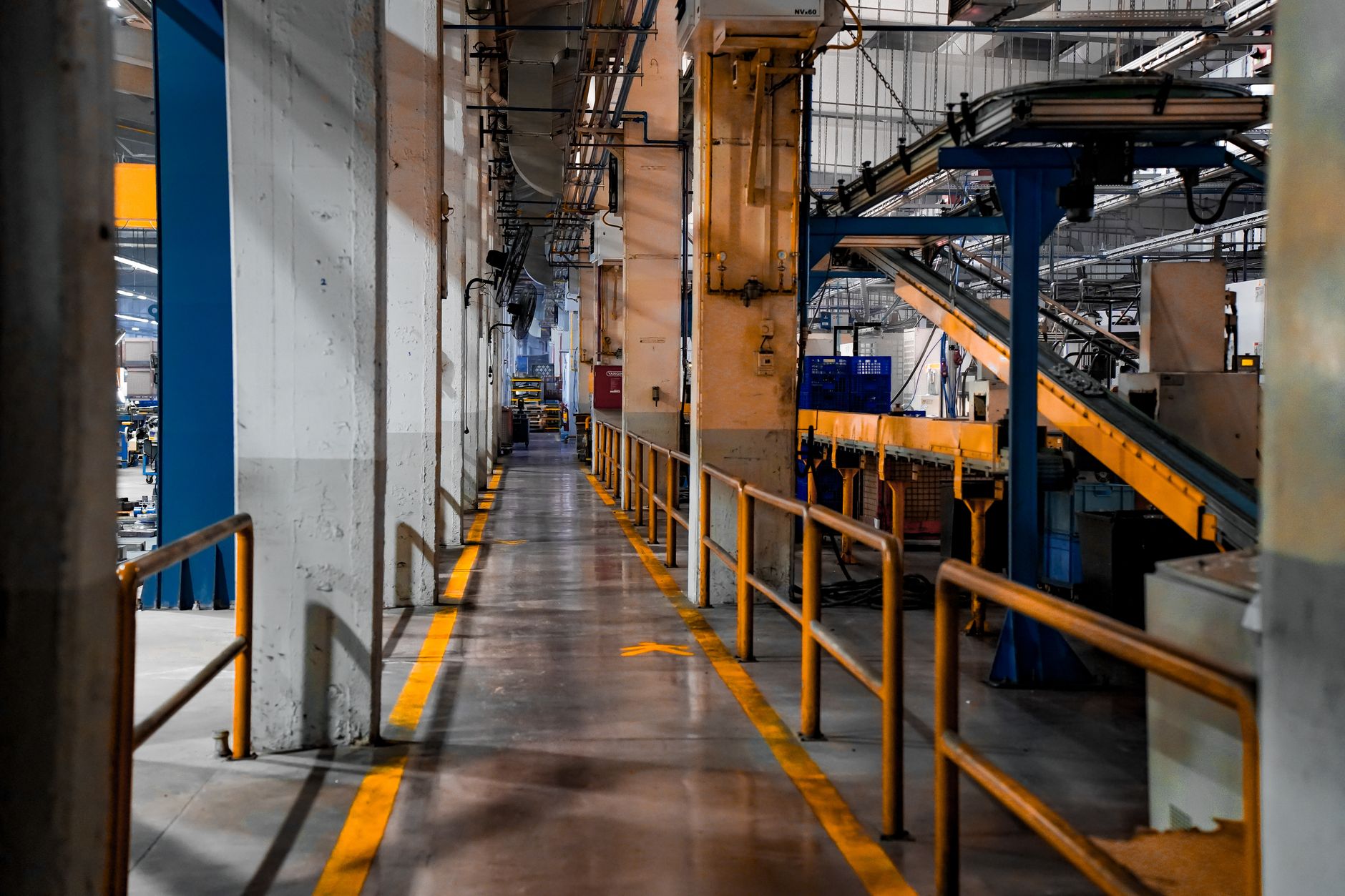
Autonomous forklifts for manufacturing plants are driverless lift trucks that carry pallets, carts and totes along fixed routes between production lines, kitting areas and storage. They take over the repeat moves that tie up people and manual forklifts on the plant floor. The main gain is a steadier flow of material to the line, with fewer waits and fewer hands on the same trip.
Manufacturing is a big buyer, though not the biggest. One market research report puts manufacturing at 37% of 2025 driverless forklift demand, with logistics and warehousing at about 46%. Another report projects manufacturing to grow at a 14.2% compound annual rate from 2026 to 2035, which is why plant operators are paying closer attention now.
Service Robot Co. is a US commercial robot integrator. We choose the robot that fits the site, lease it through financing, deploy and integrate it, train the staff who work beside it, and service it nationwide. The rest of this page covers how that plays out on a plant floor.
What problem does material transport create on the plant floor today?
On most lines, parts move on a schedule that depends on people. A kitting clerk builds a cart, a driver picks it up, and the line waits if that driver is on another run. Plants often run several forklifts and drivers to cover the same loop, and that is where idle time, missed handoffs and rushed trips add up.
A robotics vendor's case study of a plant with manual movement reports that 52% of daily trips were completed by hand before the change, and that operators walked more than 8 hours a day to support material movement. That is one vendor's account, not a benchmark, but the pattern will be familiar to anyone who has walked a line during a changeover.
Labor pressure makes the problem harder to solve by adding people. The National Association of Manufacturers, citing Bureau of Labor Statistics data, counted 522,000 manufacturing job openings in August 2026. That is above the 2017 to 2019 average of 432,000 but below the 2021 to 2023 average of 756,000. Plants that cannot fill every driver seat need transport that runs on schedule without depending on one person.
Which benefits matter most once the robot is running?
The most visible benefit is timing. A trip that once depended on finding a free driver now runs on a route and a schedule. Operators tend to notice this first in the form of fewer calls from the line asking where a cart is.
The second benefit is fewer line stops. The same robotics vendor case reports 20% less line downtime and 50% less work-in-process staging space after three robots and 40 staging carts moved materials from kitting to four assembly lines. Less staging space matters on a plant where floor area is already tight.
The third benefit is output per shift. A market research report cites manufacturing facilities improving internal logistics productivity by 27% after AI-enabled forklift systems were introduced. Treat that as an industry-level signal, not a promise for your floor, and measure your own trips before and after.
How does the robot work there day to day?
A typical shift starts with the fleet already holding its route plan. Requests come from the production schedule or the kitting system and enter a queue. The robot takes the next job, drives its mapped route, and stops at a station where staff load or release the cart or pallet.
People stay in the loop at the edges of each trip. A person still loads and unloads, confirms that the right part reached the right line, and clears any exception. When an obstacle appears in the path, the forklift is brought to a standstill rather than finding its own detour, so someone checks the aisle and restarts the job.
Charging belongs in the day plan too. One market research report says about 58% of manufacturing-related autonomous forklifts ran more than 20 hours a day on lithium-ion batteries. Operators who expect long runs should schedule charge windows around shift changes and line peaks, not leave them to chance.
Which areas of the plant does it cover?
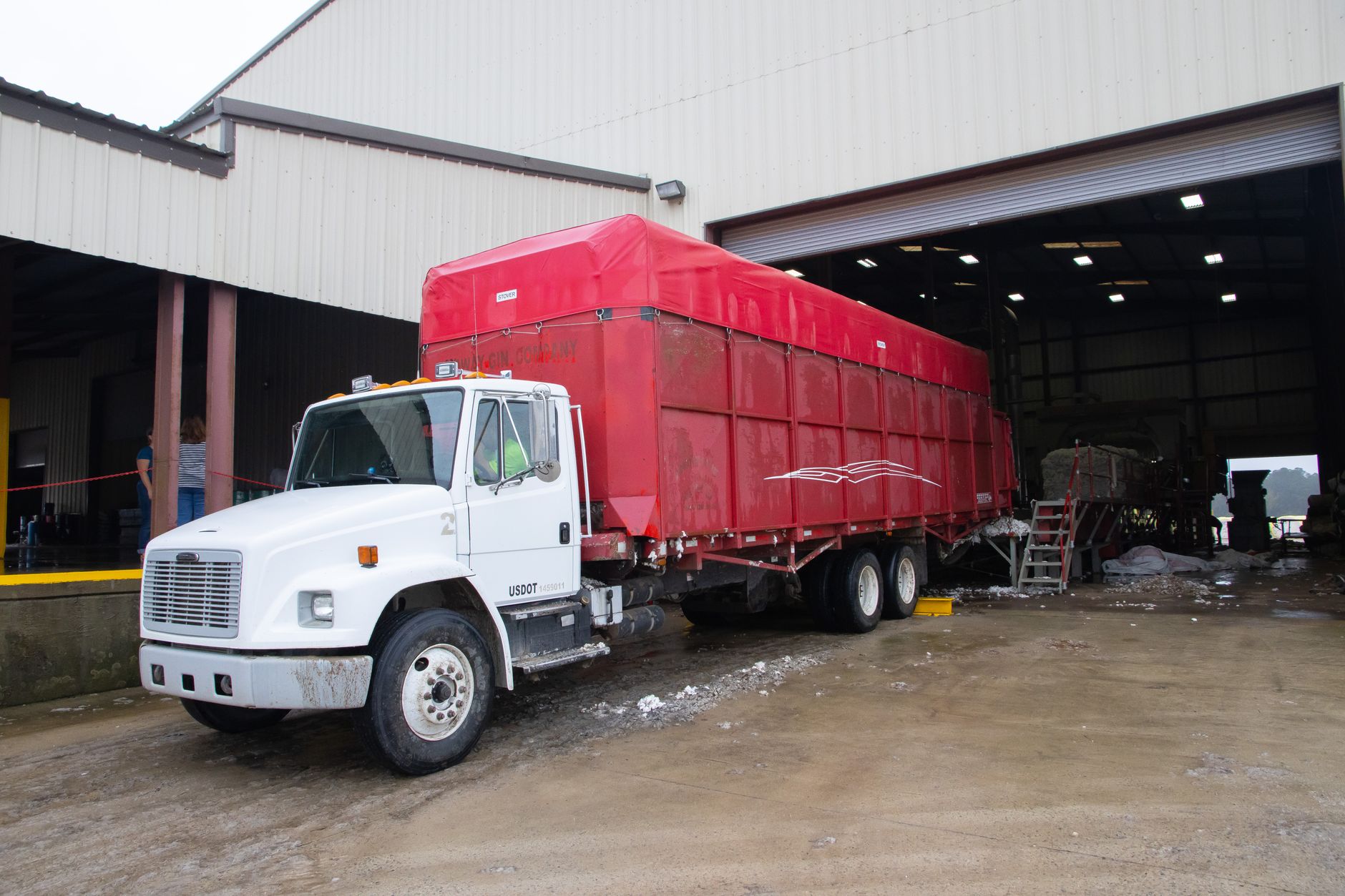
Autonomous forklifts for manufacturing plants usually work the internal lanes that connect receiving, storage, production and shipping. The useful question is which trips repeat many times each shift, not which corridors look empty on a floor plan.
Routes are mapped to the actual floor. A site assessment looks at aisle widths, door heights, floor condition, ramps and where people walk during a normal shift. Mapping takes more care than many operators expect, which is why a free site assessment comes before any quote.
Large plants gain the most when one fleet covers several loops at once. The fleet can serve more than one line from the same storage area, and staff can focus on the stations where judgment is needed.
How does it work alongside your existing staff?
A robot plus a smaller team is the normal pattern, not a robot in place of a crew. Someone still builds kitting carts, loads trailers, handles exceptions and keeps the sensors and batteries in order. Most of the operator's time shifts from driving repeat loops to running the flow of material.
Training matters as much as the hardware. Our crews train your staff on loading and release points, clearing a blocked route, and calling for service, so people on the floor know what the robot will do next. Clear roles reduce the number of times someone walks over to check on it.
Plants that have deployed these systems report moving operator time to other work rather than simply cutting headcount. The robotics vendor case describes reallocating staff, and that is the more useful way to plan your own change.
What drives the savings in hours and labor?
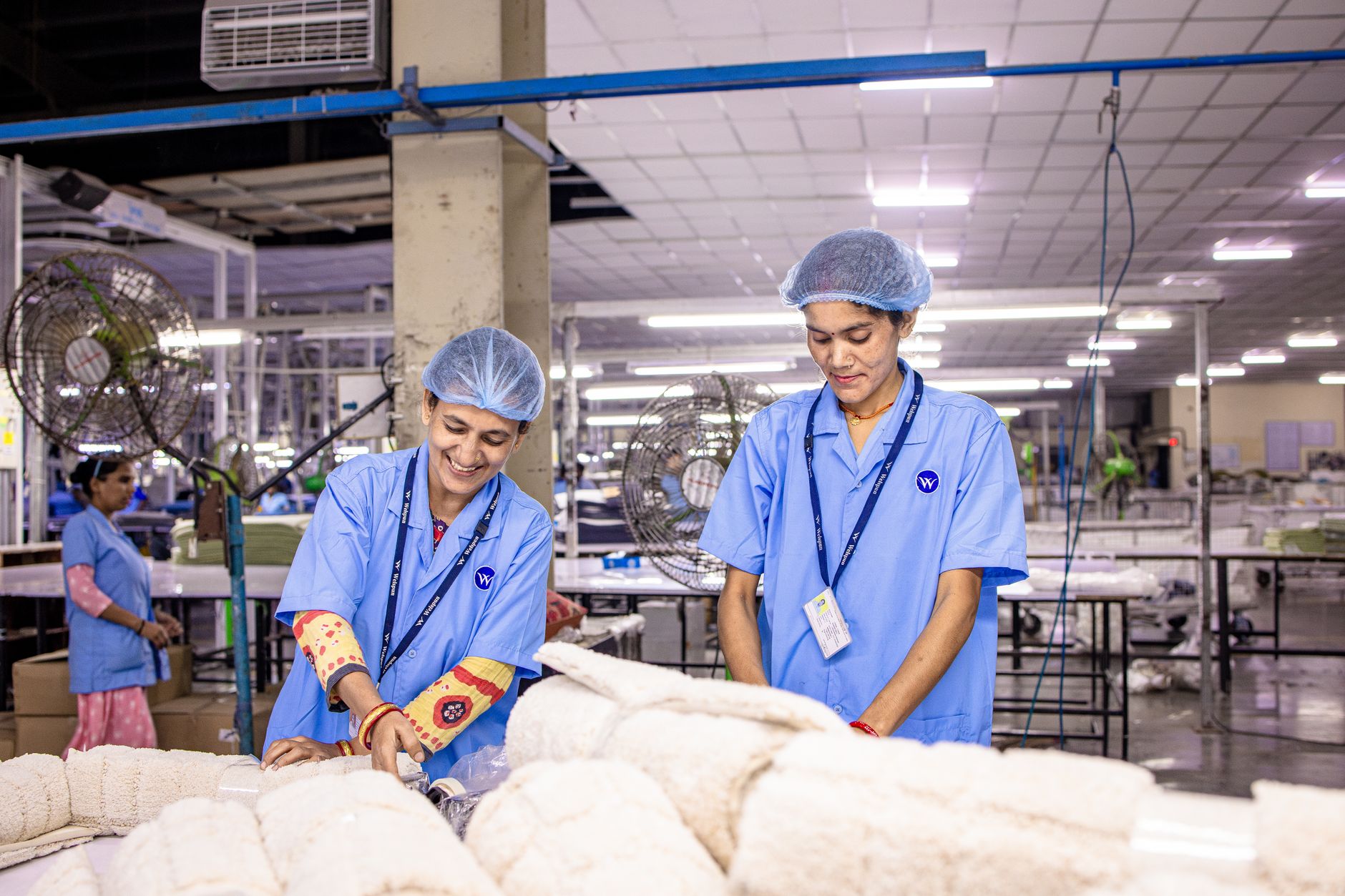
Savings come from hours recovered, not from one headline figure. In a final assembly study of an autonomous mobile robot system across 15 workstations, the authors recorded a saving of 1.14 hours per shift. That figure is specific to one line, but it shows the scale a repeat route can reach.
A final assembly study on material delivery found that delivering 8 pallets an hour by hand needed about 50 minutes of worker time per cycle, which is 84% of an hour. Two workers were also needed to meet the clean-room requirement. When hand delivery takes most of an hour, the operator has little left for anything else, and that is the time a robot can return.
Each case reflects its own plant. The hours you recover depend on how many trips repeat, how far they travel, and how many people now drive them. A quote after a site assessment models your trip count and distances instead of borrowing these results.
What can an autonomous forklift not do?
The limits are real and should be planned for. A forklift maker's public FAQ lists conditions that limit use, including outdoor environments, rough floors, temperatures below 32 degrees Fahrenheit, and ramps greater than 4 degrees. Areas with any of those conditions need a different plan, such as manual forklifts or a fixed conveyor.
Position accuracy is demanding. A review of autonomous forklifts notes that warehouse automation needs centimeter-level position accuracy and degree-level angular precision for pallet alignment, and that safety systems must balance rollover prevention with collision avoidance. That is why loading stations and rack faces are checked during the assessment.
Overhead conditions also matter. A patent filing states that conventional autonomous forklifts are limited to environments without hanging objects below pallet height. Low ductwork, hanging hoses and overhead fixtures on the route need to be measured before the route is approved. Work that calls for judgment, such as sorting damaged goods or unloading irregular trucks, stays with people.
How do you get started with autonomous forklifts for manufacturing plants?
Start with a free site assessment. We walk the trip list, the floor, the doors and the ramps with your team, then recommend the robot that fits the site and the work. Vendor-neutral choice matters here because a robot that suits a dry, flat plant may not suit a site with long ramps or cold storage.
Robots are leased through financing, not sold. The payment comes in the quote that follows the assessment, and that quote reflects your site and trip count. Integration, go-live support, staff training and nationwide service follow the agreement, so one partner handles the whole deployment.
Many plants start small. Begin with one loop between kitting and a single line, measure the hours recovered and the line stops avoided, then add routes as the team becomes comfortable with the system.
Frequently asked questions
Sources
- Driverless forklifts market report (Market Research Guru)
- Autonomous forklift market report (Market Research Future)
- Rockwell Automation autonomous material movement case study
- National Association of Manufacturers, facts about manufacturing
- Implementation of Industry 4.0 in Manufacturing: An Autonomous Mobile Robots Case Study
- MDPI Applied Sciences, final assembly material delivery study
- Hyster automation FAQ
- iFactory AMR case study for a manufacturing plant