
Key takeaways
- Autonomous forklifts take fixed pallet moves between receiving, racks and dock doors, so pickers stay on orders.
- The biggest gain is picker time during peak dispatch, not a cut to the team.
- Most published figures describe hours of travel time and productivity, and most come from vendors.
- Routes, load types and floor conditions decide the fit, so a site assessment comes first.
- The lease is quoted after a free site assessment, and the payment comes in that quote.
How can autonomous forklifts benefit restaurant supply warehouses?
Autonomous forklifts for restaurant supply warehouses take over the repetitive pallet moves that pull pickers off orders. A robot runs a fixed route between receiving, the reserve racks and the dock doors, moving pallets on a schedule that does not depend on who happens to be free that hour. Your pickers stay on the lines that have to leave on time.
The benefit is most visible during dispatch. Inbound pallets still need to reach storage, and stock still has to come back out to the pick lines and the staging area before trucks are loaded. When those trips land in the busiest window, orders slow down. A robot handling that traffic lets the pick team keep working through the rush.
The gains are real, but they show up as hours and productivity rather than an overnight change in headcount. Most published figures come from vendors, so this page reads them as direction and points to where your own numbers should be checked during a site assessment. The people on the team stay, and their time shifts toward orders.
What problem does this kind of warehouse face today?
A restaurant supply warehouse serves a customer base that orders on its own schedule. Restaurants and food service operators order smallwares, disposables, equipment parts, chemicals and case goods, and many of those orders need to be picked and staged before a truck leaves. Dispatch tends to bunch up, so the heaviest pick windows land in the same hours each day.
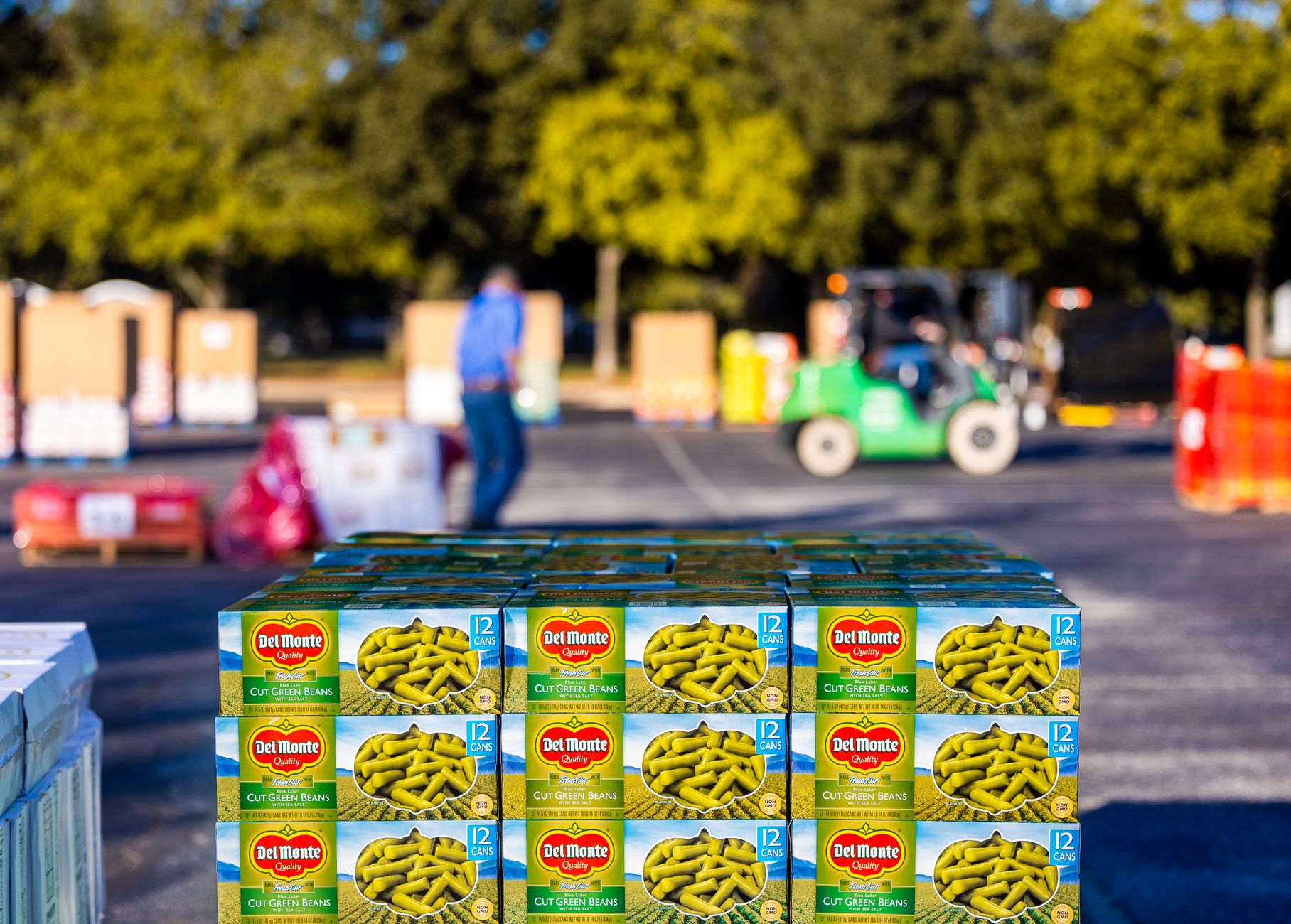
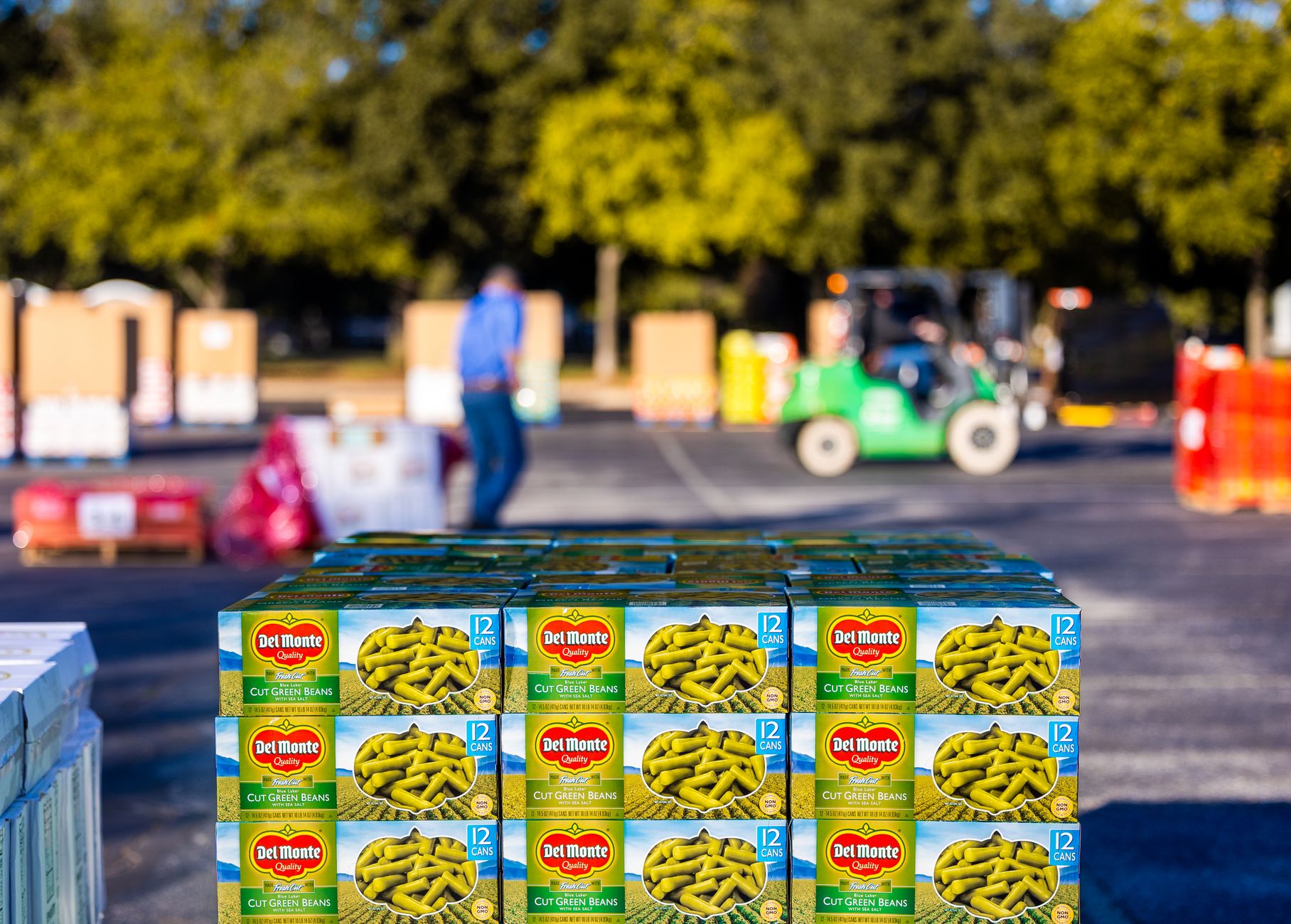
Pallet moves are the part of the day that rarely gets planned. Inbound pallets come off the dock and go to reserve racks. Replenishment pulls pallets back to the pick lines. Empty pallets and returns have to move too. Each trip takes a forklift operator or a picker away from the orders in front of them, and a lean team feels that most during dispatch.
The scale of the category is worth knowing. According to a third-party business data site summarizing County Business Patterns, 3,637 establishments were in NAICS 423440, Other Commercial Equipment Merchant Wholesalers, in 2023. That category includes restaurant equipment wholesalers but is broader than them, so it is only a rough gauge. A separate business reference listing gives 3,111 establishments for the same code with no year stated. The only Census count specific to restaurant and hotel equipment and supplies wholesalers that could be located is from the 2002 Economic Census, which reported 2,794 establishments with payroll.
What are the main benefits?
The first benefit is picker time. When pallet moves run on a fixed route, pickers no longer cover that ground themselves. They stay on order lines through the busiest dispatch periods, which is when a slow pick costs the most.
The second is steadier flow. A robot runs the same route at the same pace at the start of the shift and at the last truck of the day. Pick lanes can be stocked ahead of need instead of in bursts, so the dock is less likely to wait on a pallet that is still sitting in a rack across the building.
The third is fewer tight spots between people and forklifts. Forklift traffic is a known hazard in any warehouse, and moves that follow set paths make the traffic pattern predictable for the pick team. That benefit depends on how the site is laid out and marked, and the assessment checks both.
How does the robot work there day to day?
Before anything moves, the site is mapped and the routes are set. Dock doors, rack aisles, staging lanes and charging points become fixed stops. The map is only as good as the walk-through behind it, so the assessment goes route by route with the people who will work beside the unit.
During a shift, the unit picks up a pallet at receiving, carries it along its route and sets it down where the warehouse task list says it belongs. The moves come from a list the warehouse controls, so your team decides which pallets move and when. When the battery runs low, the unit goes to charge. When a person or cart blocks an aisle, the unit stops and waits instead of pushing through.
Many teams find it helpful to sequence the day. Early moves often clear inbound pallets from receiving so the crew can keep unloading. Mid-shift moves tend to focus on restocking pick lanes ahead of the dispatch window, and late moves clear staged pallets toward the outbound doors. Your lead sets that order, and the unit follows the list it is given.
Which areas of the warehouse does it work in?
A restaurant supply building has several areas where pallets change hands, and the robot is best suited to the repetitive runs between them. Receiving, reserve racking, pick line staging, outbound dock doors, empty pallet storage and the returns area each play a distinct role, and the robot fits some of them more naturally than others. The zones below describe where it fits in a typical building.
Routes are planned around the areas the equipment is rated to work in. Anything that needs special handling, such as product that must stay cold or loads that do not sit on a standard pallet, stays with people or runs through a separate process until the site assessment confirms the fit.
How does it work alongside your existing staff?
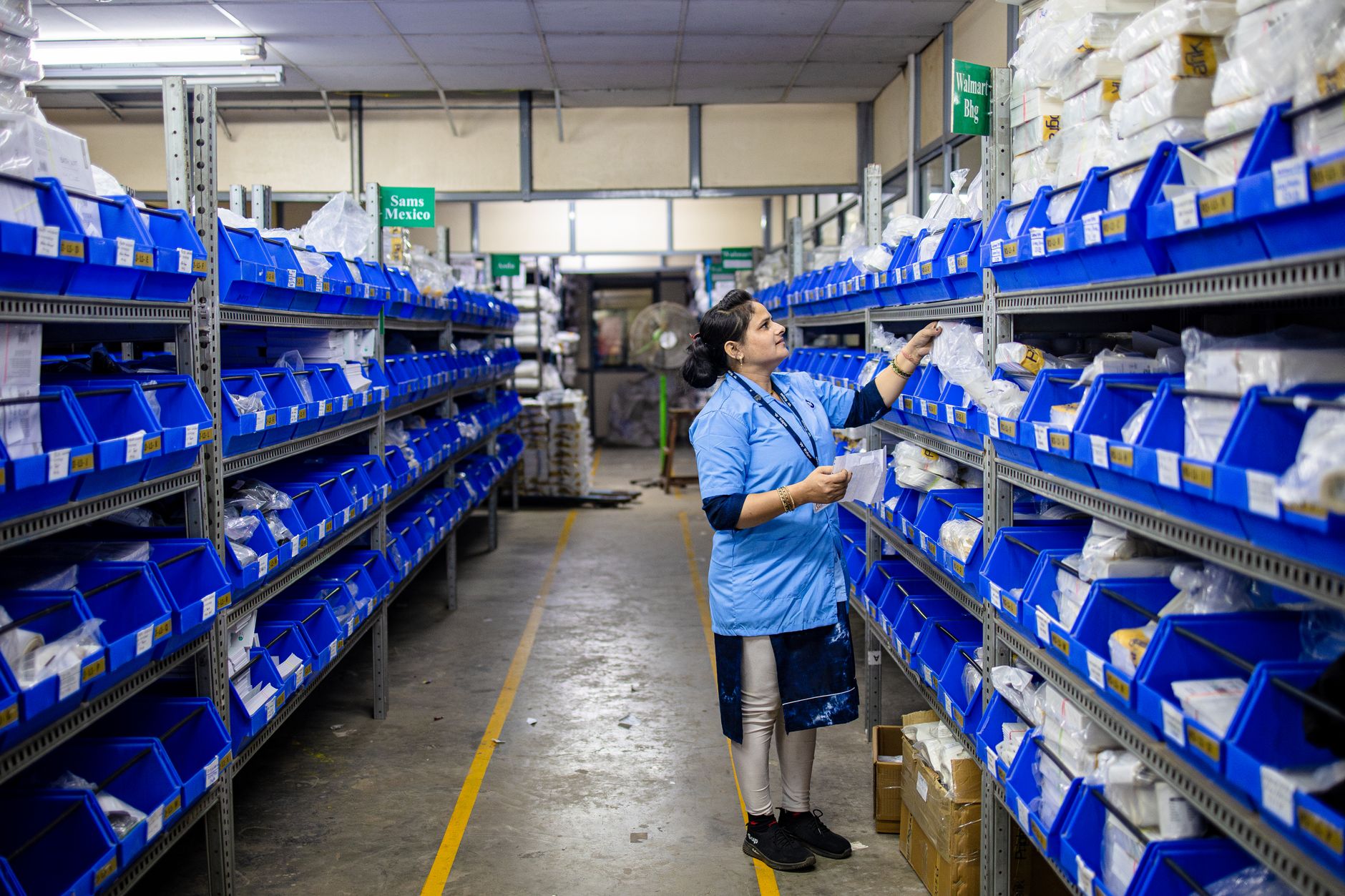
A robot does not replace a warehouse team, and the best outcomes keep people on the floor doing the work only people can do. In one vendor case study of an autonomous tugger deployment, the vendor reported 60 labor hours saved each week and the redeployment of 1.5 full-time roles to other work. The staff moved to new tasks rather than out the door.
In a trade press interview, a vendor executive described a robotic cross-dock where forklift operator roles were reduced while supervisors were kept, and cost per shift fell by more than 30%. That is one account from one site, and a restaurant supply warehouse may land somewhere else. Plan for a smaller forklift team and a full pick team, rather than an empty building.
We train the staff who will work beside the robot. That covers the routes, what each stop looks like, what to do when a unit pauses, and who to call. Your people still decide what moves, when it moves, and what to do when a pallet is damaged or mislabeled.
What drives the savings?
The savings come from hours, not from one line on a spreadsheet. Pallet moves take time out of every shift, and the published figures describe that time in ranges. According to a parcel carrier's infographic, which is vendor material, an automated forklift can save 3 to 4 hours of traveling time per 8-hour shift on pallet transport.
Results change with route length, pallet volume and how many stops the unit makes. A separate vendor case study on an autonomous stock chaser at a third-party logistics warehouse reported a 33% productivity increase and a 64% reduction in human labor cost compared with a manual forklift. The 64% figure measures labor cost rather than hours, and that building runs a distinct pattern from a restaurant supply warehouse, so read both as direction only.
Track three things before and after: picker hours spent on pallet moves, orders that make the dispatch cutoff, and the number of times a picker waits on a pallet. Those measures will tell you more about your building than any published figure.
What can an autonomous forklift not do?
It cannot pick an order. A unit moving a pallet on a route is a narrow job, and the picker still walks the line, selects the case and builds the order. It will not fix a late truck or a slow dock schedule, and it cannot make the judgment a lead uses when a pallet is damaged, mislabeled or short.
It needs a predictable environment. Routes must stay clear, floors need to be in working condition, and a layout that changes every week takes extra mapping. Loads outside the unit's rated weight and shape need another path, and very tight aisles may not suit a unit at all. These limits are checked during the assessment rather than discovered after install.
How do you get started?
Start with a conversation about your dispatch pattern, your dock layout and the pallet moves that pull the most people off orders. We are a US commercial robot integrator. We pick the robot that fits your site, arrange the lease through financing, deploy and integrate the unit, train the staff and service it nationwide.
The first step is a free site assessment. We map the routes, check floor and aisle conditions, and identify the zones and loads that suit a robot. Autonomous forklifts for restaurant supply warehouses are then quoted after that assessment, and the payment comes in the quote itself, so you see the figure for your building rather than a general estimate.
Ask what the lease includes for service, how training is handled and what happens if a unit goes down during dispatch. Those answers matter as much as the robot itself, because your dispatch cannot wait on a machine that has stopped. Get those answers in writing before you compare quotes.
Frequently asked questions
Want an autonomous forklift at your restaurant supply warehouse?
Tell us about your site. We will recommend the robot, quote the lease, and keep it serviced.
Sources
- Parcel carrier infographic on automated forklifts (vendor material)
- Vendor case study on an autonomous tugger deployment
- Vendor case study on an autonomous stock chaser at a third-party logistics warehouse
- Trade press interview on a robotic cross-dock
- Business data site summarizing County Business Patterns
- Business reference listing for restaurant and hotel equipment wholesaling
- U.S. Census Bureau 2002 Economic Census, restaurant and hotel equipment and supplies wholesalers (archived)