
Key takeaways
- Autonomous forklifts for steel mills take repetitive coil and slab moves off the schedules of scarce experienced operators.
- Fixed routes through yards and bays suit a vehicle better than open floors with shifting traffic.
- Forklift injury data keeps pedestrian separation and route design in the plan from day one.
- Savings come from operator hours and stalled moves measured on your own shifts, not from a promise.
- A robot plus a smaller team, with a lease quoted after a free site assessment, is the realistic start.
See what a autonomous forklift costsRun the numbers in the ROI calculator
How can autonomous forklifts for steel mills help?
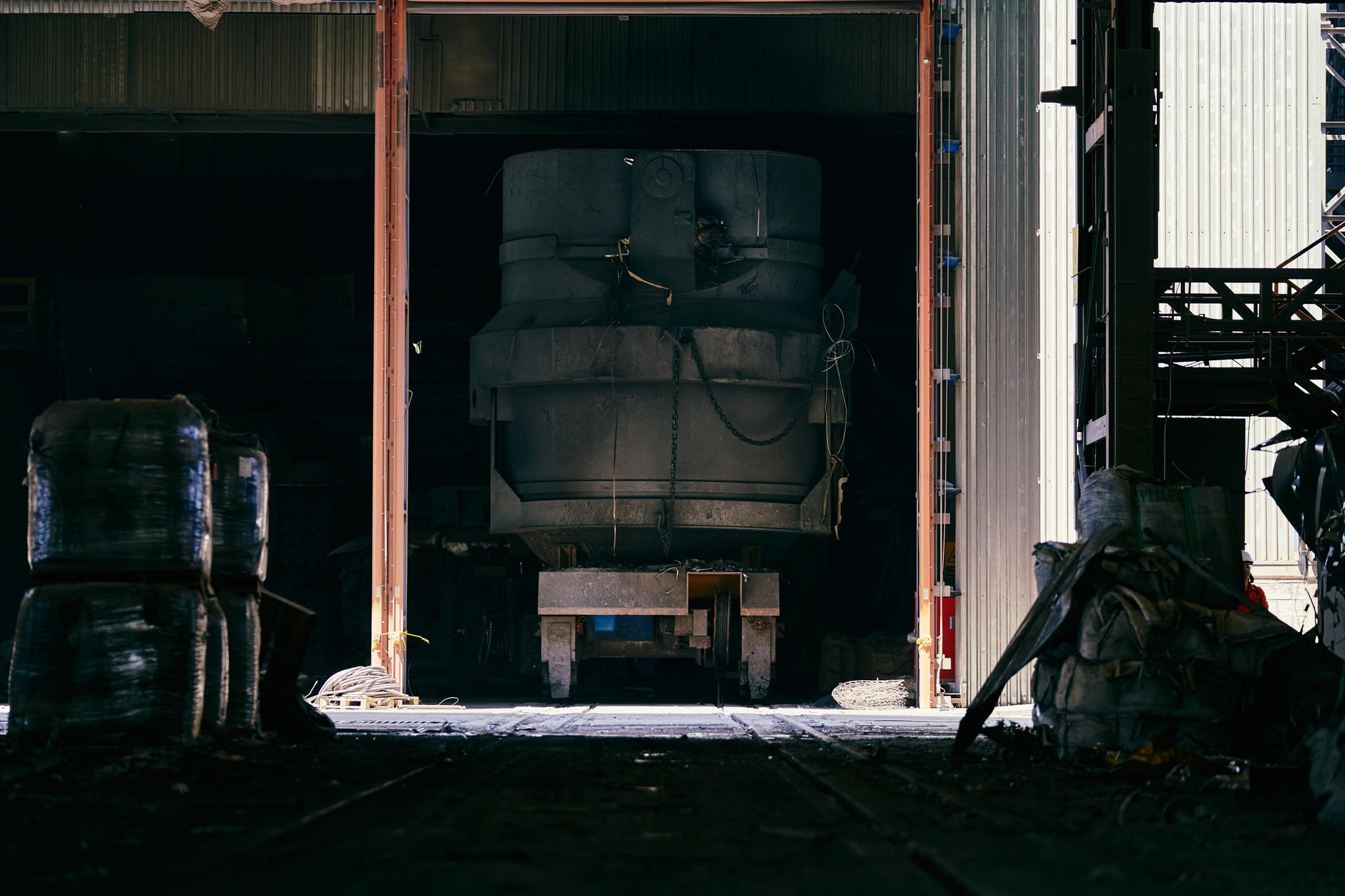
Autonomous forklifts for steel mills take the repeat coil and slab moves that depend on your most experienced drivers and hand them to a vehicle that runs the same route every time. In a mill, much of this work is heavy and predictable. A coil leaves a hot mill, moves to a staging lane or a transfer car, and is picked up again for the next process. Those moves follow fixed paths through yards and bays, which is the kind of traffic pattern an autonomous vehicle handles well.
The benefit is not that the machine out-drives a skilled operator on a good day. It is that the route runs the same way on the night shift, the weekend and the holiday, when the most experienced people may not be on the floor. Operator hours that once went to repetitive transport can go to work that needs judgment, such as crane coordination, load inspection and handling exceptions.
A sound deployment starts with a route map, a load rating check and a clear rule for when a person takes over. The sections below cover the problem at mills today, the main benefits, how a shift runs, which areas suit the vehicle, and what a sensible start looks like.
Why do coil and slab moves depend so heavily on experienced operators?
At most integrated mills, coil and slab handling is a skilled job. The operator reads the load, checks the strapping and the tag, judges the surface under the wheels and makes a safe move around crane traffic. Heavy coils leave little room for error. A steel handling white paper from a lift truck maker notes that unsafe coil and slab handling can cause costly lost-time accidents and mill shutdowns, so a single mishandled move can cost more than the move itself.
The labor pool is the other pressure. The Bureau of Labor Statistics counted 778,920 people employed as industrial truck and tractor operators in May 2023. That is a national pool spread across warehouses, ports, factories and mills, and a steel mill competes for the same people. A case study from an automation vendor says manufacturers commonly report a forklift operator shortage, a claim we treat as vendor-reported rather than measured.
Market data points the same direction. A market research estimate puts employment in iron and steel manufacturing at 78,415 in 2025, a 2.8% decline. Another page from the same publisher gives a lower count for 2025, so treat the level as an estimate and lean on the direction. A shrinking pool means fewer trained people to cover shifts that cannot stop.
What are the main benefits for a steel mill?
The first benefit is steadier coil and slab flow. When transport runs on fixed routes, the handoff from hot mill to staging to the next line has fewer unplanned waits, and the crane and transfer schedule holds. Supervisors can see where a move is waiting instead of learning about it from a stalled line.
The second is safety in the places that already carry the most risk. Steel yards put heavy loads, crane traffic and people on foot in the same space. A vehicle that follows a mapped route at set speeds, and that can be configured to stop when its path is blocked, takes away some of the variation a human driver brings at the end of a long shift. It does not remove the need for separation, which we cover below.
The third is coverage across hours. A robot does not lose focus at 3 a.m. or on a holiday, so the same loads can keep moving on every shift, and your experienced people can be placed on the work that needs them most.
How does the autonomous forklift work day to day?
A coil transport vehicle built for steel is a large machine. A manufacturer describes a 30-ton coil transport vehicle for the steel and metal industry that can be remotely controlled and integrated into autonomous infrastructure. The rated load is the first check in any plan, measured against your heaviest coil or slab rather than the average.
Vendors also describe heavy-payload autonomous mobile robots rated for 5,000 to 60,000 lb payloads that can move coils. Those ratings are vendor-reported, so the site assessment checks them against your actual coil weights, cradle loads and floor conditions. What matters most day to day is the pattern: a fixed pickup point, a mapped path and a set drop point.
On a normal shift, a move list sets the work. The vehicle goes to the pickup, a staff member confirms the load and tag, the vehicle drives its mapped route and sets the load at the drop point. Each move is recorded, so the shift lead sees what is finished and what is waiting, and anything outside the plan goes to a person.
Which areas of the mill does the robot work in?
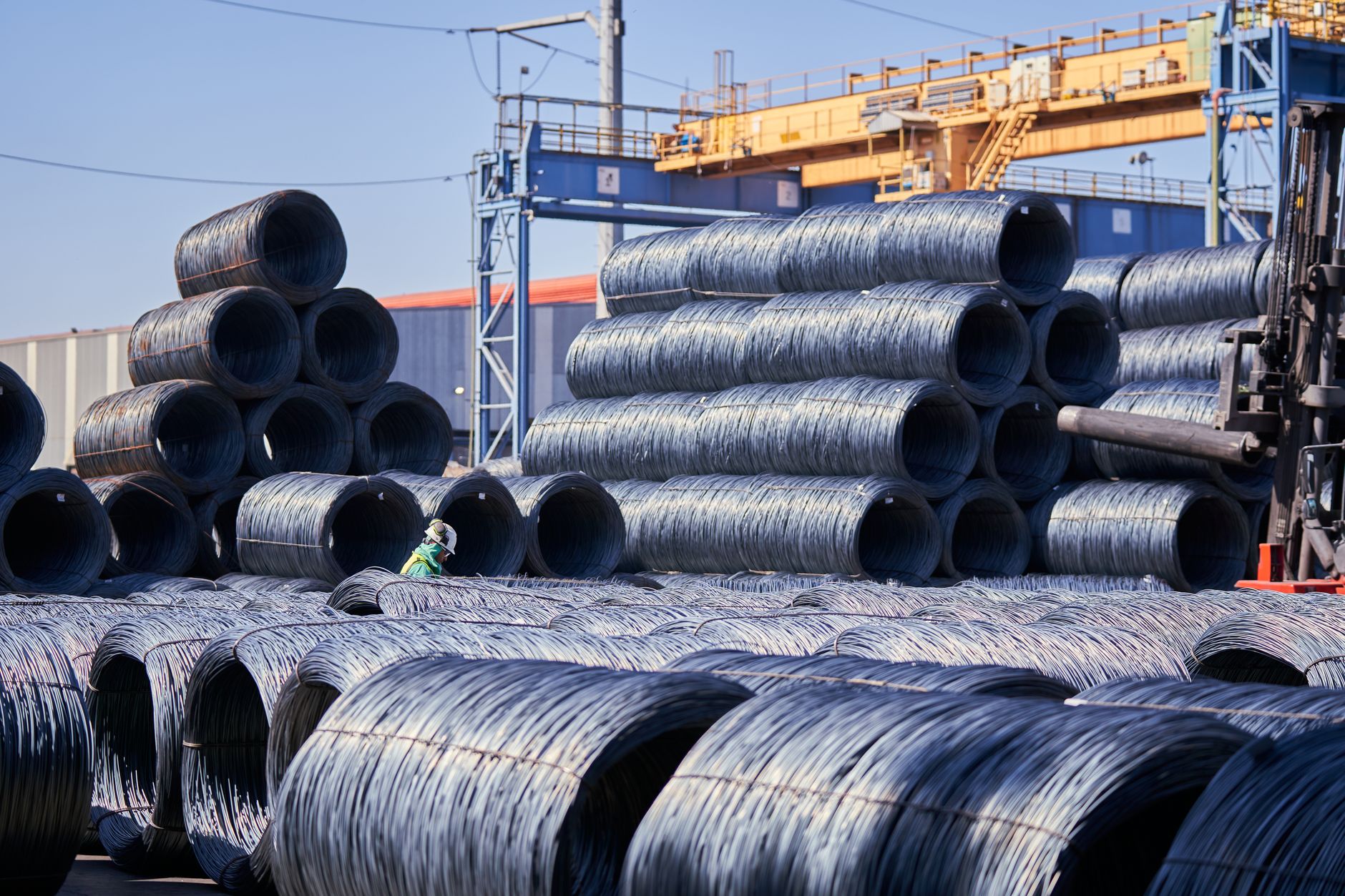
The best areas are the ones with fixed routes and predictable traffic. In a steel mill that usually means the coil yard, the slab yard, the bays that feed each line and the shipping area. The mill's own layout sets the order, and the site assessment maps each lane before any vehicle moves.
Shared lanes need more planning. Where a route crosses a crane's swing or a manual truck's path, the plan adds marked lanes, clear right of way rules and, if needed, set times when the lane is closed to the vehicle.
Does the robot work alongside our existing staff?
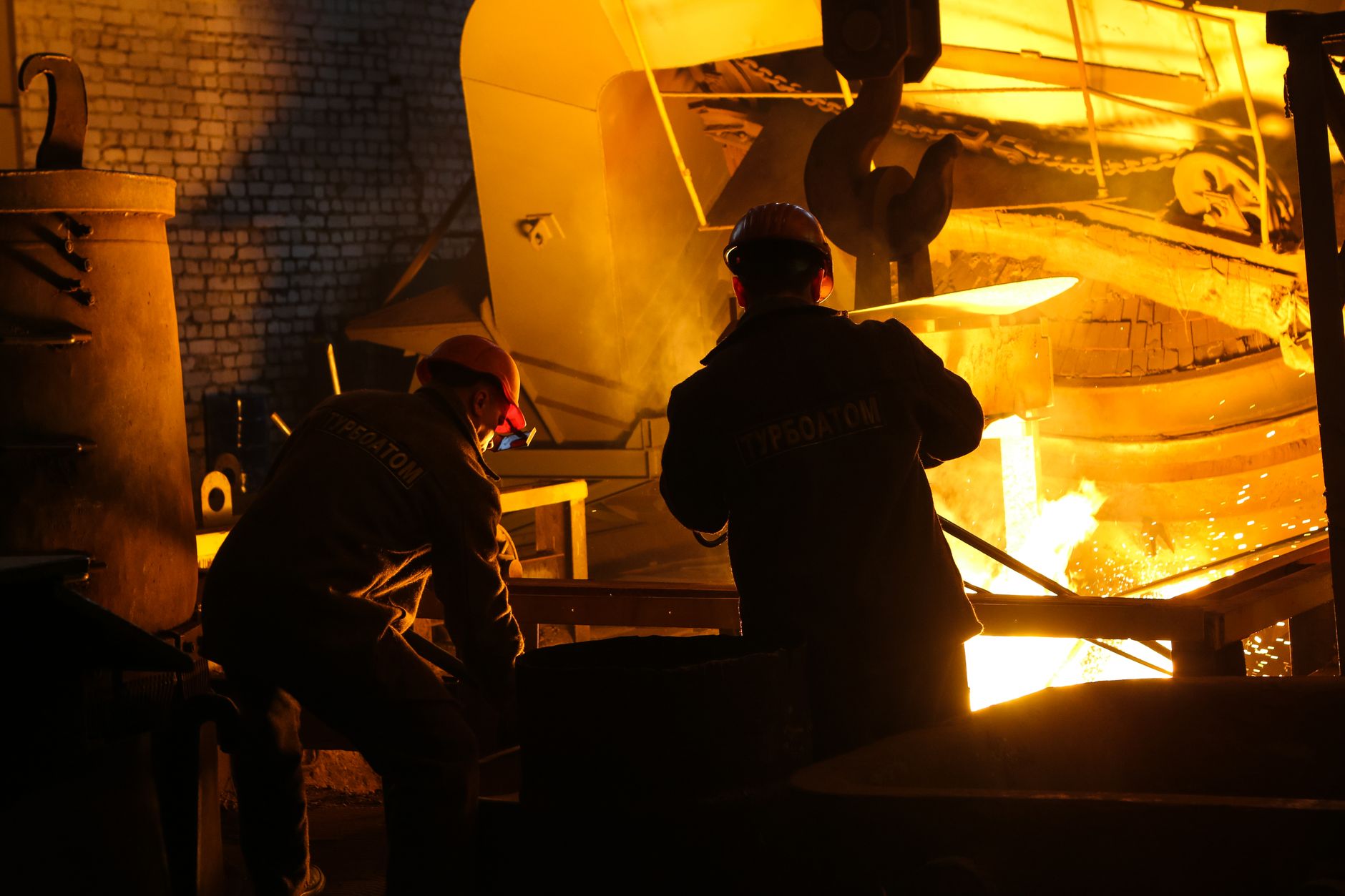
Yes, and that is the model we recommend: a robot plus a smaller team, never a robot alone. The vehicle takes the repetitive transport moves, while your operators handle inspections, unusual loads, crane coordination and the exceptions no route can foresee. The change is in what the people do on the floor, and the mill still needs experienced hands.
We pick the right robot for the site, lease it through financing, deploy and integrate it with your move process, train your staff and service it nationwide. Training covers the daily checks, the stop and recovery steps, how to clear a blocked path and how to call for help. Your team keeps the knowledge of the mill, and the robot does the repetitive work.
What drives the savings?
Savings come from a few drivers you can measure on your own shifts. The first is operator hours spent on repetitive transport, which you can log for a few weeks before any decision. The second is the number of stalled or delayed moves that hold a line or a crane. The third is how often a move needs a second person, a retrieval or a correction.
We do not publish a savings percentage or an hour range for steel mills, because the verified figures we found for this work do not describe your mill. What we do is measure your current moves during the site assessment and build the quote around your numbers, not an average. The payment comes in the quote, after the site assessment, and we walk through every line with you.
If the route, the loads and the shift pattern do not support the savings, the plan should say so before anything is leased. A good plan shows where the hours go today and where they would go with the robot plus staff, and it is willing to show a smaller scope when that is the honest answer.
What can an autonomous forklift not do?
It cannot judge a damaged strap, a misread tag or an unsafe stack the way an experienced operator can. It follows its mapped route and does not improvise around a blocked lane. It is not built for loads outside its rated capacity or for work off the mapped paths. Those are the moments when a person takes over, and the plan should name who that person is.
It also does not remove the hazard of a heavy moving vehicle in a busy yard. OSHA's powered industrial truck directive, dated FY2018, cites about 35,000 serious and 62,000 non-serious forklift injuries a year nationally, among about 1.5 million workers who operate more than 855,900 powered industrial trucks. Separation, marked lanes, speed limits and training still apply. Autonomous operation changes who drives, not the need for good floor rules.
How do we get started?
Start with a free site assessment. We map the routes, measure the heaviest loads, check the floor and the crane zones, and list the people and trucks that share each lane. From that, we recommend the robot class that fits the site and a phased plan for autonomous forklifts for steel mills that can begin with one leased unit, along with a clear answer on spare unit coverage.
The lease is quoted after the site assessment, so the fixed robot lease payment, the financing term and the service plan arrive in one document. Robots are leased through financing, and the payment comes in the quote. Ask what the robot maintenance service plan covers, how on-site dispatch works, and how emergency response is handled nationwide before you sign anything.
Deployment covers site mapping, robot deployment and integration with your move process, go live support, and training for the staff who will work beside the vehicle. Bring your move list and your heaviest loads to the assessment, and the quote will reflect your floor rather than a generic plan.
Frequently asked questions
Upcoming manufacturing events
- Trade showBrats & RobotsNov 10, 2026Alliant Energy Center Exhibition Hall, Madison, WI
- Trade showMATE Farm & Ranch ShowFeb 11 to 13, 2027MetraPark, Billings, MT
- ExpoPFMA Expo 2027Feb 17 to 18, 2027Washington County Fair Park, West Bend, WI
- ExpoLouisville Facilities Maintenance ExpoApr 15, 2027Mellwood Art Center, Louisville, KY
Want an autonomous forklift at your steel mill?
Tell us about your site. We will recommend the robot, quote the lease, and keep it serviced.
Sources
- Bureau of Labor Statistics OEWS May 2023, industrial truck and tractor operators
- OSHA powered industrial trucks directive, dated FY2018
- Steel coil transport vehicle manufacturer page
- Steel plant autonomous mobile robot page
- Iron and steel manufacturing employment estimate
- Steel coil and slab handling white paper
- Warehouse automation vendor case study