
Key takeaways
- Pallet moves between packing lines and storage repeat on every shift, which makes them a steady fit for autonomous forklifts.
- One logistics operator's estimate puts travel savings at 3 to 4 hours per 8-hour shift, so measure your own baseline first.
- The labor gain comes from hours moved to other work, not from cutting the crew.
- Operators keep the judgment work: mixed loads, damaged pallets, truck loading and quality holds.
- Start with a free site assessment and a lease quote through financing, then scale route by route.
How can autonomous forklifts for sugar refineries help?
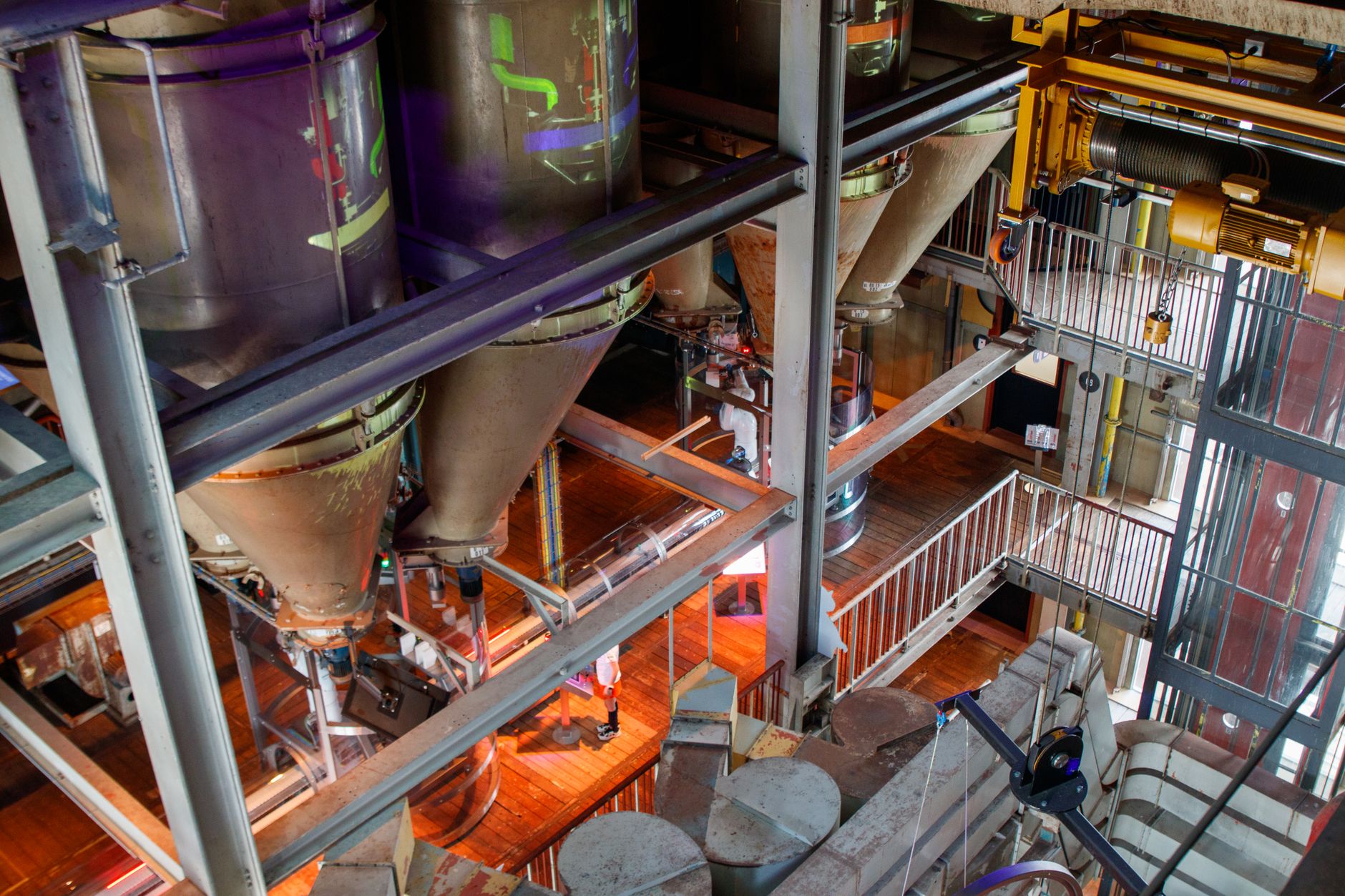
Autonomous forklifts for sugar refineries take over the repeat pallet moves that run through every shift: finished product coming off packing lines, pallets heading to storage, and empty pallets and packaging returning to where the lines need them. The main benefit is simple. Trained operators stop spending their shifts on the same short routes, and finished pallets stop waiting at the line for a forklift to come free.
The fit is practical. A refinery's packing lines and warehouse areas stay in the same places from one day to the next, so the routes repeat. A vehicle that follows set paths between fixed points has steady work to do, and the people who run the plant can plan the rest of the shift around it. The gains show up in three places: fewer hours on travel, steadier pallet timing at the line, and operators freed for loading, checks and exceptions.
We are a commercial robot integrator. We pick the machine that suits your floor, lease it through financing, deploy and integrate it, train your staff, and service it nationwide. The rest of this page covers the daily work, the areas it covers, how it fits with your crew, what drives the savings, and what it cannot do.
How many sugar refineries are there in the United States?
There is no official current count. A trade blog post, which is undated, says there are 22 sugar refineries in 11 states, but the figure does not come from an official source, so treat it as a rough picture of the industry. The clearer signal is concentration. According to the U.S. International Trade Commission, using 2023 data, three East Coast refineries in New York, Maryland and Georgia hold 37.4 percent of traditional refining capacity.
The same briefing says the remaining traditional refineries are owned by a small group of companies, so capacity sits in a few large sites. If your refinery is one of them, the pallet volume behind each packing line is high enough that repeat moves add up across a single week, which is exactly where a steady route pays off.
What is slowing pallet moves down today?
Pallet moves between packing lines and storage run through every shift. A forklift operator takes one pallet per trip, drives the same route, and returns to wait for the next call. When operators are busy on other jobs, finished pallets sit at the line, and packing crews slow or pause while they wait.
Labor is the other pressure. A telematics vendor's guide gives typical forklift operator turnover of 35 to 45 percent. Those are vendor figures, not an audited survey, so check your own records. Still, the direction is clear: every new operator needs time to learn the routes, the lanes and the sequence of calls before they are reliable on a busy shift.
What are the main benefits?
The first benefit is travel time. One logistics operator's infographic estimates that an autonomous forklift can save 3 to 4 hours of traveling time per 8-hour shift. That is the operator's own estimate and has not been independently audited, so measure your baseline before you rely on it. Even a smaller number matters when the hours repeat every day.
The second benefit is timing. Repeat moves run on the same schedule whether or not a shift is short-handed, so packing lines see fewer pauses at pickup. The third is consistency. The same path, speed and drop points on each run make it easier to plan sequencing, count moves, and find where delays actually come from.
The fourth benefit is that your people do more of the work that needs a person. Operators keep mixed loads, damaged or irregular pallets, truck loading and quality holds. That work takes judgment and is hard to hand to a machine, and it is where experienced staff earn their keep.
How does the robot work day to day?
Before any run, the site is mapped and the routes are set between fixed points, such as a packing line exit, a staging lane and a storage aisle. A pallet call comes from a call point at the line, so the packing crew does not need to find an operator. The vehicle picks up the pallet, carries it along the set path, drops it at the target and returns to a charging bay between runs.
Your staff sets the rules. They decide which pallet types are allowed, which lanes are closed at certain hours, and when a person takes over. We set those rules during deployment and train the crew on the handoff. The vehicle's run record can then give you a count of moves per shift, which you can compare with the baseline you measured before go live.
Which areas of the refinery does it work in?
Most of the work sits in the space between the packing end of the plant and the storage end, along a small set of fixed lanes. The zones below show the typical spots. Each one is a fixed point or a fixed lane, which keeps the routes simple and the handoffs predictable.
Where the boundary goes is decided during the site assessment, not assumed. Processing areas and any zone with mixed foot traffic get a specific review, and the route only includes them if the site plan allows it. Start narrow, prove the route, and widen it once the crew trusts the handoff.
How does it work alongside your existing staff?
A robot does not replace the crew at a refinery. It takes the repeat runs, which are the least varied work on the floor, and leaves the people on site for the work that needs a person. Plan on a robot plus a smaller team, never zero staff. The comparison below shows how the job moves.
Operators shift from driving every run to watching the route, clearing exceptions, loading trucks and checking holds. Packing crews wait less for a pallet call. The team you have stays on the floor, and the training you give them now covers the handoff steps and what to do when a unit stops.
What drives the savings, and what should you expect?
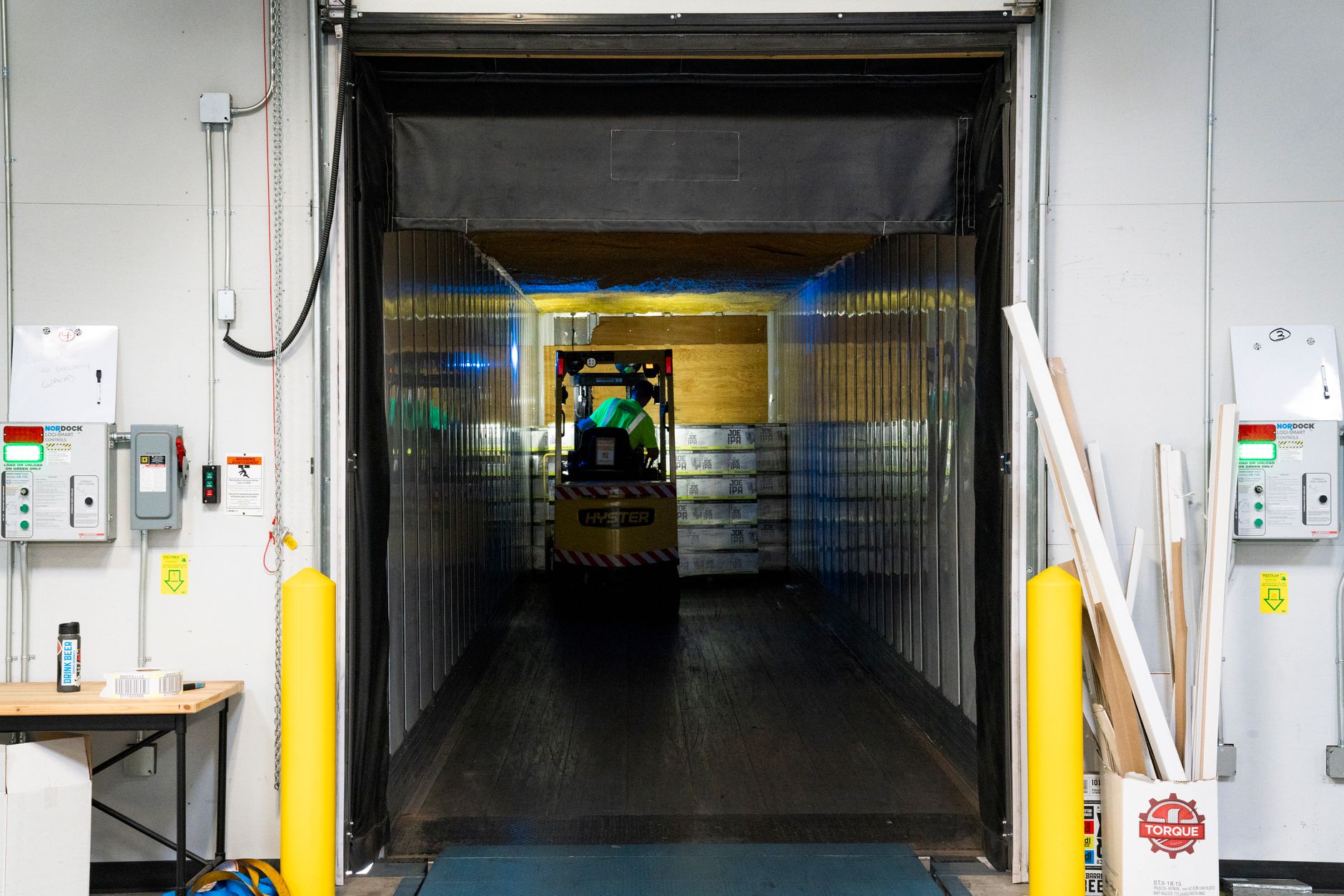
For autonomous forklifts for sugar refineries, the main driver is hours. Hours spent on travel, hours waiting for a pallet call, and hours spent training replacements for operators who leave are the three buckets to measure. Savings come from moving those hours to other work, not from a single headline figure.
A vendor case study of an autonomous pallet vehicle reports that a building-to-building route that had required 200 trips per week could carry four pallets per trip, where a forklift carries one. The vendor reports this, and it describes a pallet vehicle rather than a refinery forklift, so treat it as a model of the math, not a forecast. A separate case from a third party logistics warehouse reports a 64% reduction in human labor costs compared with a forklift, and a 33% efficiency gain compared with an electric pallet jack.
The occupation is large but its growth is modest. According to the U.S. Bureau of Labor Statistics, about 6.95 million people worked as hand laborers and material movers in 2024, and the bureau projects 4 percent employment growth for the group from 2024 to 2034. The pressure you feel is therefore more likely about keeping trained operators on shift than about finding people. Expect a savings range that depends on your pallet count, route length and shift pattern, and build it from your own numbers in the site assessment.
What can an autonomous forklift not do?
It does not handle work that needs judgment. Mixed loads, damaged or irregular pallets, unusual heights, and anything outside its rated load stay with an operator. It also needs a floor it can read: clear lanes, marked routes, and surfaces kept free of spills and debris, because a blocked aisle stops the run until someone clears it.
It will not fix a process that is already broken. If packing lines jam or pallets arrive mislabeled, the vehicle moves the problem faster. It also depends on a plan for faults, breaks and maintenance, so your shift needs a backup, including what happens on the days when a unit is down.
How do you get started?
Start with a free site assessment. We map the plant, measure your pallet flow between lines and storage, and identify the routes worth automating first. Many operators start with one leased unit on the highest volume route, then add units once the numbers hold up.
The vehicle is leased through financing programs, and the payment comes in the quote after the site assessment, so you see the actual terms for your plant before you commit. Deployment and integration, training for your crew, go live support and nationwide service are part of the same plan, so there is one partner to call when something needs attention.
Frequently asked questions
Want an autonomous forklift at your sugar refinery?
Tell us about your site. We will recommend the robot, quote the lease, and keep it serviced.
Sources
- Trade blog post on US sugar refinery count (undated)
- U.S. International Trade Commission sugar industry briefing
- U.S. Bureau of Labor Statistics, hand laborers and material movers
- Logistics operator infographic on autonomous forklifts
- Autonomous pallet vehicle vendor case study
- Autonomous vehicle vendor case study, third party logistics warehouse
- Telematics vendor guide on forklift operator turnover