
Key takeaways
- Billet, die and profile moves often tie up the overhead crane and forklifts that the press crew needs at the same moment.
- Fixed autonomous mobile robot routes can return crane time to the lifts that truly need a crane, such as press tool changes.
- The saw to furnace and press infeed routes are common places to begin a site assessment.
- Plant counts and adoption surveys show the trend, though no survey covers extrusion plants directly.
- Service Robot Co. quotes the lease after a free site assessment, and the robot works alongside your existing crew.
How autonomous mobile robots for aluminum extrusion plants help
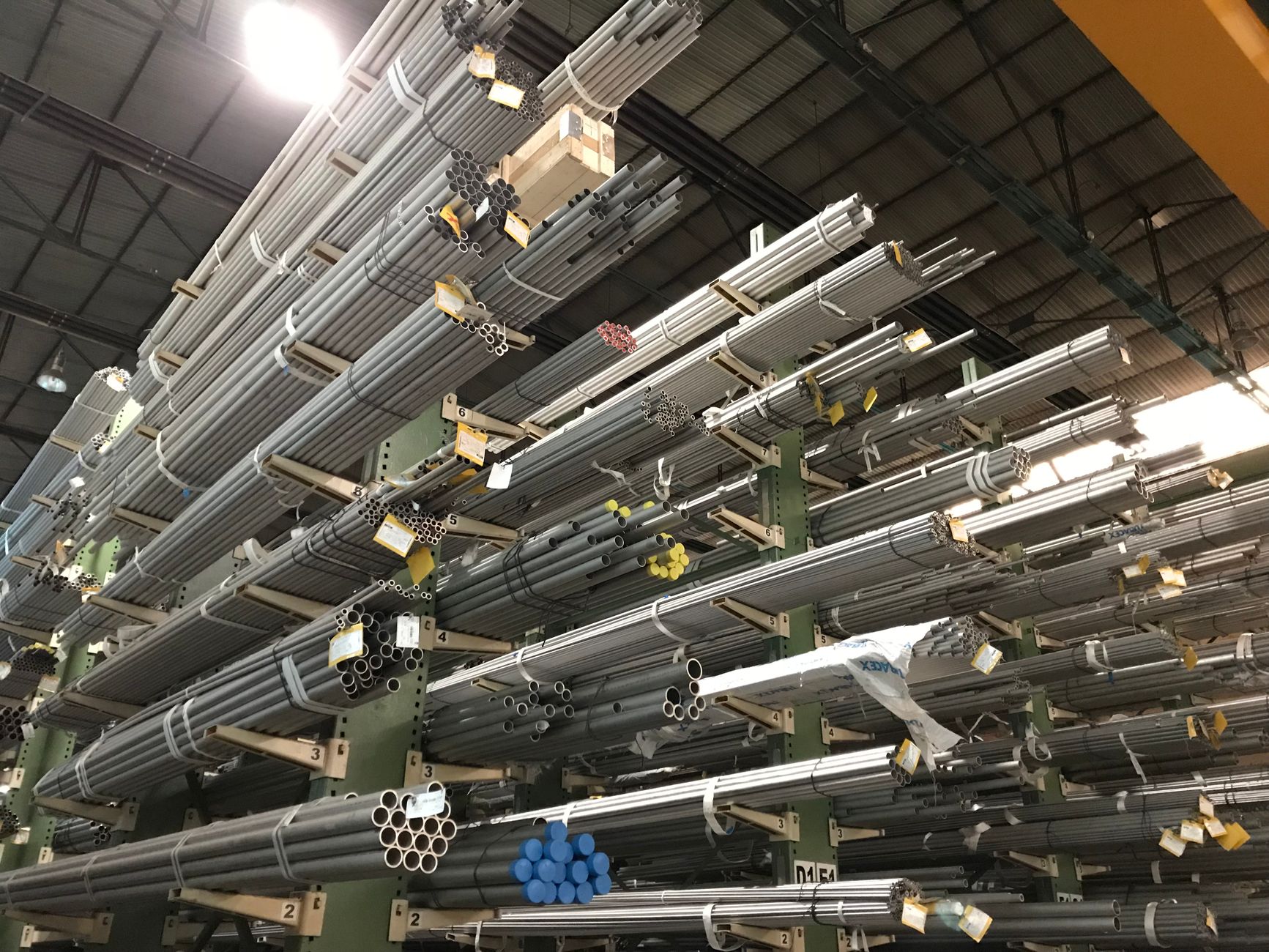
Autonomous mobile robots for aluminum extrusion plants take over the repeat moves of billets, dies and finished profiles between the casting house, the furnaces, the presses and the saw area. At most extrusion plants those moves still wait on an overhead crane or a forklift, and that crane or forklift is often the step the press crew cannot control.
The main benefit is time. When a robot runs fixed routes on a schedule, the crane and forklifts stay free for lifts that really need them, such as press tool changes and heavy scrap. The press also gets billets and dies on a steadier clock, and a short wait at the press ripples through the whole line.
The fit is good, but not universal. AMRs suit routes that repeat across a known, level floor. They are a weaker match for hot lifts at the furnace mouth, overhead work and uneven yards. Service Robot Co. walks each site before recommending a unit, and the lease is quoted after that free site assessment.
What billet and die handling costs an extrusion plant today
Today, a casting house operator loads scrap by forklift or skid steer loader and uses a crane to lift cooled logs out of the casting pit, according to a casting house job posting. The same posting lists a third shift running from 8 p.m. to 6 a.m., so crane and forklift time is spread across the clock, not only the day.
In the saw area, a saw operator may use a forklift to lift logs, which are cut into billets of set lengths. In the press area, an extrusion associate installs press tools with an overhead 50-ton crane, while the press operator calls billets from the furnace as needed, according to a press area job posting. Each call is a move someone has to pick up, and each one needs a driver or crane operator free at that moment.
Manual crane work carries its own risk. A metals industry safety document notes that heavy billets or scrap hanging from a crane and guided by hand are a safety risk. A European extruder moved to multidirectional forklifts for safer billet handling, according to trade press. Both points show why plants keep looking at handling methods that keep people out of the swing of a load.
The handoffs that repeat on most floors run in a loop, and they are the routes to map first.
Plant counts show how many operators face this. According to an extrusion-specific survey directory, which does not show its publication date, the United States has 189 extrusion plants including Puerto Rico, with 22 in Canada and 12 in Mexico. The Aluminum Association counted 204 plants operating 538 extrusion presses in North America as of April 2017. Those counts are dated, but they show the press and saw handoff is a shared pattern, not a rare one.
- Casting pit to log and scrap staging
- Saw output to billet staging and the furnace
- Furnace loading to the press container
- Press output to the saw
- Saw output to aging and packing
How the robot works day to day at an extrusion plant
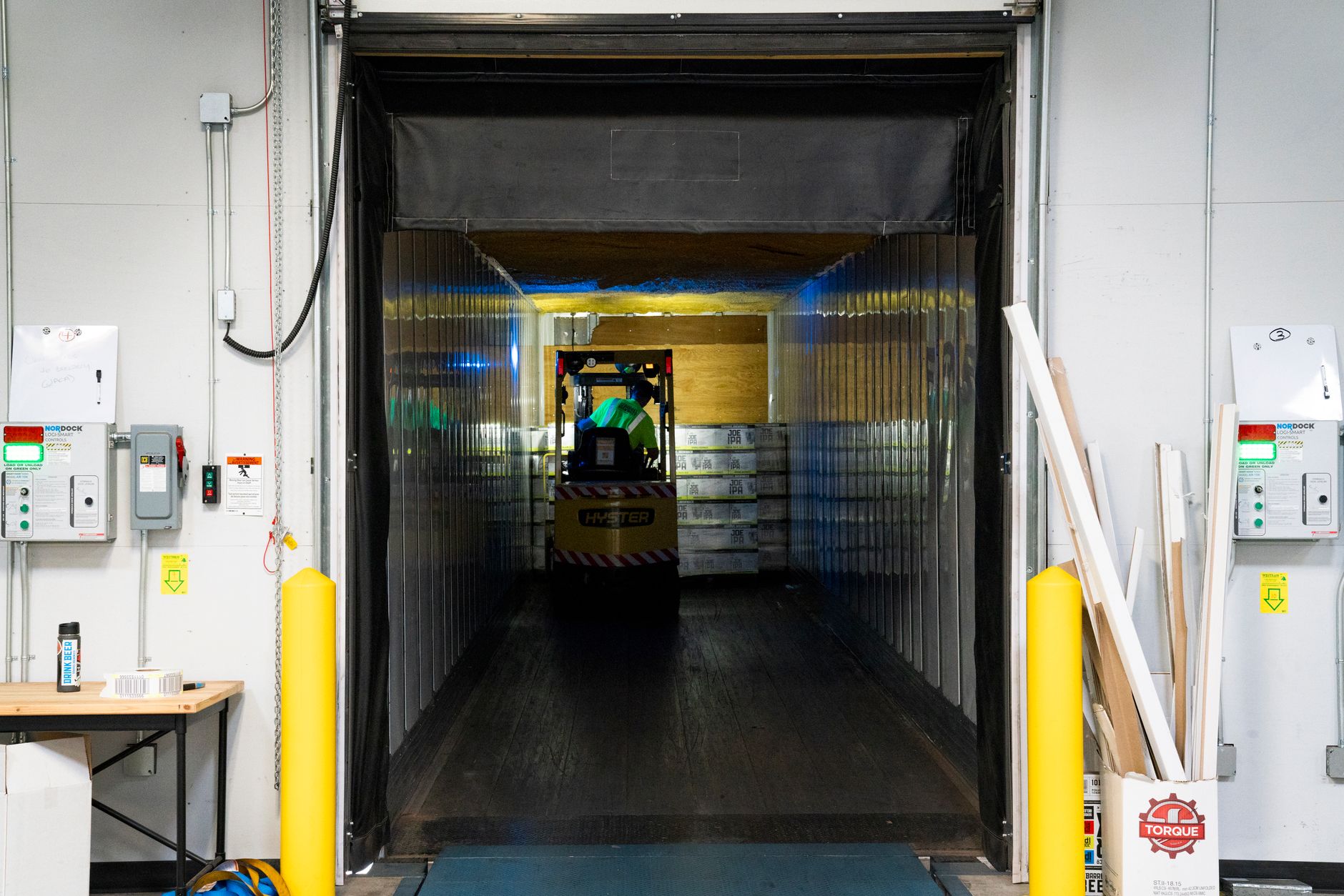
A fleet of autonomous mobile robots is set up with fixed pickup and drop points, such as the casting pit exit, the saw output, the furnace loading bay, the press infeed and the packing staging table. Fleet software assigns each load to the nearest free unit, plans its route and shows where every cart is. Operators watch the queue instead of chasing a forklift driver.
The robot does not handle the hot work. At a furnace mouth or press exit, the load is staged on a cart or rack at a set point, and a person or the overhead crane makes the hot lift. The robot picks up from that point and carries the load to the next stage. The load fixture is sized for the billet, die or profile, and the site assessment confirms it.
Routes run on a set schedule and on demand. When the press calls for billets, the robot runs the trip, leaves the load at the infeed, and returns empty to staging. Because the path stays the same shift to shift, the timing becomes predictable, and the press schedule can account for it.
Which areas of the plant the robot covers
The strongest areas are the ones where a load moves along a known path between fixed stations. The six zones below are where we expect to look first, although each site assessment decides which of them fit a given layout.
Start with the saw area and the press infeed. Those two stations carry many of the repeat moves and the crane and forklift calls described in the job postings, so a clear route between them shows results quickly. The night shift is worth a look as well, because the postings place crane and forklift work from 8 p.m. to 6 a.m.
Packing and aging are the other common route. A crane automation brochure from a vendor describes systems that move 6 m to 18 m aluminum profiles between the saw, aging furnaces and packaging, which shows how long those runs can be. Where a fixed crane system is not planned, a robot on a set route can cover part of that path.
The main benefits for the press crew and the plant
The first benefit is fewer waits at the press. When billets arrive on a steady schedule, the press crew spends less time watching for a forklift or waiting on a crane pass. The second is crane availability. Overhead crane time goes to tool changes and heavy lifts, where a crane is actually needed.
The third benefit is steadier output at the packing end. A plant can lose throughput when the handoff from press to saw stalls. At one European extrusion plant, a press to saw shuttle could not run unattended, and that sometimes caused buffer overflows in packing. A logistics specialist then built an unmanned electric vehicle to shuttle finished profiles between the press and saw departments. That case is reported without a published source, so treat it as an example, not a benchmark.
Fewer manual billet lifts are the fourth benefit. The safety document cited earlier flags heavy loads guided by hand as a risk, and moving those loads on fixed routes cuts the number of times a person has to guide them.
Working alongside your existing crew
The robot does not replace the crane operator, the press operator or the saw crew. It takes the cart moves that pull those people off their stations. The working model is one or more robots plus a smaller handling team, with the existing crew still running the furnaces, press, saw and packing.
The labor outlook for this work is modest. According to the Bureau of Labor Statistics, employment of material moving machine operators is projected to grow 1 percent from 2024 to 2034, slower than the average for all occupations. Slow growth means plants should plan around the people they have and keep experienced operators on the work that needs judgment.
Training is part of deployment. Service Robot Co. trains the staff on load staging, fleet alerts, pause and recovery steps, and the handoff points where a person still acts. The crew keeps control of the press schedule, so the robot supports the line rather than running a second line.
What drives the savings and what the figures show
The savings come from three places: crane minutes returned to lifts that need a crane, forklift driver time moved onto fixed routes, and fewer waits at the press when material arrives on time. We have not verified a sourced range of hours for extrusion plants, so this page does not state one.
Your site assessment counts the handoffs per shift, the crane and forklift minutes spent on billets and dies, and the coverage needed on the third shift. From those counts we estimate the hours a route could free. The estimate is for your floor, not a published average.
Adoption surveys show the direction of travel, though none covers extrusion plants directly. A March 2025 automotive manufacturing survey found that 64% of respondents expected more AMR use, and that high initial cost was the top constraint, cited by 54%, according to Robotics and Automation News. That constraint is why we structure the robot as a financed lease, with the payment in the quote after the site assessment.
A May 2025 manufacturing survey found that 53% of manufacturers are in early stages of adopting new industrial robot hardware, 28% already have industrial robots deployed, and 33% will consider collaborative or mobile robots within five years. That survey covers all robot types. A warehouse and intralogistics survey reported by SDCExec found that more than 70% of respondents have adopted or plan to adopt AMRs or AGVs, though its year was not confirmed.
According to Manufacturing Tomorrow's coverage of a 2025 State of Smart Manufacturing report, more than 1,500 manufacturers responded and 95% have invested or plan to invest in AI and machine learning over five years. AMR use is not broken out in that figure.
What the robot cannot do
The robot cannot handle the hot lift. Billets at the furnace mouth, the press container and the press exit are hot, and a standard AMR is not built for that heat. The robot stops at a staging point, and a person or the crane handles the load.
It cannot replace an overhead crane. Tool changes, heavy scrap and any lift above a rack stay with the crane. A robot also cannot fix a bottleneck inside the press, such as die changes that run longer than the schedule allows.
It needs a level, clear floor and set routes. Uneven yards, blocked aisles and loose scrap cannot be driven reliably. Where the layout changes often, the routes need revising, and that revision is part of deployment, not an afterthought.
How to get started with a robot lease
Start with a free site assessment. Service Robot Co. is a US commercial robot integrator. We pick the robot that fits the site, lease it through financing, deploy and integrate it, train the staff and service it nationwide.
The assessment maps the floor, measures the handoffs and identifies the furnace side staging points and the packing route. We then recommend a starting unit and the route it should run first. A phased deployment on one route, such as saw to furnace, lets the crew learn the system before more units are added.
The lease is quoted after the assessment, and the payment comes in that quote. After go live, our team provides support and ongoing service. Visit servicerobotco.com to request a free site assessment for your extrusion floor.
Frequently asked questions
Want a warehouse robot at your aluminum extrusion plant?
Tell us about your site. We will recommend the robot, quote the lease, and keep it serviced.