
Key takeaways
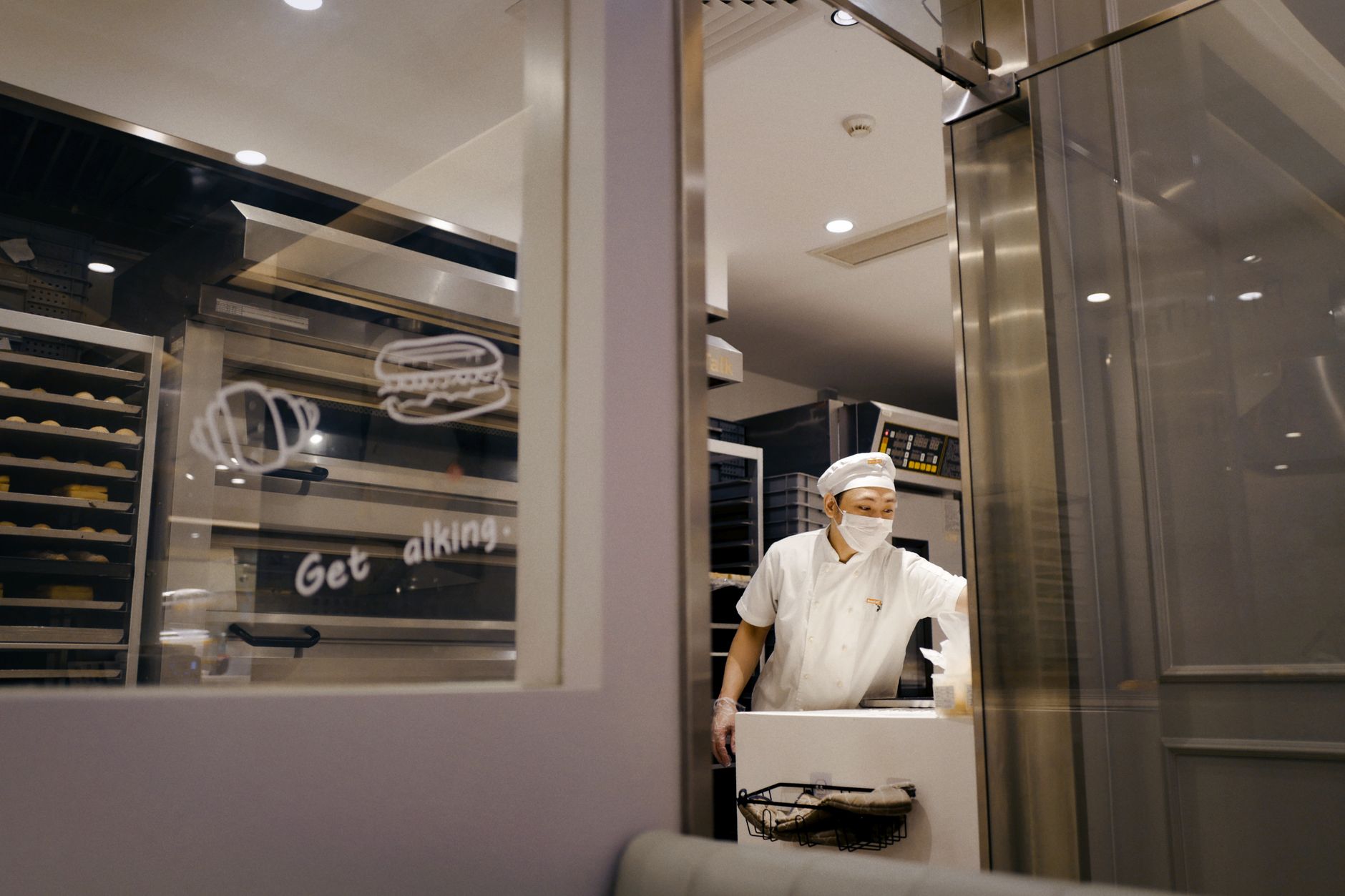
- Bakers often carry racks and pans by hand between mixing, proofing and packing on every shift.
- Autonomous mobile robots for bakeries run fixed routes between stations so production staff stay on production.
- Trade press reports that bakeries added automated guided vehicles to pan handling over the past five years.
- Hours saved depend on your own move count, which we measure during a free site assessment.
- Robots are leased through financing, and the payment comes in the quote after the assessment.
Can autonomous mobile robots for bakeries help with racks and pans?
Yes, for one specific job: moving racks and pans between fixed stations. In many bakeries a rack of trays leaves the mixing area, goes to proofing, returns to the bench and then travels to packing, and a person pushes most of those trips by hand. Autonomous mobile robots for bakeries can take over the repeat legs of that route, running the same paths between the same stations all shift.
The benefit is not that the robot does the baking. Bakers still mix, shape, load and check product. The robot frees the people on the floor from pushing carts so they can spend that time on work that needs a skilled hand.
Fit depends on how many rack moves your shift makes and how clear your aisles are. A site assessment answers both questions before any lease is discussed.
What does moving racks by hand cost a bakery today?
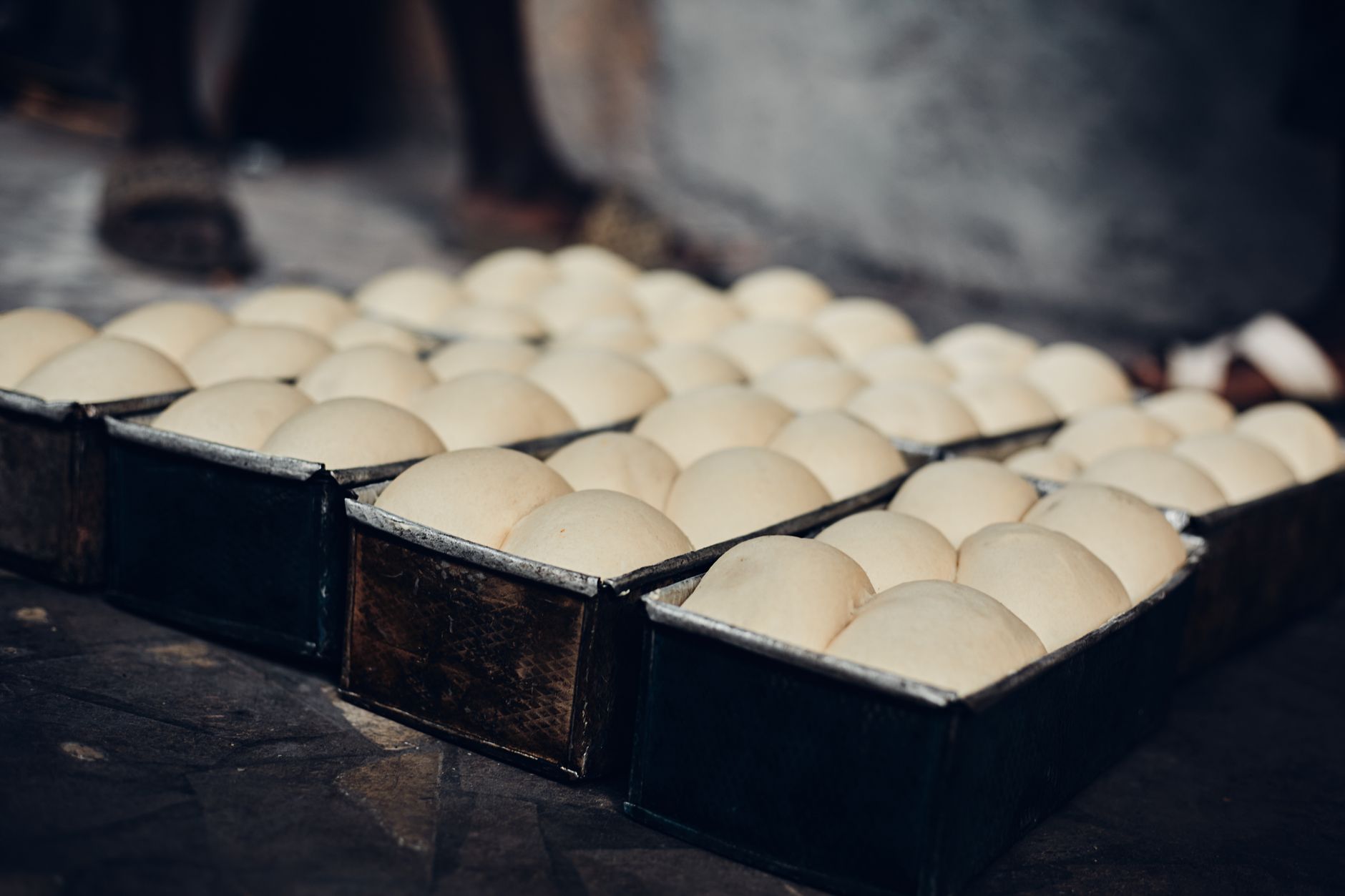
Trade press describes bakeries moving racks and pans of trays, boards and peel boards from the production line to floor space that is often some distance away. Each of those moves uses a person, and on a busy shift the trips add up faster than anyone counts them.
The labor pool is tight. According to the U.S. Bureau of Labor Statistics, there were about 249,100 baker jobs in 2024. The Bureau projects 6% growth for those jobs from 2024 to 2034, which it labels faster than average, adding roughly 14,000 new jobs.
A 2025 study by the American Bakers Association, American Society of Baking and IDDBA found that 92% of commercial bakers cite a lack of qualified candidates in their area as a skilled-labor challenge. The same study found that 92% cite a competitive manufacturing environment. When the people you need are hard to find, every hour a skilled person spends pushing a cart is an hour away from the line.
What are the main benefits for a bakery?
The first benefit is fewer repeat trips. Rack moves run on fixed routes, so they happen the same way every time, rather than when a free person happens to notice a rack waiting at a station.
The second is that production staff keep their hands on production. Bakers who no longer push racks between mixing, proofing and packing can cover bench work, decorating, packing and quality checks during the same shift.
The third is steadier timing. Proofing racks reach the next station on schedule, which helps the people downstream plan their own work. Trade press reports that bakeries have added automated guided vehicles to pan handling over the past five years, so the approach is already in use in bakeries and not only in theory.
How does the robot work day to day?
The robot is given a fixed route between stations, such as mixing, proofing, the bench, packing and the cooling racks. It takes a loaded rack at one station, drives the route, unloads at the next stop and returns to its charging dock. Staff load and unload at each stop, so no person has to ride along or push.
Vendor product descriptions for this kind of equipment say racks and carts move between stations on fixed routes, that charging is autonomous, and that proofing and rack loading can happen in washdown environments. These are manufacturer claims with no independent performance data behind them, so we check each one against your floor and sanitation rules before a route goes live.
Routes are mapped during the site assessment, and stop points are agreed with your shift leads. Handoffs are where most of the attention goes. A rack should carry the right product, the stop should be clear, and the crew member at the next station should know a rack is coming. Those habits are part of setup and shape how well the route works.
Which areas of a bakery does the robot serve?
Most of the value sits in a few zones where racks already change hands. The robot does not need to go everywhere in the building, only to the stations where repeat moves happen.
Your site may vary, and the assessment decides which stops go on the route. We usually suggest starting with the zones where moves are most frequent, then adding stops after the first route runs well.
Each zone has its own rhythm. The mixing area and proofing room see the heaviest traffic early in the shift, while the packing line and dispatch peak later. The route is timed to those peaks, so the timing matches the work instead of fighting it.
How does the robot work alongside your bakers?
The robot works with a team, not in place of one. A bakery still needs bakers, decorators, packers and sanitation staff, and the robot covers the repeat cart work between them. Plan for a robot plus a smaller team on the floor, never for a building with no staff.
Training is a real part of the job. Staff learn how to load a rack correctly, how to clear a blocked route, what to do when a robot stops and when to call for help. Our team trains the crew on site, so the people who know the bakery run the handoffs.
Expect an adjustment period, when stops and loading points get refined based on what the crew sees on the floor.
What drives the savings?
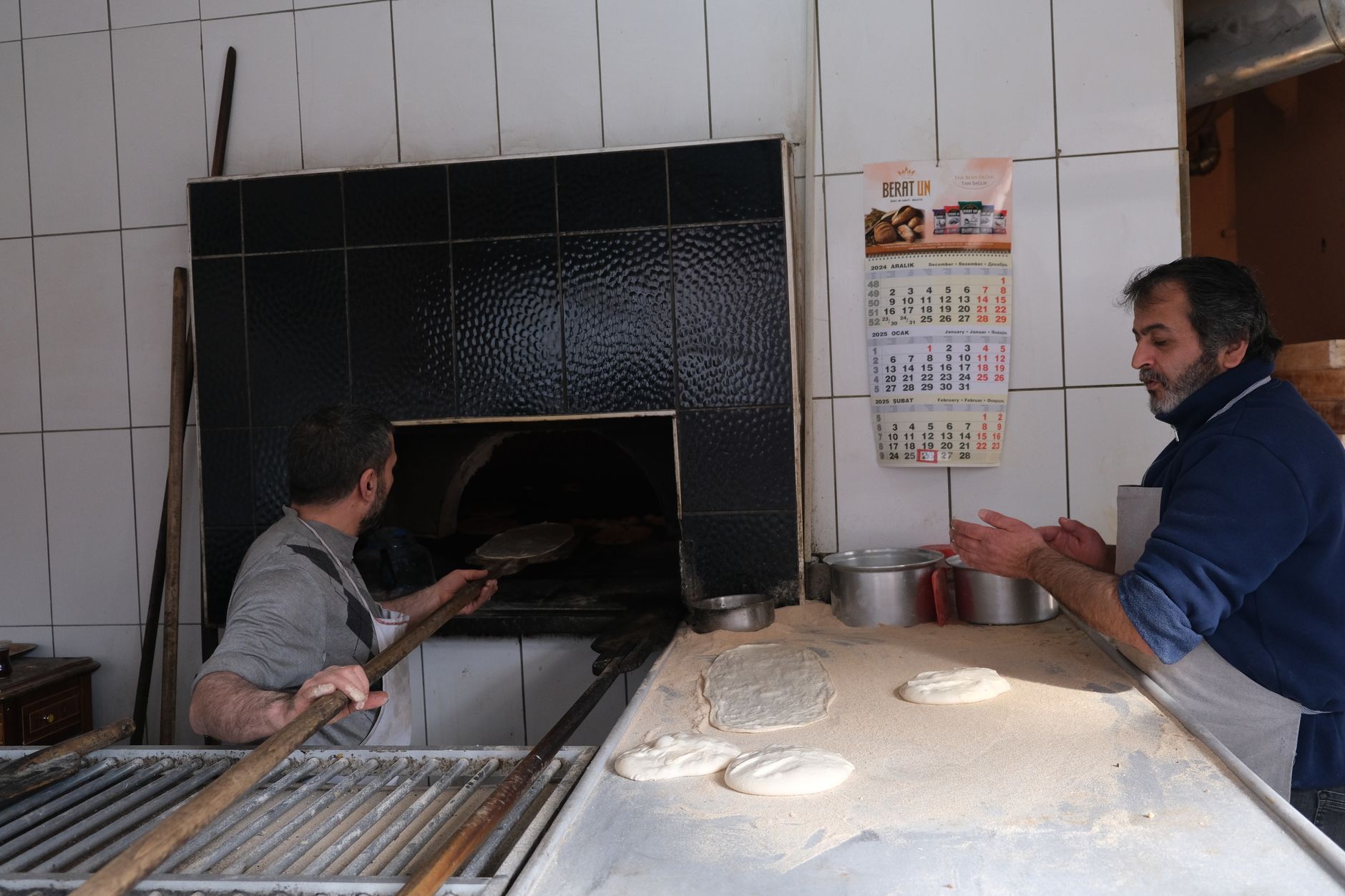
Savings come from the hours your crew spends on repeat rack moves. A bakery that moves racks many times per shift gets a bigger result than one that moves them a few times, so your own move count is the first number to get.
We do not quote a generic hours-saved range for bakeries, because a figure from another site would not describe yours. During the site assessment we count the moves, time the routes and estimate the hours from your own floor, then show the result before any lease is discussed.
Labor pressure adds to the case. The Bureau's projection of 6% growth for baker jobs means hiring will stay competitive, so the hours freed from repeat moves are worth tracking against your staffing plan, alongside the hiring you still need to do.
What can an autonomous mobile robot not do?
It cannot mix, shape, scale, decorate or load an oven. Those tasks stay with your bakers. It also cannot clear a blocked aisle on its own, so a route depends on clear floor and on staff who keep it that way.
It is not a fix for a layout that turns every move into a long walk through crowded space. A robot follows its route, so a poorly planned floor will still slow the work down. We identify those constraints during the assessment and say so plainly if a bakery is not a good fit.
Performance evidence is still thin. The research we reviewed found no independent performance or error-rate data for bakery robots, so we treat vendor claims as claims and measure your own results after go-live.
How do you get started?
Start with a free site assessment. We map the floor, count rack moves by shift, check aisle widths, review sanitation rules and talk through which route should go first. We often suggest starting with one route and one leased unit, so the results come from your own floor.
Robots are leased through financing, so the decision does not hinge on one large upfront payment. The payment comes in the quote after the site assessment, along with the deployment schedule and the service terms, so you can compare it with the hours your crew spends on rack moves today.
Once you accept a quote, we deploy and integrate the robot, train your staff on site and provide service nationwide, with one point of contact for the site. Get the assessment first, and let the numbers from your floor decide the next step.
Frequently asked questions
Want a warehouse robot at your bakery?
Tell us about your site. We will recommend the robot, quote the lease, and keep it serviced.