
Key takeaways
- Kiln loading and finished pallet moves take operator hours that could go to loading and quality checks.
- Repeat routes between press, kiln, packing and storage suit a robot on mapped, fixed paths.
- A robot plus a smaller team is the normal result, and staff keep loading, checks and exceptions.
- Published hour savings are vendor-reported and come from other plants, so measure your own handling first.
- Start with a free site assessment, then a lease quote through financing.
How can autonomous mobile robots benefit ceramic tile plants?
Autonomous mobile robots for ceramic tile plants take over the repeat trips that keep operators walking or driving pallets between the press, the kiln, the packing lines and storage. The gain is operator time. Each trip is short, the route is largely the same every shift, and a robot on a mapped fixed path handles that job without breaks. Your people stay on the work that needs judgment.
In practice that means fewer moves through the busiest lanes, fewer waits at the packing line for a pallet, and more hours for the people who set kiln loads and catch quality problems early. The robot does not decide what to fire or how to stack. It moves what is ready to move.
The evidence is mostly vendor case studies, several from factories that are not tile plants, plus a few trade articles about tile plants. We report those figures as their sources state them, and we measure your handling hours on site before any estimate.
What do kiln loading and pallet transport take from operators today?
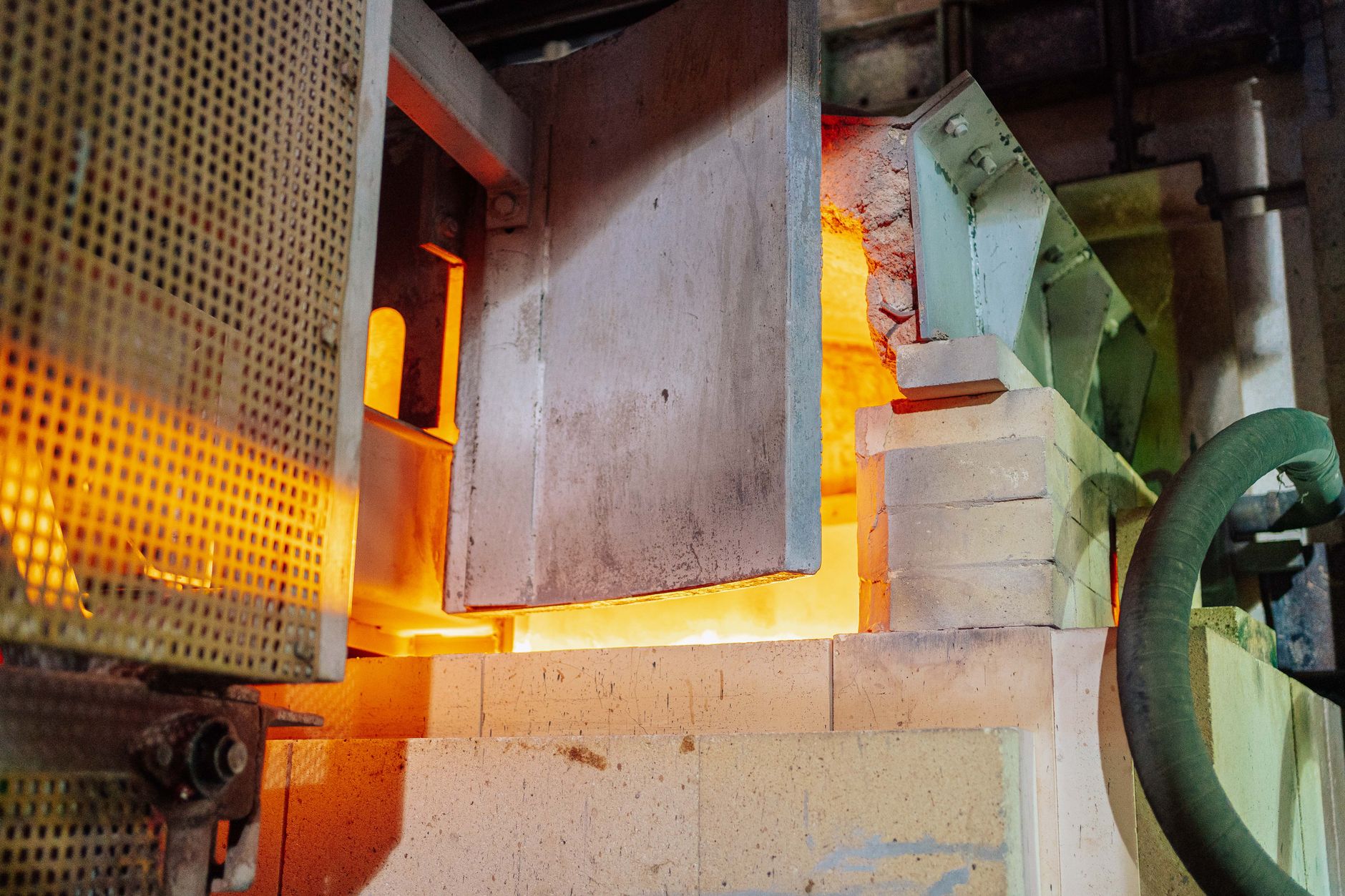
Kiln loading and finished pallet transport take up operator hours because they sit between every other step. Green product leaves the press, moves toward the dryer and then the kiln, and after firing, cooled product goes to sorting, packing and storage. Each handoff usually needs a person with a forklift, a cart or a pallet jack, and each one can wait for a free operator.
The waiting is the real drain. When an operator is busy on a kiln load, a finished pallet can sit at the packing line. When a line backs up, storage moves slip into the next shift, and the backlog lands on whoever is free, pulling them away from the checks and adjustments only they can make.
Our research did not find a public figure for kiln loading hours per shift at tile plants, so the first number that matters is your own. Track how long operators spend on kiln and pallet moves across a typical run of shifts, and note where pallets wait.
What are the main benefits for a tile plant?
The main benefit is steadier transport. A robot on a mapped route moves at the same pace on a quiet shift and a busy one, and it does not stop to answer another task. Where the flow is repeatable, that consistency counts for more than any single trip saved.
The second benefit is time for skilled work. In a tile plant, experience shows in the operator who spots a leaning stack or an early glaze problem and saves more product than any cart can move. A robot frees that person from the cart.
The third is visibility. A robot fleet typically logs each move, so a shift lead can see where pallets wait and which lane runs slow. The manufacturer's own account of a roof tile plant in Serbia says the plant replaced manual handling with robots that load and unload roof tiles, was automated within two months, and can run longer and raise capacity at short notice. That is self-reported, but it shows the direction of the change.
How does the robot work at a tile plant day to day?
A typical setup starts at a station. A pallet or carrier is set at a pickup point, such as a press exit or a kiln exit, and the robot is called to it. It carries the load along its mapped route to the drop point, which may be a dryer feed, a sorting table, a packing line infeed or a storage lane, then returns to charge or to take the next job.
Palletizing is often handled by separate equipment, and the robot has to fit it. A trade article on tile pallet logistics describes a system that converts interlocking pallet stacks into vertical stacks ready for a guided vehicle, rated at 150 pallets per hour by its vendor. That rating is a machine specification, not a measured plant result, but it shows the rate the flow has to match.
Most tile plant examples in the research use fixed-route guided vehicles. One trade article from around 2014 describes a plant in Algeria that moves pallets with laser-guided vehicles and keeps a storage system for roller boxes. An autonomous mobile robot follows the same logic of set routes, but it navigates with onboard sensors and stops for people in its path.
Which areas of a tile plant does the robot work in?
The robot works in the transport lanes between production stages. Routes are set during the site assessment around forklift traffic, doorways and the hottest areas near kiln exits. Six areas usually matter most, and the card below shows what the robot does in each.
It does not enter the firing zone or run the presses, glaze lines or kilns. Those stay with the staff who run them. The robot's job begins where a load is ready to leave a machine and ends where the next machine or the storage lane needs it.
Will it work alongside our existing staff?
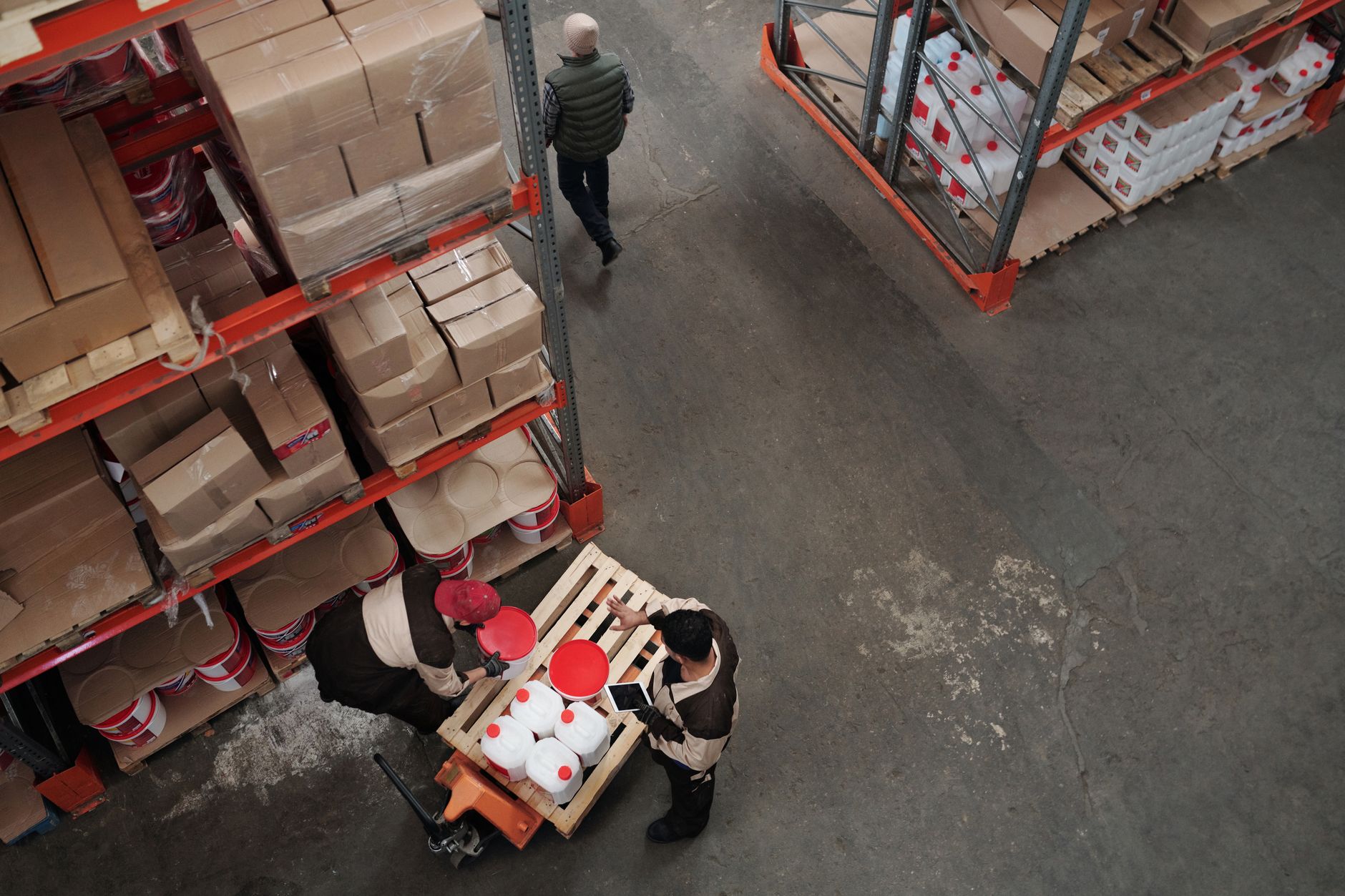
Yes, and the staff are the reason it works. The normal result is a robot plus a smaller team, not a plant with no people. In a vendor case study of a consumer goods factory running 50 AMRs, pallet throughput rose from 185 to 253 pallets per shift, and 32 of 36 forklift operators were redeployed to higher-value roles, according to that study. The plant is not a tile plant and the study is vendor-authored, so read it as a direction, not a forecast.
We pick the robot for your site, lease it through financing, deploy and integrate it, train your staff and service it nationwide. Operators learn to call the robot, clear a fault and handle exceptions, so that knowledge stays in your plant instead of sitting only with the vendor.
What drives the savings in labor hours?
Savings come from the hours a robot takes off repeat moves, multiplied by how many moves a shift makes and how many shifts run. Published figures differ widely between sites, so read each one as a range from another plant, not a promise for yours. No independent study of per-shift labor hours at tile plants was found.
Several vendor-reported figures show the scale. A vendor case study of an aerospace plant estimated an annual saving of about 4,000 labor hours. A vendor case study of an Indonesian factory reported that pallet handling staff fell from 12 to 3. A logistics infographic says one robot can save 3 to 4 hours of traveling time per 8-hour shift, presented as a generic claim rather than a documented deployment. A vendor page on autonomous pallet movers reports that employees previously made 200 weekly pallet trips between buildings, with no hours figure given.
What moves your number is the count of trips per shift, the distance of each trip, how long a load waits for an operator, and how well the route fits the layout. A plant with long lanes and frequent pallet waits will see more of the gain than one with short, idle runs.
What can the robot not do?
It cannot run the kiln, operate the press, set the firing schedule or judge glaze and finish quality. It cannot inspect tile for defects, judge a stack that is leaning, or decide when a load is ready. Those tasks stay with your staff, and a plan that assumes otherwise will disappoint.
The layout matters too. Routes need clear lanes, and a load placed badly at a pickup point will stall the job. If the kiln exit or press exit does not present loads in a consistent way, the robot will wait like anyone else. A robot is not a fix for a handling flow that is not organized first.
It also adds a service load. Batteries, sensors and routes need checks, and a fault needs a fast response so that a backlog does not build. The plant should plan who responds to a fault on each shift before deployment, not after.
How do we get started?
Start with a free site assessment. We map the transport routes, measure the handoffs and mark the spots where pallets wait. Then we recommend the robot and the number of units that fit your floor. Many plants begin with one leased unit and a phased deployment, so the line keeps running while staff learn the system.
The robot is leased through financing, and the payment comes in the quote after the site assessment. The quote covers the robot, deployment and integration, staff training and service nationwide. Ask what happens when a unit needs attention, including on-site dispatch and remote triage for faults, and if a spare unit is part of the plan.
The assessment is useful on its own, even if you decide not to lease anything. You leave with a clear picture of where your handling hours go and which lanes are worth fixing first.
Frequently asked questions
Want a warehouse robot at your ceramic tile plant?
Tell us about your site. We will recommend the robot, quote the lease, and keep it serviced.
Sources
- Manufacturer story on roof tile plant automation
- Trade article on tile pallet conversion
- Trade article on tile plant logistics in Algeria
- Vendor case study, aerospace plant
- Vendor case study, Indonesian factory
- Vendor case study, consumer goods factory
- Logistics infographic on automated forklifts
- Vendor page on autonomous pallet movers