
Key takeaways
- Autonomous mobile robots for coffee roasteries mainly cut the repeated carrying of green bags and finished pallets across shared aisles.
- Walking is a real cost in production work, but the best published figure we found comes from a car plant, not a roastery.
- The robot moves loads on set routes, while roasting, judgment and quality checks stay with your team.
- The savings case is built from your own timed routes, not from a published roastery benchmark.
- Start with a free site assessment, lease through financing, and receive the quote afterward.
See what a autonomous mobile robot costsRun the numbers in the ROI calculator
How can autonomous mobile robots for coffee roasteries help?
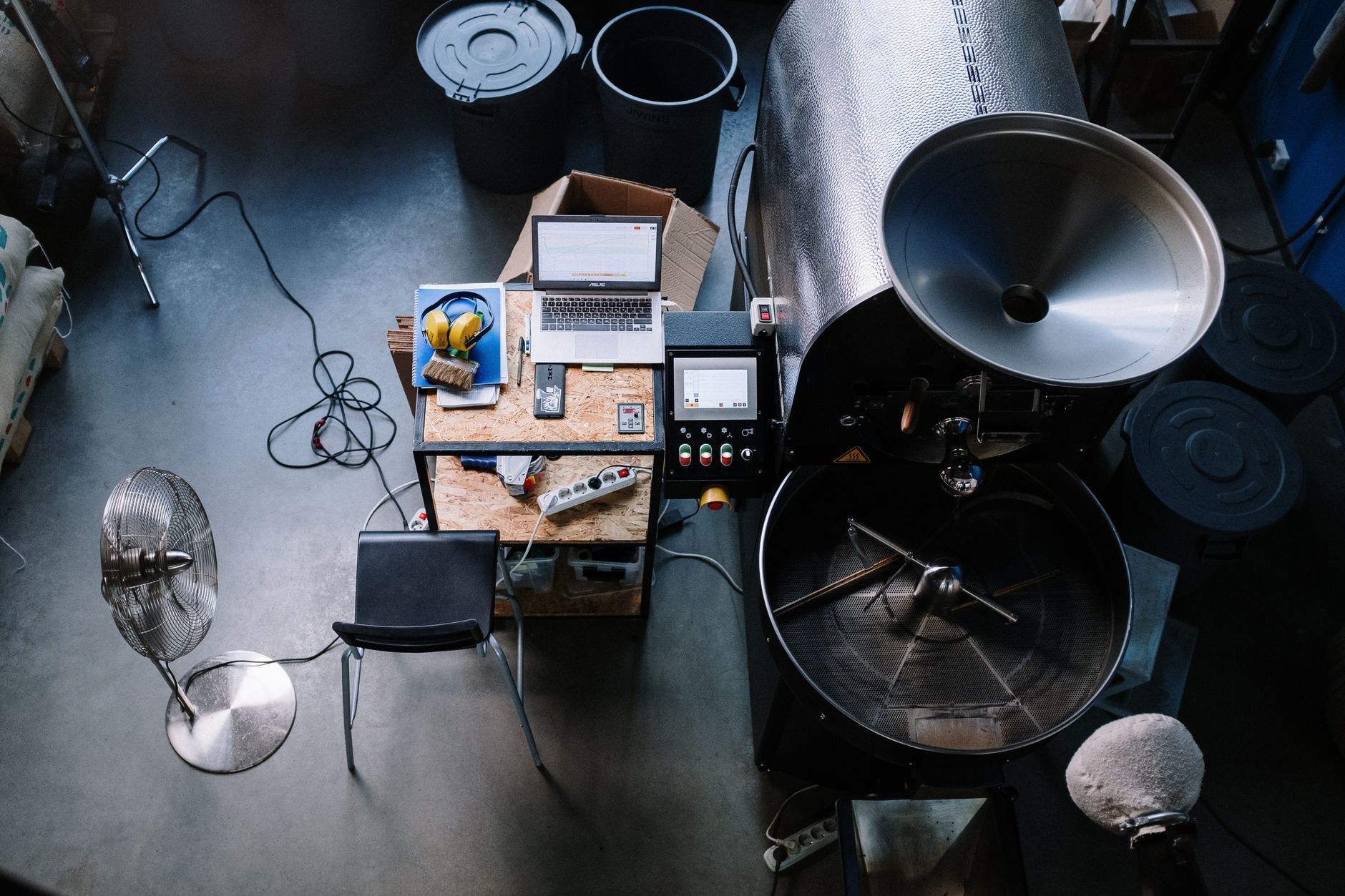
Autonomous mobile robots for coffee roasteries mostly solve one problem: green coffee bags and finished pallets crossing a production floor that is also full of people, forklifts, roasters and cooling equipment. A mobile robot carries a load along a repeatable route, such as from receiving to the roaster feed, or from cooling to staging and packing. Fewer trips by people means fewer crossings of the same aisles, and fewer chances for a collision, a dropped bag or a blocked door.
For the person who runs a roastery, the main gain is predictability more than raw speed. The roaster is fed on a rhythm set by the roast schedule, and when a bag arrives late because someone was pulled to another job, the roaster waits. A robot on a set route arrives on a timed basis and is not pulled away, so the roast schedule and the floor stay closer to plan.
We pick the right robot for the site, lease it through financing, deploy and integrate it, train your team and service it nationwide. The robot works alongside a smaller team, not in place of one. The rest of this page covers what that looks like on a real roastery floor, where the robot helps, where it does not, and how the savings are built.
What does material movement look like at a roastery today?
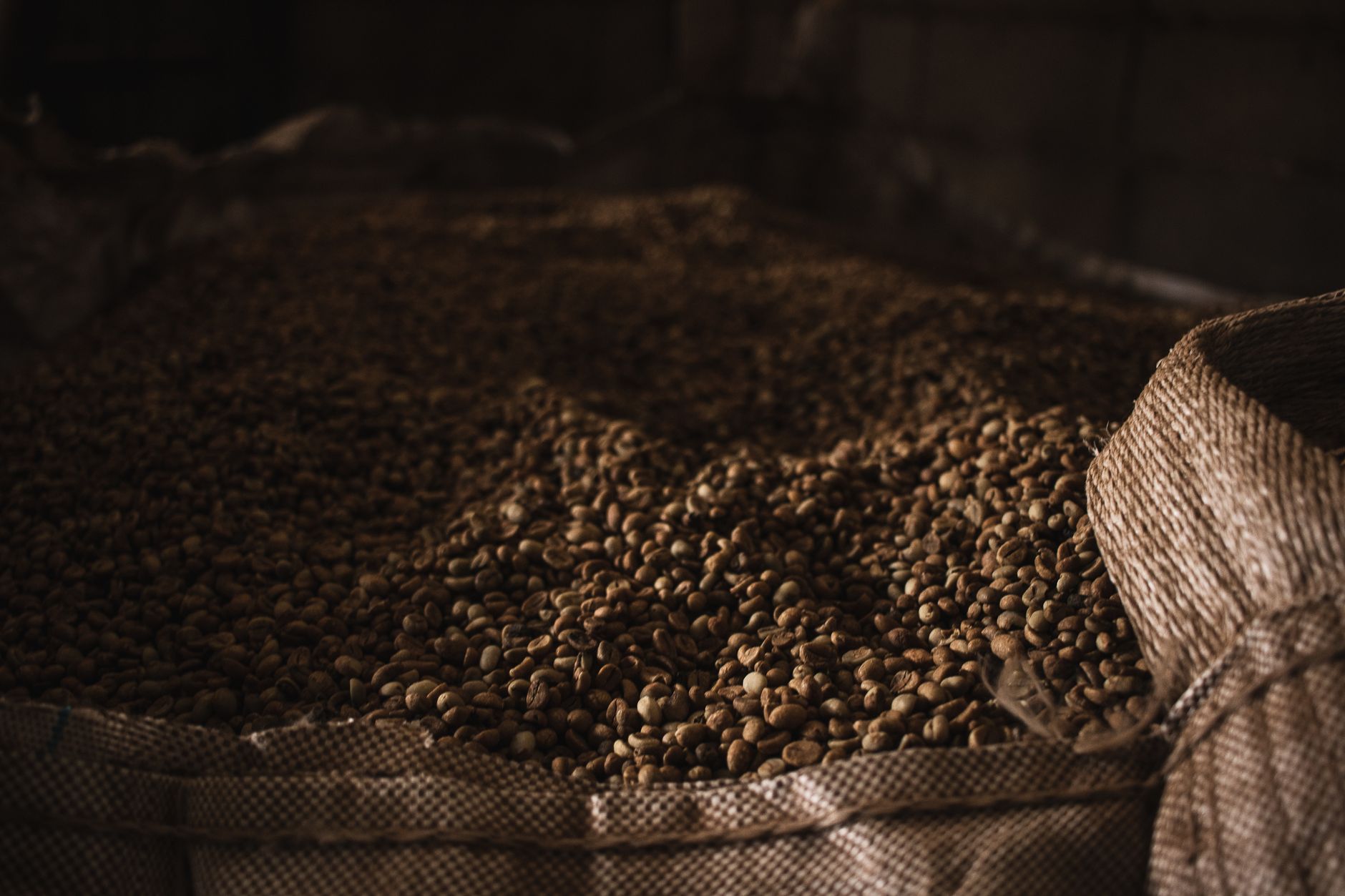
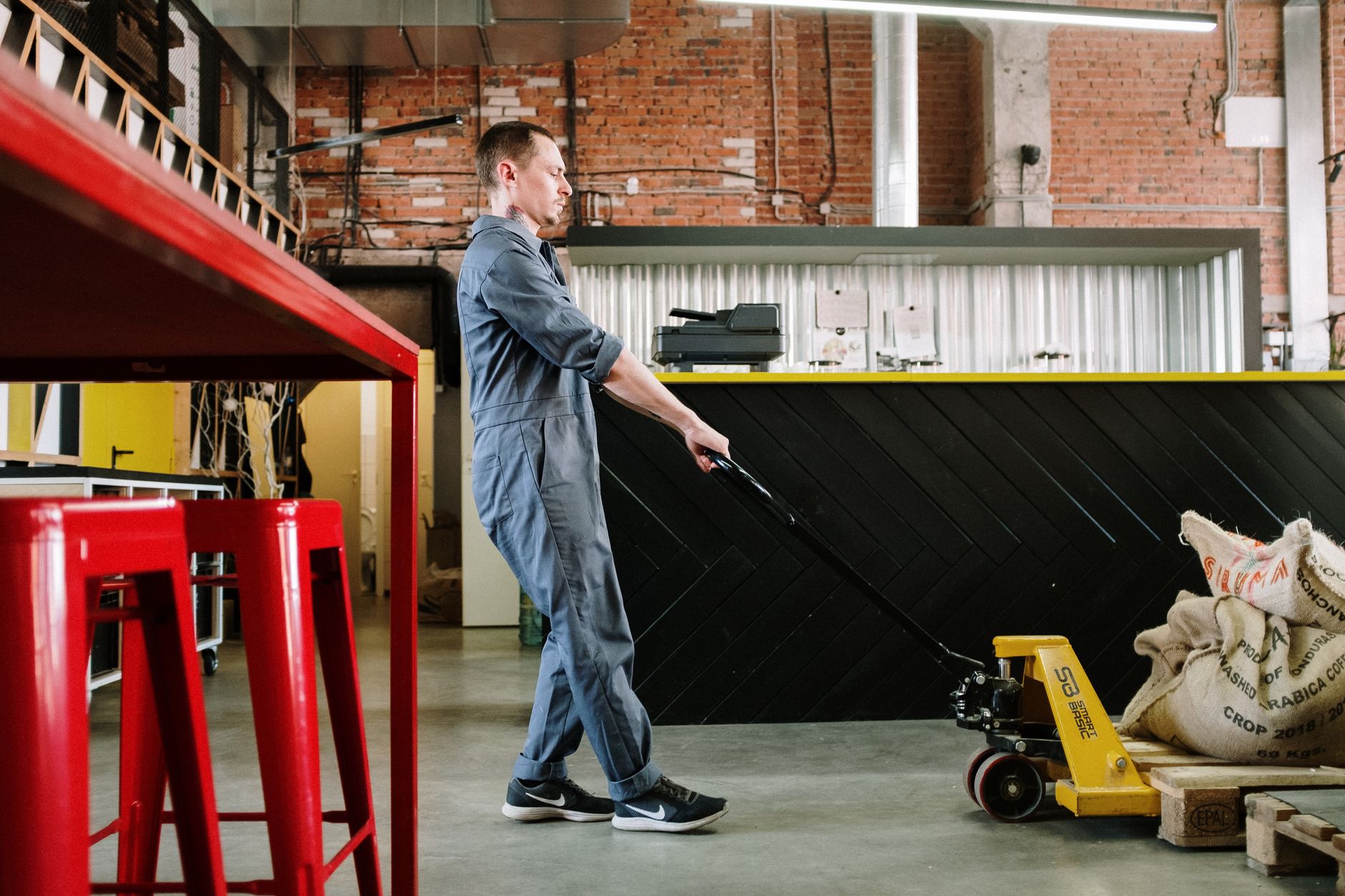
Most roasteries receive green coffee in bags and stage those bags on pallets near the roaster. According to a 2026 report from a Korean business newspaper on a coffee processing plant there, intake bags can weigh 50 to 70 kg each. Someone breaks down the pallet, carries or carts the bags to the feed point, and goes back for the next batch. Finished roasted coffee travels the other way, from cooling to staging to packing, usually on a hand cart or a forklift that shares the aisle with people.
Walking is the hidden cost. A Springer journal paper by Scholl and colleagues reports that walking to fetch parts from the line side is 10 to 15 percent of total production time at a major German car manufacturer. That is an automotive plant, not a roastery, so read it as a rough signal. A warehouse equipment vendor blog also says order pickers can walk as many as 12 miles a day. That claim is anecdotal and should be checked against your own floor.
The market context is useful too. According to an industry research report, there were 1,063 US coffee production businesses in 2026, up 4.8 percent from 2025. That category is narrower than roasting and likely undercounts roasters, so it is a partial picture of the sector.
What are the main benefits for a roastery?
The clearest benefit is fewer trips by staff across the production floor. A mobile robot takes the repeated legs of a route, which frees people to roast, profile, pack and check quality. The work that depends on a person's eyes and hands stays with the people.
Gentle, consistent handling of the bags matters as well. A materials handling trade article describes a vision-guided robotic arm at a large coffee roaster that unloads green coffee pallets onto the feed conveyor. According to that article, it helped the roaster double its green bean feed rate, after an earlier system had been tearing burlap bags. That was a fixed arm rather than a mobile robot, but it shows what steady handling does for a roast line.
For a mobile robot on a roastery floor, the benefits usually come down to four things:
- A steadier feed to the roaster, set by the roast schedule instead of by who is free.
- Fewer people crossing the aisles between receiving, roasting, cooling and packing.
- Fewer bags handled by hand on every shift.
- A trip log for each route, so you can see where the time really goes.
How does the robot work there day to day?
On a typical day the robot runs a small set of routes that we map during the site assessment. It picks up a loaded cart or pallet from a marked staging spot, travels a fixed path to the roaster feed or the packing line, and returns to a charging point. Staff load and unload at each end of the route. That is where people are needed, for judgment, bag checks and lot labels.
Routes follow your roast schedule. Early in the shift the robot may move green bags for the first roasts. Mid shift it can carry cooled coffee to staging, and late in the shift it can take packing stock to the line or bring back empties. Between runs it charges, so it is ready when the next call comes in.
The robot needs a clear path and a clear pickup point. We set floor markings, pallet positions and a simple call method so staff know where to leave a load. Changes to a route are made by our team after review, not by the robot on its own.
Which areas of the roastery does the robot cover?
A roastery is a handful of work areas joined by a few main paths. The robot does best in the areas where loads move the same way every time, such as receiving to the roaster feed, cooling to staging, and staging to packing. Areas with changing traffic, unmarked spaces or heavy foot traffic need a closer look during the assessment.
The list below shows the six places we see most often in this kind of building. Each has its own load, its own pickup point and its own rules for people. Not every roastery needs all six, and a single route on the busiest path is a sensible place to start.
How does the robot work alongside your team?
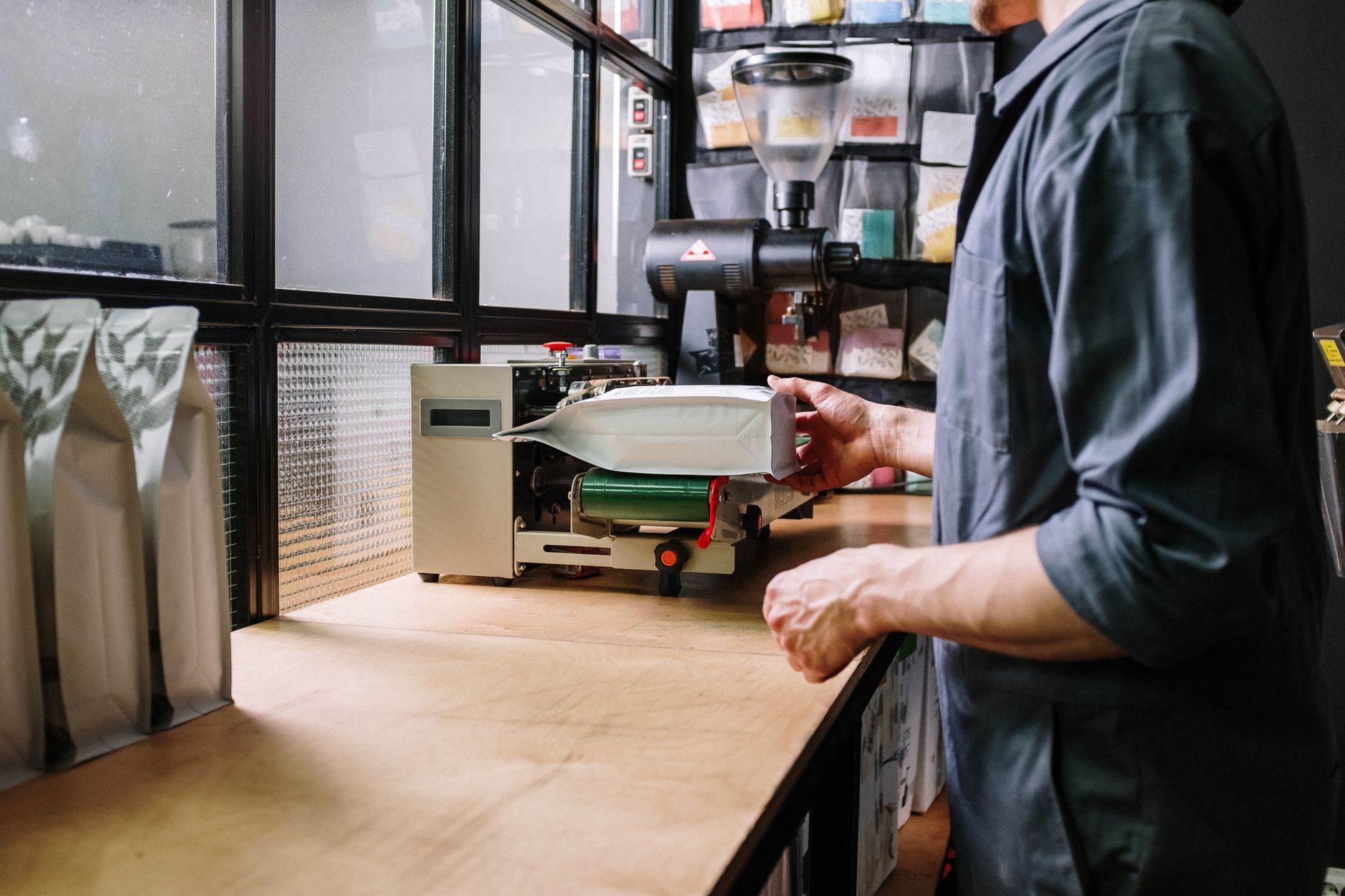
The robot does not replace the people on your floor. It takes the repeated carrying, so the roaster operator, the packing crew and the shipping lead can spend more time on the work that needs them. A roastery still needs people to pull samples, adjust profiles, check bag weights, label lots, clean the drum and handle exceptions.
The wider labor picture is worth a look. According to the U.S. Bureau of Labor Statistics, hand laborers and material movers held about 2.94 million jobs in 2025, within a broader material moving group of about 6.9 million jobs. Those figures show how many people do this kind of work across the country. The people who do it at your roastery should be trained on the robot, not sidelined by it.
A market forecast reported in an electronics industry news article expects mobile robot shipments to grow from 547,000 units in 2023 to 2.79 million by 2030, a growth rate of 24.1 percent a year. That is a forecast, not a count of what has been installed, so it shows where the market is heading rather than what any one roastery will see.
Our team trains your staff on loading, unloading, route calls and simple recovery steps. We plan the first weeks with your supervisor on the floor, so the team is never working the robot alone. After go live, service is handled nationwide by us, so your team is not left to diagnose the robot alone. The model is a robot plus a smaller team, never zero staff.
Where do the savings come from?
The savings come from fewer hours of carrying and walking, fewer delayed or damaged loads, and a steadier roast schedule. The reliable way to size them is to time your own routes. We have not found a published hours-per-shift figure for roasteries, so we do not offer one here. The quote comes after we measure your trips today during the free site assessment.
The closest published figure we found is about walking time, not roasting. The Springer paper's 10 to 15 percent for line side walking in a factory shows that unproductive travel can be a large share of production time. Your own share depends on your layout, the number of roasts per day and how far green bags travel from receiving to the feed.
Labor savings are shown in hours. For a roastery, the question is how many hours each week your team spends moving bags and pallets, and how many of those hours could go to roasting, quality checks or packing. We put that in the assessment report as a range built from your data, not as a promise.
What can the robot not do?
A mobile robot moves loads along set routes. It does not roast, judge a batch, taste a sample or decide when a lot is ready. It does not lift a bag from a pallet stack unless the setup is designed for that handling, and damaged or torn bags should be checked by a person before they go anywhere near the roaster.
It also needs conditions. Floors must be level and clear, doorways must be wide enough for the load, and routes must be free of loose cords, chaff piles and wet spots. Stairs and open dock edges are outside its scope. Traffic has to be managed, because the robot stops for people, which can slow a route at the busiest time of the shift.
Some tasks suit a fixed arm better. The example above, a fixed arm unloading pallets onto a feed conveyor, is a different tool for a different job. If your floor needs one, we will say so during the site assessment rather than push a mobile robot into a task it does not fit.
How do you get started?
Start with a free site assessment. We map your floor, time your loads and routes, identify where a robot fits and where it does not, and recommend the right robot for the site. The quote is built from that work, so it reflects your floor and not a generic layout.
The robot is leased through financing. The payment comes in the quote after the site assessment, so you can compare it with the hours you measured and decide on the numbers you can see. We deploy and integrate the robot, train your staff, and provide service nationwide, including dispatch on site and remote triage.
A single unit on the busiest route is a sensible first step. Deployment can be phased so production does not stop, and we provide go live support for the first weeks and review the route data with you afterward. Ask for a free site assessment and we will start there.
Frequently asked questions
Want a warehouse robot at your coffee roastery?
Tell us about your site. We will recommend the robot, quote the lease, and keep it serviced.
Sources
- Korean business newspaper report on a coffee processing plant, 2026
- Materials handling trade article on a vision-guided robotic arm at a coffee roaster
- Springer journal paper on line side part fetching in automotive production
- Warehouse equipment vendor blog on order picker walking distance
- Industry research count of US coffee production businesses
- Web census of US specialty coffee roasters
- Electronics industry news article on mobile robot shipment forecast through 2030
- U.S. Bureau of Labor Statistics, Occupational Outlook Handbook: Hand laborers and material movers