
Key takeaways
- Trailers waiting for moves cost the most when night shift coverage runs thin.
- Robots carry totes and pallets between dock doors and staging lanes around the clock.
- A robot plus a smaller team keeps freight moving, with people handling exceptions.
- Savings come from shorter trailer dwell and fewer manual trips, measured on your own dock data.
- Start with a free site assessment, then get a lease quote through financing.
Can autonomous mobile robots for cross-dock terminals keep freight moving?
Yes, when the problem is trailers sitting at the door while freight waits to move. Autonomous mobile robots for cross-dock terminals take the repetitive moves, such as carrying totes and pallets between dock doors and staging lanes, and run them around the clock. Freight keeps flowing when the night shift is short on people, instead of stacking up beside a trailer that cannot be closed.
The robot does not replace your dock team. It takes the steady, predictable trips that would otherwise pull people away from unloading, loading and exceptions, so the team can stay on the doors. A robot plus a smaller team is the model that works here, and the trailers that wait get emptied sooner.
The sections below cover where the time goes, what the robot does there day to day, and how a site assessment turns your own dock data into a lease quote.
What does a waiting trailer cost a cross-dock terminal today?
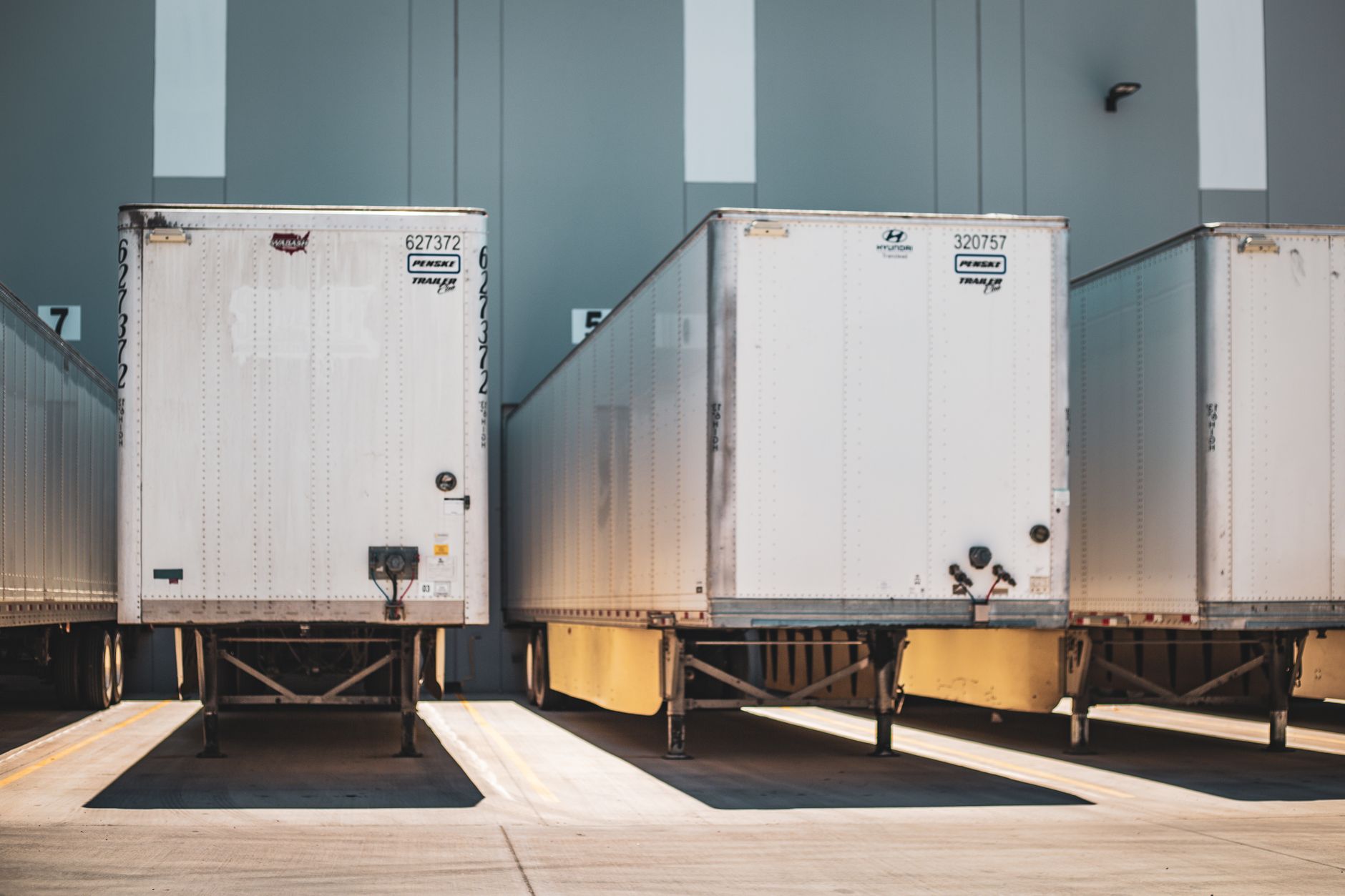
At a cross-dock, a trailer only earns its place when it is moving. When freight sits in a staging lane because nobody is free to move it, the trailer stays on the door and the clock keeps running for the carrier. Detention is the charge that follows when that wait runs past the agreed window.
According to the American Trucking Research Institute's 2024 study, as summarized by a trucking news report, detention occurs on nearly 40% of all stops, and on 56% of reefer loads. The same summary says the industry loses about 135 million hours a year to it. Those are industry-wide figures, but they match the pattern a terminal sees when a door runs long.
Free time is the number to know. According to a freight industry blog, most U.S. carrier contracts allow about one to two hours of free dock time before detention starts. Trade press also calls dock availability the single biggest detention driver at busy sites, which means a short handed night shift is often where the charge starts.
Which benefits matter most at a cross-dock terminal?
The first benefit is shorter dwell at the door. Freight moves from the trailer to a staging lane, then on to the outbound door, without waiting for a free forklift driver or a lead to walk over. Trailers can close sooner, and the carrier's clock stops sooner too.
The second is coverage. A robot runs the same route at 2 am as it does at 2 pm, so overnight coverage no longer decides whether freight moves on schedule. Terminals that struggle to fill every overnight slot can keep the flow going with fewer people on the floor.
The third is visibility. Each move is logged with its start point, end point and door, so a manager can see which doors slowed and when, instead of reconstructing the shift from a whiteboard. That record is also the honest starting point for any savings conversation later.
How does the robot work at the dock day to day?
Most terminals connect the fleet to their warehouse management or dock scheduling system. When a trailer is checked in and its freight is staged, the system sends a move request. A robot picks up the tote or pallet at the door, follows its mapped route, and drops it in the assigned lane, while staff see the move on a screen instead of calling it out by radio.
Routes are set during a site mapping visit, so the robots know the floor before they run a shift. They share space with people and forklifts only in the zones we set up for that purpose. When a path is blocked, a robot waits or reroutes, and the stop appears as an exception for a lead to clear.
Charging happens in the gaps between moves. Because the fleet covers the whole shift, the lead's job changes from chasing freight across the building to watching the queue, clearing exceptions and keeping the doors moving.
Where does the robot work inside the terminal?
The main work sits in the dock and staging area, but the same routes can reach the rest of the building. Think of the terminal as a chain of handoffs, and each handoff is a place where freight can sit. The robot's job is to shorten those handoffs in the places where freight waits the longest.
Layout sets how many robots a site needs and where the chargers go. We measure door count, lane length, aisle width and traffic during the site assessment, then size the fleet from those numbers rather than from the square footage on a floor plan alone.
The zones below are the areas where we most often see the robots work at this kind of terminal. Your own map may differ, and the assessment confirms which ones are worth the first deployment.
What drives the savings, and what can you measure?
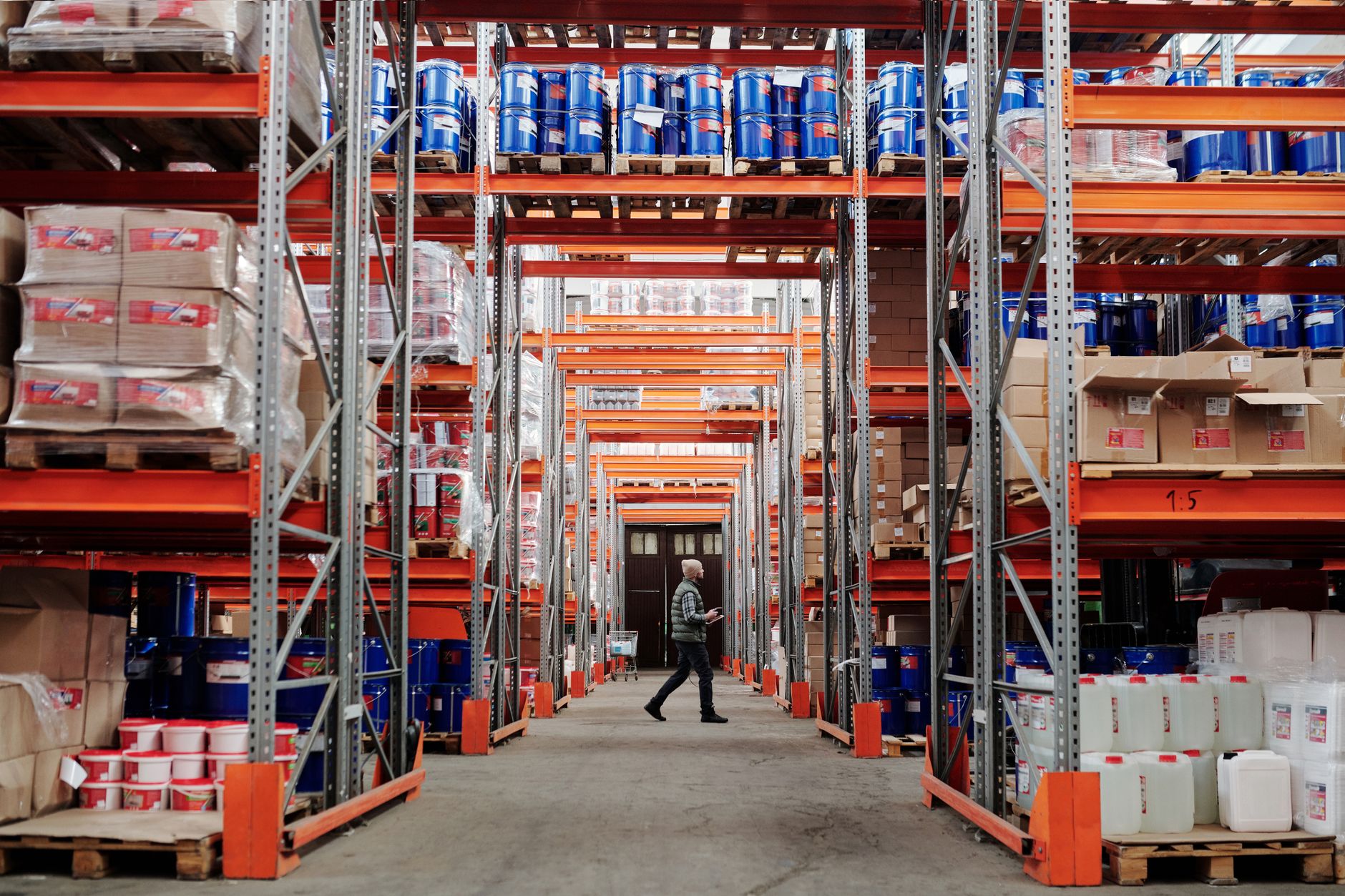
The savings come from the same places the detention comes from: fewer hours a trailer waits at a door, fewer manual trips for people carrying totes and pallets, and fewer shifts where a door runs long because the team is short. Each one is measured on your dock, not promised from a general study.
We do not quote an hours range from a generic source, because your door count, freight mix and free time terms decide the number. What we can do is pull your dwell times and labor hours for several weeks, then model the fleet against them during the site assessment. The lease quote comes from that model.
Adoption context helps set expectations. According to a January 2025 materials handling survey of 217 robotics-involved professionals, reported in a trade article, 48% of companies already use robots and 32% plan to adopt within three years. A vendor-commissioned study of over 1,000 supply chain professionals found that 70% of companies had never implemented an AMR, so many operators are still early in evaluating the category.
What can an autonomous mobile robot not do at a cross-dock?
A robot is not a dock worker, and it should not be planned as one. Be clear about the work it leaves to people:
It also cannot fix a dock with no clear floor, poor lighting or staging that blocks the doors. Those conditions are checked in the site assessment, and the fix is usually agreed before the first robot arrives.
Staffing still matters. Robots reduce the manual trips on a shift, but they do not remove the need for a team that runs the dock and handles what falls outside the routes.
- Open, unload or load trailers on its own.
- Handle freight that does not fit its tote or pallet format.
- Make judgment calls on damage, mislabeling or short shipments.
- Clear a blocked lane or a yard without mapped paths.
- Set the priorities for the shift, which stays with your lead.
How do you get started?
Start with a free site assessment. We walk the dock, map the routes, count doors and staging lanes, and review your dwell and labor data. From that we recommend a robot type and fleet size that fit your floor, along with a plan that keeps your doors open during installation.
Robots are only leased, through financing. The payment comes in the quote after the site assessment, so you see the terms for your own site before you commit. Leasing spreads the cost of the fleet over the term of the lease, and a phased rollout in one area is a sensible way to start.
After the quote, we integrate the fleet with your systems, train your leads and support the go live period. Our service team covers the fleet nationwide, so a terminal in any state gets the same path from assessment to daily operation.
Frequently asked questions
Want a warehouse robot at your cross-dock terminal?
Tell us about your site. We will recommend the robot, quote the lease, and keep it serviced.
Sources
- Trucking industry news summary of the ATRI 2024 detention study
- Freight industry blog on reducing truck detention time
- Trucking trade press on detention times and dock availability
- U.S. Bureau of Labor Statistics, Occupational Outlook Handbook: hand laborers and material movers
- Materials handling trade article on 2025 warehouse robotics adoption
- Supply chain trade news on a vendor-commissioned warehouse automation study