
Key takeaways
- Fixed material routes between receiving, processing and packaging are the clearest fit for autonomous mobile robots.
- According to BLS, food and beverage manufacturing employment reached about 2.1 million in 2024, so material movement is a real staffing pressure.
- A robot takes the repeated cart and pallet legs while your crew keeps the line, sanitation and quality work.
- Savings come from walking hours, fewer material delays and overtime, and they are sized from your own route list in the quote.
How can autonomous mobile robots benefit food processing plants?
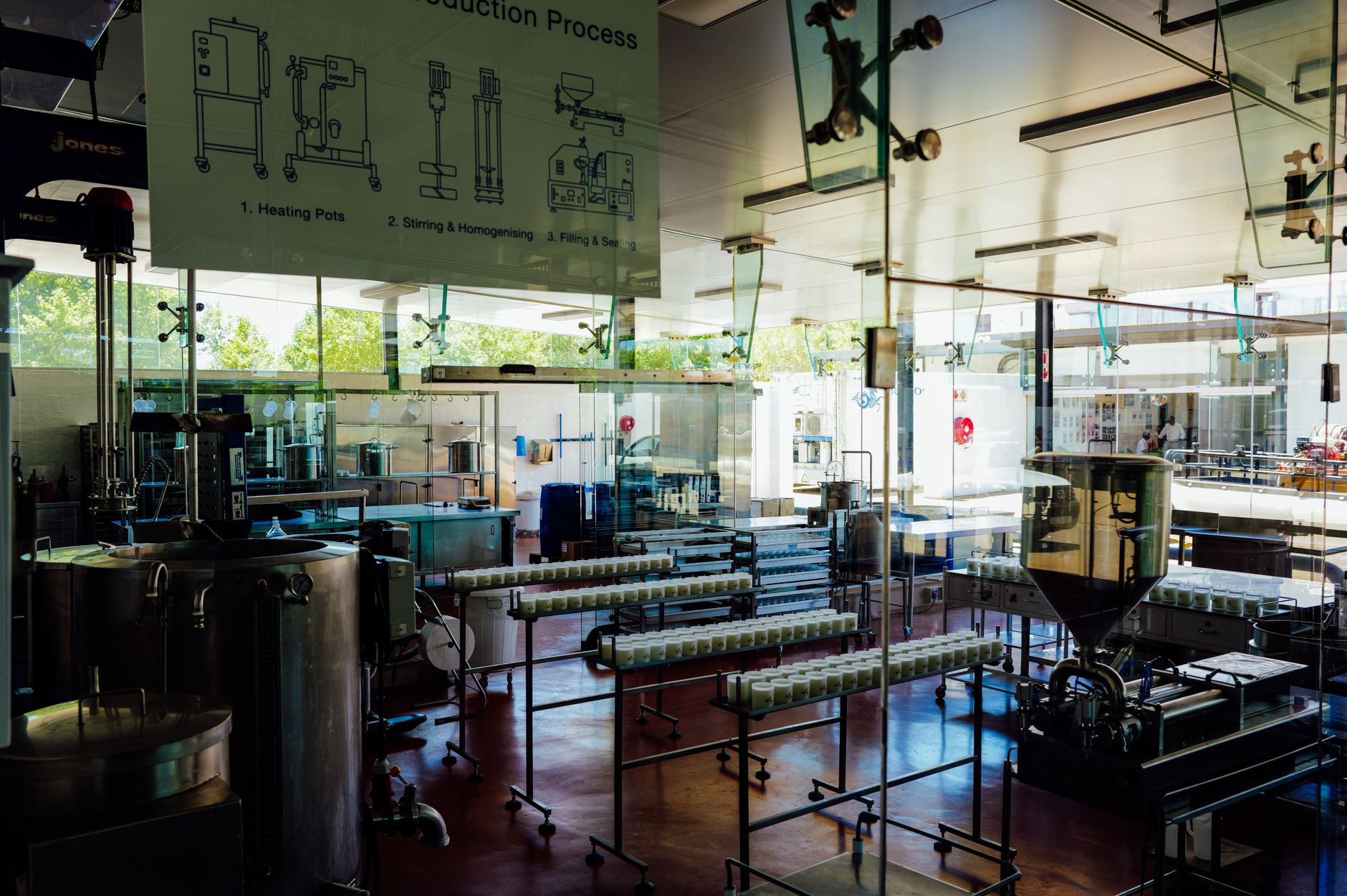
Autonomous mobile robots for food processing plants take over the repeated moves that keep a line fed. They carry flour, sugar and packaged dry goods from receiving to storage, bring packaging film and cartons to the line before each run, and move finished cases to the cooler or the dock. Each trip is short and predictable, and that is the kind of work a robot on a fixed route handles well.
The main benefit is that transport stops depending on whether someone is free to push a cart. Material reaches the processing and packaging areas at the same time and place each shift. The robot also records where each pallet went, so traceability comes from the log rather than from memory.
The sections below cover the work at a plant like yours, where the robot fits, what it cannot do, and how a free site assessment shapes the quote. The clearest results tend to come where material already moves along set routes on a schedule.
What does material movement look like at a food plant today?
Food plants are large, staffed and busy, and much of their labor goes into moves that rarely appear on the production schedule. According to the Bureau of Labor Statistics, food and beverage manufacturing employment grew from about 1.7 million in 2014 to about 2.1 million in 2024, and it is projected to increase to over 2.2 million in 2034. More workers and more lines mean more pallets and more hand moves.
Hand material handling is a large workforce on its own. BLS counts 6,917,800 hand laborers and material movers in 2025, a group whose work is defined as manually moving freight, stock or other materials. The BLS outlook for that group is 4% for 2025 through 2035. Movement work does not shrink on its own, and it is often the first job a shift drops when a line runs short.
Meat, poultry and fish processing adds to that load. BLS lists 359,300 workers in that group in 2025. In the Kansas City area, BLS counted 8,890 hand packagers and packers in May 2025. Those are the people a plant manager recruits for every week, and the people who get pulled off the line to cover a cart run.
Where do autonomous mobile robots fit inside the plant?
The best fit is a plant with fixed material routes. A typical flow runs from receiving to dry storage, from storage to mixing or processing, from processing to packaging, and from packaging to cold storage or the shipping dock. Those legs repeat many times a shift and follow a known map, which is what makes them automatable.
A vendor case page for food and beverage projects reports more than 25 AMRs moving more than 140 pallets per hour at one facility. That figure comes from a single vendor-reported site, so read it as a sign of what sustained volume looks like, not as a forecast for your plant. The point is that a fleet can keep pallets moving without a crew pushing carts.
We start with the route list before we pick a robot. We choose the right robot for the site, lease it through financing, deploy and integrate it with your floors, doors and plant systems, train your staff, and service it nationwide. That order keeps the robot sized to your flow instead of to a brochure.
Which areas of the plant does the robot work in?
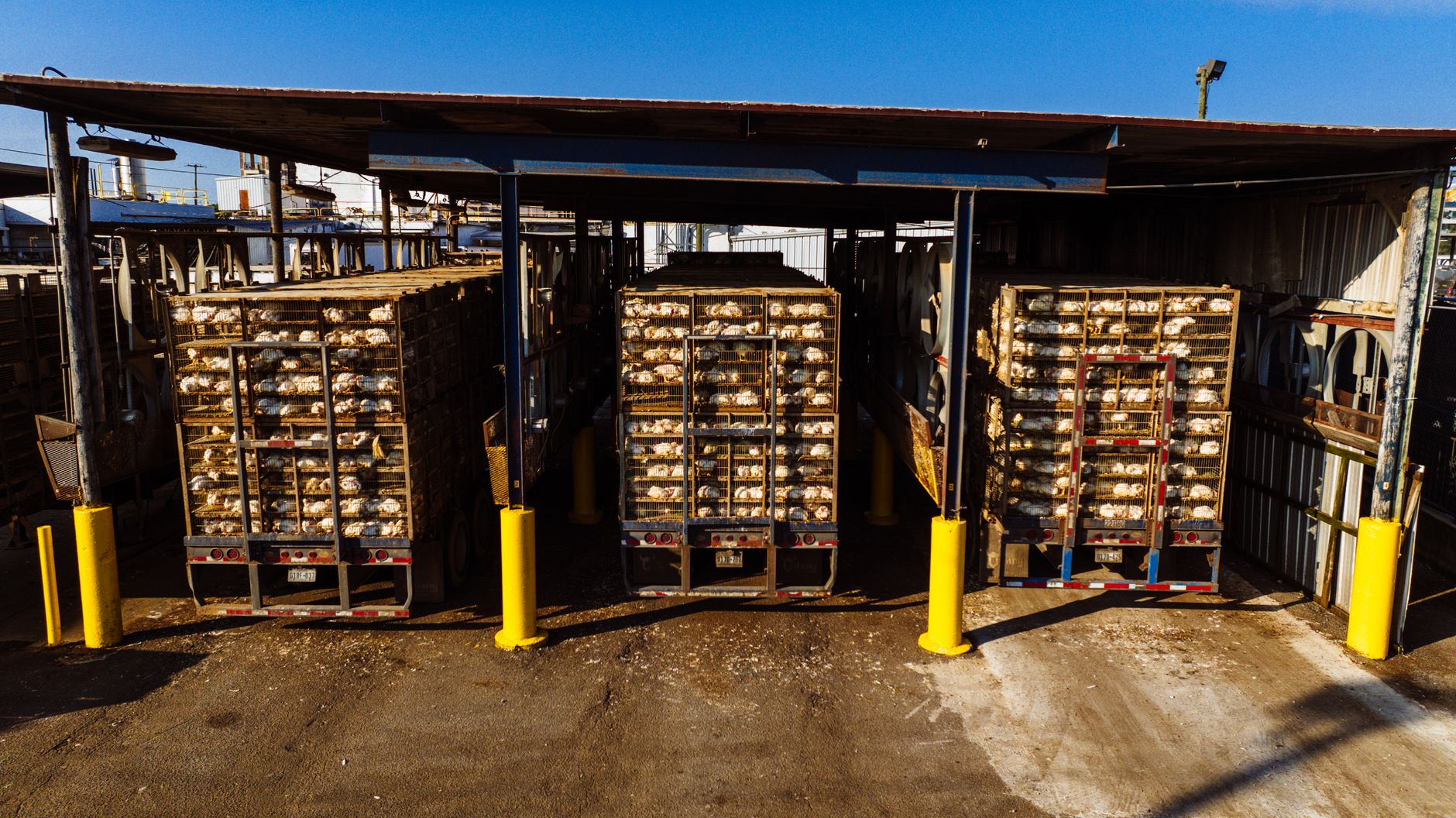
The robot works in the transport legs around the line, not on the line itself. Each area below is a stop on a route, and each has its own rules for pallets, doors, temperature and sanitation.
Routes can be changed as the plant changes, but the stops tend to stay the same from one week to the next. That is why the map is worth building carefully at the start.
How does the robot work day to day?
A robot on a food plant route runs a queue set by production. A line lead or operator sends a request from the floor or the plant system, the robot collects the load at its staging point, and it follows the mapped path to the destination. When an aisle is blocked, a robot of this class can recalculate its path rather than sitting until someone clears the way.
Traffic is the part that needs the most planning. Food plants share floors among people, carts and forklifts, so the robot needs clear lanes, slower speeds near the packaging line and sensing that stops it when someone steps close. A research paper on an automated guided vehicle working with a cobot at a tea-packaging line describes that setup, with a warning field and a protection field around the people in the space. Ask any vendor to show you those zones on your floor plan.
What benefits should a food plant expect?
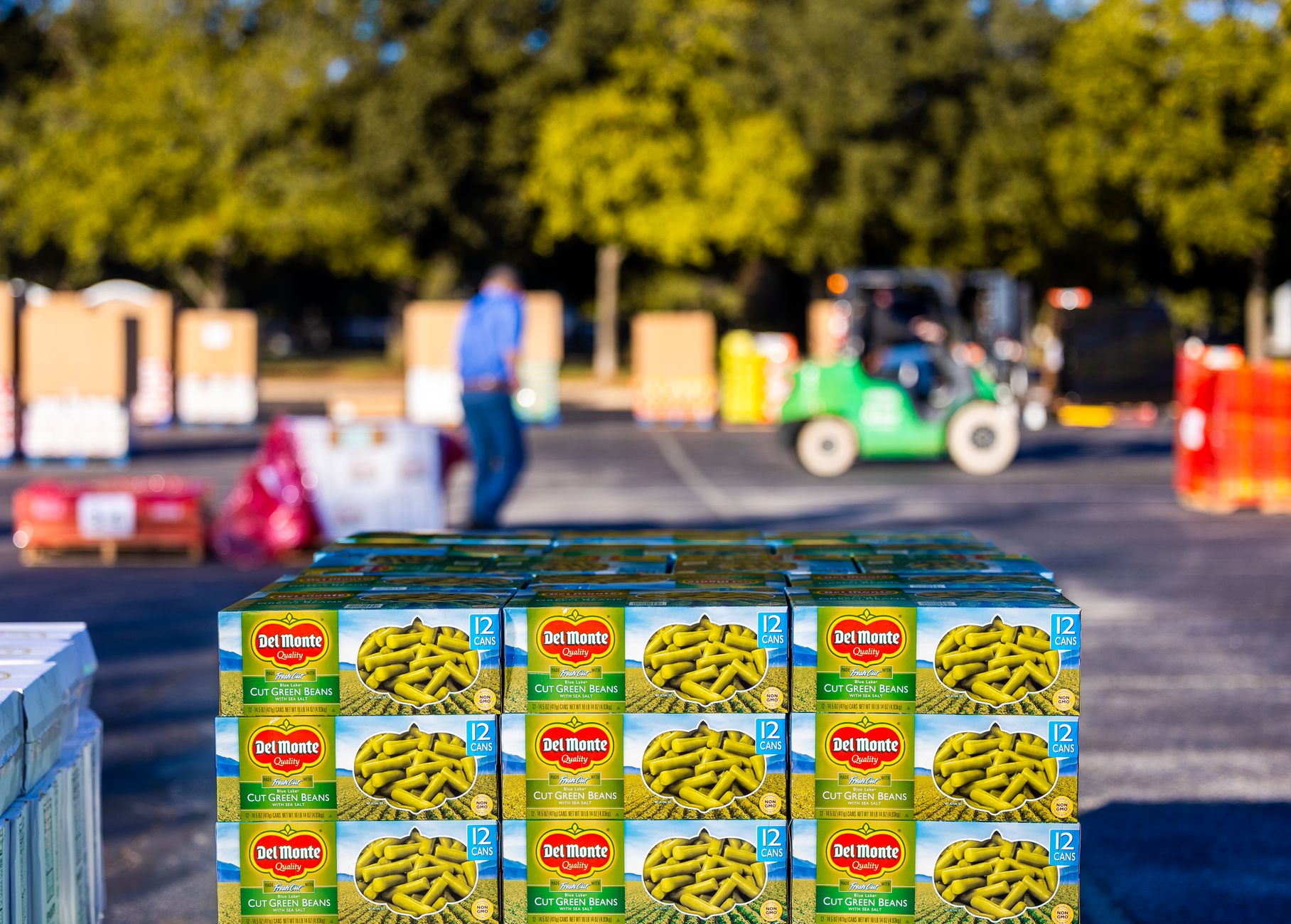
The benefits show up in four places: steadier timing, less manual lifting, a clean movement record and fewer stops when material is late. A peer-reviewed study of food-sector AMRs lists smoother material handling and minimized manual lifting among their main benefits, citing Sgarbossa et al. from 2022.
Vendor figures give a sense of scale, though they are not promises. One vendor reports up to 19% reduction in operating costs and 99.9% traceability on goods movement for a large baked goods project. Use those numbers as questions to put to a vendor about your own plant, and ask for the measured baseline behind them.
Traceability is the benefit plants feel during audits. Each move carries a time and a location, so the question of when a lot left storage has a recorded answer instead of a shift handoff note.
How does the robot work alongside existing staff?
The robot does not replace the crew. It takes the cart and pallet legs so your people spend their shifts on the line, on sanitation checks, on quality and on packaging changeovers. A plant that runs a fleet still needs a line lead to set the queue, operators to load and clear faults, and maintenance staff who know the floor.
The material handling and packing roles are where people notice the change first. Hand packers and material movers are the people most often asked to cover a short shift, and moving some of their daily carrying onto a fixed route is a change to plan with the crew, not around them. Staff who were carrying carts can take on station work, checks and fault response.
We train the people who will own the robot, including the operator who clears a stop and the lead who edits a route, so the plant is not dependent on one person. Training happens on your floor, on your routes, before go live.
What drives the savings, and how many hours are involved?
Savings come from three places: hours that stop going to walking and pushing, fewer stops when material is late, and less overtime for the crew who cover moves. One vendor reports that two AMRs at a furniture maker saved 9 hours of walking per day. That figure comes from a non-food plant and is vendor-reported, but it shows the scale of hours that fixed routes can return.
Your own range depends on route count, distance and how often the line waits. Count the legs per shift, estimate the walk time for each leg, and add the waiting time when material arrives late. That gives you a range for your plant, which is more useful than any average from another site.
We do not promise a savings number before the site is measured. The quote follows the free site assessment, where we map your routes and check the hours against your production schedule. The payment comes in the quote.
What can an autonomous mobile robot not do in a food plant?
A mobile robot moves carts and pallets along mapped routes. It does not pick mixed items from shelves, build a mixed load for a truck, or judge the quality of a product. It does not climb stairs, and it does not replace a forklift for high stacking or a crane for heavy equipment.
The building sets limits too. Floors need to be level and in good repair, doorways need enough width and clear thresholds, and wet processing or freezer areas may need a specific rated model and a cleaning plan. Elevators and automatic doors need an integration plan before a route can use them.
Routes that change every week need a change process. If your material flow shifts often and nobody keeps the route map current, the robot will sit idle more than the plan assumed. A fleet is not a shortcut around a weak layout.
How do we get started with autonomous mobile robots for food processing plants?
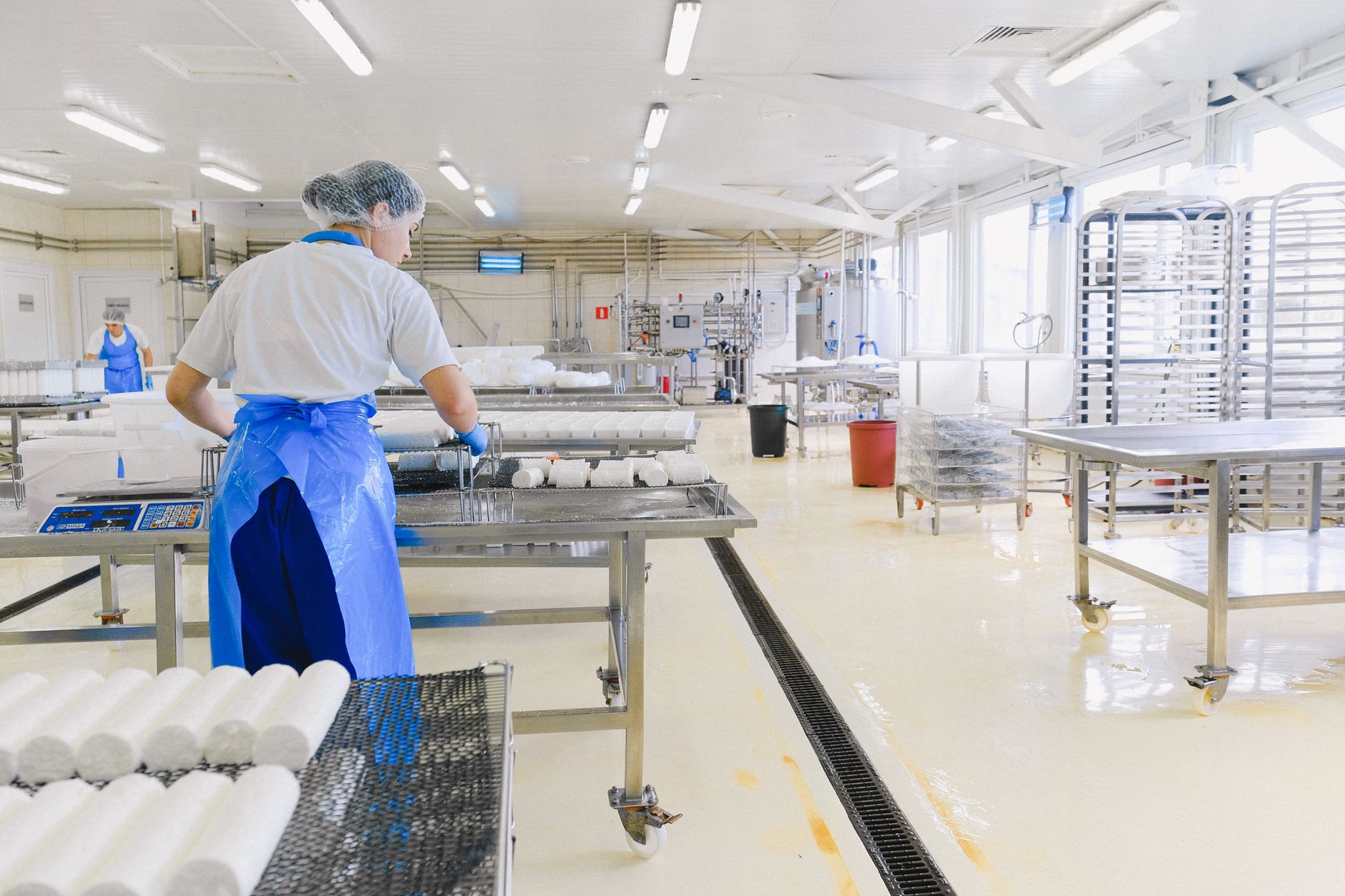
Start with a free site assessment. We walk the plant, list the fixed routes, note doors, floor conditions and sanitation zones, and map the travel. You get a recommendation on the robot type and the number of units that fits the flow.
We lease the robot through financing, so the plant does not have to tie up its own capital, and the payment comes in the quote after the assessment. Deployment and integration come next, with staff training and go live support, and we service the robot nationwide.
A pilot on one route is the lowest risk first step. It proves the map, the staff routine and the hours before you extend the fleet to a second line. Ask for a live pilot and the route data it produced before you commit to a plan.
Frequently asked questions
Sources
- U.S. Bureau of Labor Statistics, Economics Daily: food and beverage manufacturing outlook
- U.S. Bureau of Labor Statistics, Occupational Outlook Handbook: hand laborers and material movers
- U.S. Bureau of Labor Statistics, Occupational Outlook Handbook: meat, poultry and fish processing
- U.S. Bureau of Labor Statistics, occupational employment and wages, Kansas City (May 2025)
- Vendor case page, food and beverage AMR projects
- Vendor blog, consumer goods AMR workflows
- Peer-reviewed ScienceDirect paper on food-sector AMRs
- ScienceDirect research paper on an AGV and cobot at a tea-packaging line