
Key takeaways
- Parts and tools are carried by hand across large depot floors, and fixed routes between stores and bays suit a robot.
- In a 2022 APTA survey, 96% of agencies reported a workforce shortage, which squeezes the people who make parts trips.
- US public transit agencies operate over 65,000 heavy-duty transit buses, so the parts workload is large.
- Published evidence of parts robots working inside a US transit bus depot is thin, so a site assessment comes first.
- The robot works alongside mechanics and parts staff, and it does not replace them.
How can autonomous mobile robots help a transit maintenance depot?
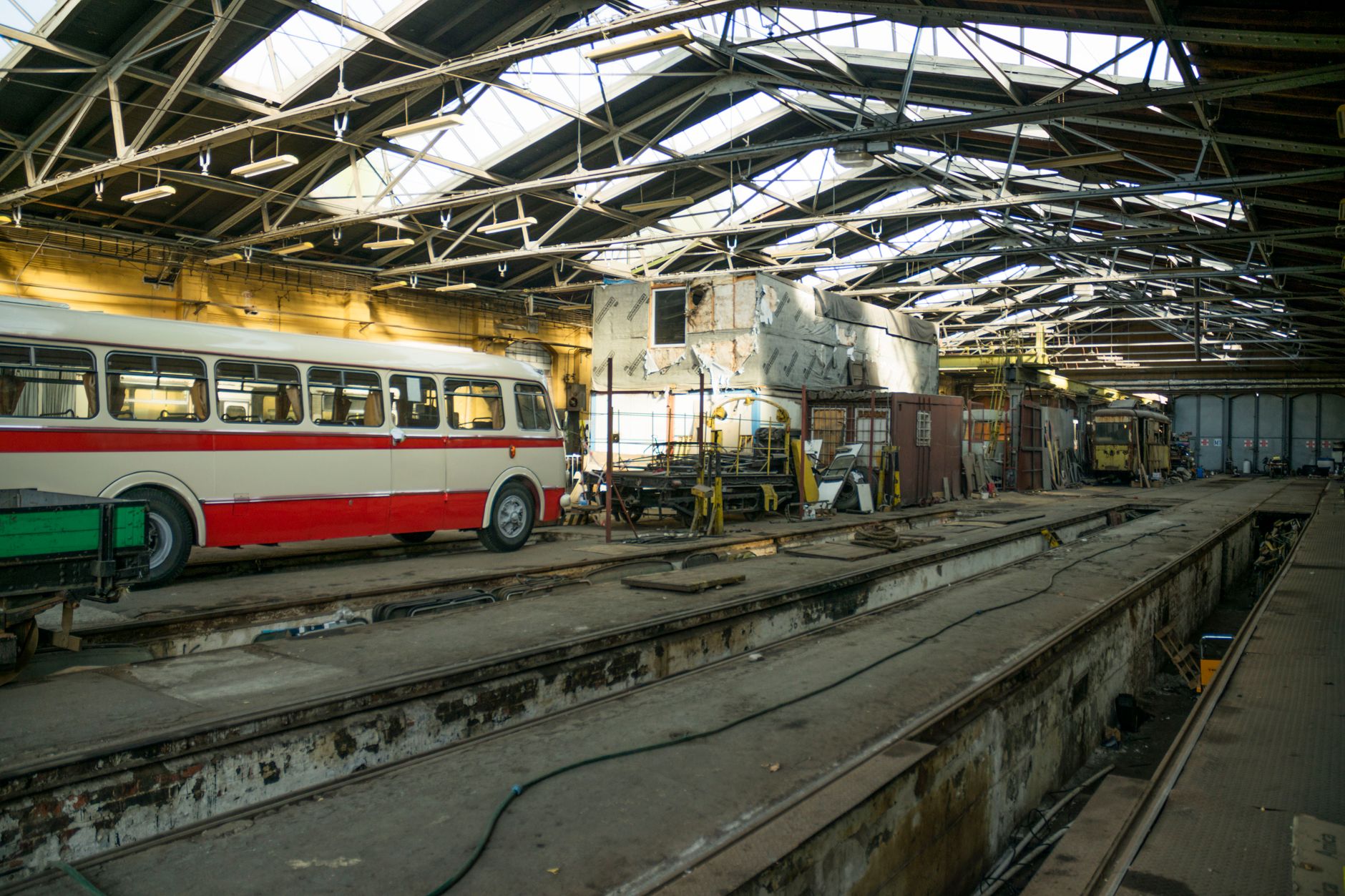
Autonomous mobile robots for transit maintenance depots take over the repeated trips that keep mechanics waiting. A depot keeps parts and tools in a store, and nearly every repair needs something carried from that store to a bay, often across a long and busy floor. A robot that follows fixed routes between the parts store and the bays can make those trips without a person pushing a cart.
The main benefit is time at the bay. Technicians lose part of each shift walking to fetch a filter, a sensor or a torque wrench, and that walking happens on a floor where buses, lifts and other crews are moving too. Moving those trips to a robot keeps technicians on the vehicle in front of them, which matters most when the crew is already short.
We are a commercial robot integrator, so we start with the floor rather than the robot. We pick the right unit for the site, lease it through financing, deploy and integrate it, train the staff and service it nationwide. The goal is a set of fixed routes that fit how your depot already runs.
Where does parts handling eat into the shift today?
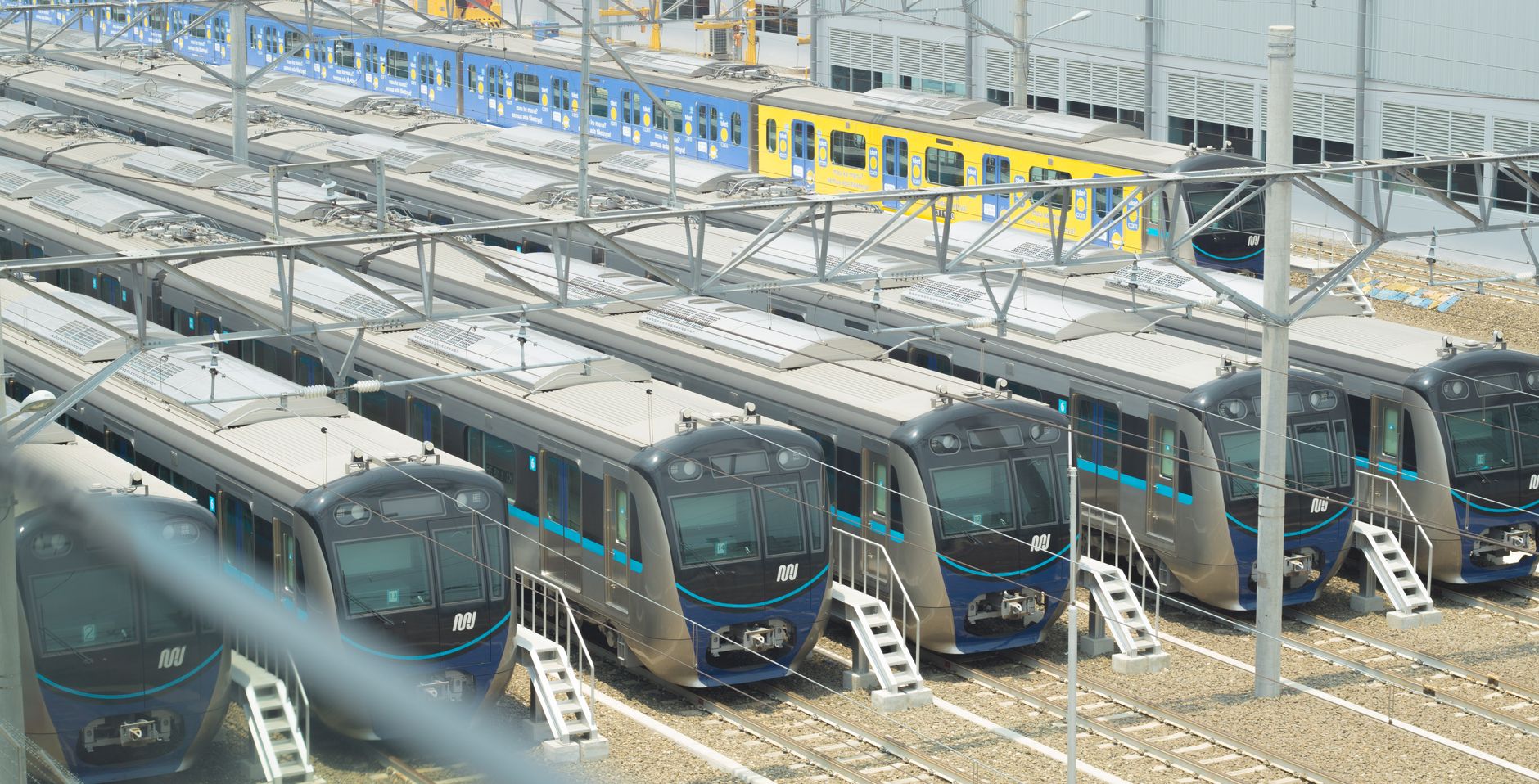
The scale explains why depots feel this so sharply. According to APTA's 2025 Public Transportation Vehicle Database, 155 public transit agencies were covered, with 135 operating bus modes and 37 operating rail modes, and some operating both. The 2024 edition covered about 158 US and six Canadian agencies, so the population of depots like yours is large and fairly stable.
Bus fleets carry most of the weight. According to an economic analysis reported by Smart Cities Dive, US public transit agencies operate over 65,000 heavy-duty transit buses. About 21% of that bus fleet, some 13,700 buses, is more than 12 years old.
Older buses need more parts and more visits to the bays, and each visit usually starts with a parts trip. A depot serving a large fleet is busy from the first shift to the last, and that is the ground where fixed route robots earn their place.
Why does the labor gap make the parts problem worse?
A short crew is the other half of the problem. In a 2022 survey, APTA found that 96% of agencies surveyed reported a workforce shortage, and 84% of those said the shortage affects their ability to provide service. Those figures are from the 2022 survey year, so read them as the baseline the sector has worked from, not as today's count.
Maintenance is the hardest part to staff. According to a TransitCenter report covered by Governing, agencies expect thousands of mechanic vacancies over the next decade, mostly from retirements. A Maryland MDOT MTA study found that maintenance vacancies are especially acute because maintenance must cover facilities around the clock.
When a shop runs short-handed, the parts run is often the first task to slip. A robot does not close that gap by itself. It returns some of the walking time to the people still on the floor, and that is a practical reason to look at it now.
Which areas of the depot would the robot serve?
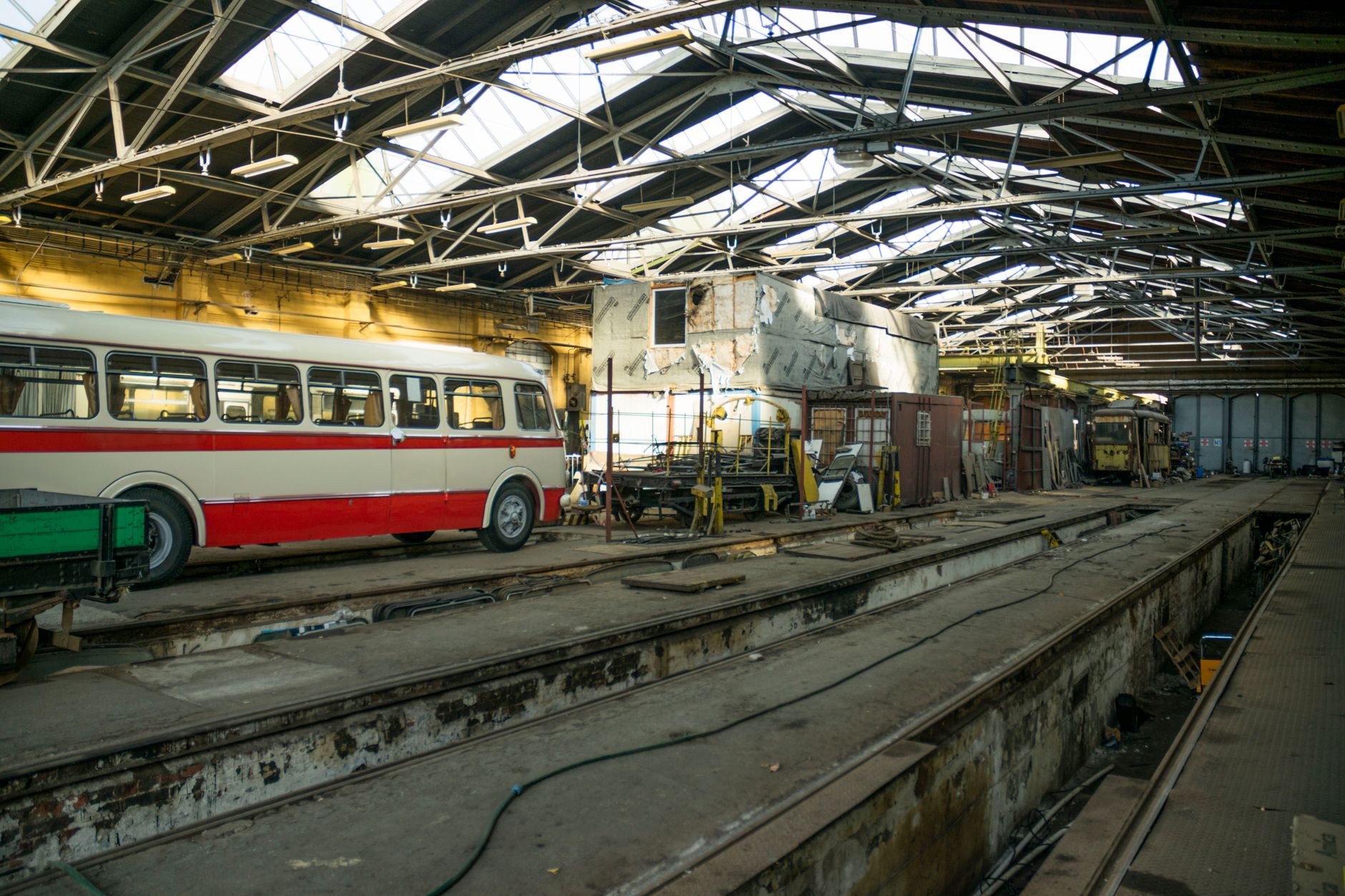
Most of the value sits on the loop between the parts store and the bays. The exact map depends on your floor, but the areas below are where a robot fits well, and the areas it should leave alone are just as important to define.
The robot works on clear floor between stores, staging areas and work bays. Pits, lifts and tight bays stay with the crew, and the site assessment decides which aisles are mapped and which are left alone.
How does the robot run day to day?
A robot of this kind runs fixed routes that are set during deployment. A technician or parts clerk requests a delivery from a station or a queue, the robot picks up a loaded bin, travels its route and stops at the bay. Once the bin is unloaded, the robot heads back to the store or to its charger until the next call.
Routing is where most of the early work goes. The first weeks set the route map, the stop points, the speed in shared aisles and what happens when a path is blocked. Expect the first routes to be tuned, because the floor on a plan is never quite the floor on a busy afternoon.
Outdoor testing gives a sense of payload. According to IMechE news, a sidewalk delivery robot pilot was set up to carry spare parts and materials to maintenance job sites, up to 35 kg per trip. That pilot ran outdoors and was not a depot, so it shows what a payload can look like, not what a depot run will be.
How does the work change beside existing staff?
The robot does not replace a mechanic, a parts clerk or a shop lead. It takes over the repeated carrying, so people spend their time on diagnosis, repair, inspection and the decisions that need a person. The realistic model is a robot working alongside a team, never a depot with no staff at all.
Plan the roles before go-live. Name who loads the bins, who requests runs, who clears a blocked route and who calls for service. Those jobs are small, but each one needs an owner, or the robot sits idle while the crew assumes someone else is handling it.
What drives the savings in hours?
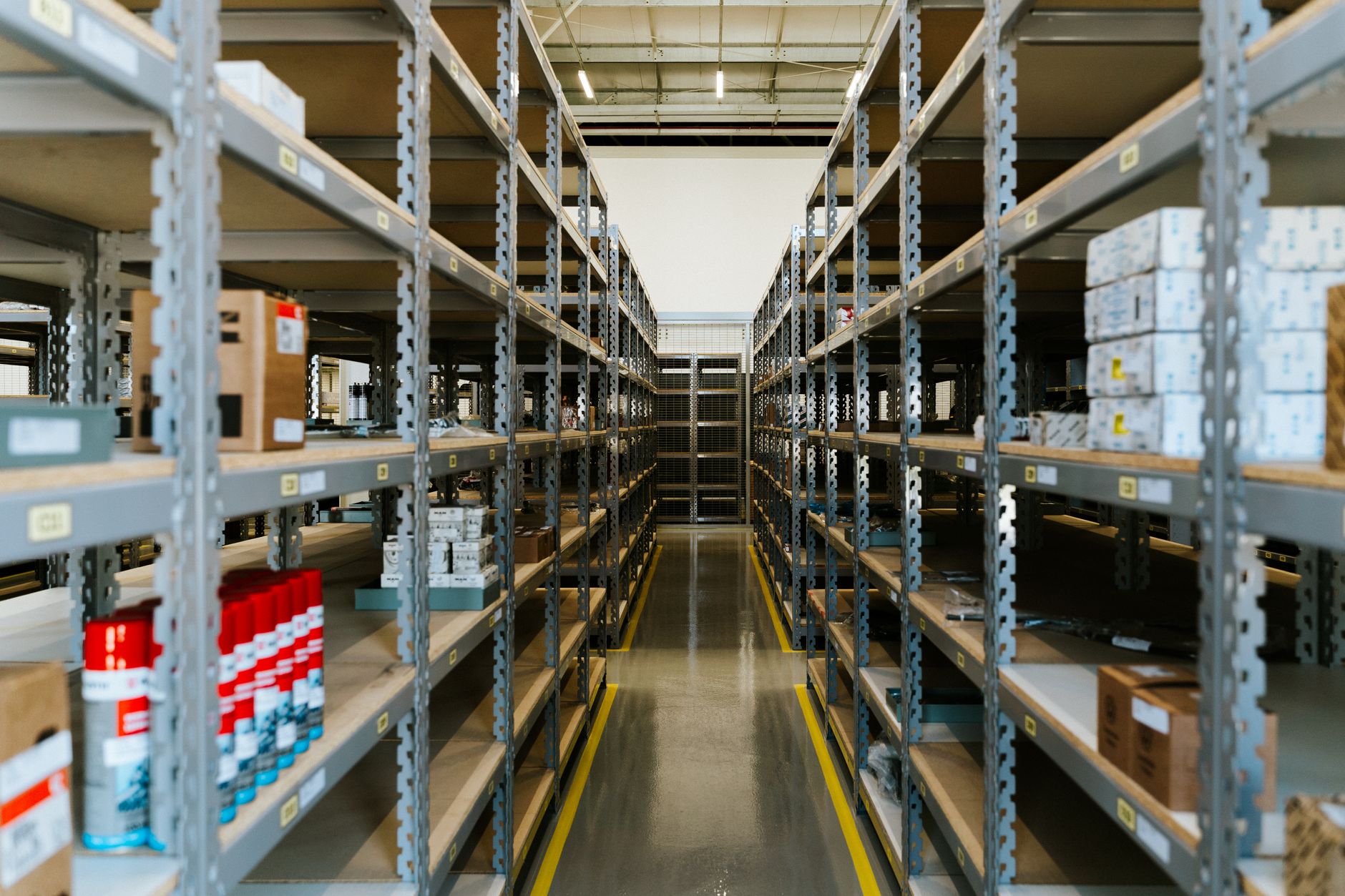
The savings come from hours, and the hours come from walking that no longer happens. Each run that keeps a mechanic from walking to the store saves the walk, the search for the part and the walk back to the bay, and those minutes add up over a shift.
A depot software vendor reports 35 minutes saved per bus per day in moving buses between wash, charge, maintenance and parking, according to BusWorld Europe. That is the vendor's own claim and has not been independently verified, and it covers bus movement rather than parts, so treat it as a question to ask, not an estimate for your depot.
Your own counts will tell the real story. Count the parts trips per shift, time how long each one takes on the floor, and note the runs that hold up a repair while a second person is found. Those counts set the hours the robot could return to your crew.
What can the robot not do?
A parts robot does not diagnose faults, lift vehicles, remove a wheel or pick a part from a high rack by itself. It moves loaded bins along a route. Anything that needs hands, judgment or a lift stays with your crew.
Public evidence for this use inside a transit bus depot is thin. We found no source describing an autonomous mobile robot moving parts inside a US transit bus depot. That is why a pilot on one route, with a clear measure of success, is a better first step than a full floor deployment.
Floor conditions also matter. Oil, water tracked in from outside, uneven concrete and crowded aisles all affect a route, so the site assessment checks them before anything is leased.
How do you get started?
Start with a free site assessment. We map the floor, walk the parts routes with your crew and flag where the robot should and should not go. Then we pick the unit that fits the floor and the loads, and we send a quote.
Robots are leased through financing, and the payment comes in the quote after the site assessment. Ask what the lease term covers, whether maintenance is included, how a unit that needs repair is handled and what happens to the route if a bay changes. Get those answers in writing before you sign.
A pilot on one route is the usual way in. It lets your crew learn the routing, measure the trips it takes over and decide on a wider rollout based on real counts rather than promises.
Frequently asked questions
Want a warehouse robot at your transit maintenance depot?
Tell us about your site. We will recommend the robot, quote the lease, and keep it serviced.
Sources
- APTA 2025 Public Transportation Vehicle Database
- Mass Transit: APTA 2024 Public Transportation Vehicle Database release
- Smart Cities Dive: transit bus industry data (Oxford Economics)
- APTA Transit Workforce Shortage Summary
- Governing: transit agencies must replace most maintenance workers this decade
- Maryland MDOT MTA maintenance workforce study (2022)
- IMechE news: delivery bot beats traffic to reach technicians
- BusWorld Europe: SmartDEPOT busy depots