
Key takeaways
- Spool moves between fixed stations are heavy, repetitive and a good fit for autonomous mobile robots.
- Vendor case studies at manufacturing plants report large walking and carrying hours, which sets the scale to test.
- No published deployment at a wire and cable plant was found, so a site assessment should prove the first route.
- Savings come from staff hours freed from carrying, and the team stays on the floor.
- The lease is quoted after a free site assessment, and the payment comes in that quote.
Can autonomous mobile robots for wire and cable plants take over spool moves?
Yes, for the part of the job that is heavy, repetitive and fixed in route. Autonomous mobile robots for wire and cable plants fit best where empty and filled spools move between the same stations many times each shift, such as from a storage or payoff area to a drawing, stranding or winding line, and back again. The robot does not replace the operators who load a machine, set tension and run the line. It takes over the walking and hand carrying between stations.
The search behind this page found no published vendor case study of autonomous mobile robots moving spools at a wire and cable plant. The closest reference is a patent document from the U.S. Patent and Trademark Office describing a wire-guided or radio-controlled robot that moved empty and filled spools between winding machines and magazines. It is a design reference only, with no deployment data. The figures later on this page therefore come from manufacturing plants that move other heavy material, and each one is labeled as such.
The practical test is simple: the routes must be fixed enough to automate and busy enough to matter. A free site assessment answers both by mapping the floor, timing the moves and checking the aisles, and the lease is quoted after that visit.
What does spool handling look like at a wire and cable plant today?
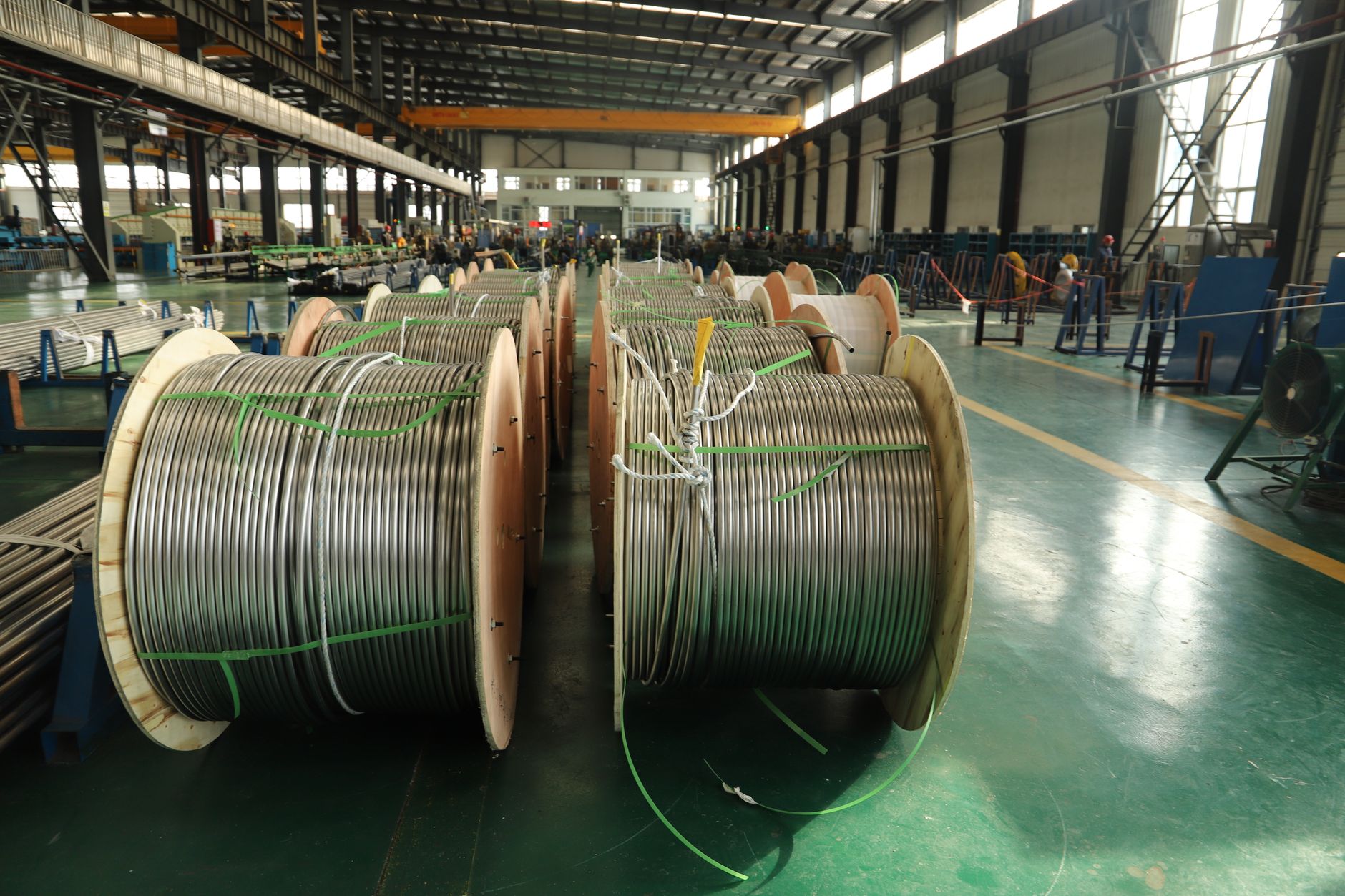
Spool handling is one of the most physical jobs on a cable floor. Operators move reels between receiving, storage and the production machines, then stage the empties back at the start of the line. The load changes with wire gauge and spool size, so the same route can be a light run one hour and a hard lift the next. Because the moves repeat all shift, the strain adds up even when no single trip looks heavy.
The national injury picture points the same way. According to NIOSH, citing Bureau of Labor Statistics data from 2014, musculoskeletal injuries, also called overexertion injuries, were approximately 30 percent of occupational injuries that resulted in time away from work. OSHA's 1999 proposed ergonomics standard, published in the Federal Register, said work-related musculoskeletal disorders accounted for one-third of all occupational injuries and illnesses reported to the Bureau of Labor Statistics. Both figures are dated, but they describe the repetitive manual handling that spool moves involve.
Staffing is the other pressure. According to the U.S. Bureau of Labor Statistics, material moving machine operators held about 867,700 jobs in 2024, and employment in the occupation is projected to grow about 1 percent from 2024 to 2034, which is below the average for all occupations. With growth that slow, a gap in the shift is likely to fall on the team already on the floor. Most of these operators are trained on the job, usually in less than a month, so training is short, but the hours of carrying still have to be covered by someone.
What are the main benefits for a cable plant?
The first benefit is fewer hours of hand transport. A vendor case study at a manufacturing plant reports about 60 labor hours saved each week, and it says the deployment redeployed 1.5 material handling roles. Those are vendor figures from another kind of plant, so read them as a sign of scale, not as a forecast for your floor.
The second benefit is fewer strained trips. Carrying heavy spools is the kind of manual handling behind the injury figures above. A vendor case study at a large manufacturing site reports fewer push and pull injuries and fewer crane moves after automating its material moves.
The third benefit is steadier flow. A robot follows the same route, at the same pace, on every shift, so a spool is staged when the line needs it rather than when someone is free. That helps the line run to schedule, and it makes walking time visible in a way that shift rosters rarely do.
How does the robot work there day to day?

The robot runs fixed routes between stations, on a schedule tied to the line, and it answers calls from a station when a spool runs low. Operators load and unload spools at each station, because threading and tension are the operator's work at the machine. The robot is designed to stop or slow when a person is in its path, and it returns to a charging point between runs.
Each route is set during the site assessment. We walk the aisles, time the moves, check the floor and note doorways, elevator access and the places where forklifts already cross the path. The route is tested before the robot runs on its own, and staff watch the first runs closely.
After go live, the work is routine. An operator calls for a spool at the station. A supervisor reviews the queue at the start of each shift. Our service team handles faults remotely first, and dispatches on site only when a repair needs hands on the unit.
Which areas of the plant does the robot work in?
A cable plant has several distinct areas between receiving and shipping, and the robot works in the ones where spools move between fixed points. The six areas below are the usual starting set, and each one has its own floor, traffic and handoff conditions. The site assessment decides which two or three routes go first, so the start stays small and easy to check.
Areas with one-off work, such as an unusual maintenance job or a special order that needs hand handling, usually stay with staff. The robot earns its place in the areas with the most repeated carrying, where the same route is walked many times each shift.
How does the robot work alongside existing staff?
The robot never works a plant without people. Operators stay on the machines, supervisors stay on the schedule, and maintenance staff stay on the line. The robot takes the walking and carrying between stations, so the team spends its shift on setup, threading, quality checks and fixes.
The change is in how the shift is spent, not in how many people are on the floor. Staff learn to call the robot, load a spool to the station standard, clear a blocked path and report a fault. Our team trains them on site during go live support and stays on the phone during the first shifts.
Staff sometimes worry that the robot will take their jobs. In practice, the time freed is the time spent on the moves that most people find tiring, and it goes to tasks that need a person's judgment, such as checking a spool before it reaches the machine.
What drives the savings in hours and labor?
The savings come from the hours of carrying and walking that staff no longer do, not from a smaller team. The published figures are vendor figures from manufacturing plants, so we give them as reported and sourced, not as a promise for your floor. One vendor case study reports about 60 labor hours saved each week, and another reports an estimated 4,000 labor hours saved per year.
Other vendor case studies show how much time goes to walking. One reports that operators walked more than 8 hours per day to move material, and that 52 percent of daily material movement trips were done manually before automation. Another reports that operators spent an average of nine hours per day walking materials across the facility, and that the robots automated more than nine hours of that walking per day.
Where the savings show up depends on your labor mix, your shift pattern and how many hours the line spends waiting for a spool. The site assessment measures the baseline hours on your floor, and that measurement, not another plant's number, should size the benefit. No published wire and cable deployment was found, so every figure here is a reference point, not a result.
What can the robot not do?
It does not do the skilled work at the machine. It cannot thread a wire, set tension, read a fault on a line or decide when a line should stop. Those tasks stay with staff, and the robot's job is to bring the material to them.
It needs a clear path. Blocked aisles, pallets left in the route, floor damage or a changed layout will stop runs, so the plant needs a rule for keeping routes clear. A layout change means the route is remapped before the robot runs on the new floor.
It depends on what the station can present. If a station cannot hold a spool in the agreed position, the handoff fails, and the fix is usually at the station. Heavy or unusual spools need a check during the site assessment, and a handoff fixture may be part of the plan. We do not promise a fixed number of hours or a fixed level of uptime.
How do you get started?
Getting autonomous mobile robots for wire and cable plants running starts with a free site assessment. We map the floor, time the spool moves, check aisles, doors and elevator access, and identify the first one or two routes. You get a written plan that shows where the robot would run and what each station handoff requires.
The lease is quoted after that visit. We offer robot lease options through lease financing programs, and the payment comes in the quote, based on the routes and equipment the assessment recommends. We are a US commercial robot integrator. We pick the robot for the site, lease it, deploy and integrate it, train your staff and service it nationwide.
Many plants begin with one leased unit on one route, then add routes once the team has run it for a few weeks. A backup arrangement can keep a route moving while a unit is in service, and we can cover it in the quote. Starting small also lets your team settle the station handoffs before the rest of the floor changes.
Frequently asked questions
Want a warehouse robot at your wire and cable plant?
Tell us about your site. We will recommend the robot, quote the lease, and keep it serviced.
Sources
- U.S. Bureau of Labor Statistics, Occupational Outlook Handbook
- NIOSH, citing Bureau of Labor Statistics data (2014)
- OSHA proposed ergonomics standard, Federal Register (1999)
- Vendor case study, manufacturing plant, labor hours
- Vendor case study, manufacturing plant, material trips
- Vendor case study, large manufacturing site, injuries and crane moves
- Vendor blog, furniture manufacturer, walking time
- U.S. Patent and Trademark Office, patent document