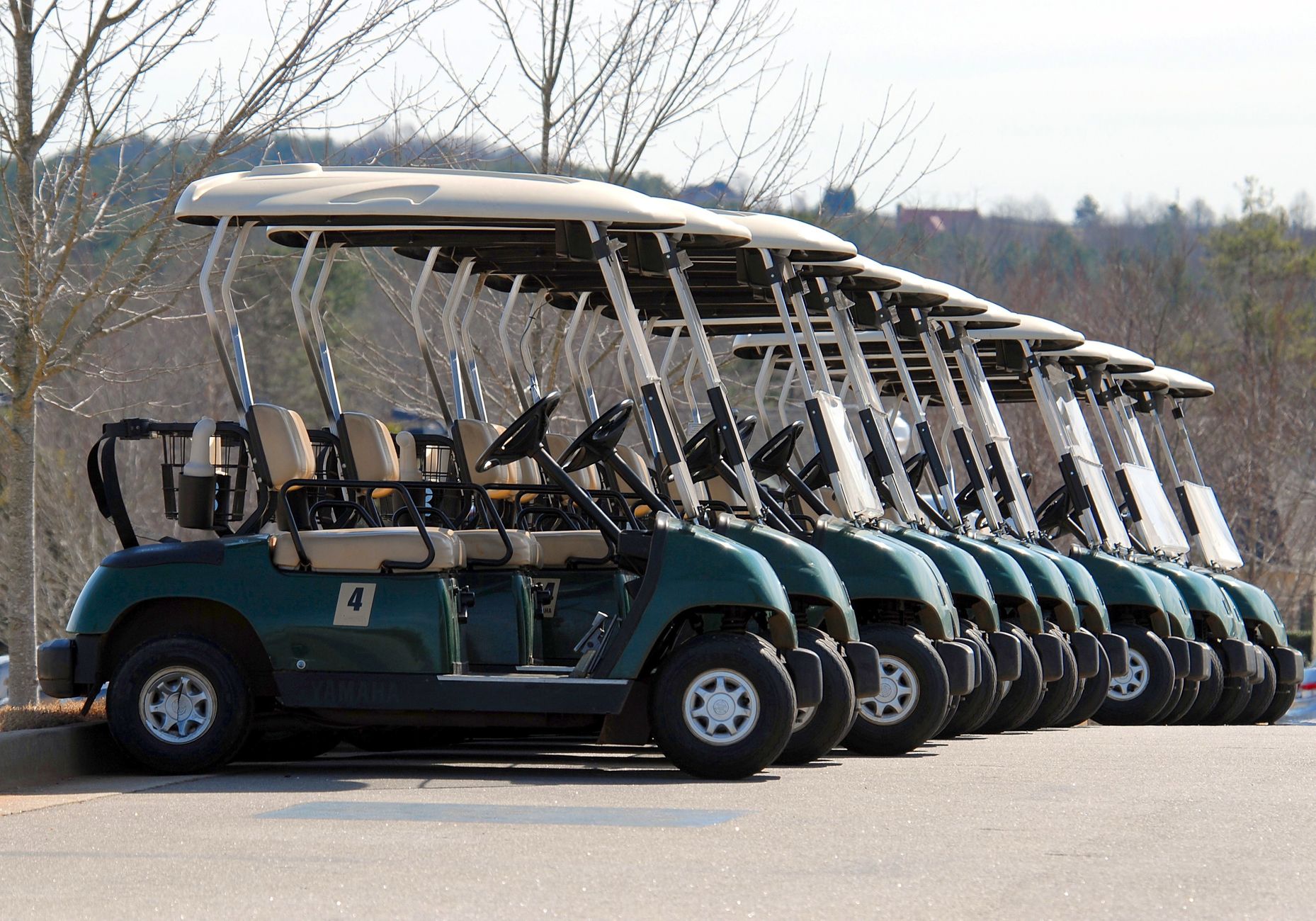
Key takeaways
- Autonomous scrubbers cover repeatable hard-floor loops while staff handle restrooms and member touch points.
- Mapped pre-dawn routes clear grit from entries, locker corridors, and pro shop aisles before the starter sheet prints.
- Leasing through financing follows a free site assessment and training for one clubhouse lead.
- Robots recover predictable scrubbing hours; they do not replace carpet care, glass, or banquet resets.
How do cleaning robots help golf course clubhouses before the first tee time?
Cleaning robots for golf course clubhouses tackle wide hard-floor routes that collect cleat grit, cart moisture, and locker room traffic while your agronomy team is already on greens, bunkers, and tee setup. According to the National Golf Foundation, the United States had 15,962 golf courses at 13,952 facilities in its 2025 supply update, which means thousands of clubhouses share the same morning rush.
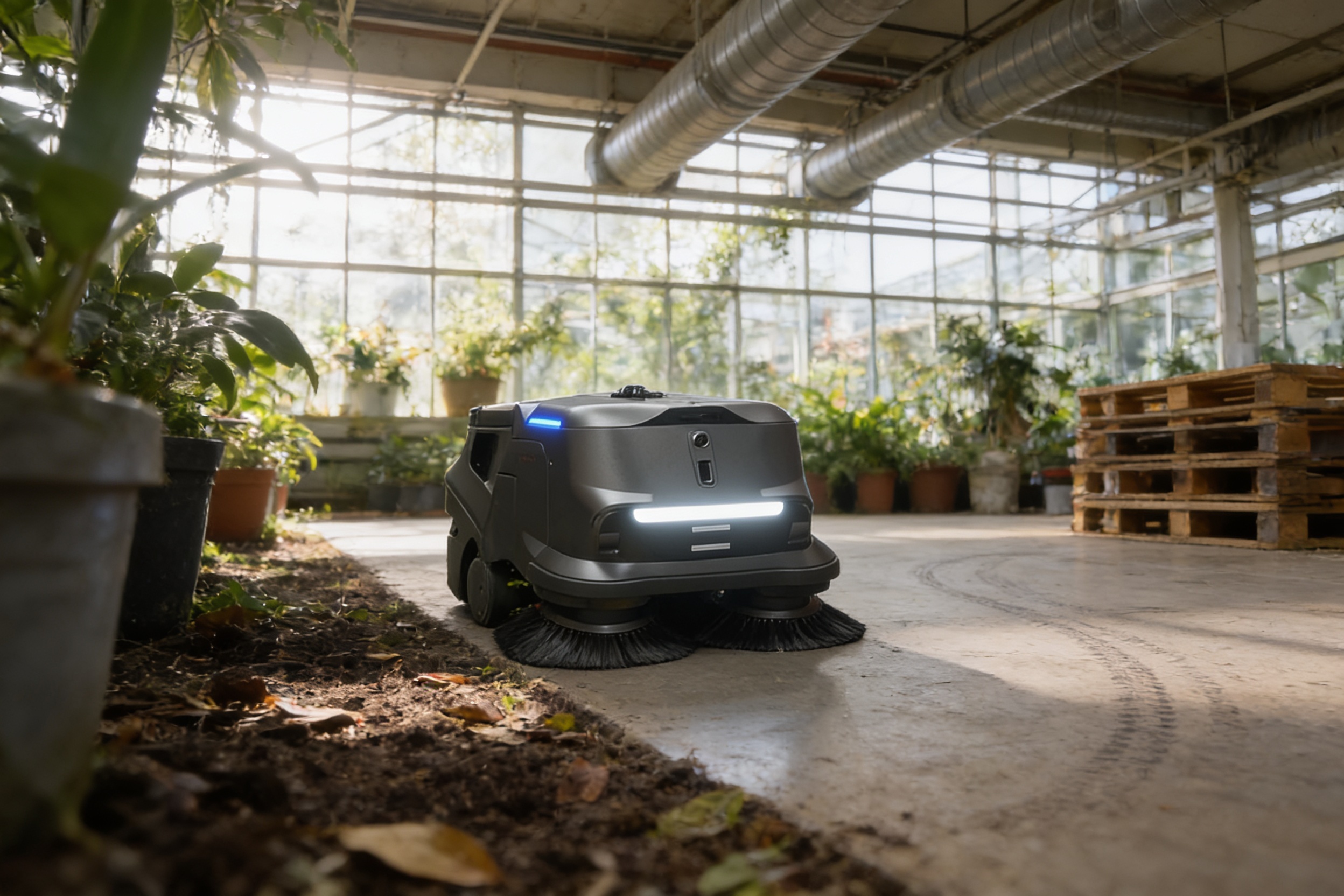
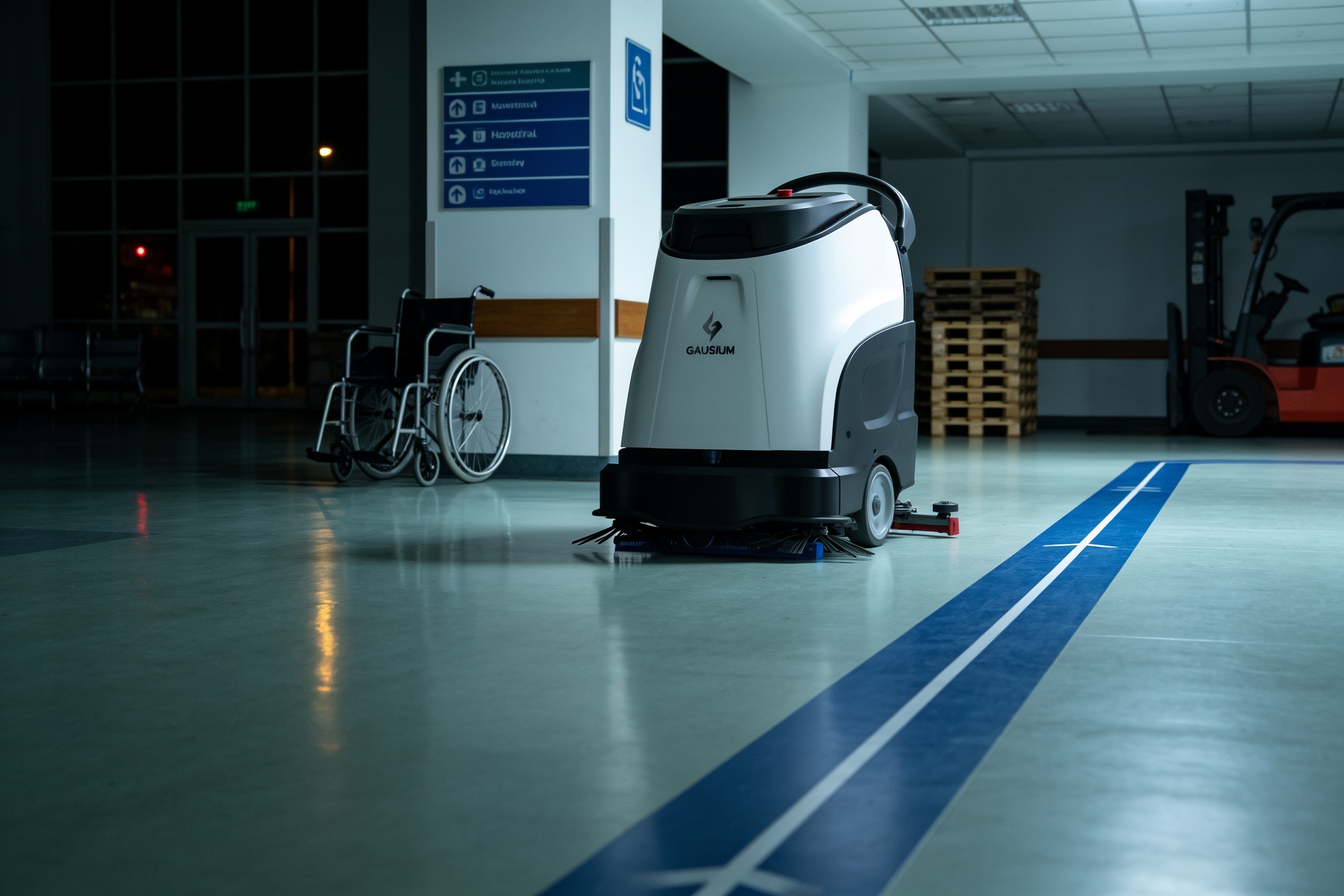
A floor cleaning robot follows a mapped path through corridors, locker anterooms, and pro shop aisles, then returns to charge. Staff still own restrooms, glass, merchandise dusting, and member greetings. The robot removes the repetitive scrubbing pass so one person can supervise the machine and handle touch points.
The USGA notes that nearly 73 percent of U.S. courses are open to the public, so many clubhouses see thin overnight crews even on days when the tee sheet is full. Automation targets the predictable loops that would otherwise wait until someone free from turf work can grab a mop.
What makes clubhouse floors hard to keep clean with a thin overnight crew?
Clubhouse footprints add up quickly on daily-fee and member properties. Industry planning references often describe roughly 8,000 to 12,000 square feet of finished interior space on a typical 18 hole public layout, which is mostly circulation tile and sealed concrete to reset before sunrise.
The Golf Course Superintendents Association of America reported in its 2025 Capital Budget and Labor Survey that 34 percent of superintendents still rate the general maintenance labor market as bad or very bad, an improvement from 63 percent in 2022 but still a pinch for anyone asked to mop after a busy grill night.
According to the U.S. Bureau of Labor Statistics, employers reported about 2,432,600 janitor and building cleaner jobs nationwide in 2025, with about 321,800 projected openings per year through 2035. Competition for night cleaning talent stays tight even when course maintenance hiring eases slightly.
GCSAA also notes that 92 percent of superintendents run only one maintenance shift per day for course work, which leaves clubhouse cleaning competing for the same people who just finished a long afternoon on turf.
Older GCSAA labor research found that 74 percent of superintendents described hiring maintenance staff as difficult or very difficult, and 74 percent pointed to crew member roles as the hardest to retain. That context matters when you ask the same pool to reset a large building before dawn.
Salt and sand near winter entries can scratch sealed tile if you only dry mop. A scrubber run after a dry sweep keeps grit from grinding into locker corridors before spring leagues start.
Which clubhouse areas suit an autonomous scrubber?
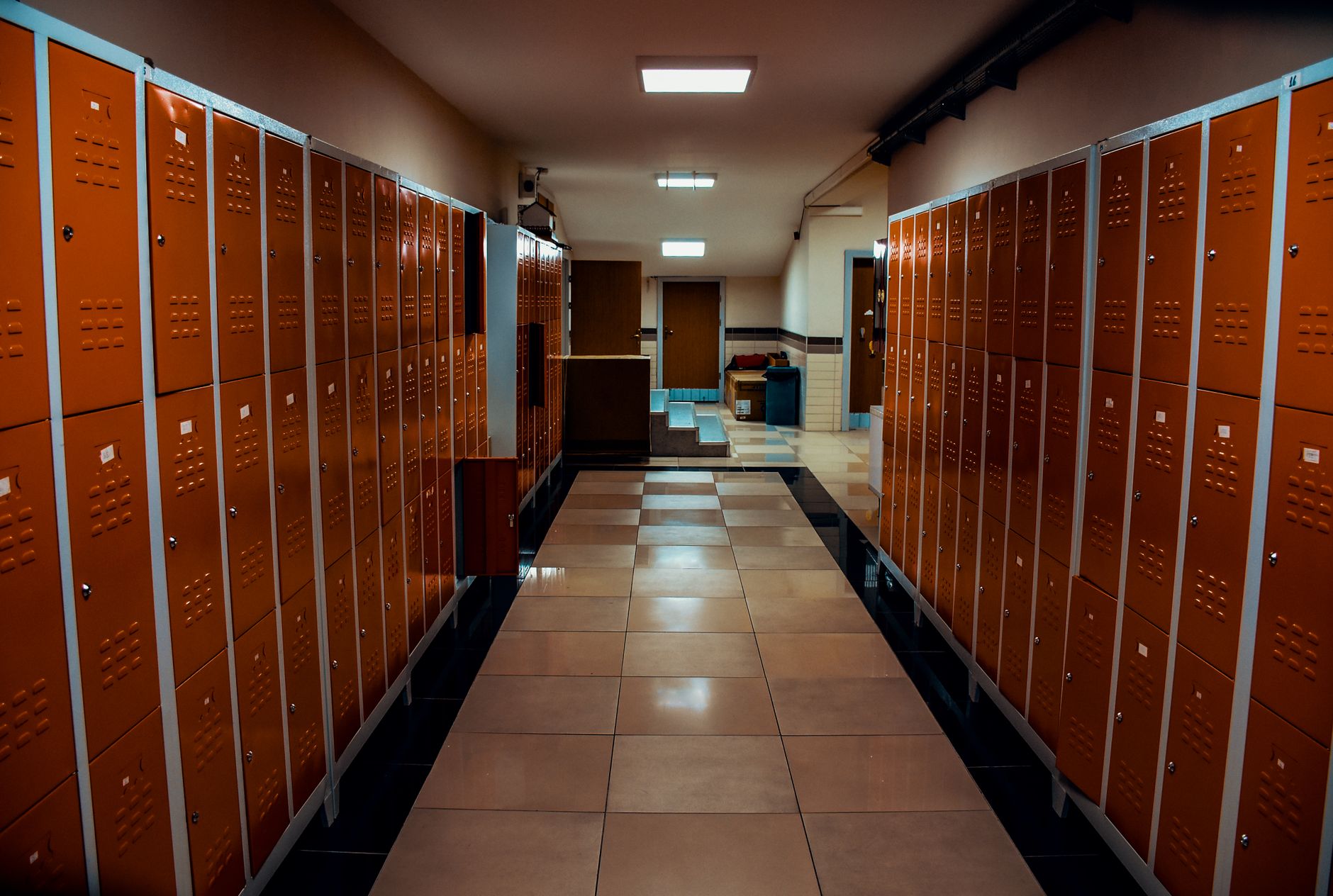
Think about hard, open routes with few obstacles: main entries, locker corridors, pro shop aisles, cart barn vestibules, and banquet pre-function halls. A mapped machine learns door swings, floor drains, and charging placement once, then repeats the same path on schedule.
Stay-out zones should cover carpeted member lounges, cluttered retail displays, and any kitchen galley unless your integrator confirms a specific machine rating for that zone. Document each exclusion during walkthrough so new seasonal staff do not move barriers mid-run.
Service Robot Co. maps those boundaries during a free site assessment before quoting a lease through financing. Phased rollout can begin on the busiest corridor before you expand to the whole footprint.
What does a typical pre-opening cleaning day look like with a robot plus staff?
Most properties run the scrubber after the grill closes or in the quiet hours before the starter arrives. One trained employee starts the mapped route, checks squeegees, and logs completion while another handles restrooms and locker benches.
When league night runs late, you pause the route exactly as you would call off a manual crew. The machine does not replace the person who restocks towels or wipes fitness equipment.
Tournament weeks add banquet resets and extra cart traffic. Note furniture moves on the map after each event so the robot does not snag chair legs left in an aisle. A short log book next to the charger helps the morning manager see which loops finished overnight.
How do robots work alongside existing janitorial or clubhouse staff?
The goal is a smaller skilled team, not zero staff. GCSAA labor research shows crew member and equipment operator roles remain the hardest maintenance jobs to fill, which is why managers protect people for detail work instead of long mop shifts.
Assign one clubhouse lead to own the robot checklist: debris pickup, pad condition, and reporting missed corners. Everyone else keeps member service tasks that require judgment.
According to the U.S. Bureau of Labor Statistics occupational outlook, janitor employment is projected to grow about 2 percent from 2025 to 2035, slower than average, so automating predictable floors is one way to keep presentation steady when a vacancy lingers.
If you already use a contract cleaner, treat the robot as a dedicated hard-floor specialist on your staff schedule. The vendor can still handle windows and deep carpet work while your lead runs the mapped scrubber on club nights.
Where do the hours actually come back?
Savings show up as recovered labor hours on predictable square footage, not as a promise to eliminate payroll. When a long hard-floor loop would have consumed most of a night shift with a walk-behind scrubber, an autonomous unit can repeat the same path while one person handles lockers and trash.
The National Golf Foundation reports that about 16,000 courses sit at roughly 14,000 facilities nationwide, and strong rounds since 2020 mean clubhouses see more foot traffic without a matching jump in overnight headcount.
Think in ranges: if two staff would split a four hour scrub on tile, one lead plus a robot might finish the same loop in parallel with restroom service. You redeploy the freed hour toward pro shop opening tasks or cart staging, not toward eliminating a role on day one.
What should managers not expect from a floor cleaning robot?

Robots will not dust merchandise, clean mirrors, or reset banquet furniture. They will not handle biohazard spills or member complaints.
They are not a substitute for carpet extraction in a locker room lounge. Plan those tasks on your human schedule and keep the robot on sealed hard flooring.
They also will not navigate a pro shop during retail hours without a closed aisle plan. Treat the unit like any other capital equipment with clear start and stop rules posted for rangers and front desk staff.
Match detergent choices to the floor sealer your contractor recommends, and review pad wear monthly so your integrator can adjust service intervals before a busy member guest week.
How do you get started with Service Robot Co.?
Start with a walkthrough that captures floor types, drains, door thresholds, and the hours the building is empty. We select a vendor neutral machine fit, lease it through financing, integrate charging, train your lead, and support the unit nationwide.
Your quote arrives after that assessment. We only lease through financing. Phased rollout can begin on the busiest corridor before you expand to the whole clubhouse footprint.
Bring your superintendent and clubhouse manager to the walkthrough so agronomy and member service priorities stay aligned. Note seasonal changes such as winter league schedules or summer junior camps that shift when floors are empty.
Why are more public facilities looking at automation now?
The National Golf Foundation tracks roughly 16,000 courses at 14,000 facilities nationwide, and the U.S. Golf Association cites that nearly three quarters of those courses welcome public play.
GCSAA budget surveys show superintendents continue to face hiring friction on maintenance crews even as play stays busy. Clubhouse automation is one way to protect member experience without stealing hours from agronomy priorities.
Facilities that host frequent outings also see banquet soil on pre-function tile. A robot gives you a second predictable scrub pass on those nights without calling turf staff back inside after they have already clocked out from irrigation checks.