
Key takeaways
- Cobots for forging shops work best on repeat handling at stations away from the hottest face.
- Skilled operators keep supervision, inspection and die work when the arm takes the transfers.
- Heat sets the gripper, the layout and the limits, so a site assessment comes first.
- Hours returned come from counting handling minutes on your own line, not from another shop's case.
- Start with one leased unit at one station, then get a quote after the assessment.
How can cobots help a forging shop?
Cobots for forging shops earn their place on repeat handling. A forging line moves blanks, hot forgings and trimmed parts between a furnace, a press, a trim station, a cooling area and an inspection bench, and every move is small but constant. When a skilled operator does those moves all shift, the hours come out of the work that needs experience: setting and checking dies, watching the press, and deciding when a part is out of spec.
A cobot is a collaborative robot arm built to work beside people. It can take over the repeat part loading and transfer tasks while the operator stays on the line to supervise, check parts and keep the process under control. The arm covers the repetitive motion, and the person covers the judgment.
Heat is what makes this harder than it looks. Forging is not a cool machine tending cell, so the value depends on where the arm stands, which gripper it carries, and which steps stay with people. The sections below cover both the gains and the limits.
What does a forging shop deal with today?
Forging is skilled, physical work, and the people who do it are hard to replace. According to the U.S. Bureau of Labor Statistics, about 9,170 people worked as forging machine setters, operators and tenders in May 2023. That is a small group nationally, so each experienced operator is hard to spare for handling work.
The wider industry has been shrinking too. According to a US market research report, employment in metal stamping and forging fell 5.5% on average over 2020 to 2025, and the number of businesses in that category was 1,518 in 2026, down 1.5% from 2025. Census data for iron and steel forging, NAICS 332111, counted 18,886 people employed in 2020.
An older census of North American forging operations, from 2009, counted 286 closed-die and 163 open-die forging capabilities. Those counts include companies with some capability in each method, so they are not a strict split, and the census notes that employee counts are imprecise. Treat them as a rough picture of the mix.
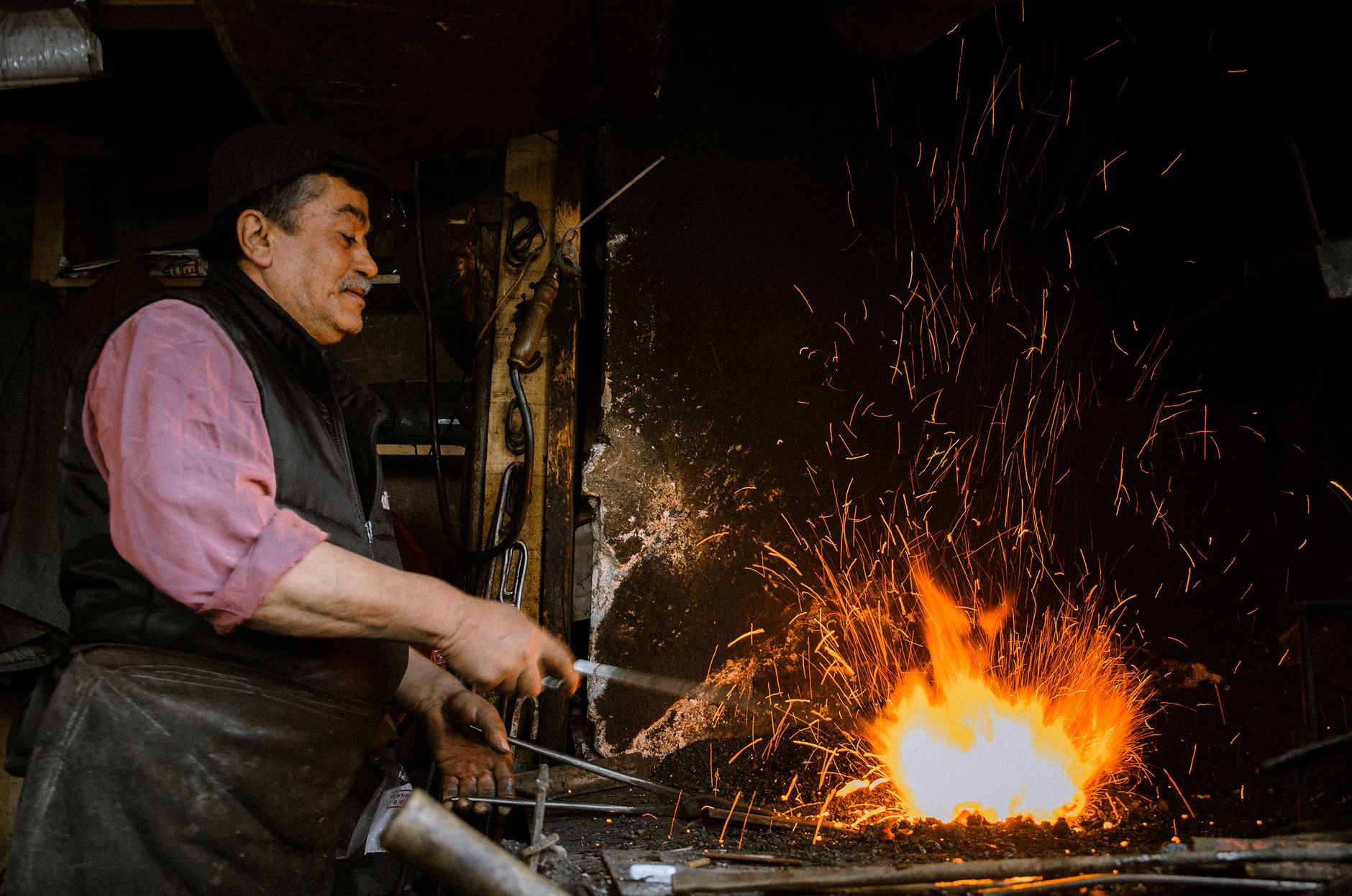
On a typical shift, the operator's day splits between hot work and handling. When the same person keeps loading, unloading and carrying parts between stations, the handling eats the time that should go to supervision and inspection. That split is the core problem a cobot can address, and it is why the handling is the place to start rather than the forging itself.
What are the main benefits?
The first benefit is where skilled people spend their time. A cobot that loads and transfers parts returns the walking, reaching and lifting to the operator, who can then watch the press, read the die and catch a drifting part before a batch goes wrong.
The second is safety. According to a vendor article on hot forging press tending, the main return is operator safety, because the operator leaves a hot, fume-laden zone. Fewer trips into that zone means fewer hands near hot parts and less time breathing smoke and heat.
The third is steadier handling. The arm repeats the same placement, dwell and transfer on each part. It does not replace the operator's judgment about a part that looks wrong, but it removes one source of variation, and it makes the same move every cycle, which helps the operator tell which station a problem came from.
How does the robot work there day to day?
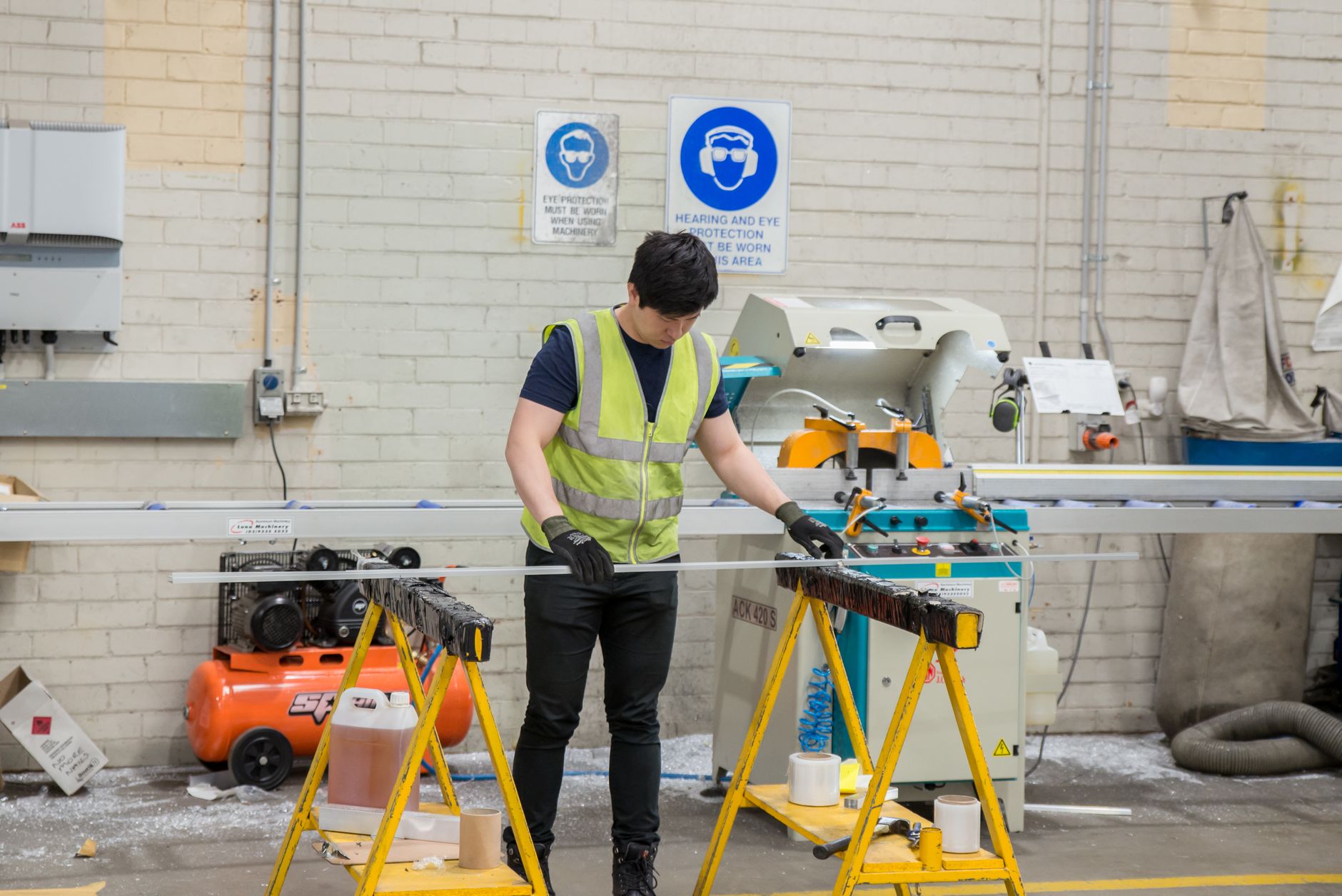
A typical station puts the arm beside the press or the trim line. An operator sets the first part and the station, the arm takes over the repeat transfer, and the operator checks parts at a fixed inspection point. Each cell is set for one part family, so a changeover means loading a new program and gripper rather than retraining the whole line.
The station layout matters more than the arm's specification. Reach, fixture height and the path to the next station decide whether the cycle stays steady. The arm does not make decisions. The operator sets the die, decides when a part is out of spec, and clears a jam, and between cycles the operator can see the whole station without leaving it.
Which areas of the shop does it work in?
Not every area of a forging shop suits a cobot. The cool and mid-temperature stations are the realistic places to start, and the face of the press needs careful planning. The zones shown after this section sketch where the work tends to sit.
Hot-face placement is the hard part. According to a gripper maker's case study at a mining-chain plant, not a forging line, water-cooled gripper fingers held red-hot pins for several seconds per cycle, and the operator reported more than three years of use. That shows hot handling can work in one process, but it does not prove a forging press cell.
Classic high-temperature forging grippers are often large and heavy for lightweight cobots, so the gripper choice shapes the layout. We check the gripper, the reach and the distance from the hot face during the site assessment, before anyone quotes a cell.
What can a cobot not do in a forging shop?
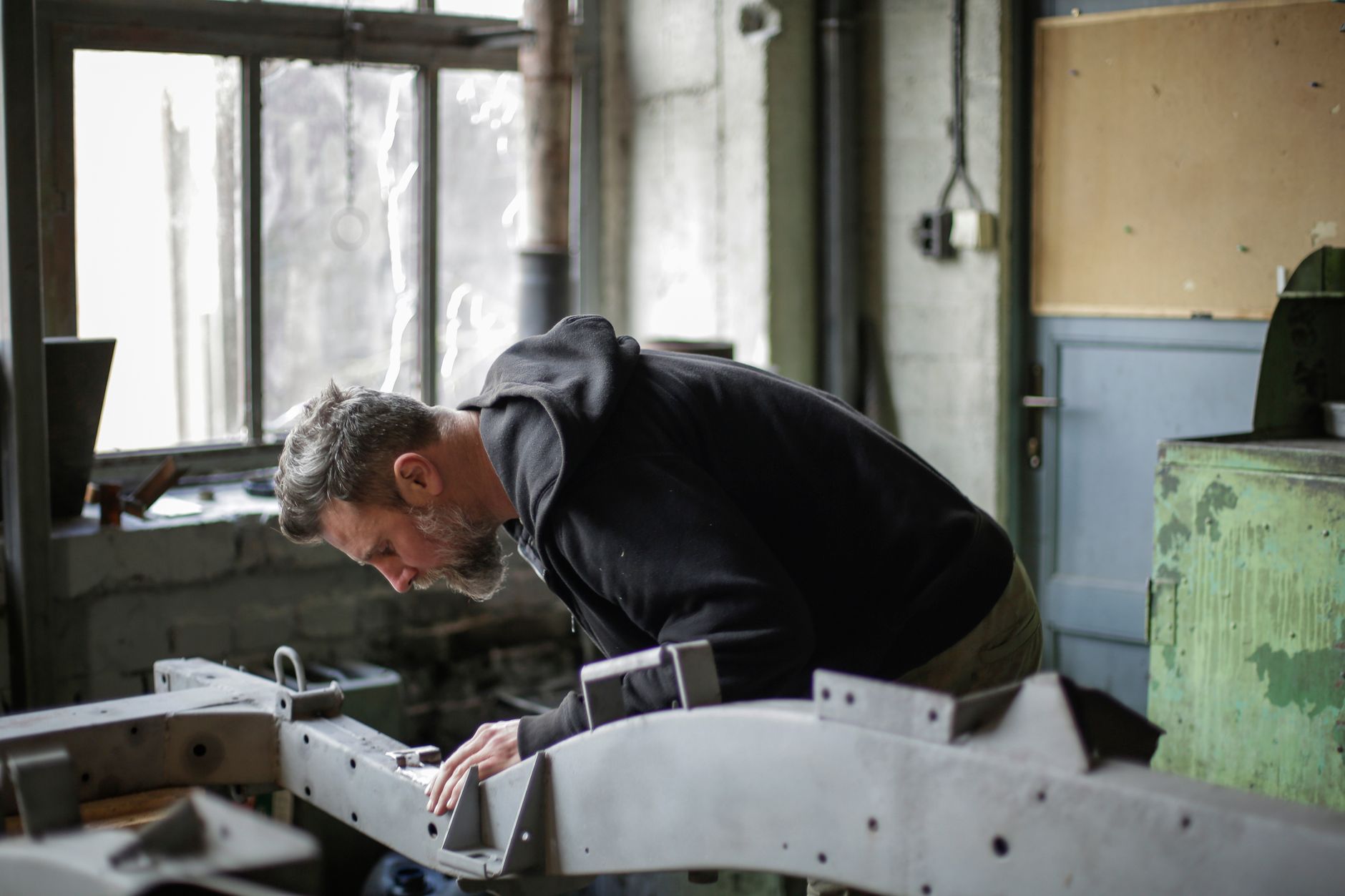
A cobot does not handle the hottest parts on its own. According to an expert article on forging robots, managing extremely hot parts is one of the biggest challenges in robotic press tending. Grip design, cooling and time at the press face all have to be worked out for each part, and we would not promise a hot-face cell without that work.
Heat also reaches the equipment. According to a vendor article on hot forging press tending, sealed robots are needed in that environment. The arm is best kept outside the hottest area, and the gripper is chosen for the parts it will carry.
The limits in the available data are real. We did not find published cycle times for cobots in forging, a published temperature rating for a cobot arm, or a verified hours-saved figure on a hot forging press. Cycle time lost to cooling or gripper changes has to be measured on your own line.
How do you work alongside existing staff?
The arm changes the job, not the need for people. A forging shop with a cobot still needs a press operator, a setter who knows the dies, someone at the inspection bench, and a person who can clear a fault. The robot takes the repeat transfer, and the team keeps the experience the parts depend on.
Training matters as much as the arm. Operators need to know the program, the stop and clear steps, the grip checks, and how to take a station over by hand when a fault needs attention. We train the staff on site during deployment, so the people who run the press can run the cell too.
Expect the team to shift its mix of work rather than shrink to nothing. Handling time falls, and supervision, inspection and die work take up the freed hours. A cell that runs a second shift needs someone trained to restart it. A robot plus a smaller team is the normal picture, and a shop never runs the cell with zero staff.
What drives the savings?
The savings come from hours returned to people, not from a promise. The hours to count are the minutes per part spent carrying, loading, unloading and walking between cooling, trim and inspection. Multiply those minutes by parts per shift and shifts per week, and you have the range of hours a cobot could cover on your line.
Adjacent work shows where hours sit. A vendor case from a press brake shop, not a forging line, is evidence of where manual handling time goes, but the sources we reviewed give no verified hours figure for a hot forging press. We build your range from your own line during the site assessment.
Some savings are less visible. A shop that keeps experienced operators on inspection and die work spends fewer hours on repeat motion and more on the decisions that set part quality. Those decisions do not show up on a timesheet, but they are where skilled people add the most value.
How do you get started?
Most shops start with one leased unit at one station, which is a sound way to test cobots for forging shops on your own floor. Robots are only leased, through financing, and the payment comes in the quote after a free site assessment. We select the arm and gripper for your site, lease it through financing, deploy and integrate it, train the staff and service it nationwide.
The site assessment looks at the line as it runs. We measure the heat near the press face, the distance between stations, the part sizes and the handling minutes per part. You get a quote after that review, so the decision rests on your own numbers.
A good first station has steady handling and manageable heat, such as the cooling table or the feed to inspection. One cell there shows the hours actually returned on your line and informs the plan for any next station, which reuses the same layout habits, training and service plan.
Frequently asked questions
Upcoming manufacturing events
- Trade showBrats & RobotsNov 10, 2026Alliant Energy Center Exhibition Hall, Madison, WI
- Trade showMATE Farm & Ranch ShowFeb 11 to 13, 2027MetraPark, Billings, MT
- ExpoPFMA Expo 2027Feb 17 to 18, 2027Washington County Fair Park, West Bend, WI
- ExpoLouisville Facilities Maintenance ExpoApr 15, 2027Mellwood Art Center, Louisville, KY
Want a cobot at your forging shop?
Tell us about your site. We will recommend the robot, quote the lease, and keep it serviced.
Sources
- U.S. Bureau of Labor Statistics, May 2023 occupational data
- US Census data for NAICS 332111, iron and steel forging
- US market research report on metal stamping and forging employment
- US market research report on metal stamping and forging businesses
- 2009 census of North American forging operations
- Gripper maker case study, mining-chain plant
- Vendor article on hot forging press tending
- Expert article on forging robots