
Key takeaways
- Cobots take repeat panel handling, fastening and packing off the crew's hands on standardized door lines.
- One short-staffed station can hold back a whole garage door line, so that station is the place to start.
- According to the International Federation of Robotics, cobot installations reached 66,000 units in 2025.
- Hours saved have to come from a time study on your own floor, not from a generic figure.
- Robots are leased through financing, and the payment is quoted after a free site assessment.
How can cobots help garage door manufacturers?
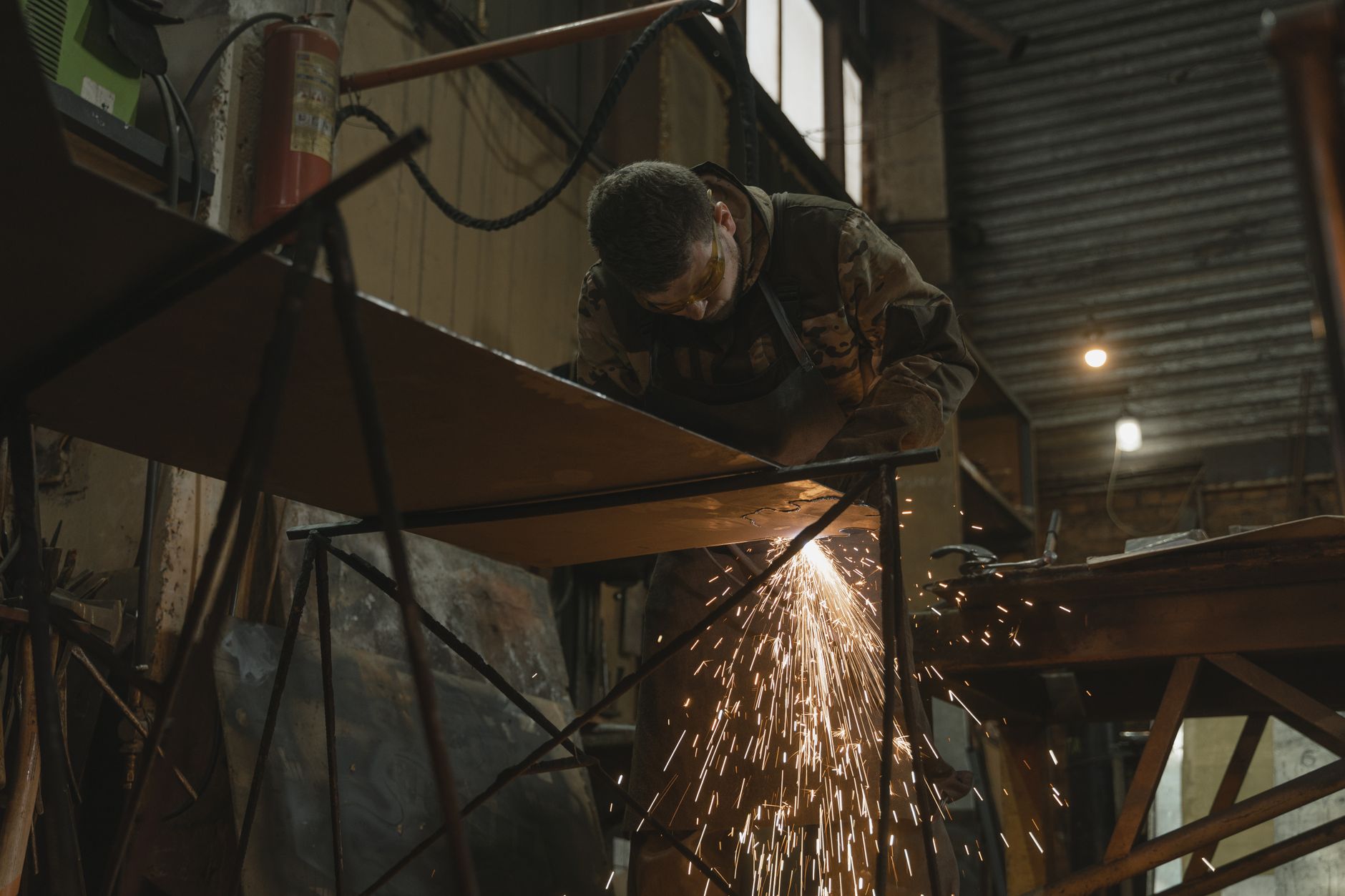
Cobots for garage door manufacturers take on the repeat handling that limits how many door orders leave the plant each week. A collaborative robot arm works beside an assembler at a fixed station, picks up panels and hardware, drives fasteners and moves finished parts toward packaging. On a standardized door line, every order follows the same sequence of steps, and that repeat work is where shift hours tend to go.
The robot does not replace the crew. It takes the steps that come out the same every time, so people can spend their hours on setup, checks and the parts that still need judgment. For the person who runs the plant, the practical gain is more doors shipped per shift from the same floor space, with fewer people held at one station for the whole shift.
Adoption is growing across manufacturing. According to the International Federation of Robotics, new cobot installations reached 66,000 units in 2025, which is 11% of all industrial robot installations. Growth slowed to 7% that year, so the case for a cobot now rests on specific tasks with measurable results rather than on the technology alone.
Where does assembly labor limit door output today?
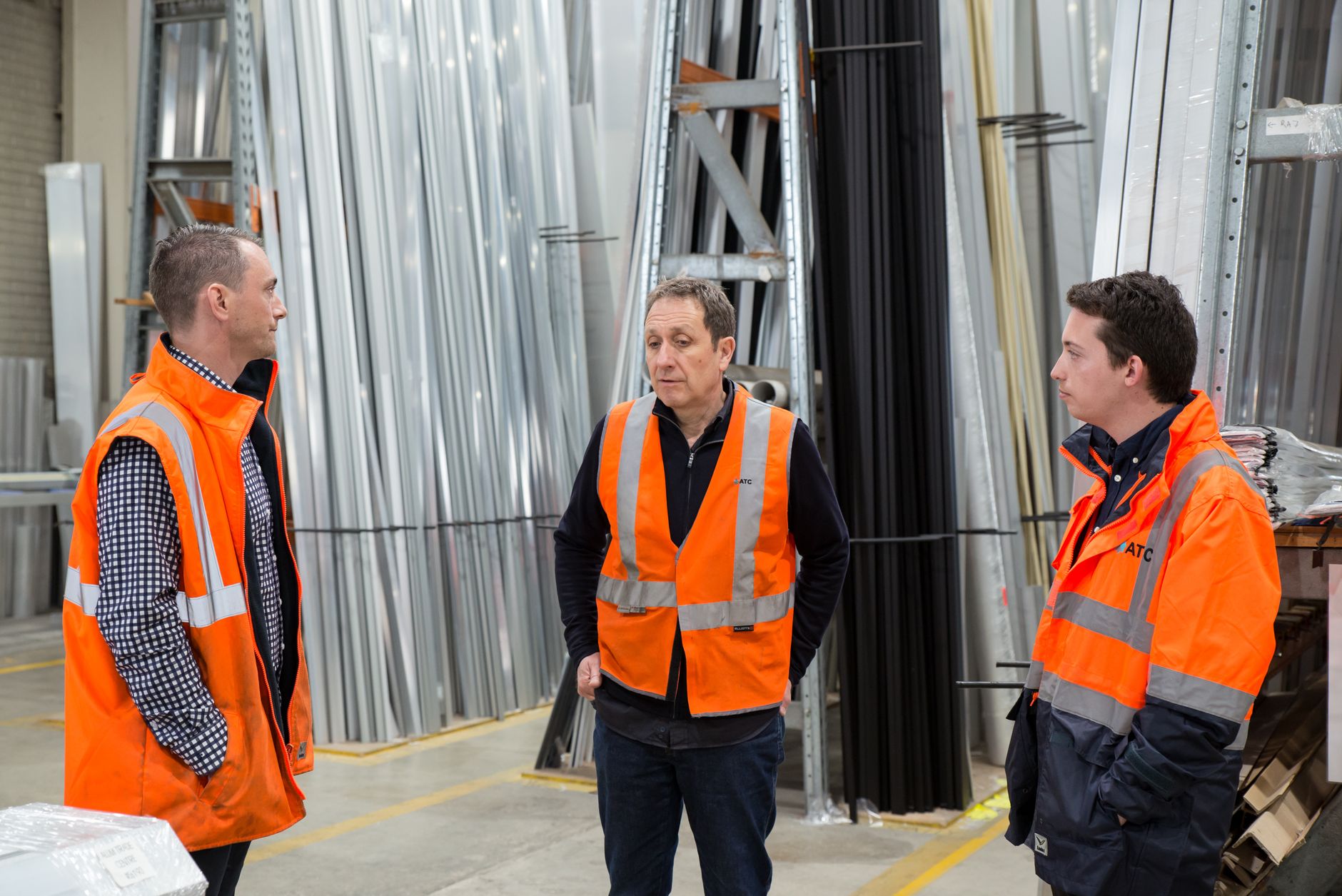
At most garage door plants the bottleneck is rarely the machines. It is the number of people at the stations where panels are handled, hardware is fastened and finished doors are packed. When one station is short a person, the line slows to match it, and finished orders wait at the end even when the rest of the plant has room to run.
The labor pool behind those stations is large. According to the US Bureau of Labor Statistics, about 1.9 million people held assembler and fabricator jobs in 2024, and transportation equipment manufacturing was the largest employer of them. Garage door plants are a small part of that picture, and a single open station can still hold back a full shift.
The industry itself is small enough that one station matters. According to IBISWorld, about 29,900 people were employed in US garage door manufacturing in 2025, compared with 29,534 in 2024. Its industry report counts 433 businesses, and the average business employs about 66.6 people. In a plant that size, one or two slow stations can set the pace for the whole line.
What are the main benefits of cobots on a door line?
The first benefit is steadier output. A cobot repeats the same reach, grip and placement on each cycle, so the rate at a station depends less on who is working it that shift. That makes it easier to plan how many door orders can ship by the end of the week, which is the number an operator actually answers to.
The second is less repetitive strain. Driving the same fastener pattern hundreds of times in a shift is the kind of work that wears on wrists and shoulders. Moving that step to the robot lets the team rotate people onto checks, changeovers and the fiddly parts that still need a hand.
The third is flexibility inside a standard line. Most cobots can be moved to a new station or given a new program when the door model changes, which helps a plant that runs several models. According to the International Federation of Robotics, total industrial robot installations passed 600,000 units for the first time in 2025, reaching 603,000, while cobot growth of 7% fell below the overall market for the first time since the federation began tracking cobots.
How does the robot work day to day on a door line?
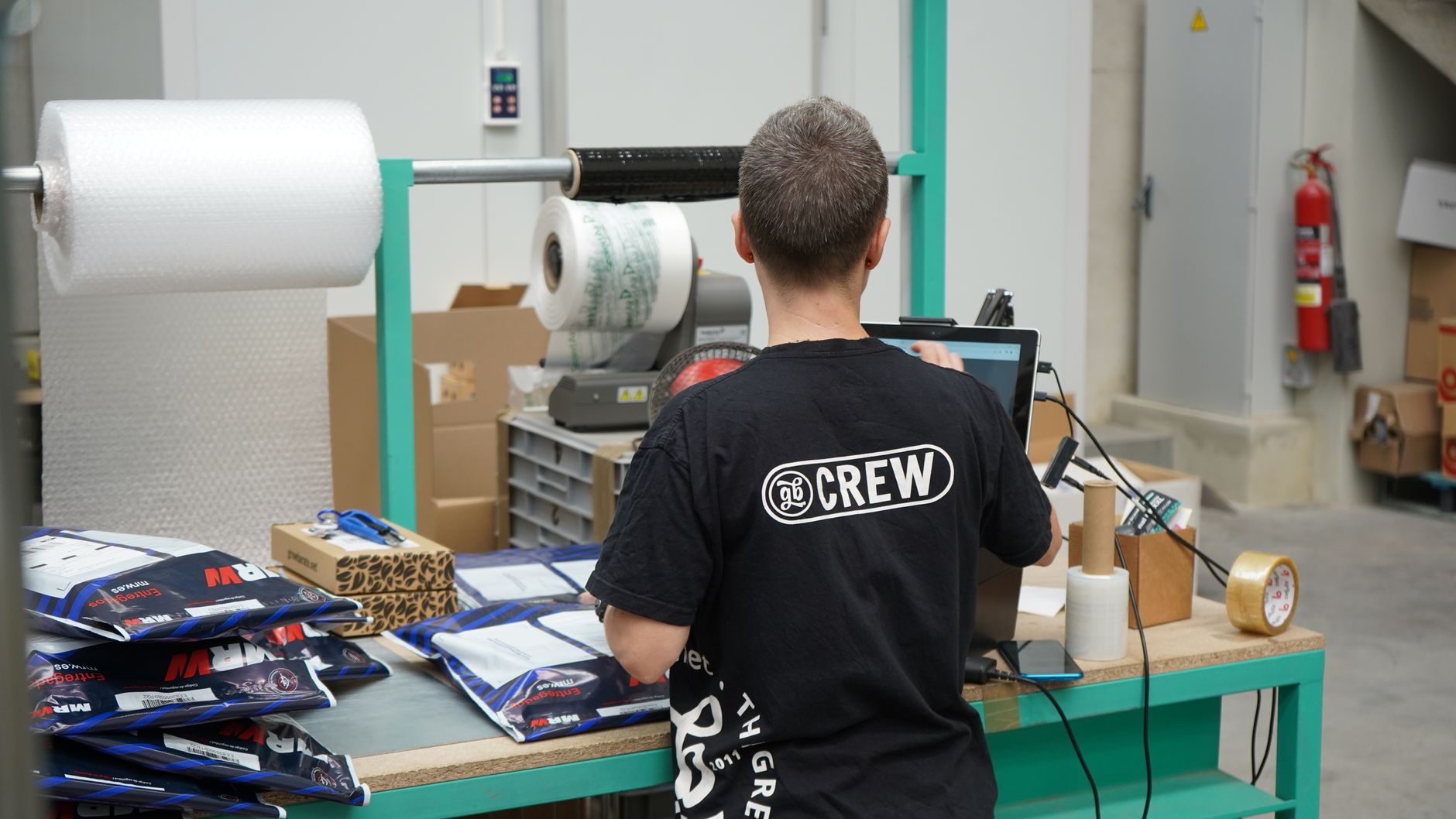
A typical cobot cell sits beside an existing station. An operator loads a panel or hardware kit into a fixture, the robot picks the part, places it, drives the fasteners and sets the finished piece aside for the next step. The person stays at the station to check alignment, reload the fixture and deal with any part that does not seat correctly.
Changeover is where the day takes its real shape. Each door variant needs its own fixture, grip and program, and the crew should plan time for that before a new run starts. Measure the changeover during the site assessment, since it decides whether shorter runs are worth sending through the cell.
Expect the first weeks to show where the layout needs work, such as a better fixture, a clearer walking path or a second staging rack. That is normal, and it is easier to plan for than to discover in the middle of a production week.
Which areas of a garage door plant does the robot work in?
Cobots suit stations where the work is repeatable and the parts arrive in a predictable shape. On a door line that usually means the panel infeed, the hardware and fastening stations, the packing area at the end of the line, and the palletizing and dock staging near shipping. Setup, quality decisions and material judgment stay with people.
Each area has its own layout, traffic pattern and power needs, so the site assessment maps floor space and walking paths before any cell is placed. The six areas below are the ones most worth walking during that assessment.
How does a cobot work alongside your existing team?
A cobot is a tool for a team, not a replacement for one. Plan on one robot plus a smaller crew at each cell, with people running loading, changeover, quality checks and recovery from faults. A cell run with no staff nearby will stop at the first jam or setup change, and the line will wait until someone arrives.
The people you already have know the line best. Their input on fixture design, reach and where parts get dropped often shapes how well the cell runs after go-live. Training is part of deployment, so operators learn to clear faults, reload fixtures and recognize when to stop the cell and call for help.
What drives the savings, and how do you verify them?

The savings come from three places: fewer hours spent on repeat handling at the station, fewer finished orders held at the end of the line, and less overtime spent covering short shifts. How large each one is depends on your existing cycle times, your headcount at each station and how often you run the same door variant.
This page does not give a labor-hours figure for garage door lines, because the search behind it did not find a source that breaks down hours spent on panel handling, fastening or packaging at these plants. The honest way to size the savings is a time study on your own floor during the site assessment. Log the seconds per cycle, the people at each station and the minutes lost to waiting.
Once that baseline exists, the lease quote can be weighed against the hours the cell is expected to take over. The result is a measured range for your plant, not a promise, and it should be checked again after the first full month of running.
What can the robot not do?
A cobot is not the right tool for every step. It handles repeat motion within a bounded area, and it struggles with work that needs judgment, changing geometry or loads beyond its rated payload. Plan around these limits before the cell goes in.
Those limits set the staffing plan. The cell is strongest on the steps that come out the same every time, and the people around it carry the rest.
- Decide whether a defective panel can be used or must be pulled
- Handle heavy or irregular loads beyond its rated payload
- Run a changeover without a new fixture and program
- Clear a jam or a mis-set fixture without an operator nearby
How do we get started?
Our approach to cobots for garage door manufacturers starts with one station, not the whole line. We are a US commercial robot integrator. We pick the right robot for the site, lease it through financing, deploy and integrate it, train your staff and service it nationwide. Robots are leased only, through financing, and the payment comes in the quote.
The first step is a free site assessment. We map floor space, power and walking paths, time the station you want to improve and identify where a cobot fits on your line. The lease quote follows the assessment, so you see the fixed robot lease payment and the service terms before you decide anything.
After go-live, the crew gets trained and the robot is serviced nationwide. Begin with one cell, prove the hours on your own floor, and then decide whether the next station makes sense.
Frequently asked questions
Upcoming manufacturing events
- Trade showBrats & RobotsNov 10, 2026Alliant Energy Center Exhibition Hall, Madison, WI
- Trade showMATE Farm & Ranch ShowFeb 11 to 13, 2027MetraPark, Billings, MT
- ExpoPFMA Expo 2027Feb 17 to 18, 2027Washington County Fair Park, West Bend, WI
- ExpoLouisville Facilities Maintenance ExpoApr 15, 2027Mellwood Art Center, Louisville, KY
Want a cobot at your garage door manufacturer?
Tell us about your site. We will recommend the robot, quote the lease, and keep it serviced.