
Key takeaways
- Cobots take the repeat fastening, loading and packing steps that stall lawn equipment lines in peak season.
- A cobot works beside a smaller team at a fixed station. It does not replace the whole crew.
- Palletizing cells are where published cobot results are easiest to find, including a nine-month return at one coffee co-packer.
- Savings depend on the station, so this page does not quote a labor-hour range we could not verify.
- Leases come through financing, and the payment is quoted after a free site assessment.
Can cobots keep lawn equipment output up in peak season?
Yes, for the right steps. Lawn equipment plants build similar units in volume, and when output stalls, the cause is often assembly and packaging labor rather than the machines. Cobots for lawn equipment manufacturers are aimed at those repeat steps: fastening, loading and packing that happen the same way on every unit.
A cobot is a collaborative robot arm that works at a fixed station beside people. It handles the repeat task, such as driving fasteners into a housing, loading parts into a fixture or stacking finished cartons, while operators handle setup, checks and anything out of the ordinary. It does not replace the crew. It can keep one station moving at a steady pace while the team is stretched across the line.
A cobot is worth evaluating where one or two stations run short of hands as volume climbs. The sections below cover the problem, the benefits, the daily work, the zones where it fits, what it cannot do and how to start with a free site assessment.
What problem does a lawn equipment plant face today?
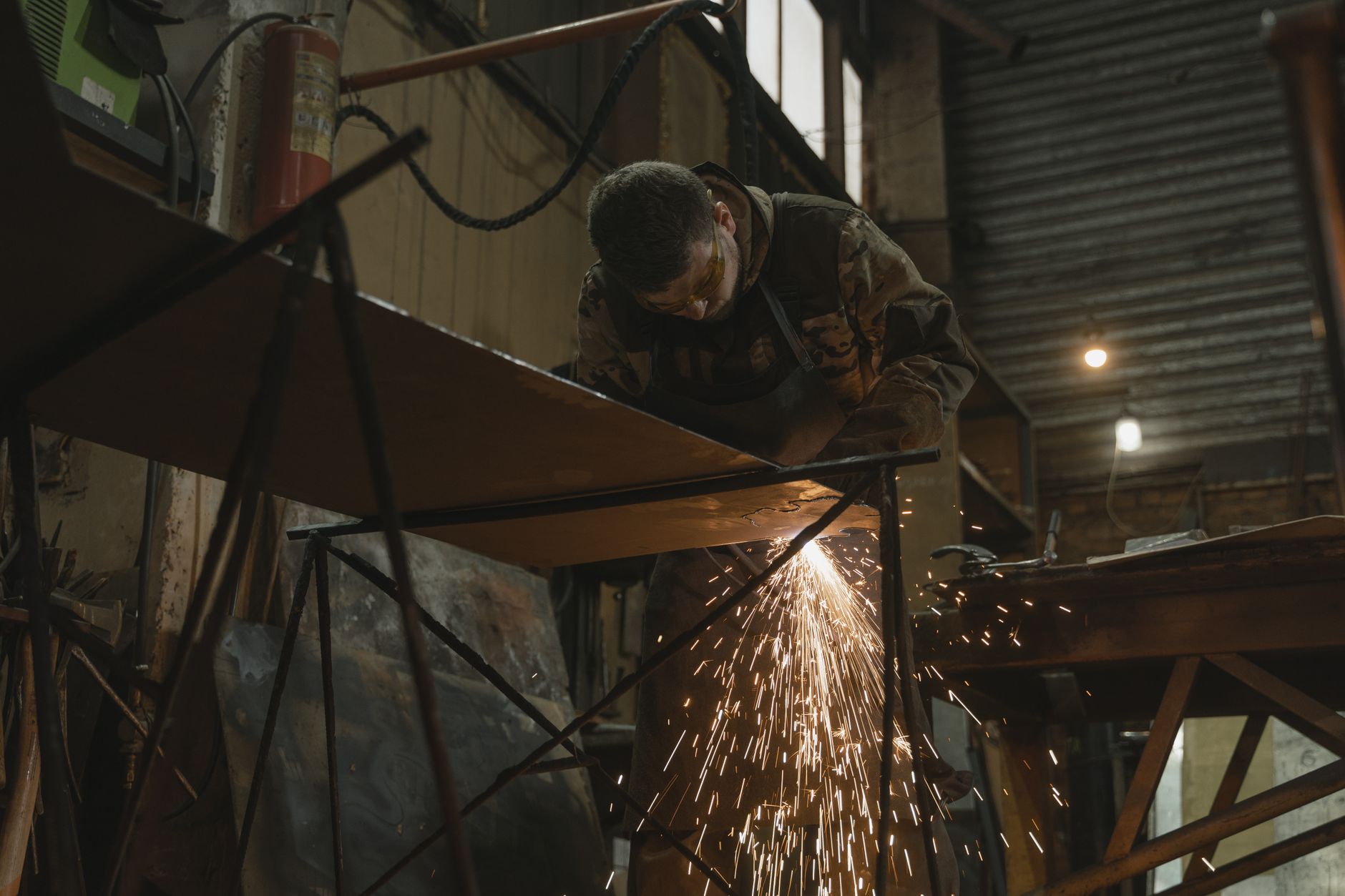
Lawn equipment demand is seasonal, so volume rises and falls across the year. A plant has to staff for its busiest weeks while keeping labor costs under control the rest of the year. Assembly and packaging are labor heavy, so one short-handed station slows the whole line, and a missed shift hurts most when orders are heaviest.
According to a business data aggregator, which does not check its figures against federal counts, lawn and garden equipment manufacturing had 133 firms, 143 establishments and 18,262 employees nationally. The page is undated, so treat it as a rough picture. Even so, with that many workers spread across that many firms, a plant that is two or three people short in peak season has little slack to absorb the gap.
That gap is what cobots are meant to address. The goal is not to shrink the crew but to keep each station running at the volume the plant needs.
What are the main benefits of cobots on these lines?
The first benefit is steadier station output. A cobot runs its step at the same pace on the last shift of a long peak week as on the first, and it does not tire on a long run. Operators move to setup, quality checks and changeovers, where their judgment matters most. The cell also gives a plant a repeatable way to add capacity, one station at a time.
The market is moving the same way. According to A3, the Association for Advancing Automation, North America ordered 7,212 cobot units in 2025 out of 36,766 total robot orders, and cobots accounted for 10.7% of revenue. Trade press coverage of the same A3 data puts cobots at 19.6% of all robots ordered. Total robot orders rose 6.6%, with general industries driving the growth. For a plant, cobots are a mainstream choice across industries, not a test case.
How does a cobot work on the line day to day?
A cobot sits at a fixed station with a fixture that holds the part. A person or a conveyor presents the part, the arm fastens or loads it through a set sequence, and the unit moves to the next step. Setup is done once for the station. The arm is taught its path, the fixture is checked, and the safety settings are tuned to the cell before it runs.
The daily work is mostly routine. Operators load fixtures, clear minor stops, check finished units and handle changeovers between models. Changeovers are where many cells lose time, so fixtures and programs should match the model mix the plant runs in peak season. That turns a changeover into a planned task instead of a surprise.
Productivity results exist, but many come from vendors. A robot vendor's case study on palletizing reports a 30% increase in productivity after adding cobot palletizing. Treat that as one site's result, not as a forecast for your line.
Which areas of the plant does a cobot work in?
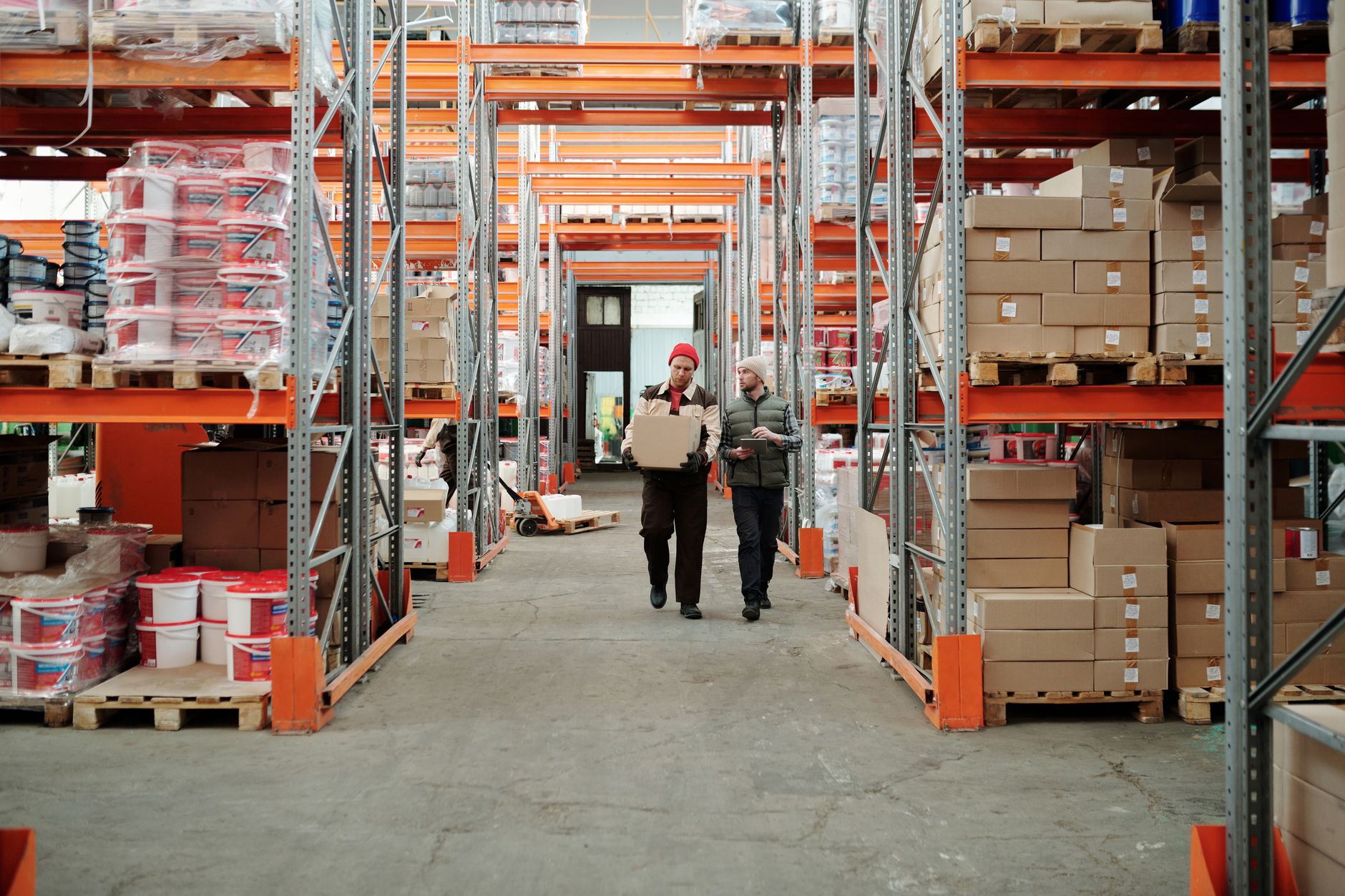
Cobots fit best where a station repeats the same step on similar units. In a lawn equipment plant that usually means the six areas below, which run from the deck and housing cell to the pallet staging lane at the dock.
A common path is to start with one station where a person is the bottleneck, then add a palletizing cell once the first one runs steadily. That keeps the first project small enough to measure against the station it helps.
How does a cobot work alongside your existing staff?
A cobot works beside a team, not in place of one. The robot takes the repetitive motion, and people keep the work that needs judgment: setup, quality checks, changeovers and exceptions. A plant still needs its crew. What changes is how many people a station needs to hold output at peak.
Small operations show the pattern. A small coffee company with 65 employees added two cobot palletizers, and according to trade press the system paid for itself in under a year, a result the vendor reported. Separately, a cleaning chemicals producer runs four modular cobot palletizing systems, and according to trade press one operator clears pallets from several lines.
A robot maker's review of more than 300 palletizing projects in 2025 describes labor shortages as the backdrop for much of that work. We train the staff who will run the cell, so the people on the line know how to handle a stop, a changeover and a simple fault before go live.
What drives the savings, and what can an operator count on?
Savings come from three places: hours that a station no longer needs at peak, overtime or temporary staffing that a plant can avoid, and steadier output when a station would otherwise stall. The sourced evidence is mostly payback and productivity figures reported by vendors and trade press, and those vary by line. We have not verified a labor-hour range for lawn equipment assembly, so this page does not give one.
The results we can cite are a nine-month return reported at a coffee co-packer that adopted cobot palletizing, and the 30% productivity gain from the palletizing case above. Both are single sites in other industries. Use them to frame the questions you ask, not to set expectations for your plant. A site assessment is where the hours at your station get measured.
What can a cobot not do?
A cobot is not a general worker. It repeats a defined task at a station and does not decide on its own what to do with an unusual part. It does not do setup in place of a person, it does not clear a jam that needs hands on the machine, and it does not replace a trained eye on quality for every unit. Heavy payloads, fast varied work and tasks that change every hour are better handled by people or other equipment.
It also needs a stable station. If parts arrive inconsistently or the model mix changes every hour, the cell needs more fixtures and more setup time, and the return gets smaller. The site assessment is where we check part flow, layout and guarding before anything is set up.
How do you get started with cobots for lawn equipment manufacturers?
Start with one station and one clear task. We are a US commercial robot integrator. We pick the right robot for the site, lease it through financing, deploy and integrate it, train the staff and service it nationwide. The first step is a free site assessment, which maps the station, the part flow and the safety needs.
Because the robot is leased through financing, the plant does not have to fund the equipment up front. The lease is quoted after the site assessment, and the payment comes in that quote, so you can compare it with your own labor plan. Ask for the robot lease options in writing, including the service coverage and what happens if a unit needs repair during peak season.
After signing, we handle robot deployment and integration, train the operators and provide go-live support. Many plants start with one leased unit on a single station, then add stations once the first one holds its output through a full peak week.
Frequently asked questions
Upcoming manufacturing events
- Trade showBrats & RobotsNov 10, 2026Alliant Energy Center Exhibition Hall, Madison, WI
- Trade showMATE Farm & Ranch ShowFeb 11 to 13, 2027MetraPark, Billings, MT
- ExpoPFMA Expo 2027Feb 17 to 18, 2027Washington County Fair Park, West Bend, WI
- ExpoLouisville Facilities Maintenance ExpoApr 15, 2027Mellwood Art Center, Louisville, KY
Want a cobot at your lawn equipment manufacturer?
Tell us about your site. We will recommend the robot, quote the lease, and keep it serviced.
Sources
- A3 full-year 2025 robot orders summary
- Trade press coverage of A3 2025 robot orders
- Trade publication on cobot palletizing at a coffee co-packer
- Trade publication on a small coffee company adding cobot palletizers
- Trade publication on a cleaning chemicals producer using cobot palletizing
- Vendor case study on cobot palletizing productivity
- Robot maker review of 2025 palletizing projects
- Business data aggregator, lawn and garden equipment manufacturing