
Key takeaways
- Cobots can take over case packing and palletizing at the end of the line, where shifts are often hardest to keep staffed.
- One nut processor in a vendor case study reported being 15 to 20 people short per shift before its first palletizing robot.
- A cobot works alongside the existing crew, so staff move to inspection, supervision and training rather than leaving the plant.
- Savings show up as labor hours and fewer stopped minutes, and they should be measured in your own shift records.
- Start with a free site assessment and a lease quote through financing, then add cells once the first one proves out.
Can cobots for nut processing plants solve end of line staffing?
Yes, in the places where it matters most. Cobots for nut processing plants do their best work at the end of the line, where finished product is packed, sealed, stacked and moved onto pallets. That work is repetitive and physically demanding, and it is often the hardest part of the plant to keep fully staffed. A collaborative robot arm can take over the lifting and placing, so your existing team can cover open spots, inspection points and the shifts that are hardest to fill.
The case for a cobot is not that it removes the people on that line. It is that the station keeps running when a shift is short, it works at the same pace from the first hour to the last, and it cuts the number of heavy lifts your crew handles each day. For a plant running with empty positions at the pallet station, that can make a real difference to output.
The sections that follow cover the staffing problem, the benefits, how the arm works on the line, where it fits in the building, how it works with your crew, what drives the labor hours it saves, what it cannot do, and how to get started.
What makes packing and palletizing hard to staff at nut plants?
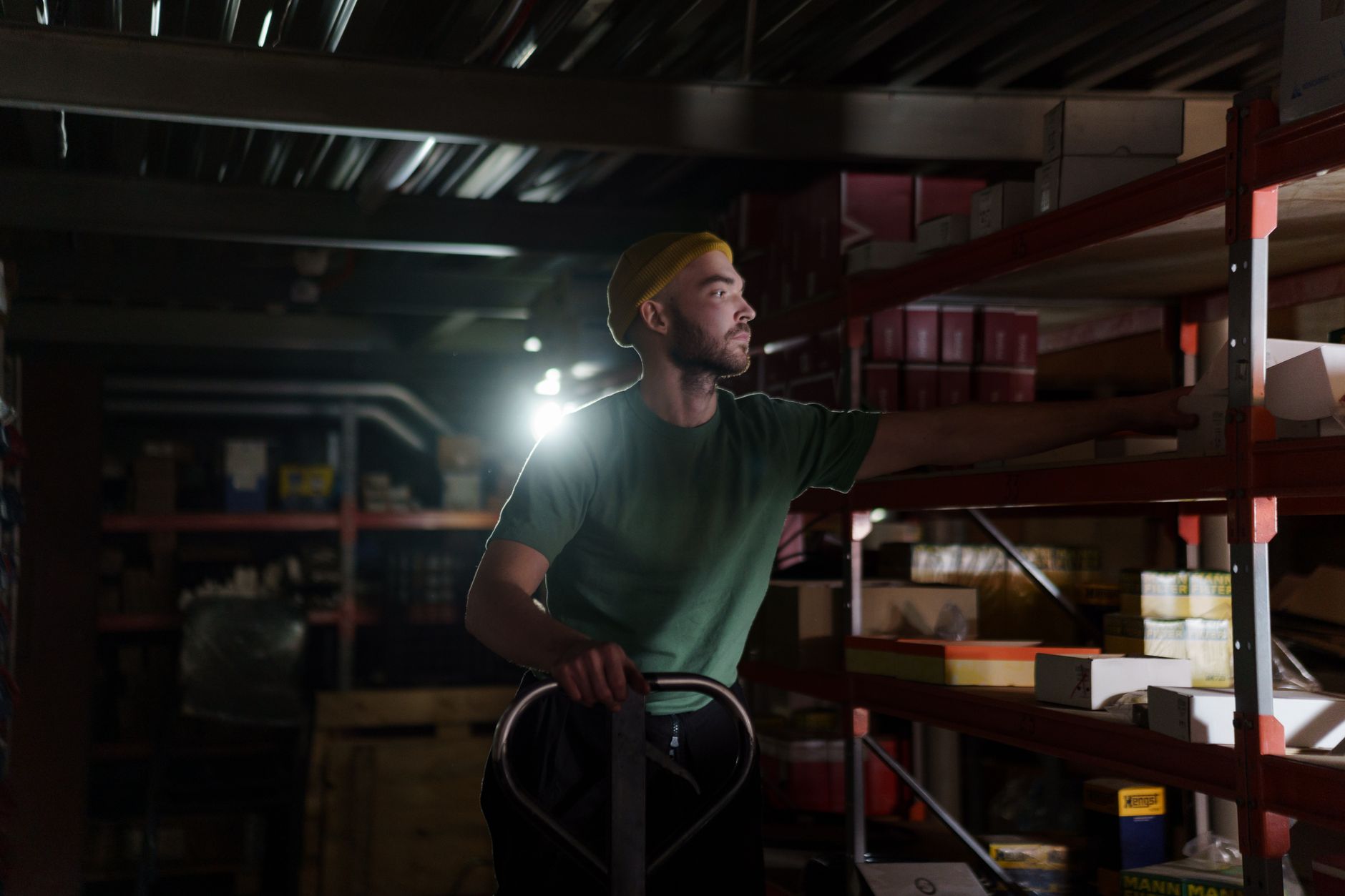
End of line work is a set of repeated motions done at speed. Staff lift cases, set them into position, build layers on pallets and wrap finished loads across long shifts. According to the U.S. Bureau of Labor Statistics, about 645,210 jobs were held by packers and packagers, hand, in May 2023. That is a large group doing demanding work, and every plant competes for a share of it.
Turnover makes the schedule harder to hold. According to a 2026 HR benchmark, annual manufacturing turnover ran roughly 26 to 28% for 2025, above a pre-pandemic range of 22 to 24%. A staffing analysis of federal JOLTS data puts manufacturing separations at about 2.4% and quits at about 1.4% for the month measured. A food industry trends report notes high turnover at food and beverage plants, though it gives no percentage.
High turnover at the pallet station means training a new person on a job that is hard to do well at first. A cobot does not leave the line, and its pace does not depend on who clocked in that morning.
What are the main benefits of a cobot at the end of the line?
The biggest benefit is coverage. A cobot keeps a station moving when a position is empty, which protects output on the shifts that are hardest to fill. In one vendor case study about a family-owned nut processor, the plant had been short 15 to 20 people per shift before it installed its first palletizing robot. That case study is written by the vendor, so read the figures as its account rather than an independent audit.
Throughput is the second benefit. The same vendor account says the palletizer handles up to 10 cases per minute, picking two boxes at once. That is a rate the vendor reports, not a promise, and your own rate depends on case size, pattern and line speed. Still, a steady rate from the first hour to the last is something a shift schedule cannot give you.
The third benefit is a line that stops less often. The vendor reports one fewer person needed at the end of the line and no line shutdowns from the change. Fewer stops at the pallet station mean the rest of the line keeps its rhythm, and the crew spends less time waiting on one job.
How does the cobot work day to day on the line?
A cobot is a collaborative arm, built to share space with people and to slow or stop when it senses contact. In the vendor case study the arm sat on mobile stand wheels, so it could move between lines instead of staying bolted to one spot. That matters when a line changes case size or pallet pattern during the week. We choose the arm and the cell layout for your floor during the site assessment, based on your case sizes and throughput.
The early weeks are where the details show up. The vendor's own write-up notes an early taping problem that was fixed together with the customer. Expect to tune grippers, pallet patterns and the handoff from your conveyor during commissioning, and plan that time into your schedule.
Once it is tuned, the daily work is simple to describe. Cases arrive on a conveyor, the arm picks and places them into the pattern, the pallet fills, and an operator swaps the empty pallet or wraps the full one. Your team owns the feed, the pallets and the checks.
Which areas of a nut plant does the cobot cover?
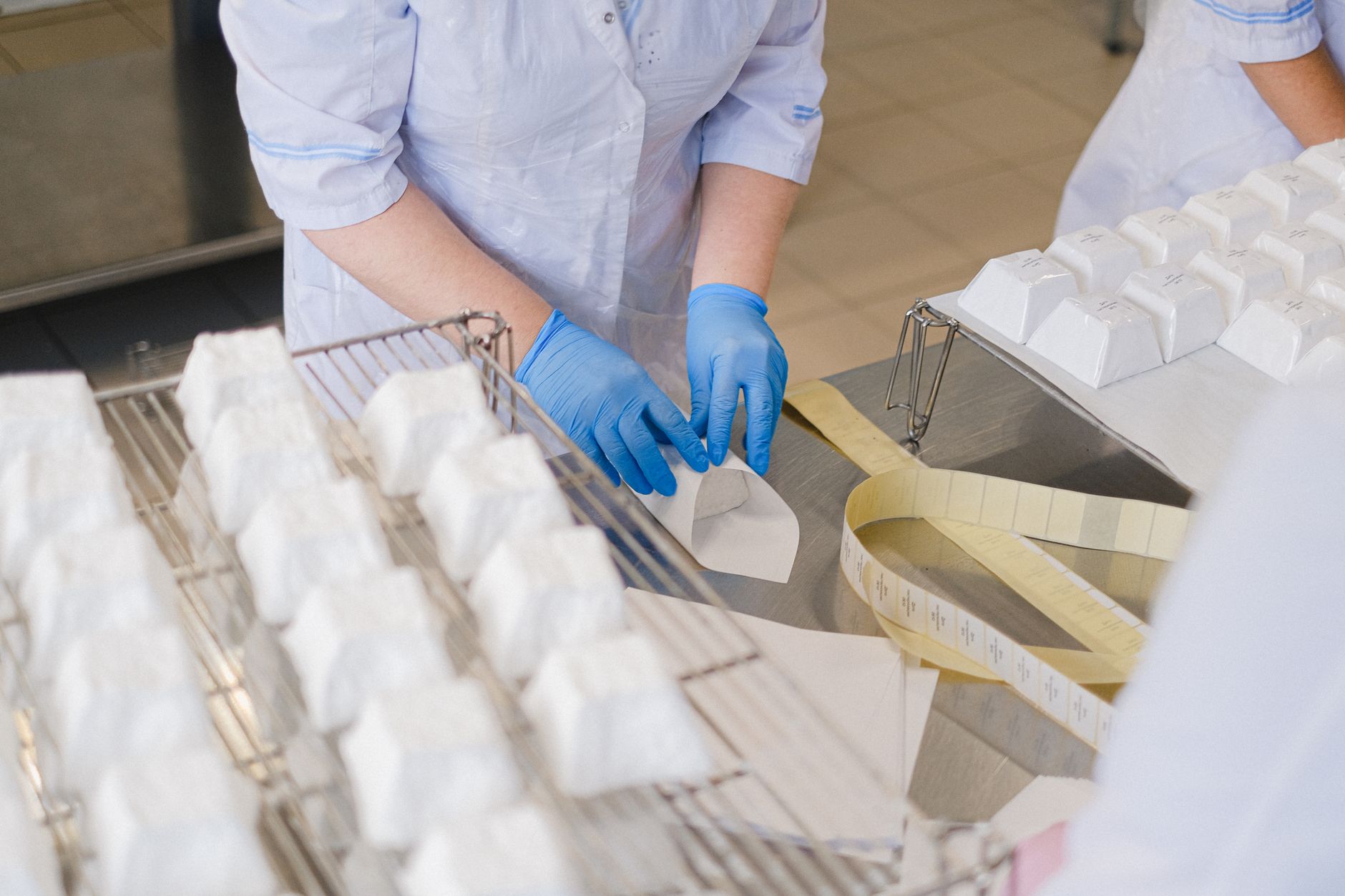
The end of the line is a chain of stations, and a cobot fits best where the work repeats and the product arrives in a predictable form. The areas below are where that work tends to fit, from the packing station to the dock.
Most cells sit toward the back of packing rather than at the very start. The arm takes the step that needs the most lifting and the most bodies, and it leaves the upstream sealing, filling and roasting equipment you already run to do its own job. Your layout decides the exact cell count and placement.
How does the cobot work alongside your existing crew?
A cobot works best as part of a team, not in place of one. A typical cell is a robot plus a smaller crew, never zero staff. Someone still loads the feed, changes pallets and wraps finished loads. Someone still checks seal quality, case weight and pattern at the start of each run. The robot takes the repetitive lifting between those points.
Staff can move to work that needs judgment. Quality checks, line supervision, sanitation support and training the next operator all keep people on the floor and give them a clear role. The crew does not lose the work. It moves toward the parts of the job a machine does not do well.
We train the people who will run the cell during and after go live, so operators can clear jams, change patterns and call for service without waiting on a specialist. Training is part of the install, not a separate add-on.
What drives the savings, measured in labor hours?
The savings show up as labor hours, and the most useful way to measure them is in your own shift records. Start with the open positions on the packing and palletizing lines across a typical week, then count the hours lost to slowdowns, overtime and stopped time. A cobot covers the hours on its own station. It does not close every open shift in the building, and it should not be sized as if it does.
The industry picture explains why those hours keep coming back. The labor pool is large, and turnover keeps the schedule moving, as the BLS count and the turnover ranges above show. In one packaging trade case study, a cleaning chemicals producer with nearly 900 SKUs adopted modular cobot palletizing to cope with high turnover. That is one example of the approach beyond food plants.
Pair those hours with stopped minutes and the case becomes concrete. Ask your team to log open positions, overtime hours and minutes lost to short crews for a few weeks before the assessment. Those records, not a general claim, are what the site assessment tests.
What can a cobot not do at a nut plant?
A cobot is not a whole line on its own, and it does not fix every problem. It works one station or cell at a time, and it depends on what reaches it. If the upstream line runs unevenly, the arm waits. If cases arrive damaged or sealed badly, the arm cannot correct them.
Volume matters too. Guidance from one robot maker says case packing suits low to medium volume, so a very fast line may need several cells or another machine. Check your peak rate against the vendor figures before you assume one arm will keep up.
It also cannot make the judgment calls a person should make. It will not reliably catch every seal defect or notice a product problem in a pouch. Keep those checks with your crew, and confirm washdown and sanitation requirements during the site assessment.
- It does not replace the people who feed, supervise and check the line.
- It cannot fix upstream bottlenecks, damaged cases or poor seals.
- It may not keep pace with very high volume lines without several cells or another machine.
- It needs a site-specific safety assessment, even though it is a collaborative arm.
How do you get started with a cobot lease?
Start with a free site assessment. We walk the end of the line with you, map the packing and palletizing stations, measure cases and pallets, check the conveyor handoffs and confirm washdown and sanitation needs. From that we recommend a cobot or cell that fits your floor and your throughput, and we say plainly when a cobot is not the right tool.
The equipment is leased through financing, so a plant can add a cell without a large upfront capital outlay. The payment comes in the quote, and lease quotes follow the site assessment, so you see the exact terms for your layout before you decide.
After signing, we deploy and integrate the cell, train your staff, provide go live support and service the robot nationwide with on-site dispatch and remote triage. A sensible first step is one cell, then expansion once your own labor hours bear out the case.
Frequently asked questions
Want a cobot at your nut processing plant?
Tell us about your site. We will recommend the robot, quote the lease, and keep it serviced.
Sources
- Vendor case study on a nut processor's first palletizing robot
- Vendor write-up on the same nut processor deployment
- U.S. Bureau of Labor Statistics, OEWS May 2023, packers and packagers, hand
- Staffing analysis of BLS JOLTS 2025 data
- 2026 HR benchmark, manufacturing turnover
- Robot maker guidance on cobots at the end of the line
- Packaging trade case study, cleaning chemicals cobot palletizing
- Food industry trends report on food and beverage plant turnover