
Key takeaways
- Cobots take over the repetitive case packing and palletizing that is hardest to staff on every shift.
- Packaging is where pharma staffing pressure is sharpest, according to a February 2026 CPHI analysis.
- A cobot can work beside operators under ISO/TS 15066 modes, but every application still needs a hazard review.
- Savings depend on your own hours data, so the number comes from a site assessment rather than a promise.
- Start with a free site assessment, then a lease quote through financing.
How can cobots help pharmaceutical manufacturing plants?
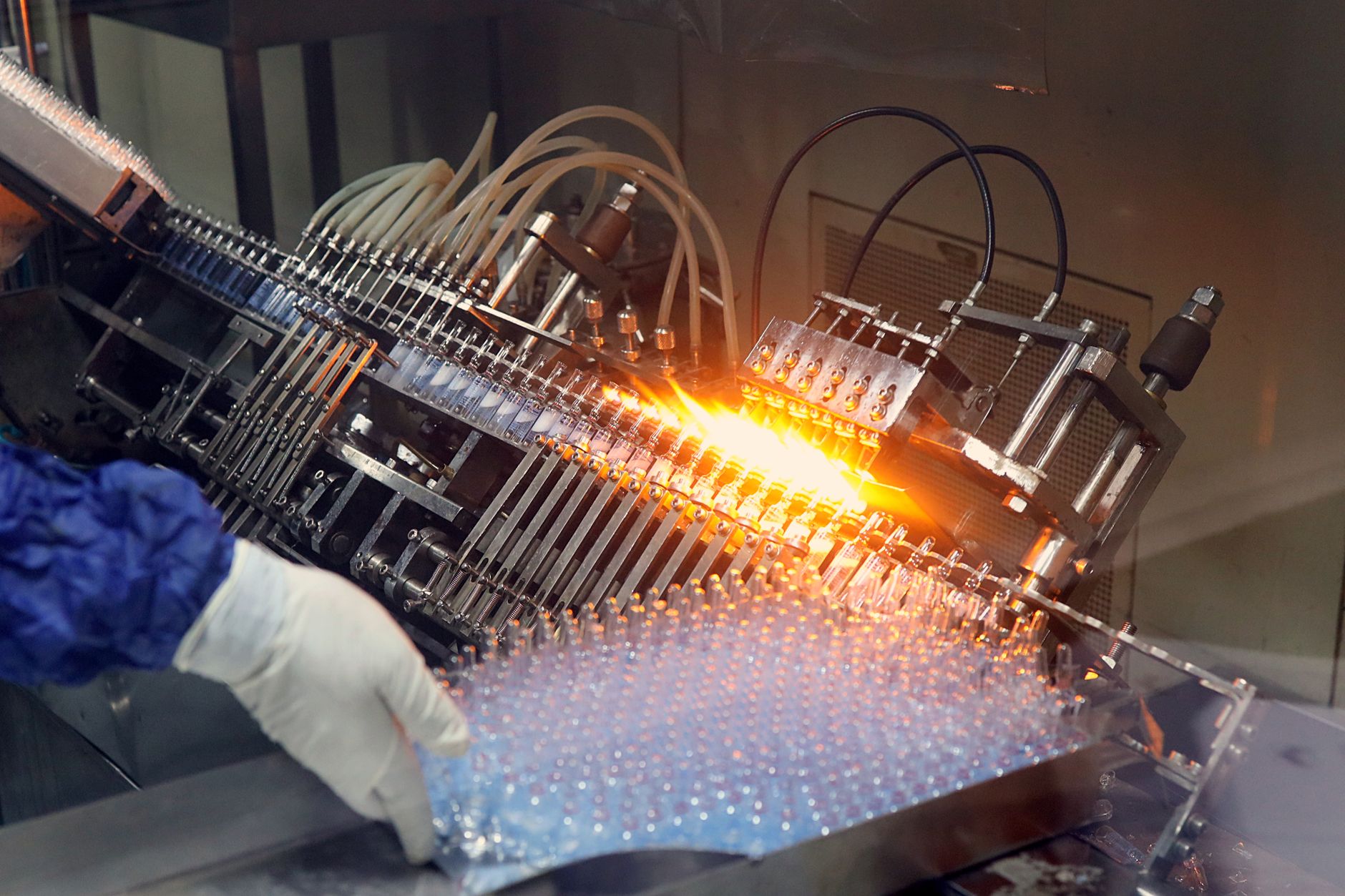
Cobots for pharmaceutical manufacturing plants earn their place mostly at the end of the packaging line. A collaborative robot arm takes the repetitive work of case packing, palletizing and inspection handling, so the operators beside it can spend their shift on work that needs a person, such as clearing a jam, checking a batch record or verifying a changeover. The robot does not replace the packaging team. It covers the stations that are hardest to keep fully staffed on every shift.
The setup is what makes this fit a pharma plant. Cobots can work beside packaging operators without a full safety cage around the work cell, provided the application passes a hazard review under the collaborative modes defined in ISO/TS 15066. That lets a plant add an automated station to an existing line instead of building a separate caged island, which matters when floor space and validation time are both tight.
Adoption is growing across industry too. According to IFR's 2025 data, cobot installations reached 66,000 units, which is 11% of all industrial robot installations. For a plant manager, that means the equipment and service options are established enough to plan around, even though each site still has to make its own case.
What problem do packaging teams face today?
Packaging is a large and hard-to-staff part of pharma work. According to Packworld, citing Bureau of Labor Statistics projections, U.S. pharmaceutical manufacturing is expected to add about 19,000 jobs from 2024 to 2034, a growth rate of 5.4%. More openings means more competition for the same workers, and packaging shifts are often the first to go short.
The shortage is sharpest in the packaging area itself. A CPHI analysis dated February 2026 says the shortage is most acute in packaging, quality control, and advanced therapeutics. A regional Syracuse report found that experienced GMP biologics engineers face the deepest shortage there, with some vacancies lasting more than 90 days. That report covers one region and one role, so read it as a local signal, not an average for every plant.
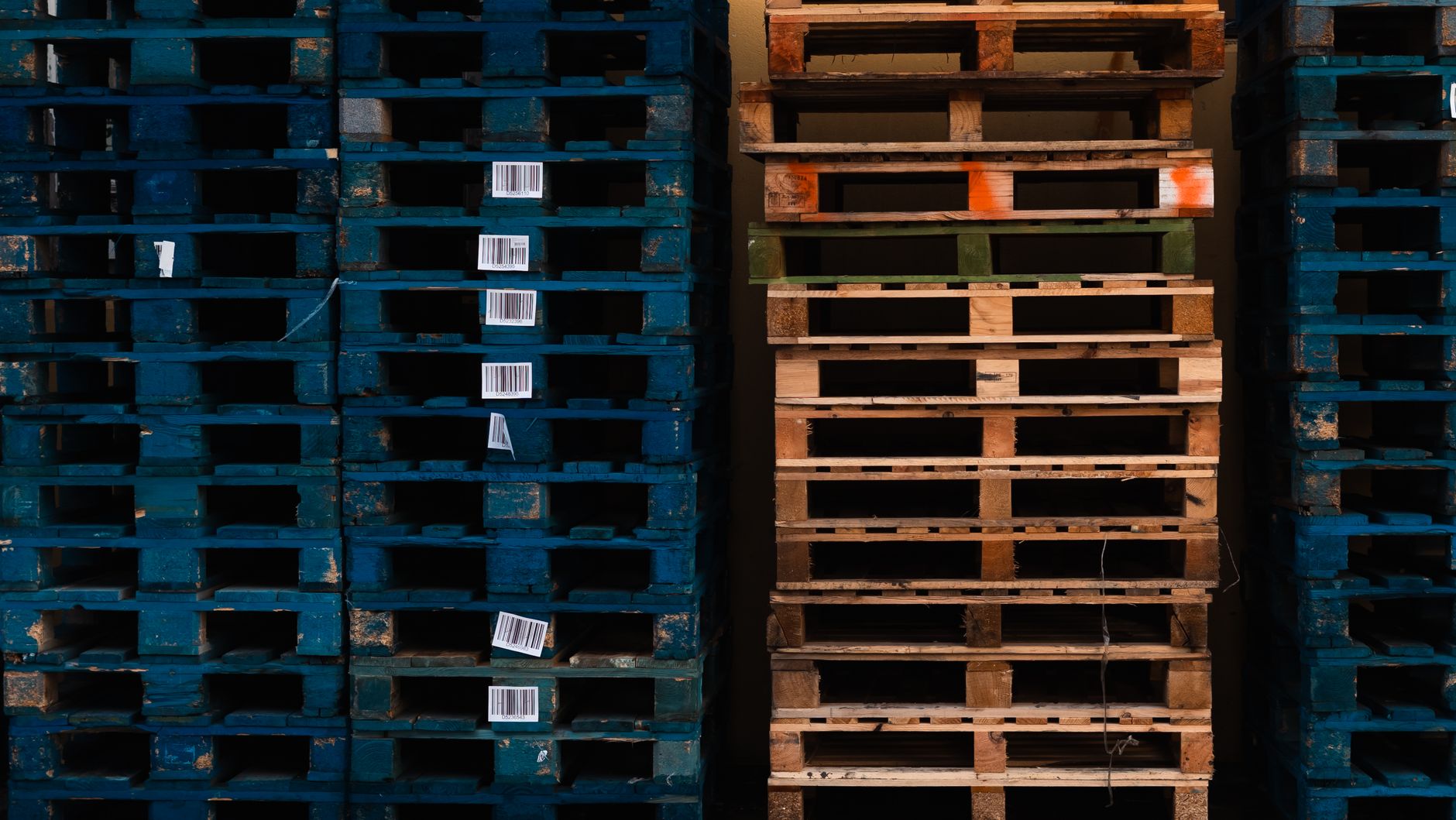
The work itself is physical and repeated. Cases come off the line at a steady rate, and someone lifts, turns and stacks each one onto a pallet for most of the shift. The lifting builds strain over time. Palletizing is also often the last point where packaging defects can be caught, so when that station is short-staffed, the check gets rushed too. Vendor material on palletizing makes this argument, though it is the vendor's own view.
What are the main benefits?
The first benefit is steadier coverage. A cobot does not call out sick, and it runs the same pattern on the night shift as on the day shift. Vendor-reported material describes robotic palletizing as improving consistency at the step where defects are most likely to be caught last, which is a claim worth testing on your own line rather than taking as given.
The second is ergonomics. Cobots take over repetitive palletizing and lifting, which sources tie to fewer lifting injuries and less ergonomic strain on the people who used to do it. A pharma packaging ergonomics case study describes two cobots deployed on packaging line work, a company-reported result that we cannot check independently. Less lifting also helps the crew stay available for the rest of the line.
The third is flexibility at lower volumes. Cobots can be reprogrammed and moved between lines for new tasks, and they suit lower-volume lines where precision matters. A compact footprint also helped one large pharma maker fit a cobot palletizer into existing machine setups, according to a company-reported case study, which often matters when a line has little floor space.
How does the robot work at a packaging line day to day?
Cases arrive at the end of the line from the case packer. The cobot picks each case or tray, places it in the programmed pattern and tracks the layer count. When a layer is complete, the pallet moves out on a forklift or pallet jack, and an empty pallet is staged for the next run. The operator keeps the feed stocked and watches for jams.
Changeovers are where the day gets busy. A new pattern, product or label means a trained operator at the controls and a verification step before product runs. Cobots suit lines where patterns change often, but the program change and the check still take real time, and that time belongs in your plan rather than being treated as free.
Inspection work follows a similar rhythm. Packs or cartons can be moved to a visual inspection point, and rejects are pulled to a separate tote. The robot handles the movement, while the operator makes each reject and release decision, which keeps the quality record with a person. Between pallets, the operator checks the pattern and the paperwork.
Which areas of the plant does it work in?
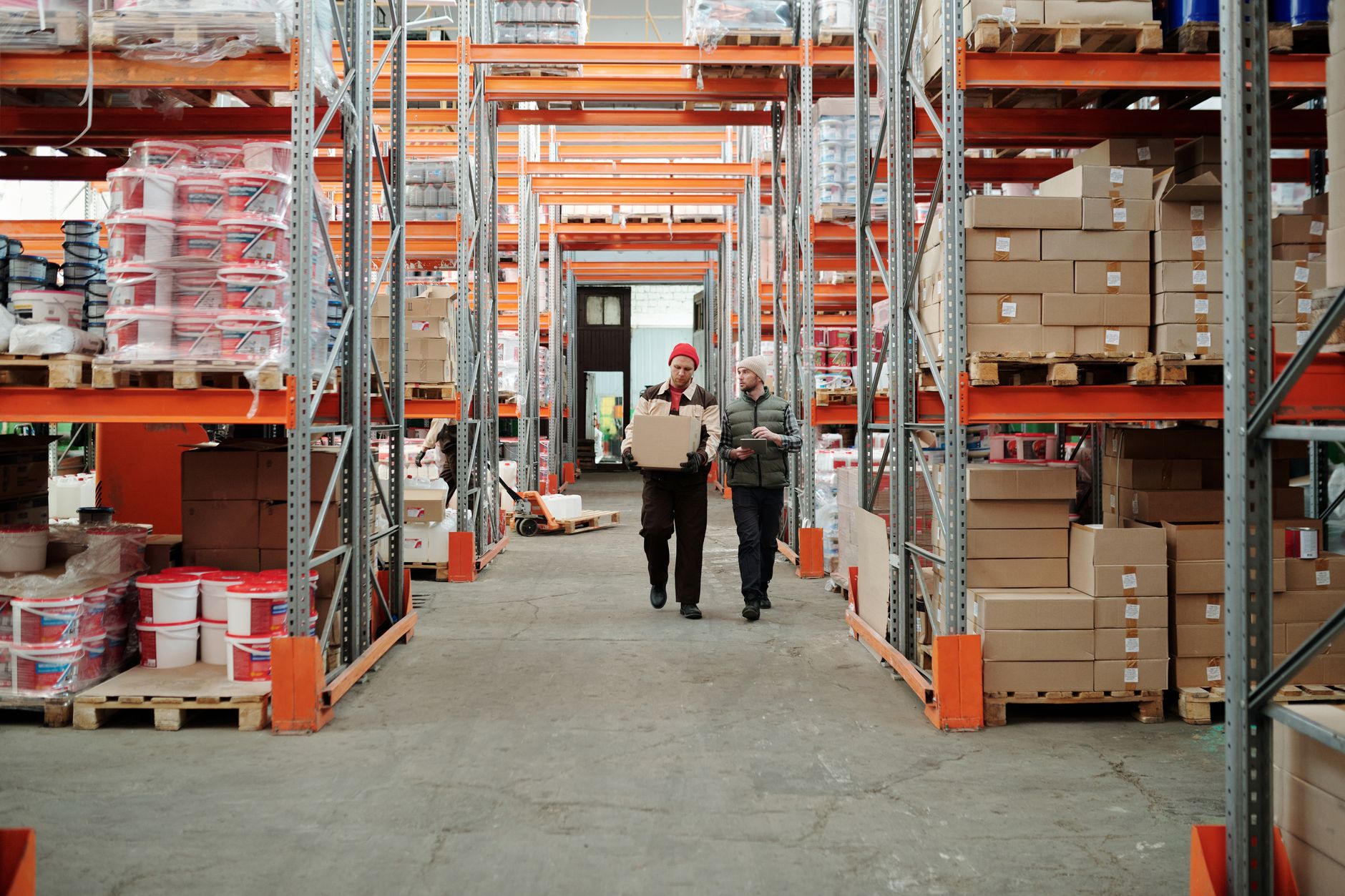
Most of the work sits in a handful of places in the packaging hall. The zones below show where a cobot fits in a typical packaging area. Each one still needs its own layout review, because the right position depends on the line, the floor and the people who walk past it.
A station is usually the cobot's home base, not the whole room. Keep the aisles, the forklift path and the handoff points clear and marked. The more clearly the zones are defined, the fewer surprises there are in the first week after go-live.
How does it work alongside existing staff?

A cobot works best as part of a robot plus a smaller team, not as a replacement for the whole crew. The operator who once stacked every case now feeds the cell, clears exceptions, runs changeovers and keeps the batch paperwork moving. A line with zero staff is not a plan we would recommend for a regulated plant.
Safety in this setup comes from the application. ISO/TS 15066 defines four collaborative modes: safety-rated monitored stop, hand guiding, speed and separation monitoring, and power and force limiting. Which mode fits depends on the task and on the people who work near it. Experts caution that removing fences does not remove the need for application-level hazard review, such as sharp tools in the work area.
Training matters as much as hardware. Operators need to know how to stop the cell, how to clear a jam without reaching into the path and how to spot a pattern that has gone wrong. We train the staff as part of deployment and integration, then stay available through go-live support.
What drives the savings?
The savings come from hours, not from a headline figure. The hours that matter are the open shifts a line goes without, the overtime used to cover them and the time spent on repetitive lifts. We do not have a verified hour range for any particular plant, so the real figure should come from your own shift data during a site assessment, not from a general promise.
The labor side is shaped by the wider market. According to pharmuni, citing Bureau of Labor Statistics data, U.S. pharmaceutical manufacturing jobs reached 358,600 in June 2026, up from 357,000 in May. A rising headcount still means competition for the same workers, so a station that a cobot covers no longer depends on finding one more person for every shift.
Cycle time is a real constraint. Engineering.com notes that lower force limits require reduced speed and acceleration, which affects cycle time. A plant running a very high-speed line should expect a cobot to cover a lower-rate station, not the fastest packaging line on site.
What can a cobot not do?
The limits of cobots for pharmaceutical manufacturing plants are worth knowing before you commit. A cobot is not a fast palletizer for a high-throughput line, and it is not a heavy-duty handler. Cobots typically handle lighter payloads and lower speeds than large industrial palletizers, although sources say this only partly. Check the payload and the cycle time against your own product, cases and pallet weights before deciding anything.
It cannot take over judgment. A cobot cannot release a batch, pass or fail a pack, or escalate a deviation. Those decisions stay with the people who own the quality system, and a good layout keeps them within easy reach of the cell.
It also needs a validated setup. In a regulated plant, a new station goes through change control and validation before it runs product. We plan that work into the deployment, but the timeline is set by your quality group, not by the robot.
How do you get started?
Start with a free site assessment. We map the line, measure the stations, review your shift data and identify where a cobot would take the most repetitive work. Then we recommend the right robot for your site, not the one we happen to have on hand. That step also shows whether one station makes sense first or a larger plan does.
The robot is leased through financing, and the payment comes in the quote. That quote is issued after the site assessment, so the fixed robot lease payment reflects your line, your layout and your term rather than a generic figure. Lease financing programs can start with one leased unit, which lets you prove the station before adding a second.
After the lease is in place, we handle robot deployment and integration, train the staff and provide go-live support. Service runs nationwide, with on-site dispatch when a unit needs hands on it and remote triage to sort out smaller issues first.
Frequently asked questions
Upcoming manufacturing events
- Trade showBrats & RobotsNov 10, 2026Alliant Energy Center Exhibition Hall, Madison, WI
- Trade showMATE Farm & Ranch ShowFeb 11 to 13, 2027MetraPark, Billings, MT
- ExpoPFMA Expo 2027Feb 17 to 18, 2027Washington County Fair Park, West Bend, WI
- ExpoLouisville Facilities Maintenance ExpoApr 15, 2027Mellwood Art Center, Louisville, KY
Want a cobot at your pharmaceutical manufacturing plant?
Tell us about your site. We will recommend the robot, quote the lease, and keep it serviced.
Sources
- Packworld (Pack Expo), citing BLS projections
- Pharmuni, citing BLS employment data
- CPHI analysis, February 2026
- Syracuse biologics talent report (regional)
- IFR president's report, 2026
- Automate, ISO/TS 15066 explained
- Automate, collaborative robots for packaging and palletizing
- Engineering.com, collaborative robot safety and cycle time