
Key takeaways
- Welder shortages are often what caps how many vessel bids a shop can win.
- Cobots take repeat weld passes and fit-up on standard components, shortening cycle time on work you already have.
- The large published gains come from robotic welding cells, not cobots, so treat them as direction rather than forecast.
- Every cell still needs a welder for complex joints, a fitter to set parts and an operator to run it.
- Start with a free site assessment, then review the quote and its payment terms before any lease is signed.
Can cobots for pressure vessel fabricators help a shop win more bids?
Yes, in the part of the job that repeats. Cobots for pressure vessel fabricators are most useful on repeat weld passes and fit-up tasks across standardized vessel components, such as nozzle attachments, bracket tacks and seams on heads and shells of the same size. The cell takes that repetition, and your welders keep the complex joints, the layout work and the inspection.
The benefit that changes a bid is time. A shop can only quote as many vessels as its welding and fitting hours allow. When a cobot takes repeat work off a welder's day, the hours tied up on a known job open up for another quote, and the shop can plan delivery dates with less padding. That is the practical gain, and it matters more than any headline speed figure.
Read speed claims carefully. The published welding results we found are real, but they come from industrial robot cells rather than collaborative robots, and our search turned up no cobot case that reports a pressure vessel cycle time. Treat the figures later on this page as direction, not forecast.
What slows a pressure vessel shop down today?
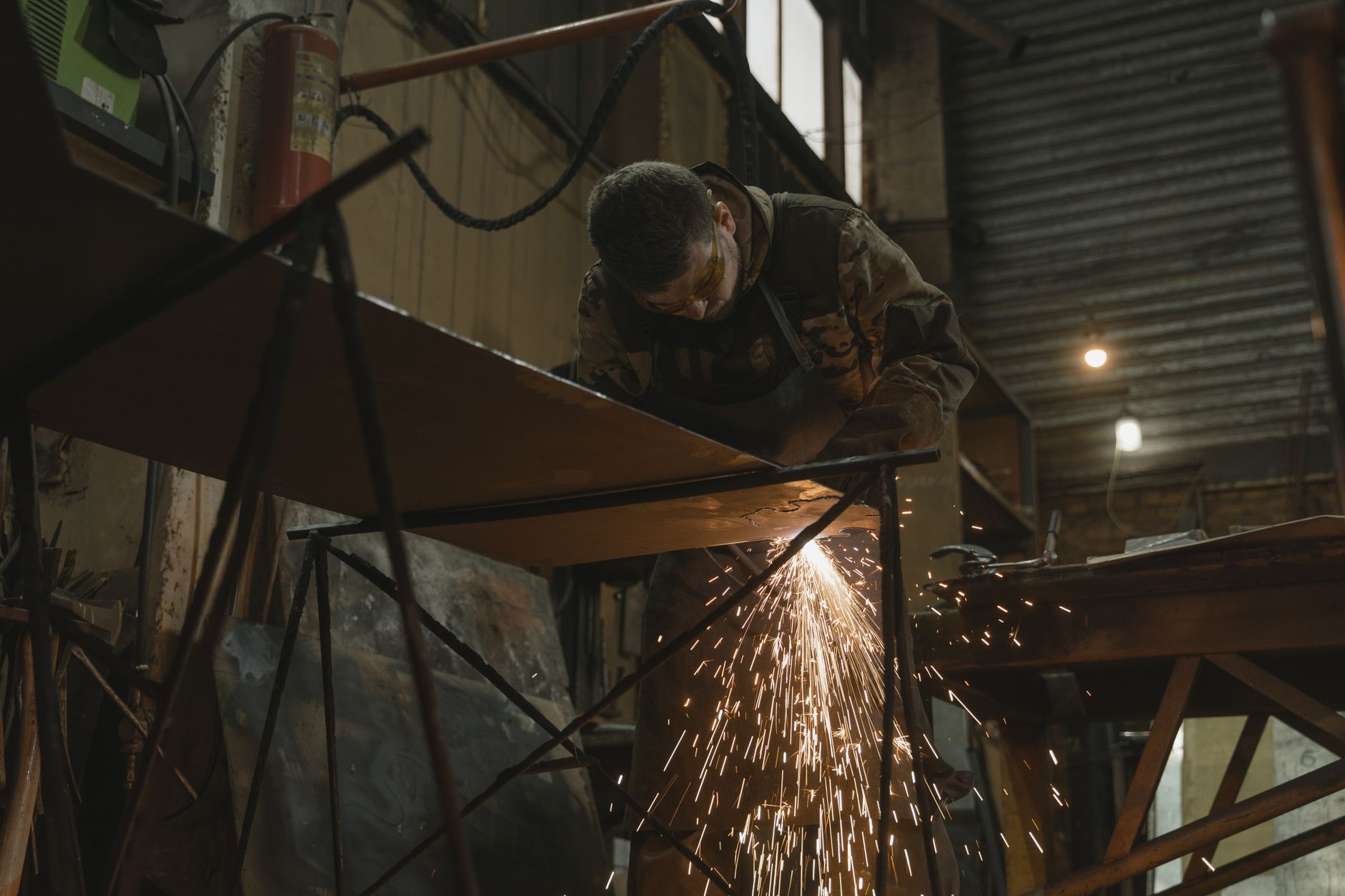
Most of the bottleneck is people. The American Welding Society projects a shortage of more than 300,000 welding professionals by 2029, and local leaders quoted in a 2026 news report say the gap is widening. The same coverage says the average welder is in the mid-50s and that about half of the experienced welding workforce is expected to retire in the near future.
Hand welding is slow on large vessel work, and hours are where bids are lost. A dated industrial case from 2001 describes a vessel that took a welder 14 hours by hand and was welded in about two hours by a robotic cell. That cell was coded by a certifying body as meeting pressure vessel regulations. The example is old, but it shows what repetitive hand work takes in hours.
Shop count is part of the picture. The U.S. Census Bureau's 2002 Economic Census counted 464 establishments under the code for heavy gauge metal tank manufacturing, compared with 614 in the 1997 census, which also counted about 33,700 employees. Those counts are dated and the code is broad, so they describe the size of the field rather than a current tally. In a field this size, one lost welder can mean one lost bid.
What are the main benefits for a fabricator?
The benefits follow the work, not the brand of equipment. For a pressure vessel fabricator, a cobot gives four practical gains:
The schedule gain usually changes bids most. When a repeatable portion of a job runs in the cell, the rest of the job becomes easier to plan, and the shop can commit to a delivery date with more confidence. Many shops see that planning certainty first, before it shows up in any hour count.
Consistency helps too, but keep the claim narrow. A cobot repeats the same parameters and travel path on standard seams, which suits uniform repeat work. It does not replace weld procedure qualification or the inspection your vessel code requires.
- Shorter cycle time on repeat weld passes and fit-up on standard components
- A steadier schedule, since the cell runs the same program across a whole batch
- Welders freed for complex joints, out-of-position work and the inspection that needs them
- More bids taken from the same welding bays, without rebuilding the shop
How does a cobot work on the shop floor day to day?
The day starts with setup, not welding. An operator loads the right fixture for the part, confirms the program for that seam and checks the material against the drawing. A cell is only as fast as its fixtures, so the setup crew matters as much as the arm.
During the run, the cobot tacks or welds the standard passes while a welder works a nearby joint or a different job. The operator watches arc quality, wire feed and fixture position, and steps in when a part does not match. When the batch finishes, parts go to the bench for dimensional checks and are staged for the next stage.
Programming is part of the routine. The weld path for a standard component is taught once and reused on each repeat batch. A new part means teaching a new path, which takes engineering time up front and then returns hours on every repeat run.
Which areas of the shop does a cobot work in?
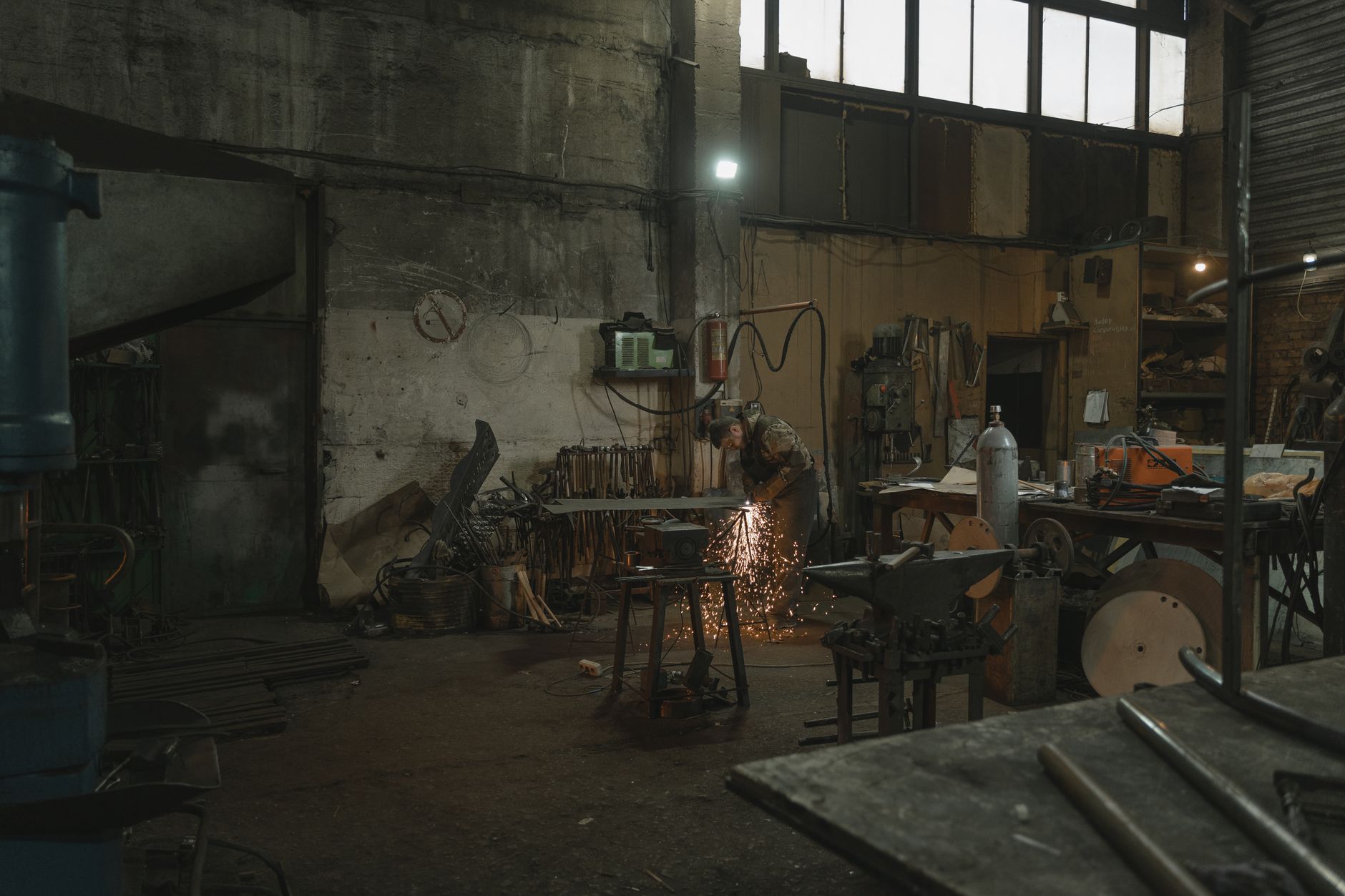
Think of the cobot as a station, not a machine that roams the building. It works in a fixed set of places, each tied to a step in the job, and it stays near the fixtures and material it is fed from.
The zones below show where that happens in a typical vessel shop. The cell sits close to the fit-up table and the weld bay, while inspection and shipping stay where your quality staff already work. Keep the layout simple enough that the fitter can reach the part and the operator can see the arc.
How do cobots work alongside welders and fitters?
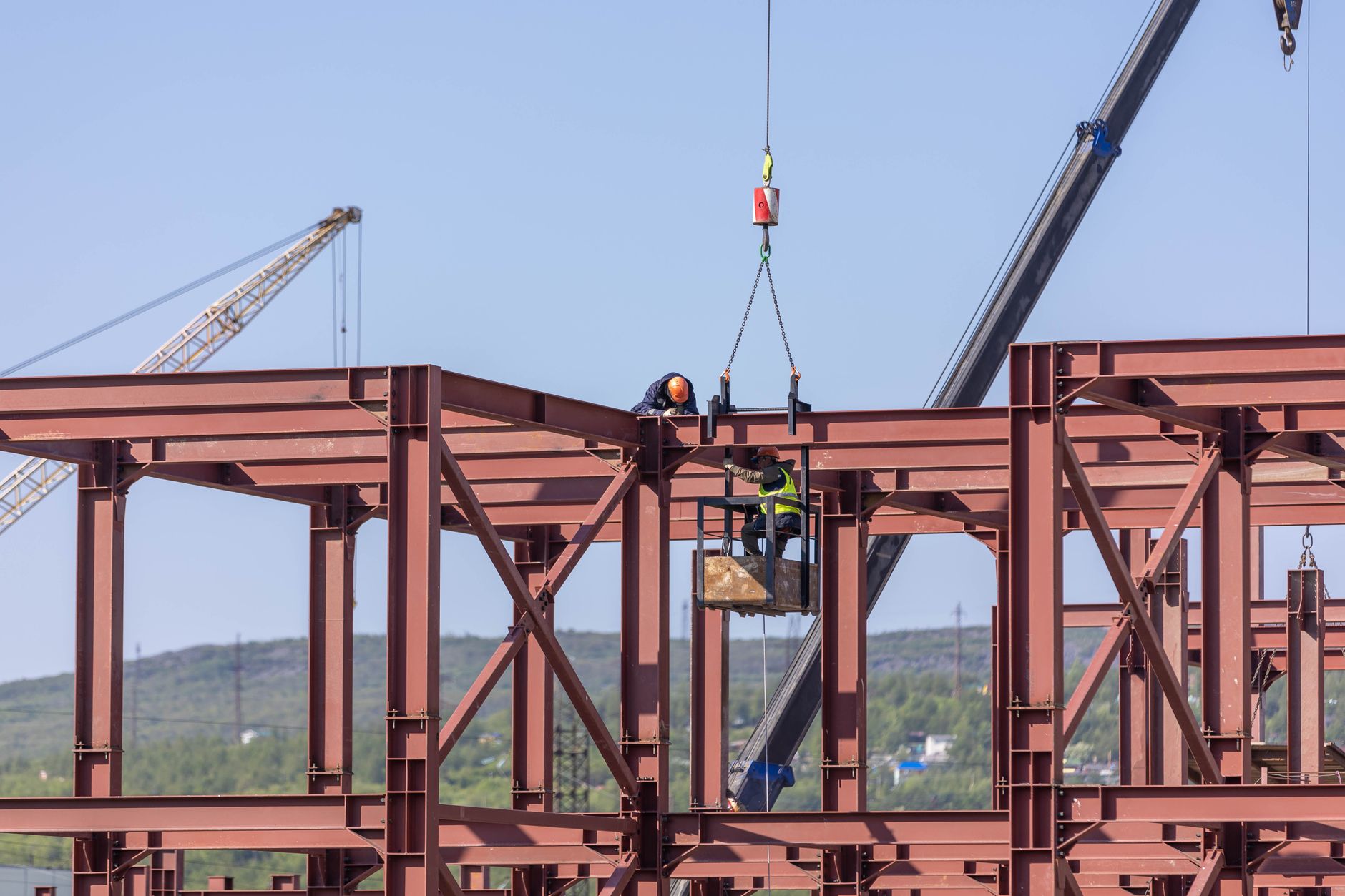
A cobot needs people around it. Every cell still has a welder who qualifies the procedure, a fitter who sets the part and an operator who runs the cell. The robot takes the repeat hours, and the team keeps the judgment.
A cobot never runs a shop alone, and the best outcomes keep the existing crew intact. The same welders and fitters handle more jobs, and an experienced operator is often moved into the cell role early so the know-how stays in the shop.
Training is the part people underestimate. Our team trains the staff who will run the cell and stays on site through go live, so your people learn program edits and fixture checks before the cell carries a full schedule. A welder who understands the cell is more useful on the complex work that remains.
What drives the savings in hours and labor?
Savings come from hours on repeat work and from hours lost waiting on it. The clearest published figures come from robotic welding cells, not cobots. According to an International Federation of Robotics case study of flexible welding cells for large pressure vessels, overall cycle time was reduced by 50%. A robotics trade case study of a pressure vessel head welding cell reports that pressure vessel manufacturing throughput rose by 40%. The first case used industrial robots, and the second does not name a cobot, so read both as evidence of robotic welding, not a forecast for a cobot on your floor.
Market signals point the same way. According to the International Federation of Robotics, cobot installations reached about 66,000 units in 2025, about 11% of all industrial robot installations, and total industrial robot installations were 603,000 units (+11%). That shows collaborative robots are now a common part of factory work, though the figure covers all sectors, not pressure vessels.
The real test is your own hours. Log the repeat-work hours before and after go live, then compare them with the bids you turned down for lack of welding time. Our free site assessment is where we set that baseline with you, so the numbers that decide the return come from your shop.
What can a cobot not do in a pressure vessel shop?
Start with the limits. A cobot does not weld every joint on a vessel. Complex geometry, out-of-position welds, very thick plate and large heads usually stay with a qualified welder, and the cell is designed for the repeat portion of the job.
A cobot also does not certify its own work. Weld procedures, welder qualification and the inspections required by the vessel code stay with your quality team. The 2001 cell in our example was coded by a certifying body, which shows that documentation matters as much as the arm.
Fixtures and programming are real constraints. A cell that handles one standard component well can struggle with the next part unless the fixture and program are reworked. The site assessment should show which parts repeat enough to justify that setup time.
How do we get started with cobots for pressure vessel fabricators?
Start with a free site assessment. We look at the parts you run, the welding bays and power available, the floor space and the fixtures you already own. A cobot is matched to the site, and the quote is prepared after that assessment. The payment comes in the quote, so the full terms are on paper before you commit.
The robot is leased through financing, and that is the only way we place it. Many shops begin with one leased unit on a single repeat component, then add cells as the hours come back. A phased start keeps the change small enough to manage alongside live work, and it lets your team learn the cell before the schedule depends on it.
Once the cell is ready, we handle deployment and integration, train the staff and service the unit nationwide. Go live support keeps your team on the cell through the first production runs, so the schedule is ready for the next bid.
Frequently asked questions
Upcoming manufacturing events
- Trade showBrats & RobotsNov 10, 2026Alliant Energy Center Exhibition Hall, Madison, WI
- Trade showMATE Farm & Ranch ShowFeb 11 to 13, 2027MetraPark, Billings, MT
- ExpoPFMA Expo 2027Feb 17 to 18, 2027Washington County Fair Park, West Bend, WI
- ExpoLouisville Facilities Maintenance ExpoApr 15, 2027Mellwood Art Center, Louisville, KY
Want a cobot at your pressure vessel fabricator?
Tell us about your site. We will recommend the robot, quote the lease, and keep it serviced.
Sources
- KY3 news report on the welding workforce shortage, citing the American Welding Society
- International Federation of Robotics, president's report 2026
- International Federation of Robotics case study, flexible welding cells for large pressure vessels
- Association for Advancing Automation case study, pressure vessel head robot welding cell
- Bureau of Labor Statistics, Occupational Outlook Handbook, welders, cutters, solderers and brazers
- U.S. Census Bureau 2002 Economic Census, NAICS 332420 Metal Tank, Heavy Gauge
- U.S. Census Bureau 1997 Economic Census bridge table, NAICS 332420