
Key takeaways
- Cobots take repeat part removal and trimming off the press operator, so presses keep cycling.
- Rubber products employment fell 9.6% over three years, so each operator's hours matter more.
- According to IFR, cobots made up about 11% of industrial robot installations in 2025 data.
- Savings show up as operator hours returned to the line, measured on your own presses.
- A free site assessment comes first, and the robot is leased through financing with terms in the quote.
Can cobots for rubber molding plants fix the press operator bottleneck?
Yes, for the right press. Cobots for rubber molding plants earn their place first on repeat part removal and trimming. A cobot, or collaborative robot, is an arm built to share a work area with people. At a molding press it can unload parts on each cycle and move them to a trimming fixture, conveyor or tote, while the operator spends time on setup, inspection and supervising the cell.
The fit is practical. These tasks repeat on a fixed rhythm, and they pull an operator away from the work only a person should do. When the operator is at a trim bench, the press waits or the operator rushes. A cobot keeps the rhythm going, so the press stays productive and the operator stays on judgment work.
We are Service Robot Co., a US commercial robot integrator. We pick the right robot for your site, lease it through financing, deploy and integrate it, train your staff, and service it nationwide. The rest of this page covers the daily work, the limits, and how to start.
What problem do rubber molding plants face today?
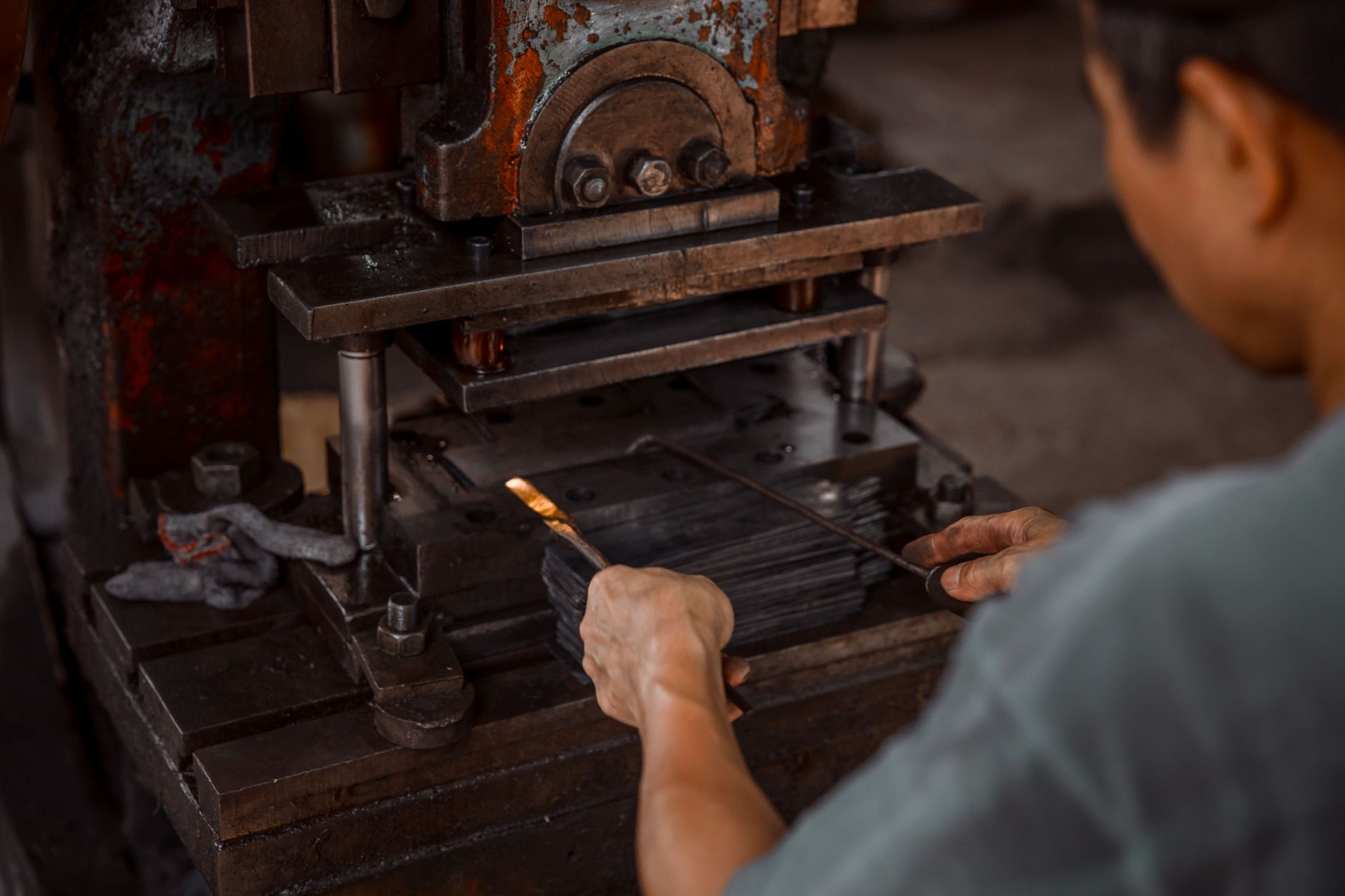
Rubber molding is labor heavy at the press. Operators open the mold, pull hot parts, carry them to trimming and stack what comes off. Each step is short, but it repeats every cycle for the whole shift, and the operator is often the same person who clears flash and keeps the press moving.
The labor pool is shrinking. According to a compilation of Bureau of Labor Statistics data, employment at rubber products manufacturers fell 9.6% over the past three years and 5.7% over the past decade. That same compilation counts about 1,300 companies employing 132,600 workers in the industry.
For a press operator, fewer colleagues means more of the shift goes to repetitive handling. That is the time a cobot can take back, so the people left focus on setup, quality and running more than one press.
What are the main benefits for a molding plant?
Cobots are a growing part of the industrial robot market. According to the International Federation of Robotics, cobot installations reached about 66,000 units in 2025 data, about 11% of all industrial robot installations. Cobot growth was 7%, below the overall market, and annual industrial robot installations passed 600,000 units for the first time, reaching 603,000 (+11%), as reported by IFR.
The benefits are practical. The main one is press time: when unloading is automated, the press is not waiting on a person to clear it. The second is operator time, which moves from repeated pulls to setup and checks.
Ergonomics matter too. A thesis on cobot press tending hypothesized that a cobot extracting and stacking plates from a hydraulic press could cut cycle times and reduce ergonomic risk. The excerpt gave no figures, so treat that as a reason to test on your floor, not a measured result.
- Parts come out on a consistent rhythm, so the press is not held up by handling.
- Operators move to setup, inspection and supervising more than one cell.
- Less repeated reaching and hot-part pulling at the press, which is the ergonomic case worth testing.
- Trimming happens at a fixed station, so trim quality depends less on who is on shift.
How does the robot work at a press day to day?
Setup happens once per mold. The gripper is built for your part, and the program is taught to move from the press to the trim fixture, conveyor or tote. Once running, the cell repeats the sequence each cycle, while the operator monitors from a nearby station and watches the first pieces of each run.
Durability is the question most molders ask. A vendor-reported case from a plastic moulding plant ran a cobot for six months of continuous 24/7 operation without unplanned downtime. That is a plastics case, not a rubber one, so it shows what the hardware can sustain, not what your press will do.
Operators still handle what the robot cannot. Mold changes, parts that jam, flash that needs a second look and first-piece checks stay with people. Between those tasks, the operator watches the cell and responds when the robot signals a stop.
Which areas of the plant does the robot work in?
A cobot does not need its own building. It works in the bays where handling and trimming happen, passing work to the stations around it. The areas below are where that matters most.
Where the floor layout allows, the cell sits between the press and the downstream work, so parts move without an extra step. The site assessment checks reach, floor space, power and the path from press to staging.
Keep the robot to the areas it fits. Mold changes, heavy hand finishing and bulk material handling usually stay with people or other equipment.
How does a cobot work alongside your existing staff?
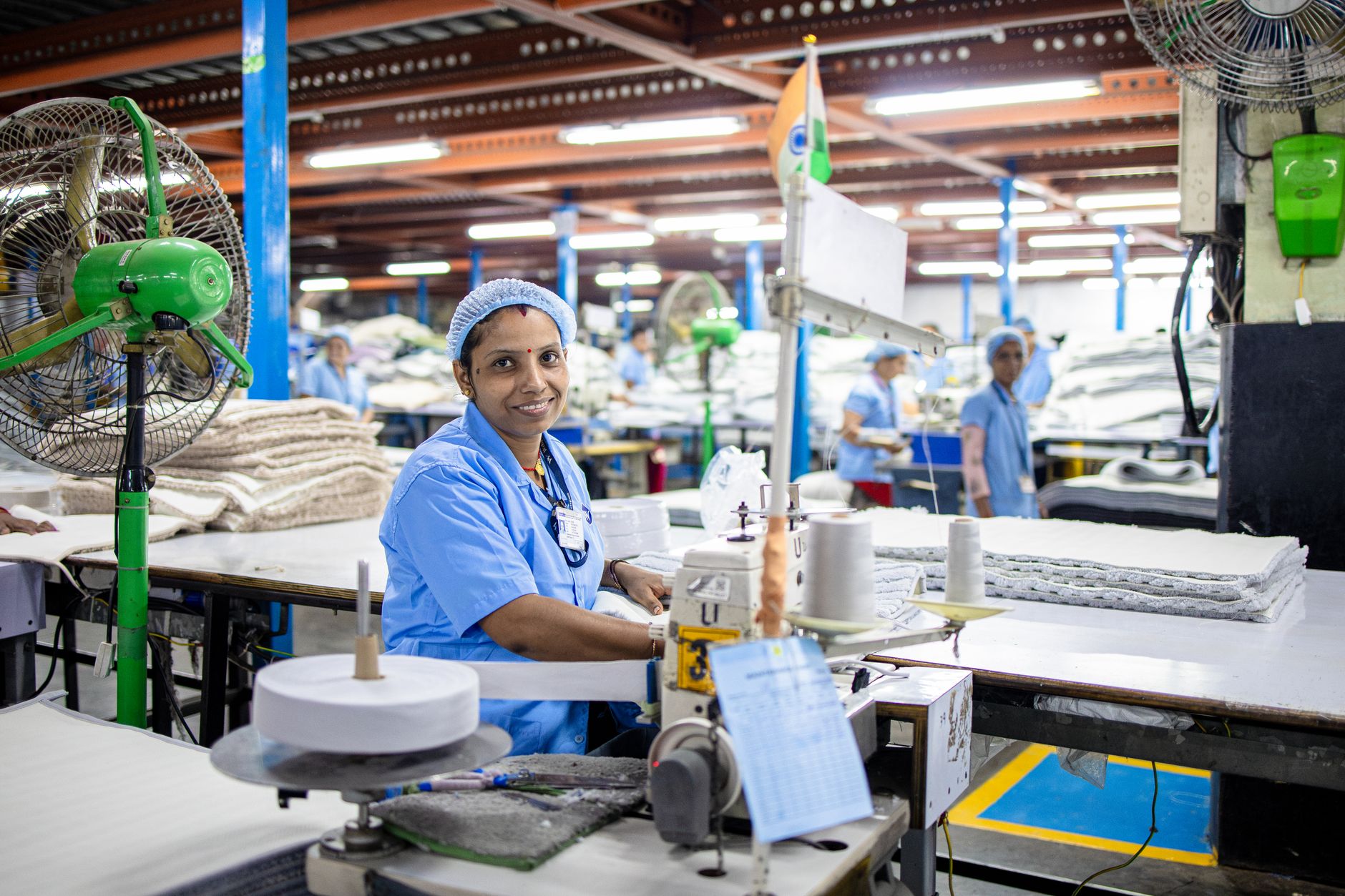
A cobot works best as part of a team, not a replacement for one. A typical setup keeps a smaller crew: an operator per press or cell to supervise, check parts and handle setup, plus a maintenance person who knows the mold and the robot. The robot takes the repeat motion off that crew.
Training is part of deployment. We train the people who run and clear the cell, so they know how to stop it, clear a jam, restart it, and when to call for service. Operators usually take on setup, checks and cell supervision, which is a broader job than pulling parts all shift.
Plan for at least one person on the floor at all times, and keep the manual path open. If the robot is down, the press can still be run by hand while the service team works the issue.
What drives the savings, measured in hours?
Savings come mostly from operator hours returned to the press line, plus steadier output. Hours are the honest unit here, because results depend on your press count, part mix and shift pattern.
Vendor-reported cases from other shops give a sense of scale. A Swedish machine shop cut cycle time by 12 seconds per task and reported about 500 hours saved on a 150,000-part run. A custom injection molding case reported a cobot that quadrupled output, with return on investment in under two months.
Those numbers come from other shops and vendors, and they are not forecasts for your floor. Your own hours depend on cycle time, press count and present staffing, which the site assessment measures before anything is quoted.

What can a cobot not do?
A cobot is not the right tool for every press task. Payload and reach are limited, so heavy molds, very large parts and fast mold changes stay with people or other equipment. A cobot also needs fixtures and a defined path, so it fits repeat parts better than a shop that changes product every hour.
It does not judge every defect. Vision and inspection can be added, but a person still checks first articles and reviews faults. It also does not correct a press that is out of tune. If the mold or press has a problem, the robot repeats that problem faster.
Honest answers like these are why the site assessment comes first. We would rather tell you the job is not a fit than leave an arm standing idle on your floor.
How do you get started?
Start with a free site assessment. We look at your presses, parts, trim steps, floor space and power, then recommend a robot and a layout. Nothing is installed until you have seen the plan.
The robot is leased through financing. The terms come in the quote, which we provide after the site assessment, so the numbers reflect your site rather than a guess. Many plants begin with one leased unit on one press, then add more once the first cell is running well.
Once the cell is chosen, we integrate it, train your staff and provide go-live support. We service the robot nationwide, with on-site dispatch and remote triage for problems. For most cobots for rubber molding plants, the first step is one press and measured results before anything bigger.
Frequently asked questions
Upcoming manufacturing events
- Trade showBrats & RobotsNov 10, 2026Alliant Energy Center Exhibition Hall, Madison, WI
- Trade showMATE Farm & Ranch ShowFeb 11 to 13, 2027MetraPark, Billings, MT
- ExpoPFMA Expo 2027Feb 17 to 18, 2027Washington County Fair Park, West Bend, WI
- ExpoLouisville Facilities Maintenance ExpoApr 15, 2027Mellwood Art Center, Louisville, KY
Want a cobot at your rubber molding plant?
Tell us about your site. We will recommend the robot, quote the lease, and keep it serviced.