
Key takeaways
- Cobots take repetitive loading and handling so skilled finishers spend more hours on precision work.
- Finishing and inspection roles are hard to staff and slow to train, which makes people the real bottleneck.
- Published case studies report hours freed per shift, but most figures come from vendors and vary by job.
- A robot plus a team is the working model, with technicians keeping setup, inspection and quality decisions.
- A sensible start is one leased unit on one cell, after a free site assessment and a quote.
How can cobots for surgical instrument manufacturers help?
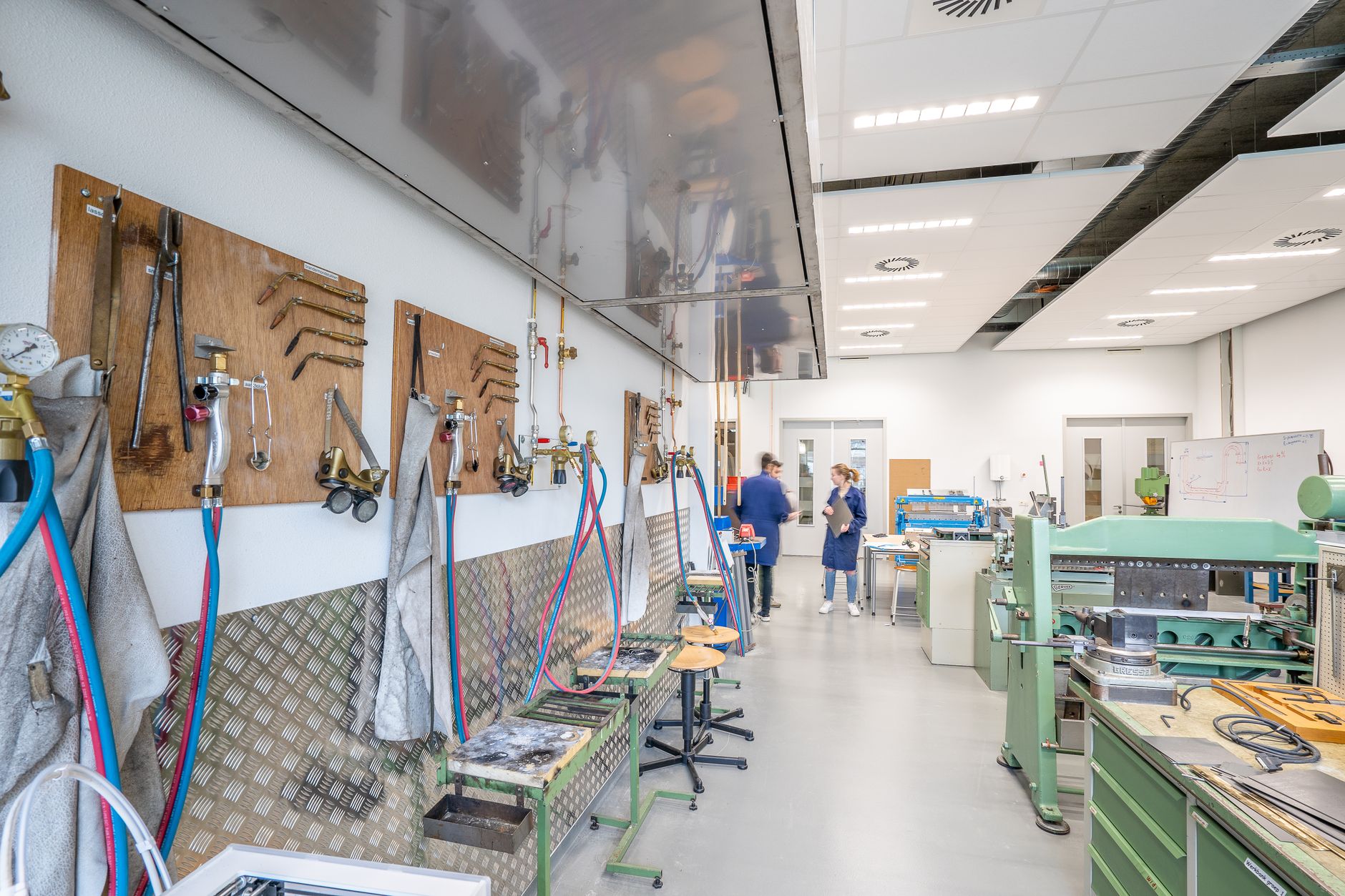
Cobots help most by taking the repetitive steps off the bench, so the people who are hardest to replace can spend their hours on the work that needs a trained eye and steady hands. At a surgical instrument plant the difficult part is rarely the loading or counting. It is the hand finishing, the inspection and the judgment that comes from years at the bench.
A cobot is a collaborative robot arm built to work beside people in a shared space. In practice, cobots for surgical instrument manufacturers handle part presentation, machine tending, transfers between stations and simple inspection handoffs, while technicians keep the finishing and every decision that needs a person.
The benefits show up in three places: fewer hours lost to repetitive tending, more consistent handling from one batch to the next, and more time for the skilled finishing work that is hardest to staff. The sections below cover the problem in detail, the day to day work, the areas where the arm works, and what the numbers do and do not show.
What makes finishing and inspection so hard to staff?
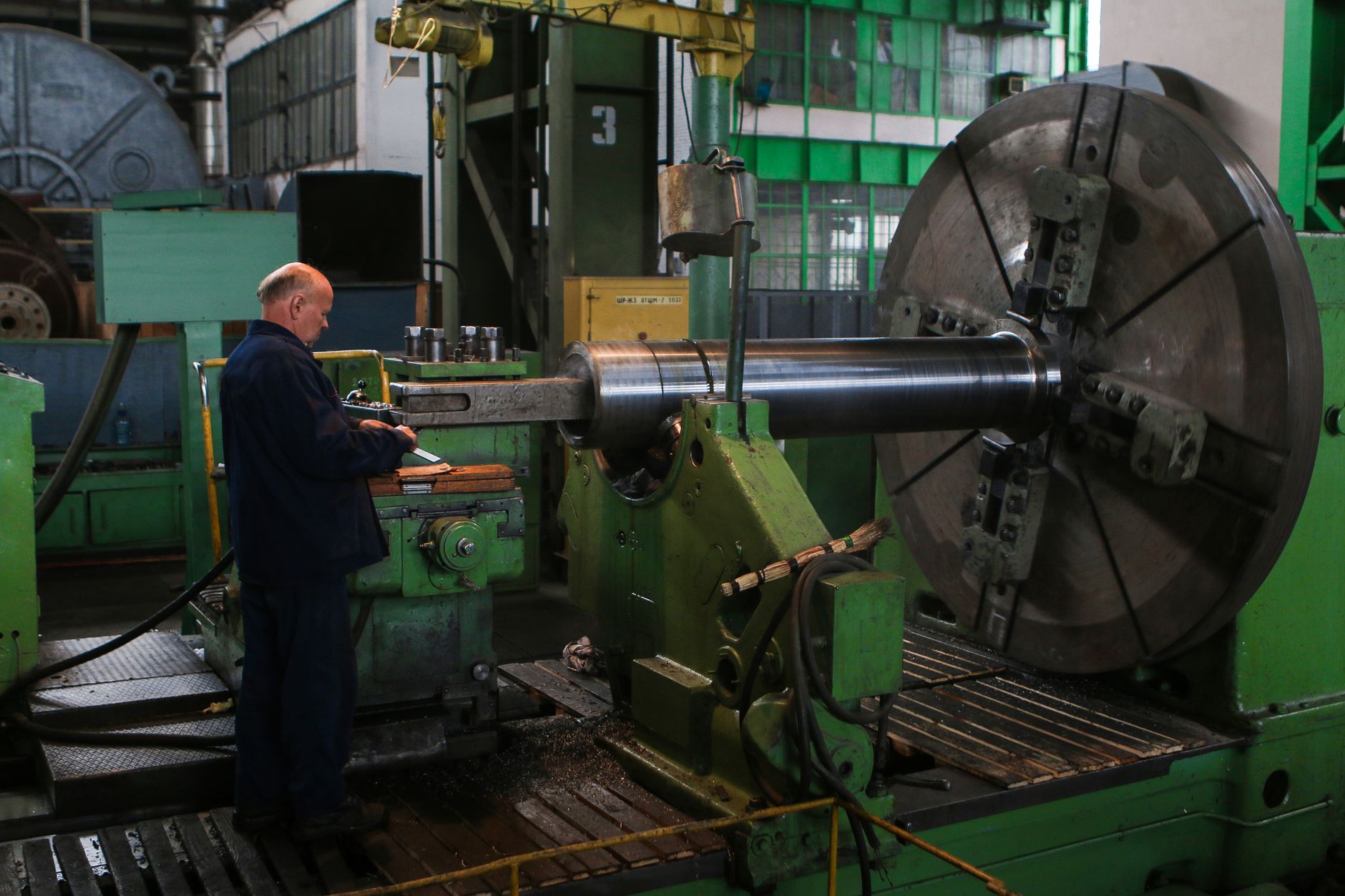
Hand polishing is the step that most depends on experience. A Callaghan Innovation case study of a New Zealand manufacturer describes polishing as labor-intensive, with too few skilled polishers and an aging workforce. When an experienced finisher leaves, the bench cannot simply absorb a replacement, because the craft has to be learned on the job.
A job posting for instrument repair work asks for two or more years of experience, while some employers offer in-house training to candidates with no prior experience. That gap matters because the training is slow and the bench cannot wait for it. Inspection has the same problem: each check depends on a technician who knows what an acceptable part looks like, and that knowledge takes time to build.
The result is a bottleneck that sits in people rather than in machines. The equipment can run, but the bench slows down whenever a finisher is out, and the cell cannot run at full speed on a thin team.
What do labor shortage figures show for manufacturing?
The shortage is not limited to one kind of plant. The ETQ Pulse of Quality in Manufacturing 2025 survey reports that 70% of U.S. respondents say their organizations are affected by a labor shortage, and 88% say the shortage has affected product quality or service. The sample covers manufacturers in general, including medical device firms, so read it as a broad signal rather than a count for instrument shops.
The skills gap is also tracked globally. According to the World Economic Forum and Deloitte, as cited by the Irish Times, about 10 million manufacturing jobs worldwide cannot be filled because of a widening skills gap.
The closest published occupation to instrument machining is metal and plastic machine workers. According to the Bureau of Labor Statistics, employment in that group is projected to decline 7 percent from 2024 to 2034, while about 87,900 openings a year on average come from replacement needs. Entry typically needs a high school diploma and 1 year of on-the-job training.
For an operator, the meaning is simple. Openings keep coming even as the pool of experienced people shrinks, so the bench depends on keeping skilled staff productive and on bringing new people up to speed faster.
What are the main benefits of cobots in this setting?
The benefits follow the bench. Each one either returns skilled hours to finishing and inspection or makes the work more even from batch to batch.
Some vendor material also describes cobots with six-dimensional force sensors running closed-loop polishing control. Treat that as a product claim, not an independent result. The practical test is whether the finish holds up on your parts, measured against your own inspection standard.
- Skilled finishers spend more of the shift on polishing and checking, because the arm handles the loading and unloading between steps.
- Handling is repeatable. The same fixture and program place each part the same way on every cycle, which reduces variation between operators and shifts.
- Machine tending keeps a cell running between operator visits, so a spindle is not left idle while a technician is busy at the bench.
- Inspection handoffs can be automated. Vendor material describes cobot vision for dimensional checks and surface inspection, a claim the seller makes that needs a trial on your own parts.
How does the robot work day to day at the bench?
A typical cell starts with a technician loading the fixture and confirming the program for the day's part. The cobot then picks parts from a tray, places them into a machine or onto a polishing fixture, and moves finished parts to a staging point while the technician works the precision step at the next station.
Between those cycles, the arm does the repetitive transfers that would otherwise pull a finisher away from the bench. The technician reviews output at set intervals, clears any stop, and resets the fixture when the batch changes. Routine work fills the shift without taking the most skilled part of the job away from the person.
The arm is not hands-off. Someone sets up the program, watches for drift in part position, and decides when a part fails inspection. Those decisions stay with the technician, and they are where the team's skill counts most.
Which areas of an instrument plant does the robot work in?
A cobot works best in bounded areas where the steps are repetitive and the part position is known. In an instrument plant that usually means a handful of cells near the bench, not the whole building.
The zones below show where that work tends to sit. The exact layout depends on the site, and the site assessment is where we confirm which cells are worth the arm.
Keep the arm in cells where the path is short and the part is fixed. Keep final judgment, and any step that needs a person to see the part up close, at the bench.
How do cobots work alongside your existing staff?
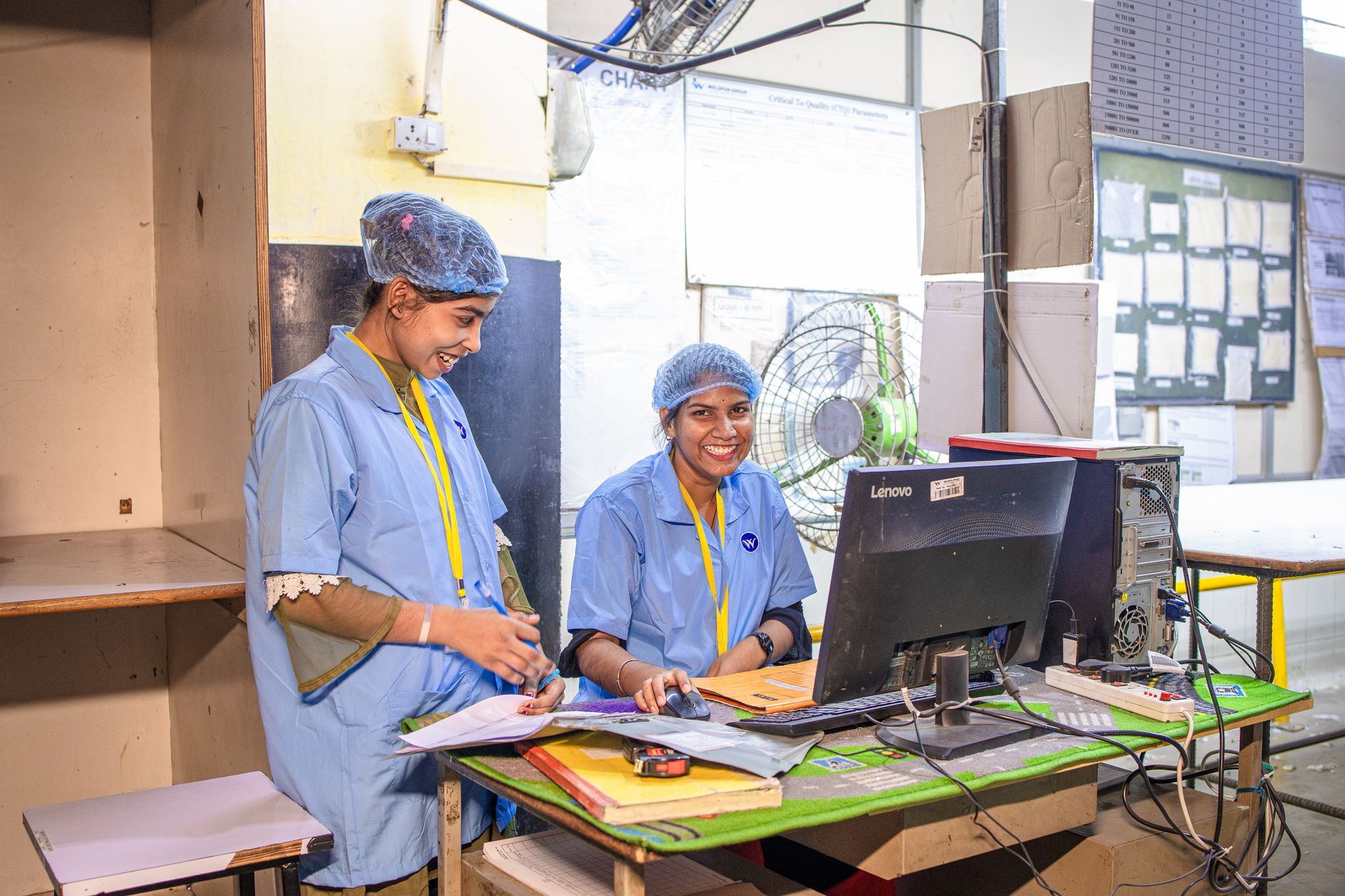
The working model is a robot plus a team, never a robot working alone. The usual change is not an empty floor but the same technicians covering more of the skilled work, with fewer hours spent on loading and transfers.
Published case studies show what that can mean in hours, though they come from vendors and integrators. In one Swiss machine shop case reported by Robotics Tomorrow, two cobots on CNC mills added 32 hours of machine running time per week and brought weekly production to 76 hours. In a four-cobot case reported by Robotics and Automation News, the vendor estimated 7 hours freed per shift for the operator, with payback in about 34 days.
We train the staff who run each cell, and technicians keep ownership of setup, inspection and quality decisions. The goal is that the people who know the bench also know the arm.
What drives the time savings, and what should you expect?
Time savings come from three places: less idle time on the machine, fewer hours of manual transfer, and fewer stops when a batch changes over. How much each one matters depends on how much of the shift went to repetitive steps before the arm arrived.
Published figures give a sense of scale. A vendor-reported case, published by Case Studies, describes a cobot setup on a 150,000-part run at a Swedish machine shop that saved about 500 hours, with payback expected in nine months. These are vendor or integrator figures from their own shops, so they describe possibility rather than a forecast for your plant.
Across these cases the time ranges run from about 7 hours freed per shift to 32 extra machine hours per week, and each one depends on the job, the part and the cycle time. The right test is a short pilot on one cell, with hours logged before and after, so the savings are measured on your floor.
What can a cobot not do?
A cobot does not replace the master finisher. It cannot judge a polish by feel, decide that a surface is good enough, or catch the defect that only a trained technician notices at the bench.
Cobots are also limited by reach, payload and speed. They suit light, repeatable handling and are not built for heavy lifts or fast cycles that need a dedicated industrial arm. Parts that change shape often, or that need hand fixturing, take longer to set up and can keep a technician on the job.
Validation is also your job. Medical device work requires documented process control, so the program, fixture and inspection steps have to be validated in your own quality system. Cobots for surgical instrument manufacturers work best when the quality team is part of the plan from the first week.
How do we get started?
Start with a free site assessment. We map the cell, measure the part flow, and identify the repetitive steps worth moving. The cobot lease is quoted after that work, and the payment comes in the quote once we know the scope of the cell.
Robots are only leased, through financing. We pick the right robot for the site, deploy and integrate it, train the staff who run it, and service it nationwide, with on-site dispatch and remote triage when something needs attention. Deployment is planned cell by cell so the rest of the plant can keep running while the work is done.
A sensible first step is one leased unit on one cell. That gives the team a robot pilot program to learn the setup, measure hours, and decide whether to add cells, with go live support during the first weeks when most questions come up.
Frequently asked questions
Upcoming manufacturing events
- Trade showBrats & RobotsNov 10, 2026Alliant Energy Center Exhibition Hall, Madison, WI
- Trade showMATE Farm & Ranch ShowFeb 11 to 13, 2027MetraPark, Billings, MT
- ExpoPFMA Expo 2027Feb 17 to 18, 2027Washington County Fair Park, West Bend, WI
- ExpoLouisville Facilities Maintenance ExpoApr 15, 2027Mellwood Art Center, Louisville, KY
Want a cobot at your surgical instrument manufacturer?
Tell us about your site. We will recommend the robot, quote the lease, and keep it serviced.
Sources
- Callaghan Innovation case study
- Bureau of Labor Statistics, Occupational Outlook Handbook: metal and plastic machine workers
- ETQ Pulse of Quality in Manufacturing 2025 survey
- Irish Times
- Job posting for instrument repair work
- Robotics Tomorrow case study
- Case Studies
- Robotics and Automation News case study