
Key takeaways
- Repetitive cutting handoffs, slat stacking and carton boxing are the first tasks cobots take on in blind plants.
- Blind plants draw on a small workforce, so steady output from each cell matters.
- A cobot works beside operators, so the plant keeps a team and gains steadier output.
- Savings come from hours on repetitive tasks, sized in a site assessment rather than promised.
- The path in is a free site assessment, then a quote for a lease through financing.
How can cobots benefit window blind manufacturers?
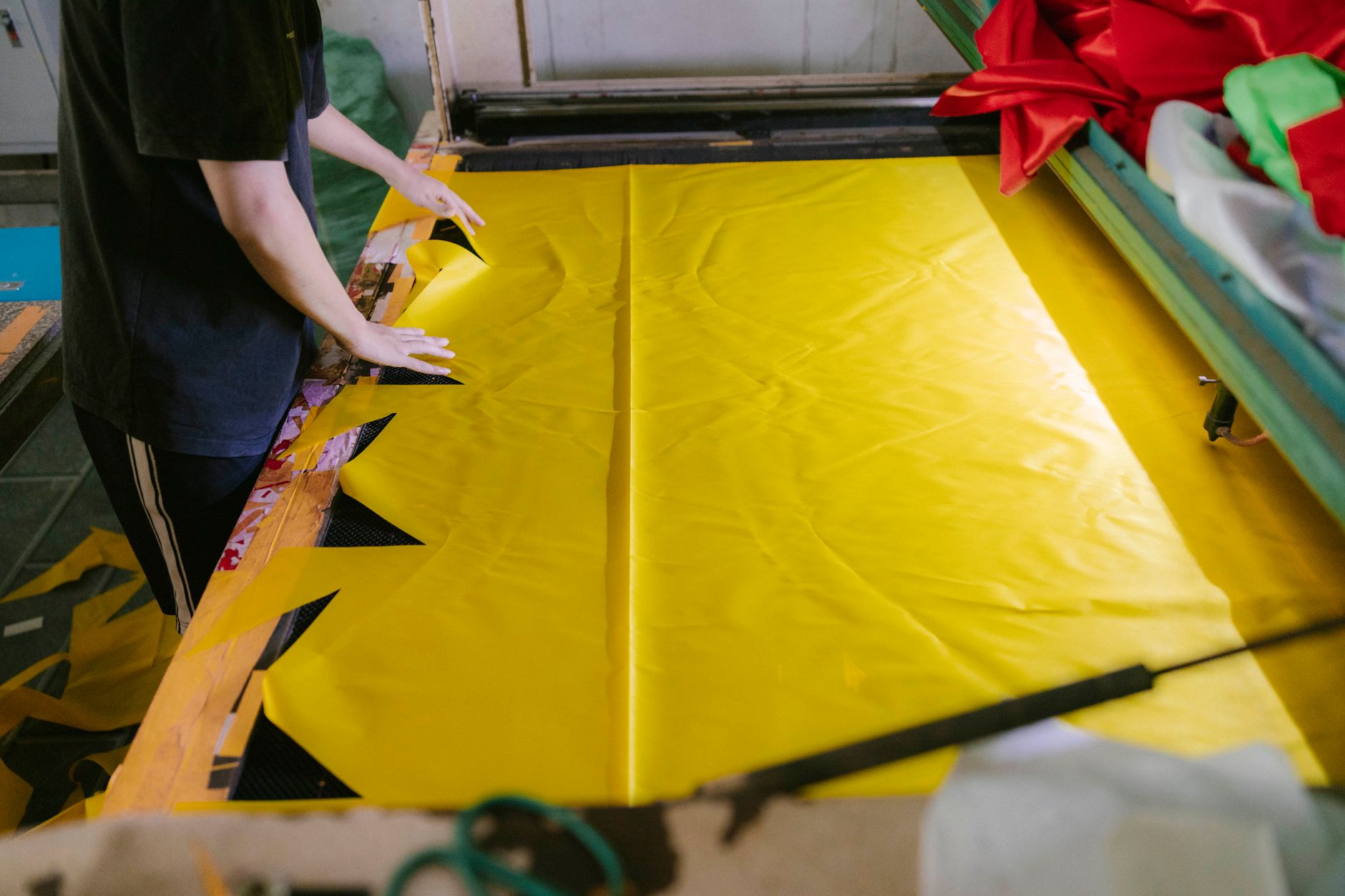
Cobots for window blind manufacturers do the most good at the repetitive handoffs that wear down a shift. Think of the moment a cut slat or headrail leaves the saw, the stacking that follows, and the boxing at the finishing end of the line. A collaborative arm can sit at those stations beside an operator, repeat the same motion every cycle, and leave the person free for checks, setup and the exceptions that need judgment.
The main benefits are steadier output across long shifts, fewer lifts and reaches for operators, and less of the day spent counting and stacking by hand. A single cell is a common place to start, so the arm works alongside the existing crew rather than replacing it. The plant learns what the cell does on its own floor before it expands.
Service Robot Co. is a US commercial robot integrator. We pick the right robot for the site, lease it through financing, deploy and integrate it, train the staff and service it nationwide. The rest of this page covers the problem, the daily work, the areas it covers, and what it cannot do.
What problems do blind plants face today?
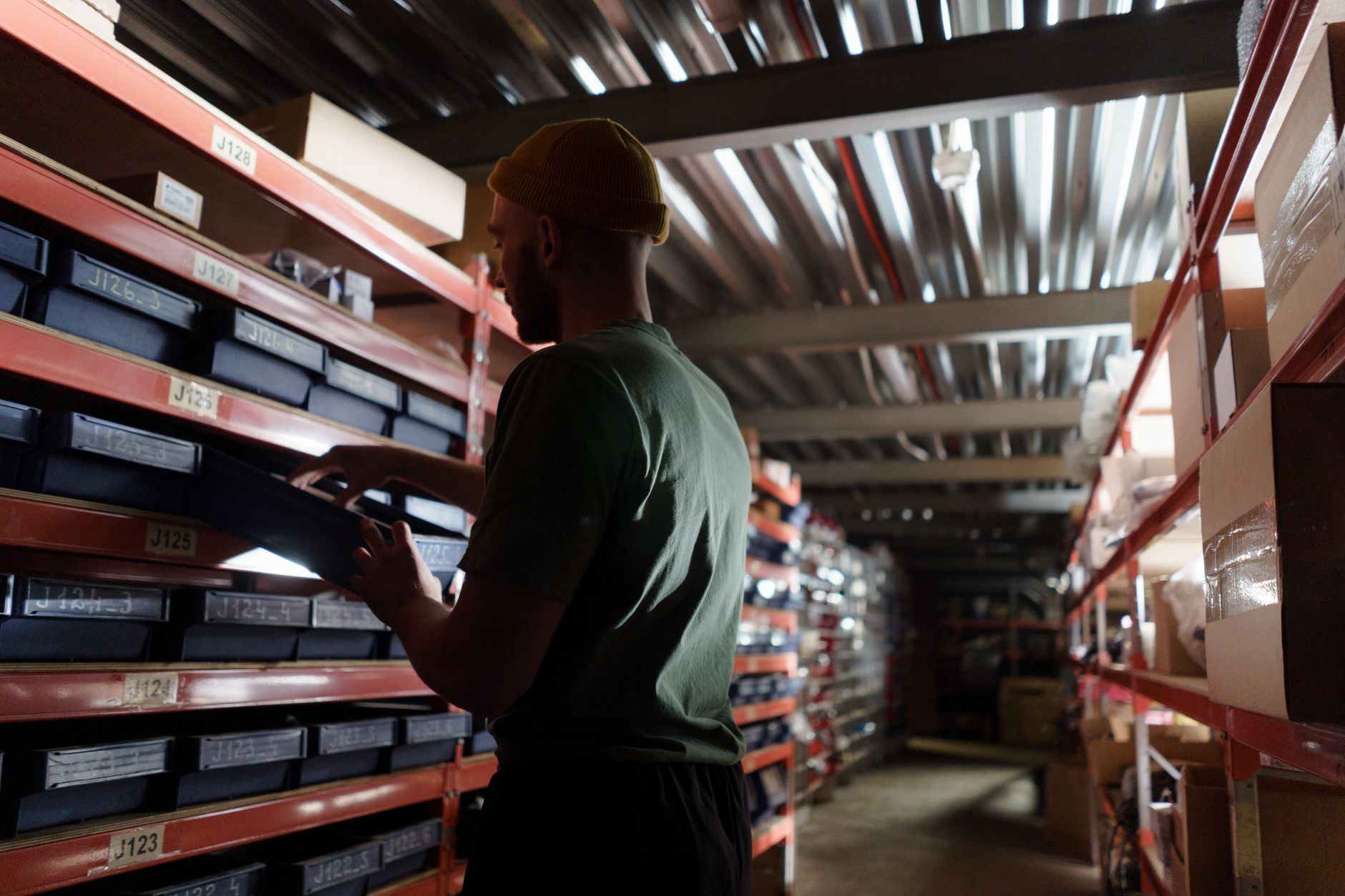
Most of a blind line is still handled by hand. Slats and headrails are cut to length, carried to a table, counted, stacked and packed into boxes, and the same reach and lift repeats until the shift ends. A long day means the same motions are repeated hundreds of times, and the last hour of a shift is often done by the same hands as the first.
Packing and palletizing are the tasks industry reporting points to as injury risks. In a Packaging World survey of 118 CPG brand owners and readers, 51% of CPGs using robots cited improved operator safety as a key draw. That survey covers consumer packaging rather than blinds, but the same kind of motion shows up at a boxing table.
Labor is thinning too. IBISWorld reports about 9,546 people employed in US blind and shade manufacturing in 2025, with employment falling about 0.8% per year on average from 2020 to 2025, and its 2026 estimate is 9,445. Other counts for the same industry run higher, including about 11,207 employees in a NAICS List estimate built on BLS data updated December 2025, and 11,557 employees on an industry data page with no year stated. The counts differ by definition, but IBISWorld's trend is the one with a stated rate, and it points down.
What are the main benefits of cobots on a blind line?
The first benefit is repeatable handoffs. An arm that places each slat or headrail in the same position every cycle gives the next station the same part, so the downstream step is easier to set up, inspect and keep consistent. Operators spend less time correcting small variations at the table.
The second is steadier staffing on the work that depends most on who shows up. Stacking and boxing are the tasks where a line can slow down when the most experienced hand is absent. A cell that runs at a set rate lets a plant plan the shift around the people on the floor rather than around one person's pace.
The third is physical load. Packing and palletizing carry injury risk in the survey, and an arm that takes over the lifting at the boxing station reduces how often a person repeats that motion. A plant should still measure this in its own incident records, since a survey is not a result from its floor.
How does a cobot work on the line day to day?
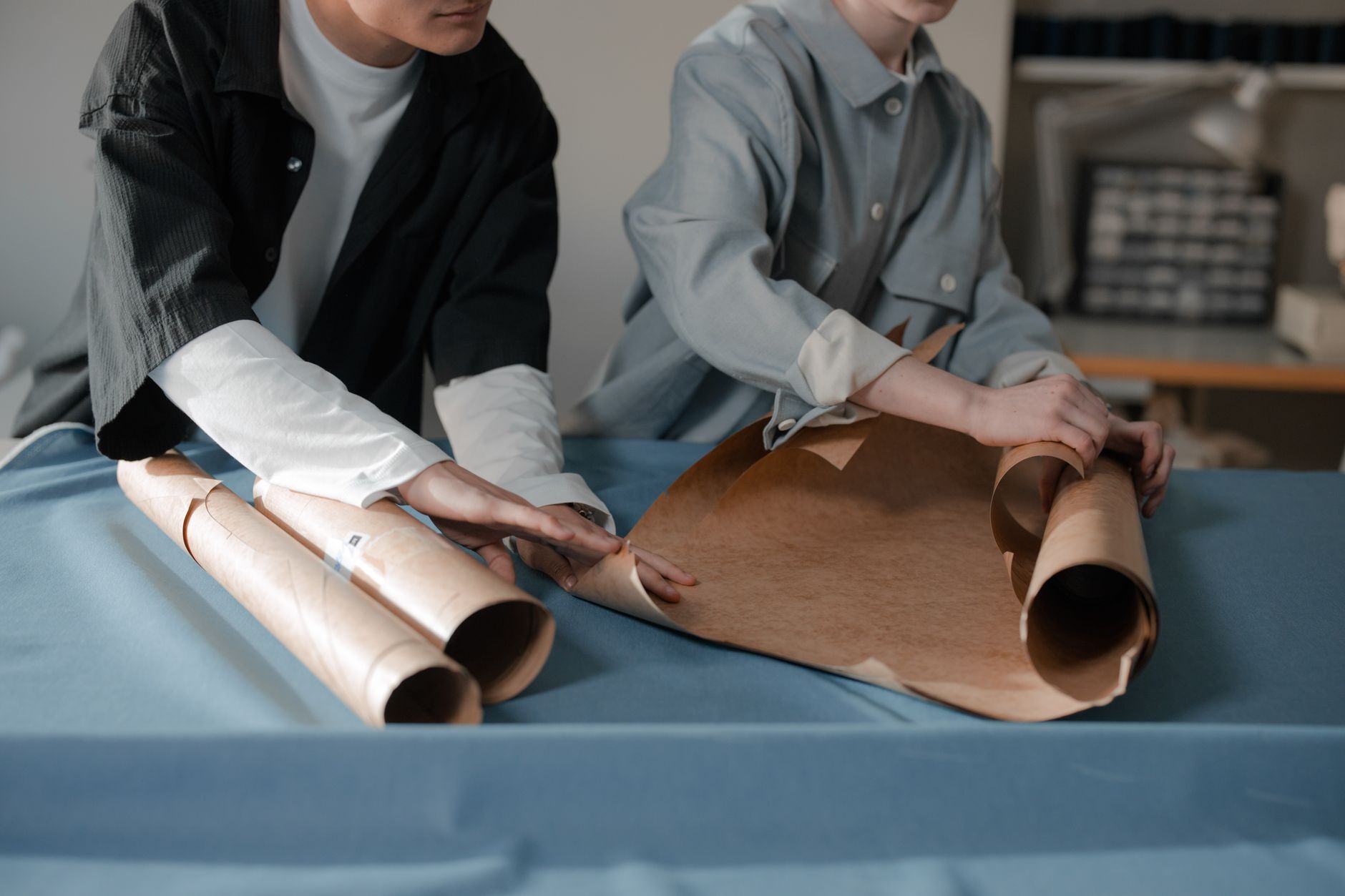
A typical day starts with the operator loading raw stock into the infeed rack and confirming the batch at the controls. The arm then runs a fixed cycle: it takes a cut piece, places it into its stack or carton position, and returns for the next. The operator watches the flow, pulls off damaged pieces, and checks the count at the end of each run.
Changeovers are where the work changes most. A new slat width or headrail length needs its fixture, a position set and a test run before the arm returns to full speed. Batching orders by size is the usual way to shorten that time, and it is worth testing in the site assessment against your actual order mix.
Maintenance is part of the routine as well. Grippers, cables and sensors need checks, and we service the cell nationwide, with remote triage first and on-site dispatch when a cell needs hands.
Which areas of the plant does the cobot cover?
Most blind plants have a handful of stations where the repetitive handoffs happen, and those are the areas a cobot covers. The zones below are the common ones, and the site assessment decides which one makes sense first on your floor.
Keep the first cell narrow. One cutting handoff or one boxing station gives a clear before and after, and the plant can extend to more stations once the first cell reaches its target. A narrow start is also easier to guard and easier to train.
How do cobots work alongside existing staff?
A cobot is a tool for a team, not a replacement for one. The operator keeps the parts of the job that need judgment, such as checking cut lengths, catching a damaged headrail, setting up a new order and clearing a jam. The arm takes the repetitive motion, so the person's hours move toward those tasks.
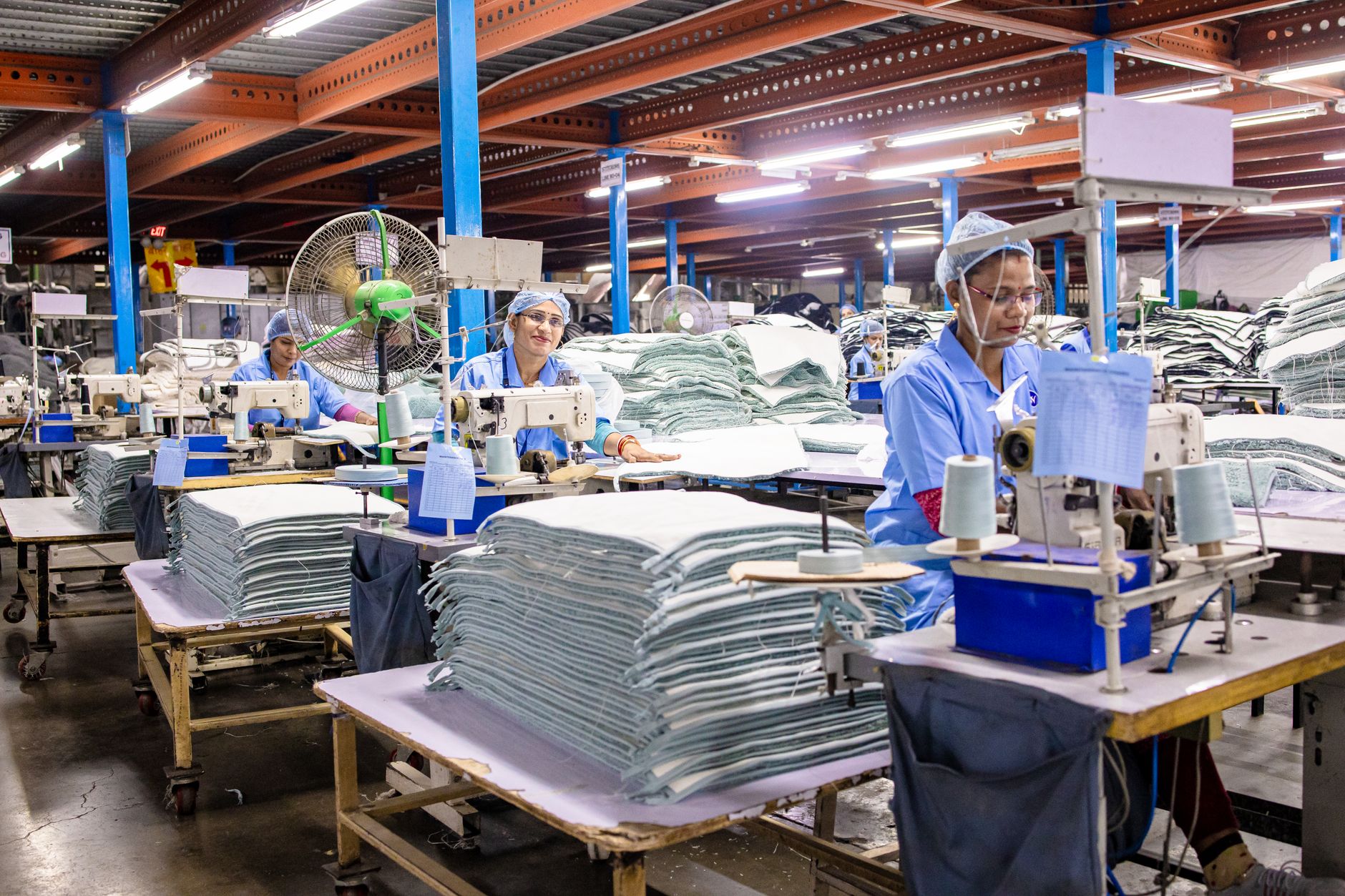
Plants usually need a robot plus a smaller team, not zero staff. A line that once needed a full crew at the boxing table may still need an operator at the cell, a lead for changeovers, and someone who keeps the station clean and stocked. Training is part of deployment and covers the controls, the stop buttons and the daily checks an operator should know.
Staff who work with the cell often take on more inspection and setup. Packaging World has reported a coffee co-packer whose cobot palletizers moved employees into more skilled roles, which is the same direction a blind plant can aim for.
What drives the savings?
Savings come from hours, not from a headline number. The hours that move are the repetitive ones: the handoff, the count, the stack and the box. The size of the gain depends on how many cuts, stacks and cartons your shift handles, how many shifts you run, and how much of the line the first cell covers. We size those hours with you during the site assessment rather than promise a general figure.
Adoption elsewhere gives some context. The IFR president's report (2026) says new cobot installations reached 66,000 units in 2025, or 11% of all industrial robot installations. The same material puts 2025 cobot growth at 7%, below growth in the industrial robot market overall, and describes this as the first time that has happened since IFR began tracking cobots. For 2024 it cites a share of nearly 12% and 13% year-on-year growth.
A vendor guide for packaging automation says payback typically falls inside 14 months on two-shift operations. That is one vendor's claim about packaging lines, not a forecast for a blind plant, so treat it as a question to test against your own hour counts.
What can a cobot not do?
A cobot is not a general-purpose worker. It repeats a motion within a set envelope, so it needs fixtures, a known part position and a program for each size. Parts that arrive damaged or in mixed condition still need a person to sort them before the arm sees them.
It cannot take over the judgment side of the job. Quality checks, setup decisions, exception handling and training remain with people. It also cannot make a poorly laid out cell faster, which is why the mapping and site assessment come before any hardware is chosen.
Safety is a site decision too. A collaborative arm is built to work near people, but each cell still needs its own risk assessment, guarding plan and stop procedure. The common worries are answered below.
How do you get started?
Start with a free site assessment. We walk the floor, map the stations, measure the handoffs and identify the cell that makes the best first target. You get a plan you can check before anything is leased.
The robot is leased through financing, and the payment comes in the quote after the site assessment. Deployment includes integration with your cell, staff training and go live support, and we service the cell nationwide. Many plants begin with one leased unit and add cells once the first one proves its hour numbers on your floor.
If the plan fits your floor, the next step is the quote. If it does not, you will know why before any commitment, and the assessment notes stay useful for later planning.
Frequently asked questions
Upcoming manufacturing events
- Trade showBrats & RobotsNov 10, 2026Alliant Energy Center Exhibition Hall, Madison, WI
- Trade showMATE Farm & Ranch ShowFeb 11 to 13, 2027MetraPark, Billings, MT
- ExpoPFMA Expo 2027Feb 17 to 18, 2027Washington County Fair Park, West Bend, WI
- ExpoLouisville Facilities Maintenance ExpoApr 15, 2027Mellwood Art Center, Louisville, KY
Want a cobot at your window blind manufacturer?
Tell us about your site. We will recommend the robot, quote the lease, and keep it serviced.