
Key takeaways
- Drones cover zoo fence lines, roofs and off-exhibit grounds from above, so staff walk only to flagged spots.
- Staff keep the decisions, and a drone plus a smaller team covers more ground than a team on foot alone.
- FAA rules limit flights over people, so the flight plan starts with the site map and the public areas.
- National zoo counts vary by definition, so plan from your own site rather than a headline number.
- Savings come from staff time, and the quote estimates the hours from your own walk times.
How can drones for zoos help the grounds team?
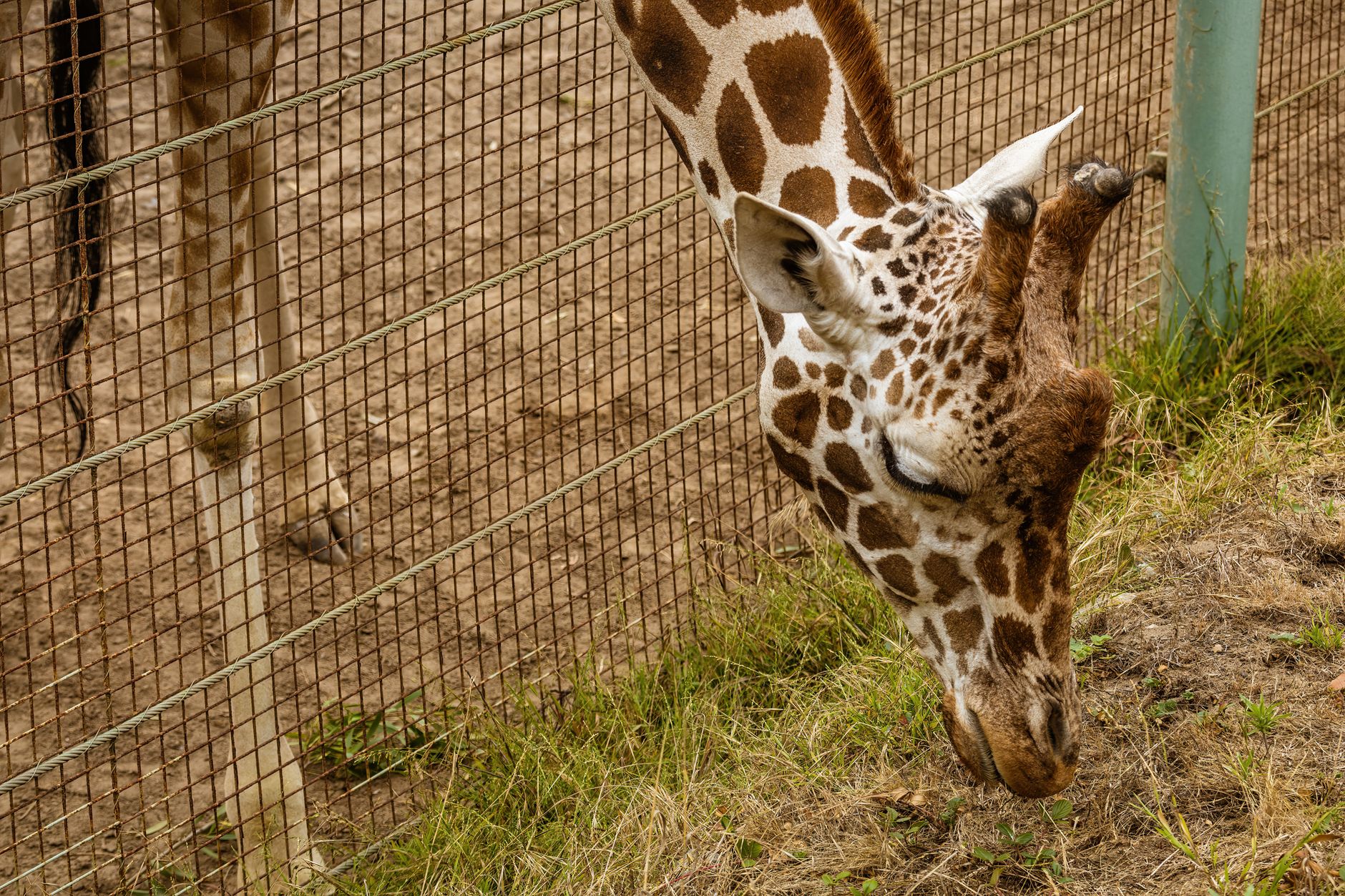
Drones for zoos mainly save walking. A zoo's fence lines, roofs and off-exhibit grounds cover a lot of distance, and staff normally walk all of it to see what has changed. A drone flies the same route, records what it sees, and gives the team a clear view of the fence without the long walk.
The main gain is a fast condition check from above: gaps and sagging wire on a fence line, damaged roof surfaces, washed out paths and drainage problems. Staff review the footage, then walk only to the spots that need a hand, which is where the walking time really goes.
The drone does not replace animal care or the people who walk the grounds. It shortens the check, adds a dated record, and lets the team decide where its hours go.
Why are zoo fence lines and grounds slow to check?
The scale of the sector explains the workload. According to the AZA zoo and aquarium statistics page, updated March 2026, there are 254 accredited zoos, aquariums, and related facilities. The same page, citing AZA's 2024 survey, reports more than 209 million annual visitors worldwide and more than 254,000 full-time jobs.
Those visitors are the reason the grounds need steady attention. Fences, roofs and service yards have to be checked between open hours and around animal care, so every walk competes with feeding, cleaning and enclosure work. A check that takes less time leaves more hours for that work.
Counts also vary by definition. CauseIQ lists 384 zoos in the United States, and IBISWorld counts 480 Zoos & Aquariums in the US for 2025, described as a business-count estimate. Revelio Labs, a third-party aggregator, lists 691 employees in 2025 for one large zoo, a single data point that shows how many roles share the grounds. Plan from the site map in front of you, not from a national total.
Which areas can a drone cover at a zoo?
A drone earns its place where the ground is long, high or hard to reach on foot. Perimeter fence lines, roofs, enclosure tops and off-exhibit yards fit that pattern, and a fixed route lets the same area be compared from one check to the next.
The six areas below are the ones we scope first in a site assessment. Each is a spot where a flight replaces a walk or a ladder, and where a repeat route shows change over time.
Some areas stay off limits or need extra care. Flights over people are restricted, flights near animal areas need a plan agreed with animal care staff, and the interiors of closed buildings are outside the drone's job.
What are the main benefits for zoo operations?
The first benefit is speed on long, repetitive checks. A flight covers a fence line or a row of roofs that would take a long walk or several climbs, and the team can review the results right away.
The second is a record. Footage from the same route, flown on a schedule, gives the team a before and after view of a fence section, a roof or a drainage channel. That record makes repair requests easier to justify and helps planning across the year.
The third is reach after bad weather. A June 2025 story from one California zoo says its drones assess perimeter fence lines, record situations for teaching use, and support emergency and disaster response. Those three jobs show that the same footage can serve facilities, education and emergency planning.
How does a drone work at a zoo day to day?
A flight starts with a plan. The grounds lead marks the route, the no-fly areas and the times to stay clear of animal areas, usually with animal care staff involved. The pilot checks the weather and the site map before anything leaves the ground.
The flight itself is short and repeatable. The drone follows the same line each time, records video and still images, and each file is saved with its date and route, so the next check can be compared with it.
Afterward, a keeper or crew member reviews the footage with the pilot. Items that need action go onto the work order list with a location, and the team walks only to those spots.
Who works alongside the drone?
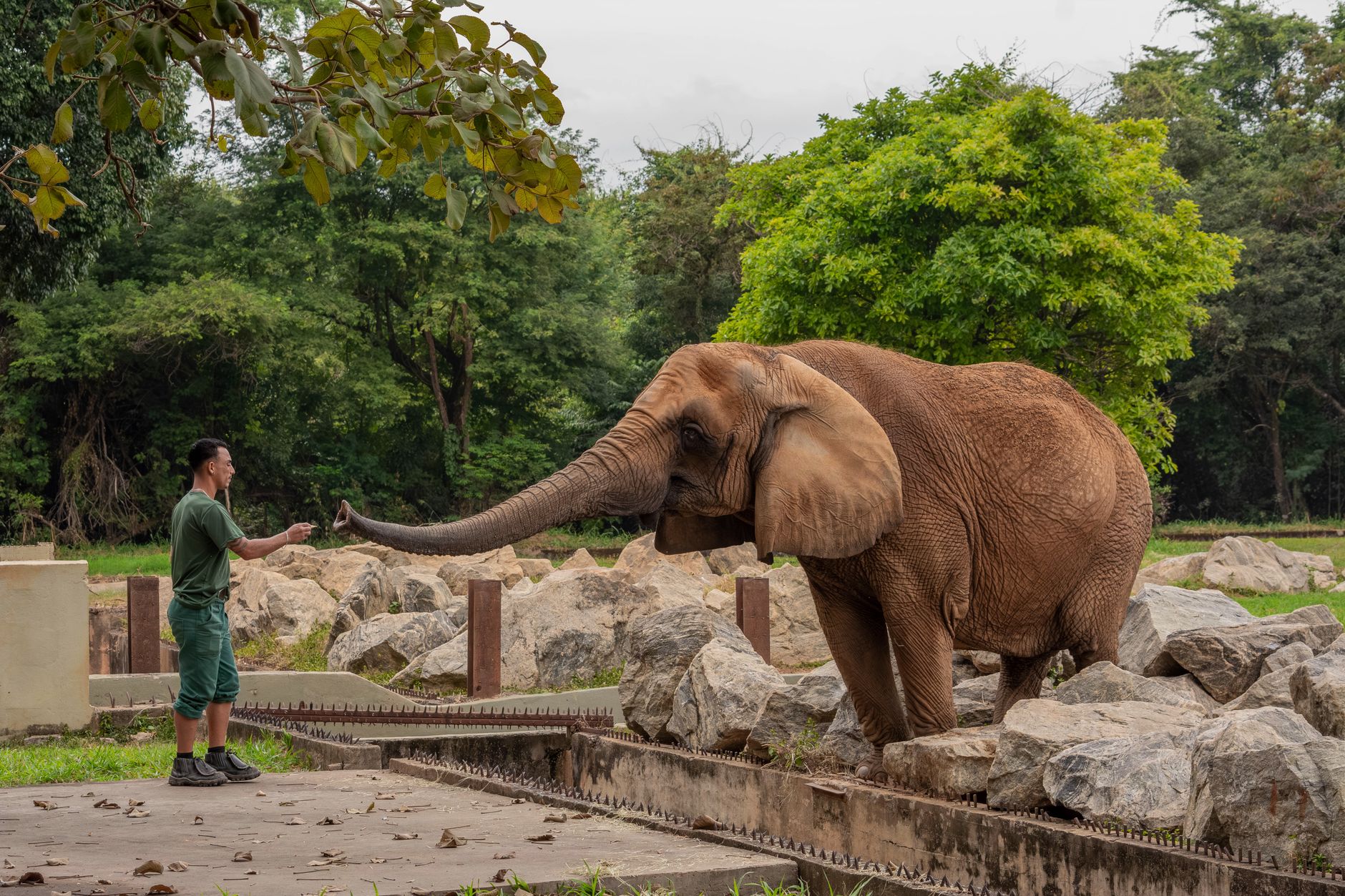
The drone does not replace keepers, grounds crews or the veterinary team. It handles distance and height, and people handle judgment. A trained pilot runs the flight, while the staff who know the animals and the site decide what the footage means.
A drone plus a smaller team covers more ground than a team on foot, but people stay in every check. In practice that means a pilot from the grounds or maintenance team, a reviewer from animal care, and repair crews. We train those people on the site, the flight plan and the rules, and we service the drone nationwide.
What rules apply when flying a drone over a zoo?
US flights follow FAA rules. FAA guidance says remote pilots may not operate over people, for any duration, unless they have a category-compliant drone or a waiver. Zoos have visitors during open hours, so the flight plan keeps the drone away from the public by design.
A Federal Register notice dated April 1, 2026 says Part 107 was expanded to allow routine civil operations over people and at night for unmanned aircraft under 55 pounds at takeoff, subject to conditions. Those conditions still decide what is allowed, so read the rule text and the aircraft category before planning any flight over visitors or at night.
Some secondhand guides overstate the change. Build the flight plan from the FAA and Federal Register text, and treat any summary as a starting point only.
Where do the savings come from?
The savings come from staff time, not from a promise. The main drivers are walking time saved on long fence lines and off-exhibit grounds, climbs and lifts avoided on roofs and tall structures, and fewer trips that end with nothing to fix.
We do not have a verified figure for how many staff hours a fence walk takes at a zoo, and the research behind this page includes no verified incident rate either. So this page gives no hour range. The quote built after a site assessment estimates hours from your own walk times and the checks in each cycle.
Ask for the estimate in hours, with the walk times used to build it. The payment comes in the quote, which also lists the lease terms and the service plan.
What can a drone not do at a zoo?
A drone cannot see inside a closed building or check an enclosure's interior, and it cannot replace a keeper's eyes on an animal. It also cannot repair a fence, tighten wire or fix a gate. Those jobs stay with the grounds team.
Weather limits flights. Wind, rain, fog and low light can stop a mission, and night flights depend on the FAA conditions. Battery life sets how long each flight runs, so a large site is covered in several flights rather than one.
Animal welfare comes first. Flight times and paths are agreed with animal care staff, and any flight can be paused or called off when keepers see a reason.
How do we get started with drones for zoos?
Start with a free site assessment. We walk the fence lines, roofs and off-exhibit grounds with your team, note the no-fly areas and animal care rules, and map the routes. That gives a clear scope before any lease terms are discussed.
We pick the right drone for the site, lease it through financing programs, deploy and integrate it into your routine, and train your staff. The lease is quoted after the site assessment, so the terms match the scope, and we service the drone nationwide.
A common first step is one drone on one route, such as the perimeter, before the program covers more grounds. Ask for the quote in writing, with the hours estimate and service terms, and compare it with your existing check routine.
Frequently asked questions
Want a drone at your zoo?
Tell us about your site. We will recommend the robot, quote the lease, and keep it serviced.