
Key takeaways
- A robotic lawn mower takes routine cutting off the crew schedule at remote compressor stations.
- Fewer grass-only trips free hours for inspections, valve checks and equipment maintenance.
- Keep-out zones around equipment, piping and vents must be set before the first run.
- Savings depend on your own dispatch and crew hours, so measure them before and after the change.
- The crew stays on site for edging, repairs and the work a mower cannot do.
How can robotic lawn mowers benefit natural gas compressor stations?
A robotic lawn mower keeps the grass around a natural gas compressor station short between crew visits, so the site stays easy to walk, inspect and reach. At a remote station, the grass is often the reason for a trip, since each mowing pass means a truck, a driver and hours of a shift on the road. Robotic lawn mowers for natural gas compressor stations take over routine cutting on a set schedule, and the crew comes out for the work that needs hands.
The benefit is not that a machine replaces the crew. It is that grass stops being a standing reason to dispatch people. Operators keep their staff on inspections, valve checks, instrument work and the edging and cleanup a mower cannot do well, while the grounds stay controlled between visits.
The main gain is fewer dispatches for vegetation control. Grass that grows along a fence line, around a pad edge or into a drainage swale can slow access, hide the ground around equipment and add fuel near it. A mower on a schedule keeps those edges clean without adding a standing trip to the calendar.
What vegetation problem do compressor stations have today?
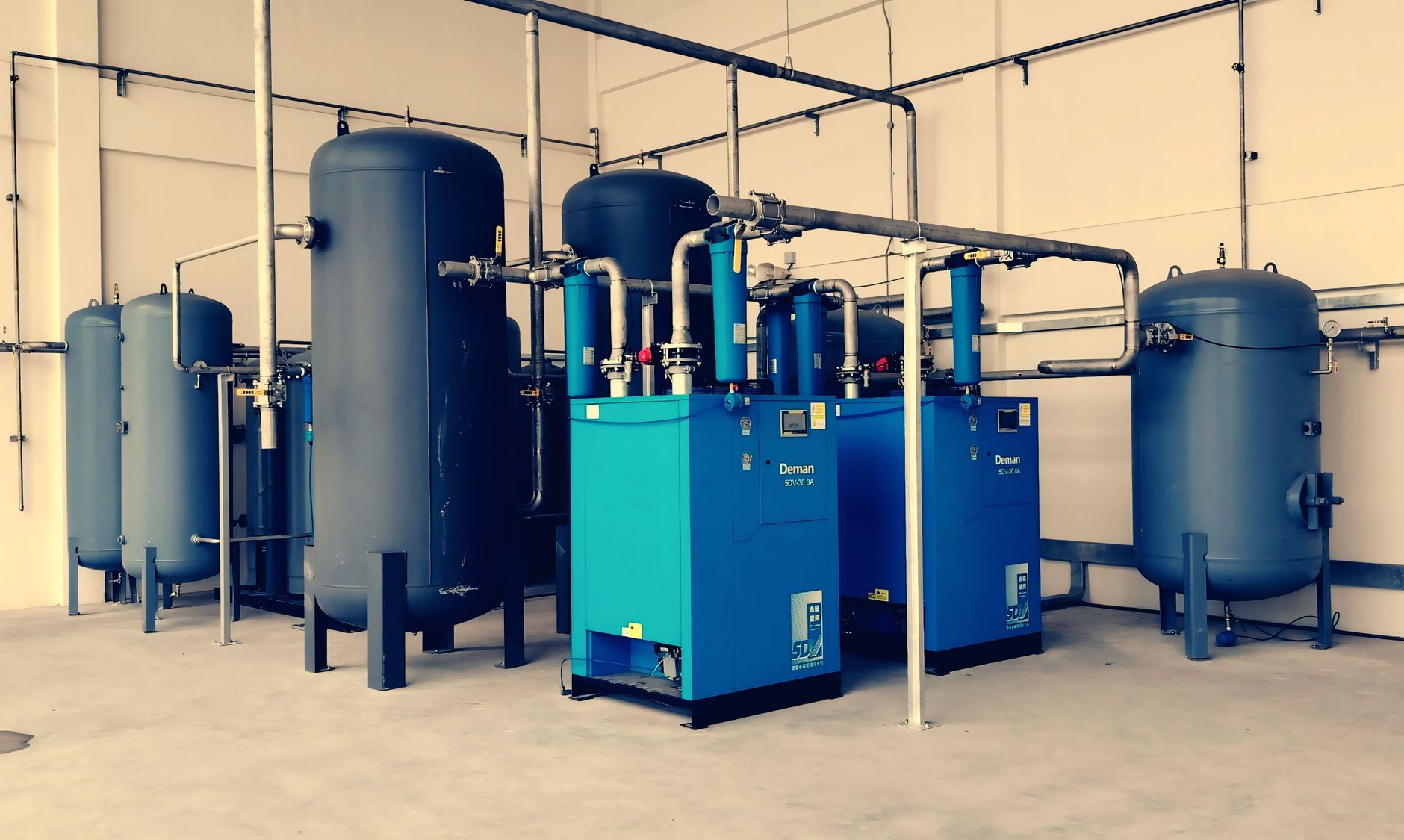
Compressor stations sit on fenced parcels where grass, edges and drainage all need attention. According to the U.S. Energy Information Administration, its 2006 analysis counted 1,201 operational compressor stations on the US interstate natural gas pipeline network, holding over 4,700 units. That count is about two decades old, but the same analysis found the interstate count rose 14.7% from 1996 to 2006, and installed horsepower rose 26%. A network that grew this much has more sites that need the same routine work.
The routine is the recurring cost. Grass has to be cut often enough to keep equipment reachable and fence lines, pad edges and access roads visible. At a remote site, each cut can mean a dispatch, and a crew that drives out for a single mowing pass spends the day on the road instead of on inspections.
We did not find a published study of how often compressor station grounds are mowed, and practice varies with climate, site layout and local rules. The point is not a fixed frequency. It is that each visit is expensive when the job is only grass.
What are the main benefits for a compressor station?
The first benefit is fewer dispatches for grass. When the mower handles routine cutting, the crew stops making trips whose only purpose is a mowing pass. Those hours go to inspections, valve checks and equipment maintenance that need a person on site.
The second is steadier access. Grass held to a consistent height keeps the fence line, the gate, the access road and the pad edges visible and walkable, which helps when an inspector or contractor arrives unplanned. A cut on a schedule the operator sets is more predictable than one that waits for a free crew.
The third is safety for the person doing the mowing. Plumas Sun reported that Caltrans and utilities have tested remote-controlled mowers on slopes that are hard to reach, partly to reduce operator exposure. The same logic applies at a station where the nearest help may be a long drive away and the ground around equipment needs care.
The fourth is consistent height. A town maintenance plan in China, Maine, keeps vegetation at 20 inches or less between cuts. That kind of rule is simple to hold with a scheduled mower and easy to miss when cuts depend on crew availability.
Which areas of a compressor station does the robot work in?
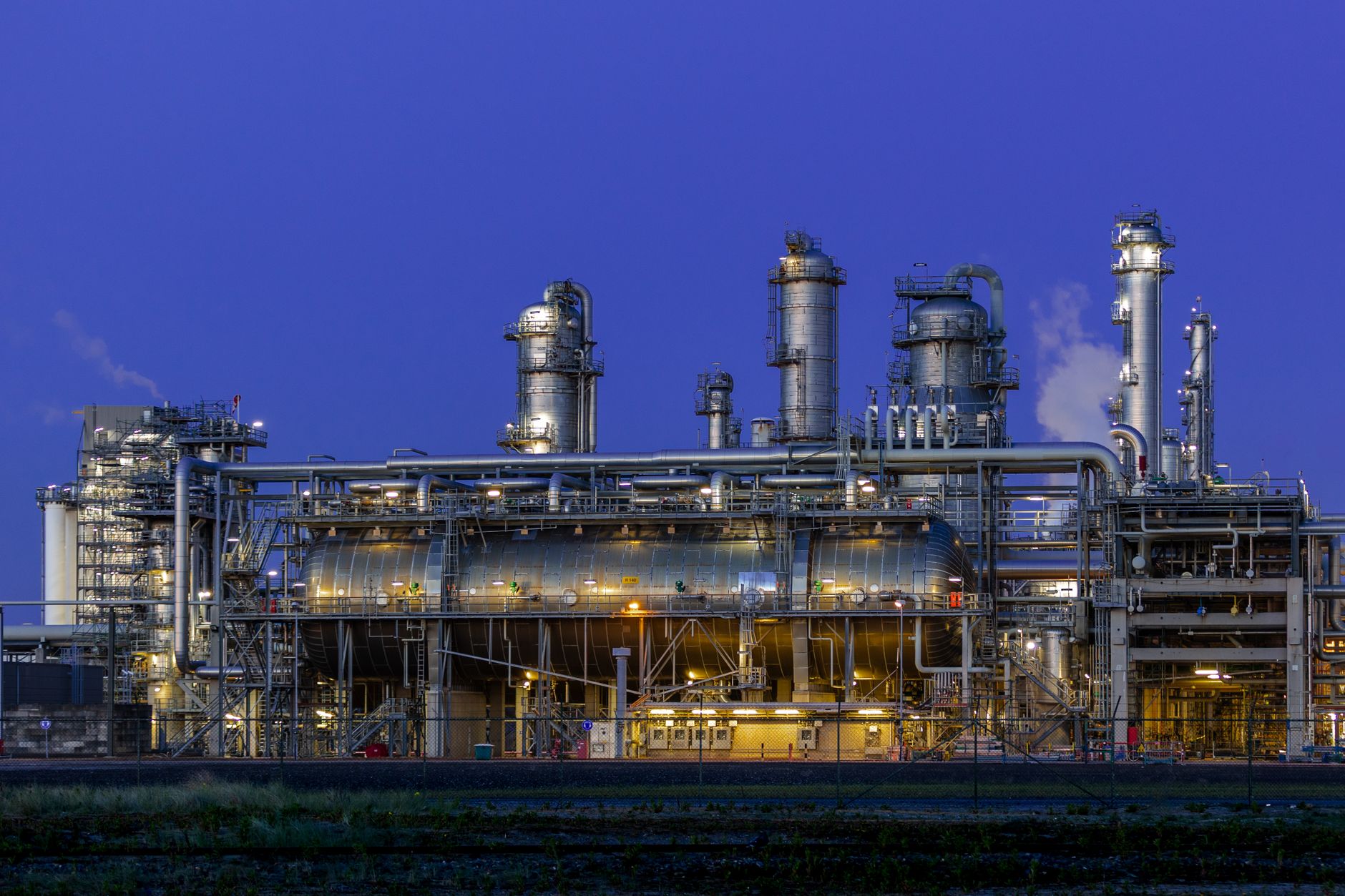
Most of the robot's work happens on the open grass around the equipment, not inside it. The operator and the mowing provider map the boundaries, mark keep-out zones around equipment and piping, and set the routes before the first run. The areas below usually carry the most grass and the most crew time.
Some areas stay with the crew. Gravel pads, the ground beside vents, and spots where grass grows through stone are better handled by hand or with spot treatment. The Alaska Department of Environmental Conservation plan for a gas storage facility run from a nearby compressor station uses a compacted gravel surface as the main control, with regular but not daily inspections and spot herbicide treatment for what grows through.
How does the robot work day to day?
A day with a robot follows the site's schedule, not the crew's calendar. The mower runs in the hours the operator chooses, usually when the site is quiet and no contractor is working the pads. The operator sets which zones are active, and the mower returns to its base to charge between runs.
The crew's routine changes less than people expect. Someone still checks the mower each visit, clears any debris that has collected, and reviews the boundary and alerts. A mower that stops at an obstacle or a boundary needs a person to look at it, and that is a regular check, not an emergency.
Weather and ground conditions matter. Wet grass, standing water and very tall growth can stop a run, so the schedule should leave room to catch up. The operator and the provider should agree on how a missed run is reported and when the crew adds a manual pass.
How does the robot work alongside existing staff?
A robot does not replace the people who run a compressor station. It takes the repetitive cutting so a smaller team can cover more of the rest. The site still needs operators, technicians and a supervisor who know the equipment.
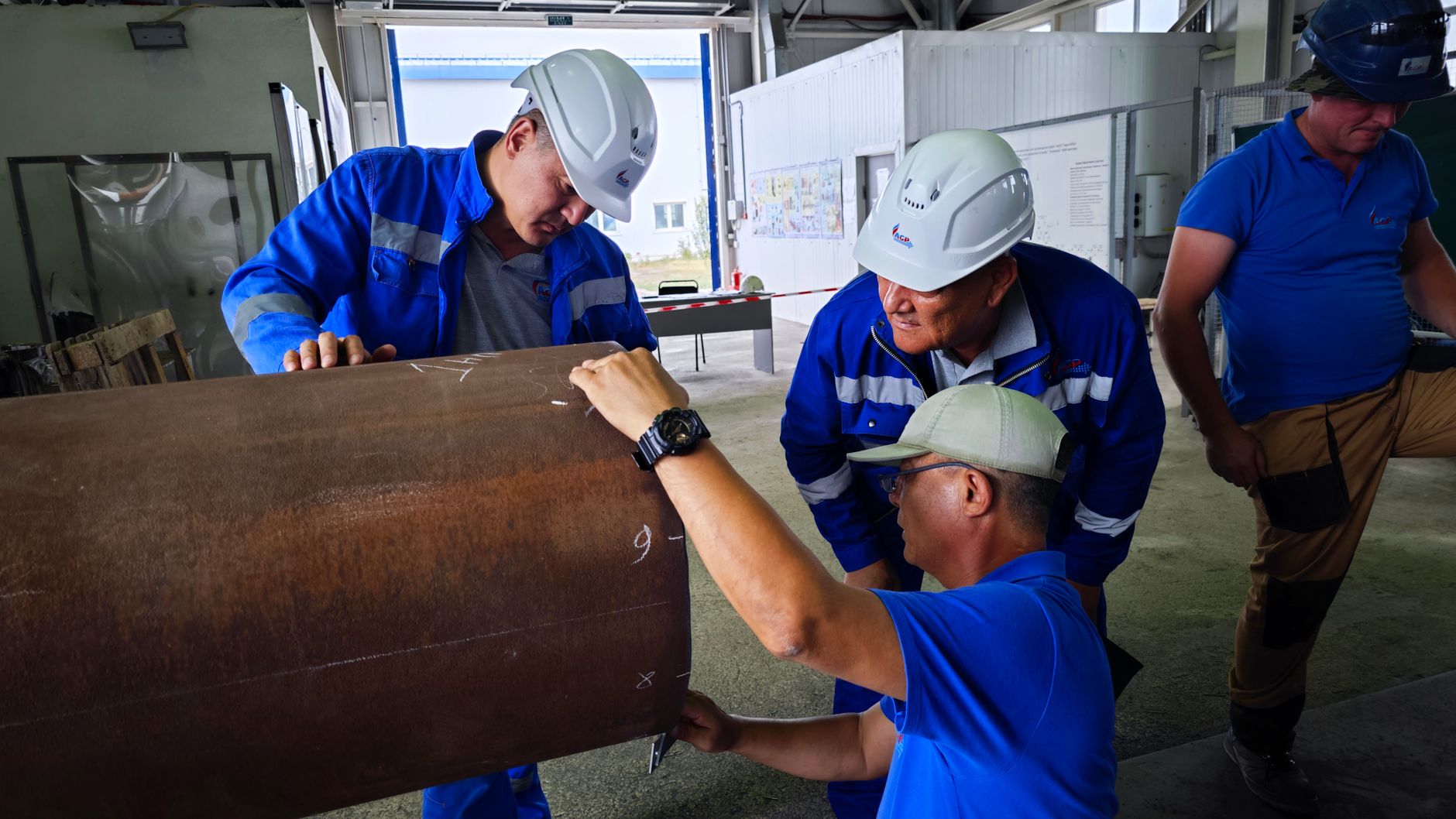
Roles shift in specific ways. A technician checks the mower and boundary during regular visits. An operator reviews the schedule and the log. A supervisor keeps keep-out zones up to date when equipment changes or new work is added.
Training is short but real. Staff learn how to start and stop the mower, read its alerts, lift it safely, and act when it stops in the wrong place. Written site procedures matter as much as the machine.
What drives the savings in hours and labor?
Savings come from the trips and hours the mower removes, and the size of that effect depends on the site. Turf Magazine reported one landscaper who freed crew time that had gone to mowing a three-acre commercial site, leaving workers to handle edging and manicuring once a week. That is one contractor's account, not a measured study, but it shows where the hours go.
A separate contractor estimate, also reported by Turf Magazine, put robotic mower savings at two to four man-hours per job. That figure refers to residential work and comes from one contractor, so it is not a compressor station benchmark. Use it as a prompt to measure your own dispatch and crew hours before and after the change.
The labor pool matters too. The U.S. Bureau of Labor Statistics counted 1,192,500 landscaping and groundskeeping workers in the grounds maintenance grouping its handbook profiles. Trained grounds labor is spread across a broad national workforce, which does not guarantee a crew that can reach a remote station on short notice.
Mowing frequency is the other lever. A solar PV plant vegetation guide states that mowing more than once a year is considered the most effective control approach, so the number of cuts is a real cost driver. A schedule that keeps grass short through the growing season means fewer emergency trips.
What can a robotic lawn mower not do at a compressor station?
It cannot do the edging, hand trimming and debris clearing a crew does at the edges of equipment. It cannot clear grass from gravel pads or reach under skids, and it should not run near piping, vents or moving parts. Those tasks stay with the crew and the site's safety rules.
It is not a treatment program. Where grass grows through gravel or cracks, spot treatment depends on local rules and permits, and the Alaska plan relies on a compacted gravel surface as the main control. A mower cannot replace that approach.
It also struggles with steep or broken ground, ruts and standing water, so a site survey comes first. Winter snow and storm periods still need crew planning. The mower does not override the site's own rules, including keep-out zones, permits and utility line locates.
How do you get started?
Start with a free site assessment. We map the boundaries, mark keep-out zones around equipment and piping, measure the grass areas and walk the routes with your team. Then we select the mower that fits the ground, the slopes and the access at your station.
We lease the mower through financing, and the payment comes in the quote after the site assessment. The quote reflects the site, the mower selected and the service plan, so you can set it against your present dispatch and crew hours.
After you sign, we deploy and integrate the mower, train your staff on it and its alerts, and stay with you through go live. Service is handled nationwide, including on-site dispatch when the mower needs attention.
Start with one station. A pilot shows how many dispatches and crew hours change before you decide on more units across the network.
Frequently asked questions
Want a robotic mower at your natural gas compressor station?
Tell us about your site. We will recommend the robot, quote the lease, and keep it serviced.