

Key takeaways
- Robotic lawn mowers for RV storage yards keep fence lines and grass islands cut between crew visits.
- The robot works only on grass inside a set boundary, so gravel and drive aisles stay out of its path.
- Slope, drainage and heavy rain set the real limits, which is why a site assessment comes first.
- Labor savings are a vendor-reported range of 2 to 5 hours per week for medium yards, to be confirmed on your own site.
- A robot plus a small team handles the cutting, and the lease payment comes in the quote.
How can robotic lawn mowers for RV storage yards help?
Robotic lawn mowers for RV storage yards take over the grass buffers that keep a lot looking maintained between site visits. A typical yard has a fence line, a few grass islands between rows and an entrance strip, while the stalls and drive aisles stay paved or graveled. Those grass areas have fixed boundaries, so a robot can cover them on a set schedule instead of waiting for a crew to walk the lot with a push mower.
The main benefit is steadier presentation. Tenants and visitors notice an overgrown fence line or a weedy entrance before anything else, and a mower that runs on schedule keeps that from building up between crew visits. Staff hours move back to gate checks, RV moves and repairs.
Fit depends on slope, grass area and how the boundary can be set up. The sections below cover those limits, the day-to-day routine, and how to get a quote after a free site assessment.
What does grass maintenance look like at an RV yard today?
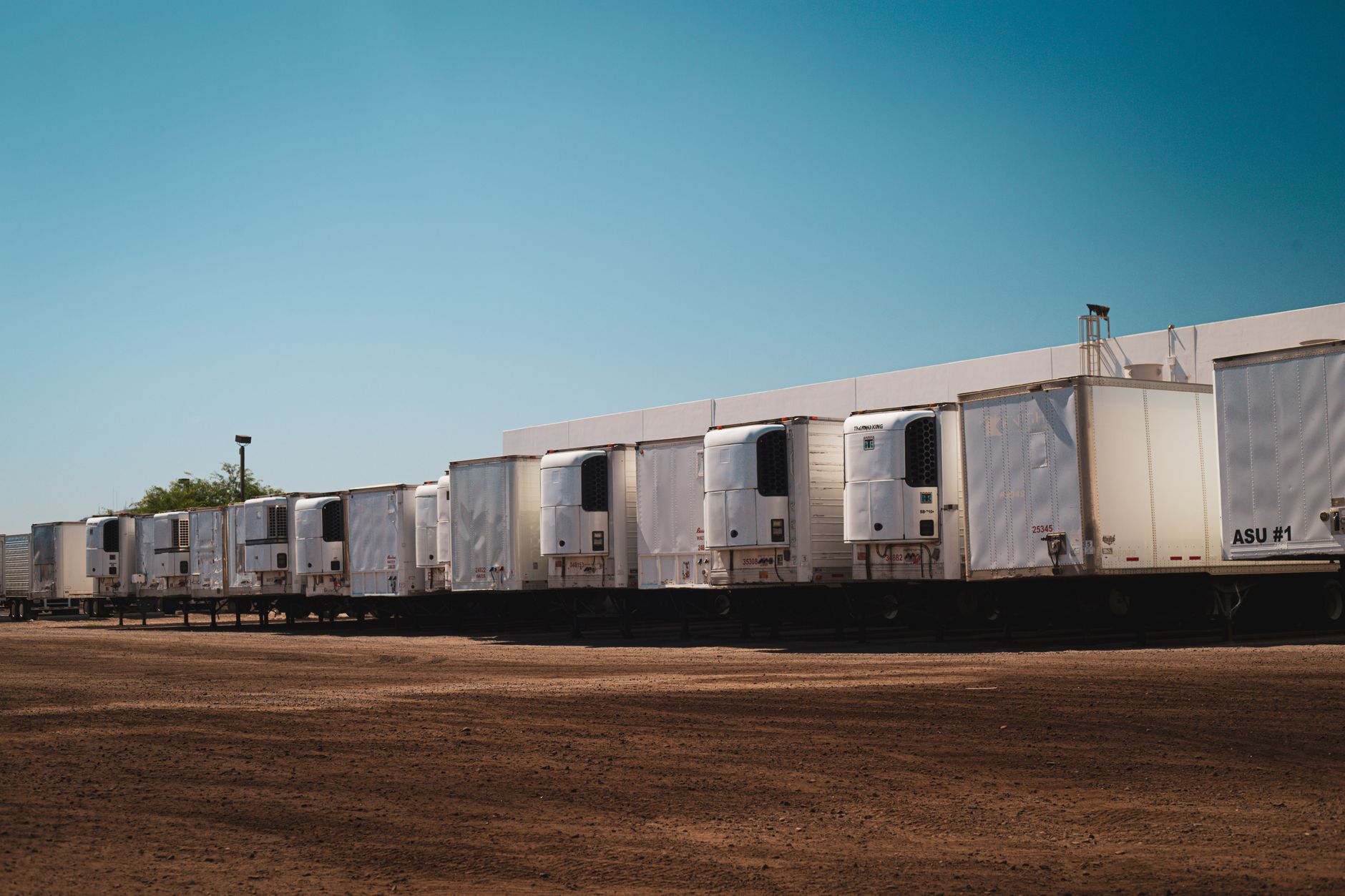
Most RV storage yards sit on gravel, asphalt or compacted surface, with grass kept to the edges. That grass is often the first thing a passerby sees, so it draws attention even when stall capacity is the real business. Crews usually mow the perimeter, trim around posts and fence lines, and clear the strips between rows when growth gets ahead of them.
The problem is rhythm. Grass keeps growing through the warm season between crew visits, so a buffer can slide from tidy to overgrown in a short stretch. Catching up often means a longer, uneven cut that leaves clippings across the lot.
The scale is larger than many operators expect. According to a real estate data firm's Spring 2024 survey, there are about 1,545 dedicated RV and boat storage properties in the US, covering over 12,900 acres. An industry document puts nearly 1,800 specialized boat and RV storage facilities in the US with no date or method shown, and according to a business directory, 22,853 RV storage facilities were listed as of July 2026, a count that likely includes small or informal operators. Measure your own grass area rather than relying on national totals.
What are the main benefits?
The first benefit is consistent cutting. The robot runs on a schedule set in its controller, so the buffer gets cut at the interval you choose rather than when a crew has time. The second is that staff time moves to tasks that need a person, such as checking gates, guiding RV moves and answering tenant questions.
The third benefit is lighter, more frequent cuts. Keeping grass short avoids heavy growth that is slow to mow and leaves thick clippings, and a steady routine keeps the property looking cared for when prospective tenants drive in.
The robot also holds its boundary lines the same way every time. A person working a long afternoon can drift past a post or leave a wavy edge, while a fixed boundary repeats the same path until the schedule changes.
How does the robot work there day to day?
A robotic mower works inside a boundary set by a perimeter wire or virtual boundary marks. You define the grass areas and mark no-go zones over gravel, the office pad and any equipment area. When the battery runs low, the robot returns to its charging station on its own and resumes where it stopped.
Sessions are timed for hours when gates are quiet and few RVs are moving. Staff can pause the robot from the controller when a crew needs a lane or when an RV is parked on the grass edge. Large lawns can take hours or days to finish, depending on battery, so a yard may need several sessions across the week.
Routine checks still matter. Someone should inspect the blades, the charging station and the boundary wire after storms, and pick up trash or fallen branches before each run.
Which areas of the yard does it cover?
The robot works only where the grass is. It stays off gravel, asphalt, stall pads and drive aisles, which the boundary and no-go zones keep it out of. Most yards have a handful of grass areas that suit it well, and the plan can be phased so one area is proven before the rest are added.
The six areas below are where most operators start. Each one has its own boundary and schedule, and each one has edges that still need a person.
Slopes near drainage and tree roots near fence posts need closer attention. Those spots get checked during the site assessment before any boundary is set.
How does it work alongside existing staff?

A robotic mower does not replace the people who run a storage yard. It handles repeatable cutting so a small team can focus on gates, tenants, RV moves, security checks and the hand work at posts and corners. The robot works best as one part of a routine that a person owns.
We pick the right robot for the site, lease it through financing, deploy and integrate it, train the staff who will use it, and service it nationwide. Training usually covers starting and pausing sessions, reading alerts, and the weekly checks that keep blades and boundary wire in order.
Plan for coverage when the robot is out for service. Name one person as the robot lead, and keep a short plan for hand mowing the most visible areas until the unit returns.
What drives the savings?
Savings come from labor hours moved off the mowing route. According to a retailer's blog, a medium yard can save an estimated 2 to 5 hours per week, but that figure is vendor reported and has not been measured in a formal study. Treat it as a planning range, then time your own crew for two weeks before and after to see what applies to your yard.
Hours depend on grass area, how often the buffer needs cutting, and how much edging stays with a person. Frequency matters: according to a landscaping trade blog, athletic fields are mowed 2, 3 or 4 times a week, so a high-use site can add up quickly. Count the cuts your yard needs over a typical month before you estimate hours.
Track the other results too. Fewer crew trips across the lot and a steadier look are worth recording in your own notes.
What can a robotic lawn mower not do at an RV yard?
Steep ground limits where the robot can go. According to one manufacturer's manual, the maximum slope is 30% for one model and 40% for another. The same manual advises at least 2 m of buffer between the boundary wire and any slope of 10% or steeper, because downhill speed can carry the mower over the wire, especially on wet ground.
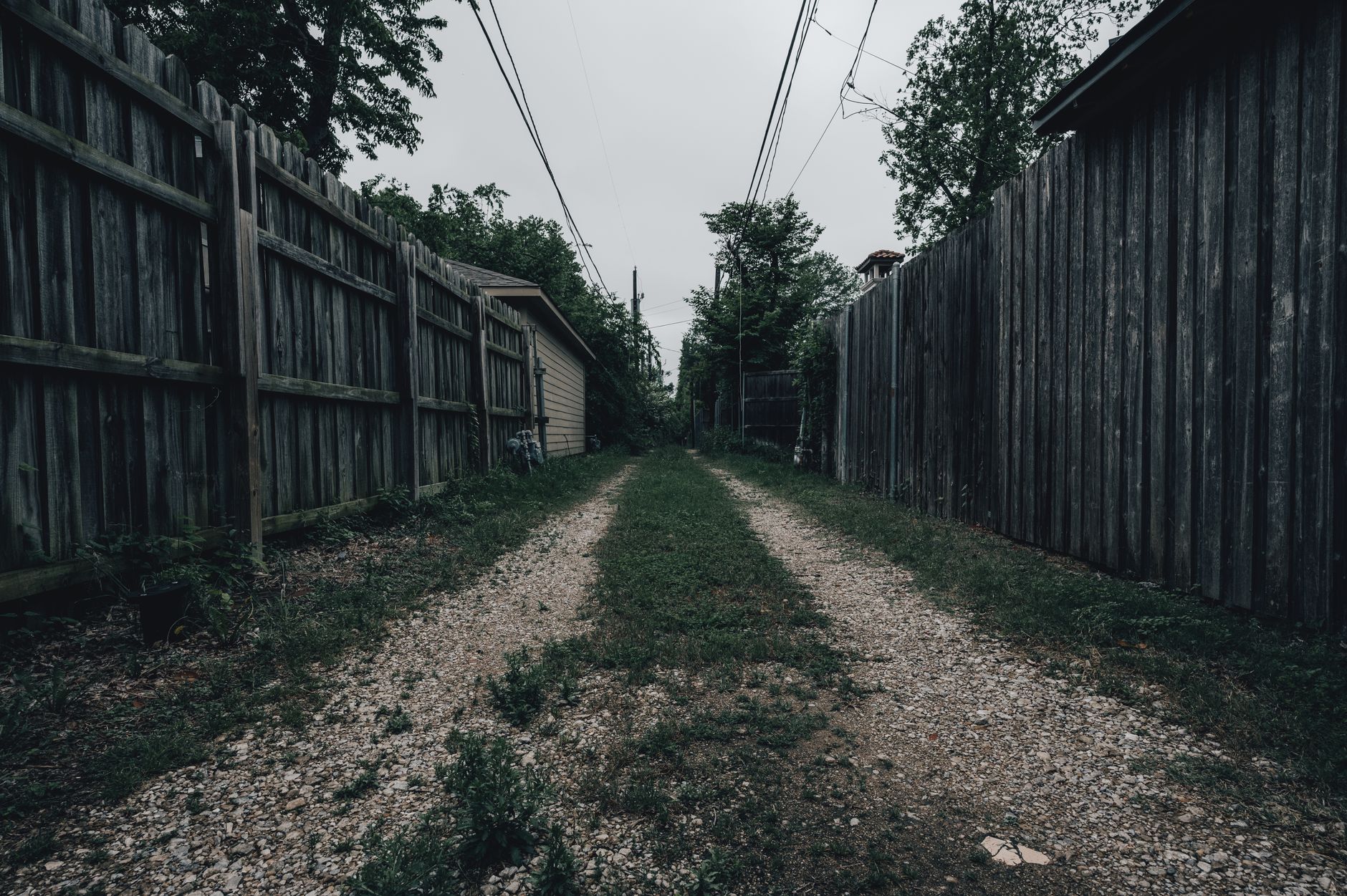
Weather and ground set more limits. Most models pause in heavy rain, since wet grass reduces traction, according to a consumer product review site. Dips, tree roots and hills can cause the robot to get stuck or cut unevenly, so those areas need a person to check them.
The robot also will not reach tight spots around posts, fence bottoms and corners, so those still need hand work. According to a commercial-grade model's product page, the area capacity is 1 acre, so a large grass area may need a longer schedule or more than one unit.
How do we get started?
Start with a free site assessment. We map the grass areas, measure slopes, note drainage and boundary points, and check where gates and lanes will matter during scheduled sessions. From that, we recommend the right robot for the site, and you can begin with one unit on a single grass zone before adding others.
The robot is leased through financing, and the payment comes in the quote after the site assessment. Once you approve the quote, we deploy and integrate the robot, train your staff and service it nationwide, with on-site dispatch and remote triage when something needs attention.
Bring a rough sketch of your grass areas, your gate hours and any known drainage problems, since those details shape the first quote.
Frequently asked questions
Want a robotic mower at your RV storage yard?
Tell us about your site. We will recommend the robot, quote the lease, and keep it serviced.
Sources
- Real estate data firm survey of RV and boat storage properties, Spring 2024
- Industry document on specialized boat and RV storage facilities
- Business directory count of RV storage facilities, July 2026
- Retailer blog on time saved by robotic mowers
- Landscaping trade blog on labor and mowing frequency
- Manufacturer owner's manual, slope and boundary limits
- Commercial mower product page, area capacity and zones
- Consumer product review site, yard suitability